A Manufacturer’s Guide to Custom Keychains: 2026 Reliability
Introduction
If you manufacture promotional goods, brand merch, or retail accessories, you already know the hard truth: Custom Keychains look simple, but supplier mistakes get expensive fast. A missed color match, weak split rings, low-clarity acrylic, or sloppy epoxy doming can turn a “small add-on item” into returns, chargebacks, and brand damage.
That’s why teams that consistently ship on time treat keychains like any other production-critical component: they qualify vendors, lock specs, validate samples, and audit packaging and logistics. At Best Patches, we’ve helped buyers tighten those controls—especially when they need repeatable quality across multiple designs, deadlines, and distribution channels.
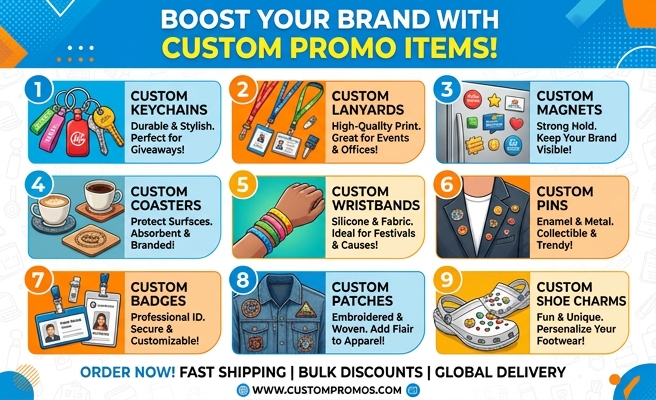
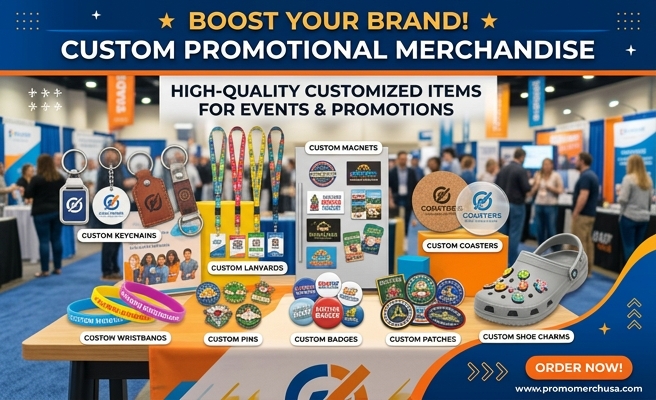
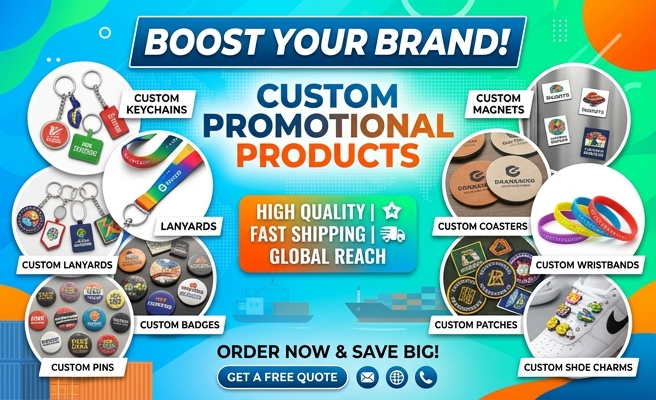
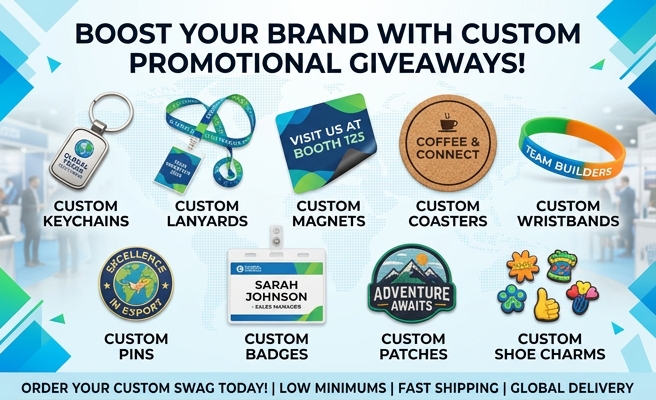
Custom keychains are made-to-order key fobs designed with your artwork, logo, or message. They can be produced in materials like metal, acrylic, PVC, leather, wood, or silicone, and are typically used for promotions, retail resale, events, and brand building.
Reliability means the supplier can repeatedly hit your requirements (color, durability, hardware strength, compliance, packaging, and delivery windows) with clear communication and accountable quality systems.
Table of Contents
- What “Reliable” Means for Custom Keychains in 2026
- Material Choices and Where Quality Fails First
- Supplier Vetting: The Screening Checklist Pros Use
- Artwork, Proofing, and Color Control That Prevent Rework
- Quality Testing: Specs, Tolerances, and Real-World Stress
- Pricing, MOQs, and Total Cost per Usable Unit
- Production Planning, Lead Times, and Shipping Risk
- Case Studies from Best Patches: What Worked, What Didn’t
- Risks, Compliance, and Brand Safety
- Choosing Your Supplier and Next Steps
What “Reliable” Means for Custom Keychains in 2026
“Reliable” isn’t a vibe. It’s a measurable ability to deliver consistent keychains that match your approved sample—at scale—without surprises. In 2026, reliability also includes how a vendor handles rapid iteration (multiple SKUs, short campaigns, influencer drops) and how well they document and repeat processes.
Here’s how experienced manufacturers define reliability in practical terms:
- Spec fidelity: dimensions, thickness, printing, plating, enamel fill, edge finishing, and hardware are consistent with the approved proof and pre-production sample.
- Color discipline: repeatable color matching across reorders, with a documented approach (Pantone targets, print profiles, and photo standards for approvals).
- Hardware integrity: rings, lobster clasps, and connectors meet strength expectations for everyday use.
- Quality system: clear QC checkpoints, documented defect definitions, and willingness to share photos/videos of in-line inspection.
- Communication: clear timelines, fast proof cycles, and proactive escalation when something changes (material availability, plating constraints, shipping disruptions).
According to a 2024 Gartner report on supply chain risk management, organizations that formalize supplier performance metrics and exception handling reduce disruption impact and improve on-time delivery performance. That same logic applies here: keychains are small, but vendor variability can derail campaigns.
Material Choices and Where Quality Fails First
Most keychain failures are predictable once you know the material’s weak points. Pick materials based on your use case (promo giveaway vs. retail SKU) and expected wear (keys banging in pockets, UV exposure in cars, alcohol-based hand sanitizer, sweat, heat).
Metal keychains (zinc alloy, iron, stainless)
Metal is premium and durable, but it’s also where finishing discipline matters. Common failure points include thin plating, pitting, sharp edges, poorly filled soft enamel, and weak jump rings.
- Best for: corporate gifts, premium merch, resale, commemorative launches
- Watch-outs: plating consistency, enamel fill level, edge deburring, corrosion resistance
Acrylic keychains
Acrylic is popular because it prints beautifully and ships light. Quality problems usually come from low-grade acrylic, rough cutting, weak protective film practices, and ink abrasion (especially on single-side print with no epoxy dome).
- Best for: artists, conventions, fan merch, high-SKU drops
- Watch-outs: print scratch resistance, clarity, edge polishing, thickness uniformity
PVC or rubber keychains
PVC excels for bold shapes, thick outlines, and tactile branding. Failures come from soft details blurring, inconsistent color mixing, sticky surfaces, or deformation under heat.
- Best for: outdoor brands, sports, youth products, bold mascots
- Watch-outs: fine-detail fidelity, smell/volatiles, heat tolerance
Leather and faux leather
Leather reads upscale, but it introduces sourcing variability and finishing differences. Faux leather can crack or delaminate if edge sealing is weak.
- Best for: automotive, hospitality, premium boutiques
- Watch-outs: edge paint cracking, stitching consistency, color rub-off
Supplier Vetting: The Screening Checklist Pros Use
When you’re sourcing custom keychains, vendor selection is less about who can “make it” and more about who can make it the same way again. A reliable partner answers uncomfortable questions directly.
Questions that separate real manufacturers from brokers
- Do you own production, or outsource parts (printing, plating, assembly)? If outsourced, which steps and how do you control them?
- Can you share recent in-process QC photos/video for a similar product type?
- What are your top three defects on this material, and how do you prevent them?
- How do you handle reorders: do you save molds, print settings, and color references?
- What is your standard packaging method to prevent scratching and paint rub?
What to request before you commit
- Factory capability statement: equipment list, processes, monthly capacity
- Material declarations: base metal type, plating type, acrylic grade, PVC formulation info when relevant
- Compliance documentation: especially if products are intended for children or regulated markets
- Golden sample policy: how the approved sample is stored and used for production reference
“If a supplier can’t describe their top defects and show how they catch them, they don’t have a quality system—they have luck.”
—Senior Production Manager (Merch & Promotions)
Artwork, Proofing, and Color Control That Prevent Rework
Proofing is where most timelines are won or lost. The fastest path to a clean production run is sending the right files and forcing clarity early—especially around color, lines, and small text.
File standards that reduce back-and-forth
- Vector preferred: AI, EPS, or SVG for metal/PVC molds and clean edges
- Raster allowed: PNG at 300 DPI at final size for acrylic printing (transparent background if needed)
- Text outlined: prevent font substitution
- Line weights: define minimum line thickness for the process (especially enamel and PVC)
Color strategy: how to stop “close enough”
Color mismatch is rarely malicious; it’s usually a systems issue. Here’s how manufacturers keep control:
- Specify Pantone targets for brand-critical colors (not just “blue”).
- Approve proofs under a consistent lighting standard and request the same for supplier photos.
- Demand a pre-production sample for new designs or new materials, not just a digital mockup.
- Lock finishing notes (matte vs. gloss, plating tone, epoxy dome thickness) because finish changes perceived color.
Quality Testing: Specs, Tolerances, and Real-World Stress
A keychain is handled constantly. Reliability depends on basic engineering: strong connectors, protected prints, smooth edges, and coatings that survive abrasion and sweat.
Minimum specs worth writing into your PO
- Dimensions and thickness tolerances: especially for acrylic and PVC where feel matters
- Hardware requirements: ring diameter, connector type, anti-rust expectations
- Surface protection: epoxy dome, clear coat, or reverse printing where needed
- Edge finishing: no burrs (metal), no sharp cut edges (acrylic), no tacky surfaces (PVC)
Simple stress tests that catch real defects
You don’t need a lab to find the most common failures. Ask the supplier to run (and document) basic checks, and repeat them on your incoming QC samples:
- Drop test: multiple drops onto hard surface to reveal cracking, delamination, or dome failure.
- Key-jangle abrasion: shake with keys/coins to see print scuffing and plating scratches.
- Hardware pull: confirm jump rings don’t open and connectors don’t deform.
- Heat check: brief warm environment test for PVC deformation or adhesive failures.
According to a 2023 report by McKinsey on manufacturing performance, companies that standardize quality gates and use clear defect definitions see fewer late-stage surprises and lower cost of poor quality. For keychains, that translates into fewer “we didn’t notice until packing” moments.
Pricing, MOQs, and Total Cost per Usable Unit
Buyers get burned when they optimize for unit price instead of total cost per usable unit. A cheaper quote can become more expensive when you factor in defects, rework, delays, repackaging, and expedited freight.
What drives pricing the most
- Tooling/molds: especially for metal and PVC
- Material thickness: thicker acrylic and metal weight add cost
- Finishes: plating type, enamel fills, doming, special effects
- Hardware upgrades: lobster clasps, swivel clips, premium rings
- Packaging: individual polybags, backing cards, barcode labeling, kitting
A practical comparison table for real purchasing scenarios
| Buyer Scenario | Best-Fit Keychain Type | Main Quality Risk | Supplier Requirement to Mitigate |
|---|---|---|---|
| Trade show giveaway (10,000 units, strict date) | Acrylic print keychain | Print scuffing and scratched surfaces in transit | Protective film discipline, individual bagging, abrasion-resistant print option |
| Premium retail merch (1,500 units, high margin) | Soft enamel metal keychain | Pitted plating, uneven enamel fill, sharp edges | Deburring standard, plating thickness expectation, 100% edge check before packing |
| Outdoor brand promo (3,000 units, rugged use) | PVC/rubber keychain | Heat deformation, sticky finish, blurred details | Material formulation control, thickness spec, sample heat check and detail minimums |
| Hospitality key fob (2,000 units, upscale feel) | Leather/faux leather keychain | Edge paint cracking, delamination, color rub-off | Edge sealing method defined, rub test, stitching/adhesive QC photos |
| Automotive dealership freebie (5,000 units, metal look) | Stamped metal with laser engraving | Engraving legibility, inconsistent finish tone | Engraving depth standard, finish swatch approval, consistent photo approval setup |
Production Planning, Lead Times, and Shipping Risk
The supplier you choose is also a logistics partner. A reliable vendor doesn’t just “ship on time”—they help you avoid the late-stage emergencies that trigger costly expedited freight.
Lead time realities you should plan for
- Tooling time: molds and dies can be the longest pole for metal/PVC
- Sampling time: adding one extra sample round often costs less than a defective production run
- Peak season congestion: Q3–Q4 and major event seasons can stretch timelines
- Shipping volatility: port delays, customs exams, and carrier constraints are still part of global trade in 2026
A procurement workflow that prevents surprises
- Define the spec sheet (materials, thickness, finish, hardware, packaging, compliance).
- Shortlist suppliers using capability and communication speed, not just price.
- Approve digital proof with written notes and a saved version number.
- Approve pre-production sample (or “golden sample”) before mass run.
- Set QC checkpoints (in-line photos, final inspection, carton drop protection).
- Plan shipping buffer and decide your “latest ship date” in writing.
“The keychain itself isn’t the risky part. The risk is the last 10%: hardware assembly, packing, labeling, and shipping execution.”
—Operations Lead, Consumer Merch Programs
Case Studies from Best Patches: What Worked, What Didn’t
We’ve seen the same patterns repeat across industries. Here are two real-world-style scenarios from our work at Best Patches that show how reliable custom keychains get built (and how they fail when details are ignored).
A fast merch drop that needed repeatable color across multiple SKUs
I worked with a buyer who had eight designs launching as a coordinated drop. The first supplier they tried sent “approved-looking” photos, but the second sample round drifted: blacks printed slightly warm, and a signature teal shifted toward green. The supplier insisted it was “within normal range,” which is exactly what you hear when no one is working from a locked standard.
At Best Patches, we reset the process: we documented Pantone targets for brand-critical colors, added finish notes (matte vs. gloss changes perceived saturation), and required that all approvals be photographed under a consistent lighting setup. The result wasn’t magic—it was repeatability. The production run matched the golden sample closely enough that the team could reorder without renegotiating color every time.
A premium metal keychain run where hardware became the hidden defect
I also remember a premium soft enamel metal keychain project where the artwork and plating were excellent—yet customer complaints started within weeks. The issue wasn’t the metal body; it was the connector assembly. Some jump rings weren’t fully closed, so the keychain separated from the ring under daily use.
We rebuilt the PO language to include hardware gauge expectations, required a documented assembly check (ring closure inspection), and changed packaging to reduce torque during transit. That tiny adjustment prevented a painful type of failure: the product looks perfect at unboxing, then fails later—when your customer is least forgiving.
Risks, Compliance, and Brand Safety
Custom keychains can raise compliance and reputation risks depending on your market and audience. Even if you’re not selling “kids products,” items can end up in schools, family environments, or be treated as children’s accessories.
Key risks to address early
- Small parts hazards: split rings and charms can be choking hazards if marketed to children.
- Material sensitivity: plating and alloys can raise concerns for skin contact and allergic reactions.
- Chemical and ink safety: certain coatings, inks, or plastics may trigger regulated requirements in specific markets.
- IP infringement: using copyrighted characters or logos without permission can create legal exposure and platform takedowns.
How to reduce compliance surprises
Be direct about where and how the product will be used. If it’s a children’s campaign or school distribution, ask for appropriate testing documentation for your region and category. For adult merch, focus on basic material transparency and avoid unsupported claims (“non-toxic” should be documented, not assumed).
According to a 2025 Deloitte analysis on consumer trust and brand risk, customers increasingly punish brands for preventable quality and safety issues, even on low-cost promotional items. The “it’s just a keychain” excuse doesn’t protect your reputation.
Choosing Your Supplier and Next Steps
If you want reliable Custom Keychains, your strongest leverage is the combination of (1) clear specs, (2) a controlled approval process, and (3) enforceable QC expectations. The best suppliers welcome that structure because it makes production smoother for everyone.
At Best Patches, our approach is practical: we help you select the right material for your use case, translate brand requirements into production specs, and run a proof-to-sample workflow designed to prevent rework and defects.
Conclusion
Reliable custom keychains come from disciplined manufacturing basics: the right material for the job, locked specs, controlled color and proofing, hardware integrity, and packaging that prevents damage before the customer ever sees the product. The suppliers worth keeping don’t just quote—they document, verify, and repeat.
Next steps recommended by Best Patches:
- Write a one-page spec sheet (material, thickness, finish, hardware, packaging, compliance) before requesting quotes.
- Order a pre-production sample and treat it as your golden reference for production and reorders.
- Set acceptance rules (your defect definitions and QC checkpoints) in the PO so quality is enforceable, not negotiable.
References
- Gartner (2024): Supply chain risk management research highlighting the value of formal supplier performance metrics and exception handling.
- McKinsey (2023): Manufacturing and operations insights showing how standardized quality gates reduce cost of poor quality and late-stage defects.
- Deloitte (2025): Consumer trust and brand risk analysis emphasizing increased customer sensitivity to preventable quality and safety issues.
FAQ
How do I choose reliable Custom Keychains for retail versus giveaways?
-
For retail, prioritize feel and durability: metal (soft enamel/hard enamel) or premium leather/faux leather with documented QC. For giveaways, acrylic or PVC can be ideal if you lock packaging and abrasion protection. In both cases, ask for a pre-production sample and define defect rules in your purchase order.
What’s the most common defect in custom keychain production?
-
The most common issues are surface damage (scratched acrylic, scuffed prints, chipped enamel) and hardware failures (jump rings not fully closed, weak connectors). These defects usually come from rushed assembly and inadequate individual packaging—both are preventable with clear QC checkpoints.
Do I need a pre-production sample for every custom keychain order?
-
For a new design, new material, or new supplier, yes—you’ll save money long-term. For reorders, you can often skip it if you have a golden sample on file and nothing changes (art, size, finish, hardware, packaging). If anything changes, sample again.
What file format should I send for custom keychain artwork?
-
Send .AI, .EPS, or .SVG whenever possible (especially for metal and PVC). For acrylic printing, a 300 DPI PNG at final size can work well. Always outline text, and include Pantone targets for brand-critical colors.
How can I prevent scratches on acrylic keychains during shipping?
-
Require protective film on both sides (when applicable), individual polybagging, and carton packing that prevents parts from rubbing. If prints are scuff-prone, consider epoxy doming or a protective clear coat. Also request packing photos before shipment.
What’s a reasonable MOQ for custom keychains?
-
It depends on material and process. Acrylic can be feasible at lower quantities, while metal and PVC often need higher MOQs due to tooling and setup. If you’re testing a new design, ask whether the supplier can do a smaller pilot run or a paid sample that matches production settings.
How long do custom keychains typically take to produce and deliver?
-
Timelines vary by material, complexity, and season. Metal and PVC may require extra time for molds and finishing, while acrylic can move faster after proof approval. The safest approach is to set a “latest ship date,” build in buffer for sampling, and confirm packaging and labeling requirements early.
Can Best Patches help with custom keychain sourcing and quality control?
-
Yes. Best Patches can support material selection, artwork-to-production translation, sampling workflows, and QC expectations tailored to your timeline and channel (giveaways, retail, events). The goal is consistent output you can reorder with confidence—without re-litigating specs every time.
What is the best hardware for keychains that won’t break?
-
For everyday durability, use a strong split ring paired with a properly closed jump ring (or upgrade to a sturdier connector). If you expect heavy use, request thicker-gauge rings and require an assembly inspection step so rings don’t ship partially open.