Tyvek vs Silicone: Best Custom Event Wristbands for 2026
Why Material Choice Matters More Than Most Event Teams Expect
Custom event wristbands look simple, but the wrong material can create expensive problems fast. A band that tears too easily can lead to gate confusion. A band that feels cheap can hurt brand perception. A band that is too slow to apply can create long lines and frustrated guests. For organizers planning festivals, school functions, conferences, fundraisers, or multi-day admissions, choosing the right custom event wristbands is a practical operations decision, not just a design choice.
That is where Best Patches has built a strong reputation. As a supplier working with branded merchandise and event identification products, the team has seen how wristband material affects crowd flow, security, sponsorship visibility, and total cost per attendee. In 2026, the choice between Tyvek and silicone is still one of the most common questions buyers ask, especially when they need a balance of price, durability, and brand impact.
Custom event wristbands are wearable identification bands used to manage admission, verify access levels, support branding, and improve event security. They are commonly made from materials such as Tyvek, silicone, vinyl, or fabric, with each option serving different event goals and budgets.
If you are deciding between Tyvek and silicone, the short answer is this: Tyvek usually wins for short-term, high-volume entry control, while silicone is better for longer wear, brand retention, and premium attendee experience. The better choice depends on your event format, not just your budget.
Table of Contents
- Tyvek and Silicone at a Glance
- Best Use Cases for Each Wristband Type
- Cost, Security, and Branding Tradeoffs
- Side-by-Side Business Comparison
- How to Choose the Right Wristband
- Real-World Lessons from Best Patches
- Common Mistakes to Avoid
- What Matters Most in 2026
- Final Take and Next Actions
- References
Tyvek and Silicone at a Glance
Tyvek wristbands are lightweight, paper-like synthetic bands designed for short-term use. They are popular for one-day admissions, bars, school events, amusement venues, charity runs, and anywhere speed matters. They usually feature adhesive closures, sequential numbering, and tamper-evident construction.
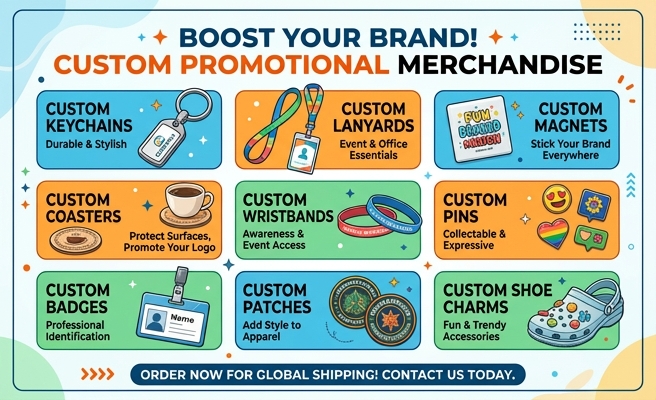
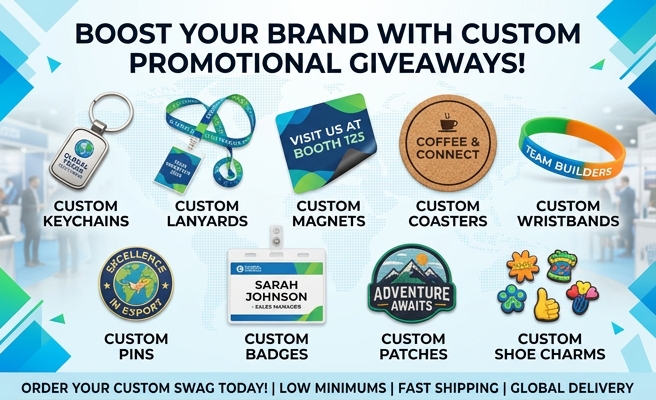
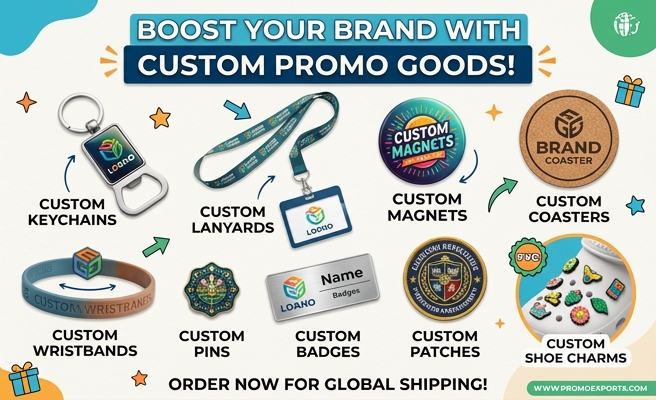
Silicone wristbands are flexible rubber-like bands that are worn like bracelets. They are often used for awareness campaigns, VIP gifting, multi-day events, member identification, fundraising, and brand merchandise. They are much more durable than Tyvek, but they are not inherently single-use unless paired with another control method.
What makes Tyvek different
Tyvek is built for quick issue and quick verification. Staff can peel, wrap, and secure a band in seconds. That matters when hundreds or thousands of guests arrive within a short window. The material resists light moisture and casual tearing better than standard paper, which is why it remains a staple for entry-level access control.
What makes silicone different
Silicone is built for comfort and lifespan. Attendees can wear it for days, weeks, or longer without the band falling apart. That gives it stronger after-event branding value. People often keep silicone bands, which turns the wristband into a souvenir, awareness tool, or piece of merchandise rather than a disposable ticket substitute.
“The best wristband is not the one with the longest feature list. It is the one that matches the pace, risk level, and guest expectations of the event.”
Best Use Cases for Each Wristband Type
Material choice should start with event reality. How long will guests wear the band? How much fraud risk do you face? Will attendees value the band after the event? Are you trying to move a line fast or leave a brand impression?
When Tyvek is the better fit
- Single-day festivals or school carnivals
- Bars and nightlife age-verification programs
- Water parks, fairs, and temporary attractions
- Large-volume admissions where speed is critical
- Budget-sensitive events with minimal souvenir value
When silicone is the better fit
- Awareness campaigns and nonprofit fundraising
- VIP packages or sponsor-branded giveaways
- Membership programs and community-building events
- Multi-day retreats where comfort matters
- Events that want attendees to keep wearing the band later
Cost, Security, and Branding Tradeoffs
The biggest mistake buyers make is comparing unit price without comparing operational value. Tyvek usually costs less per piece, especially in bulk. Silicone usually costs more, but it can deliver longer-term visibility and stronger perceived quality.
According to the UFI Global Exhibition Industry Barometer released in 2024, event organizers continued to prioritize operational efficiency and attendee experience as two of the most important post-recovery growth factors. That lines up with what wristband buyers are doing: they are no longer choosing only the cheapest option. They are choosing based on line speed, fraud reduction, and how branded touchpoints affect the guest experience.
Security is where Tyvek often pulls ahead for simple gate control. Once applied correctly, a standard adhesive Tyvek band is difficult to remove intact and pass to someone else. Silicone, by contrast, can be taken off and shared unless the event uses color coding, embedded tech, visible personalization, or an additional check-in system.
Branding is where silicone often wins. A debossed, embossed, printed, or color-filled silicone band can look premium and feel more intentional. It becomes part of the event identity. For youth culture, sports communities, wellness activations, and cause-based campaigns, that emotional lift matters.
Data from the Promotional Products Association International 2024 consumer research continued to show that useful, wearable promotional products tend to generate repeated impressions over time. Silicone bands fit that pattern better than disposable materials because recipients often keep them and wear them beyond the original event window.
Where Tyvek can fall short
Tyvek is not a premium-feeling product. It can look transactional if the design is weak or if color quality is poor. It also works best for short wear periods. At upscale conferences or high-ticket guest experiences, a basic Tyvek band may feel out of place unless used only behind the scenes for access segmentation.
Where silicone can fall short
Silicone is weaker for strict single-entry enforcement unless combined with staff checks or digital validation. It can also be overkill for short, budget-driven events. If your attendees are only staying for three hours and your goal is simply to validate admission, paying for silicone may not improve outcomes enough to justify the spend.
Side-by-Side Business Comparison
| Business Scenario | Tyvek Performance | Silicone Performance | Best Choice |
|---|---|---|---|
| County fair with 5,000 same-day attendees | Fast application, low cost, easy color coding | More expensive than needed, slower ROI | Tyvek |
| Nonprofit awareness walk with sponsor branding | Works for check-in but rarely kept afterward | Stronger keepsake value and sponsor visibility | Silicone |
| Nightclub age verification on busy weekends | Tamper-evident and efficient for door staff | Too reusable for strict age-control needs | Tyvek |
| Youth sports camp with week-long participation | May wear down over several days | Comfortable, durable, easy for team identity | Silicone |
How to Choose the Right Wristband
If your team is stuck between materials, use a decision process instead of debating preferences. The right answer usually becomes obvious once you map the event against duration, security, brand goals, and budget.
A practical selection process
- Define the wear time: a few hours, a full day, or multiple days.
- Score your fraud risk: low, medium, or high based on transfer potential.
- Set the guest experience level: functional, branded, or premium.
- Determine whether the band is disposable, collectible, or both.
- Review staff workflow at check-in and entry points.
- Match the wristband to your weakest operational point, not just your creative vision.
Questions worth asking before you order
Ask whether your attendees will sweat, swim, dance, or wear the band under jackets and bags. Ask whether different access tiers need to be visible from a distance. Ask whether sponsors want their branding seen only on event day or for weeks afterward. Small operational questions usually produce the smartest material choice.
Real-World Lessons from Best Patches
I worked with a regional summer festival through Best Patches that was trying to solve two different problems with one product. The organizers wanted low-cost admission control for general entry, but they also wanted a stronger branded item for sponsors and backstage passes. Their original idea was to issue silicone bands to everyone. On paper, that sounded more premium. In practice, it raised transfer concerns and pushed the budget higher than necessary.
We recommended splitting the program. General admission guests received color-coded Tyvek bands with sequential numbering for quick visual checks. VIP guests, staff leads, and sponsor representatives received custom silicone bands with a cleaner branded finish. The result was better than trying to standardize everything. Entry lines moved faster, sponsor visibility improved, and the client avoided overspending on thousands of bands that most attendees would wear for less than a day.
In another project, I saw the opposite lesson. A school fundraising campaign came to Best Patches focused entirely on low unit cost. They were leaning toward Tyvek because it was the cheapest option. But the event was tied to a month-long awareness drive, and student ambassadors planned to wear the bands throughout the campaign. We pushed back and recommended silicone because the purpose was not admission control. It was identity, participation, and repeat visibility. The silicone bands created a stronger sense of belonging, and teachers later reported that students kept wearing them even after the fundraiser ended.
“When clients tell us they need a wristband, we ask what job the wristband must do. Security, speed, fundraising, branding, or all four. That question changes the recommendation almost every time.”
Common Mistakes to Avoid
Good event teams can still make poor wristband decisions when they rush ordering or treat all bands as interchangeable. Tyvek and silicone solve different problems. Blending those categories creates avoidable friction.
Choosing on price alone
A lower piece price can become a higher total event cost if the wristband slows check-in, weakens fraud control, or misses branding opportunities that sponsors expect.
Ignoring attendee behavior
If guests are likely to remove the band and hand it off, silicone may not be enough on its own. If guests are likely to wear the band for several days, Tyvek may wear out or lose visual appeal too quickly.
Overdesigning the wrong material
Some organizers spend heavily on complex art for a band that will be worn only a few hours. Others choose ultra-basic printing for a silicone band that could have delivered long-term recall. Match design investment to lifespan and purpose.
Skipping comfort and fit considerations
Silicone bands come in different sizes and thicknesses. Tyvek bands need secure but comfortable placement. A band that irritates the wearer will be removed, which defeats the point of using it.
What Matters Most in 2026
The 2026 event market is more selective than it was a few years ago. Buyers want products that work operationally and still support a polished guest experience. That shift is also visible in broader research. Freeman’s 2024 event industry findings emphasized that attendees value experiences that feel intentional and friction-light. Even a small item like a wristband contributes to that perception because it is one of the first physical touchpoints attendees receive.
Another growing factor is sustainability scrutiny. Tyvek is often chosen because it uses less material per wearable unit and supports efficient, short-term use. Silicone can have a longer usage life, which may reduce waste if attendees keep and reuse it, but that depends on the event purpose and the quality of the design. There is no automatic sustainability winner. The better question is whether the product lifespan matches the intended use.
Customization quality also matters more in 2026 because event photos travel instantly across social platforms. A blurry print or generic color choice can make a well-run event look less organized. On the other hand, a cleanly branded wristband can improve visual consistency across staff, guests, sponsors, and photo backdrops.
For many brands, the future is not Tyvek versus silicone in an absolute sense. It is a layered strategy:
- Tyvek for general access and line efficiency
- Silicone for VIP, sponsorship, or awareness value
- Clear color systems for access tiers
- Better artwork standards for stronger visual identity
- Operational testing before full-scale production
Final Take and Next Actions
Tyvek is still the smart choice for fast, affordable, tamper-aware entry control. Silicone is still the better fit for comfort, retention, and stronger brand life after the event. Neither is universally better. The right material depends on whether your main goal is security, speed, keepsake value, or a mix of those outcomes.
Best Patches recommends three next actions for event buyers:
- Map your event by duration, risk, and attendee experience before requesting quotes.
- Order samples of both Tyvek and silicone if your event combines access control with promotional value.
- Build a wristband plan around actual guest behavior, not assumptions about what looks best in a mockup.
References
- UFI Global Exhibition Industry Barometer, 2024 edition — cited for event industry priorities around efficiency and attendee experience.
- Promotional Products Association International consumer research, 2024 — cited for the lasting impression value of wearable promotional items.
- Freeman event industry research, 2024 — cited for attendee expectations around intentional, low-friction event experiences.
FAQ
Which is better for custom event wristbands, Tyvek or silicone?
Tyvek is usually better for short-term admission control because it is affordable, fast to apply, and harder to transfer once sealed. Silicone is better for long wear, fundraising, giveaways, and brand visibility after the event.
Are Tyvek wristbands waterproof enough for outdoor events?
Yes, Tyvek wristbands handle light rain, sweat, and short-term outdoor use well. They are not the best option for extended multi-day wear or heavy repeated water exposure, but they perform reliably for most one-day outdoor events.
Can silicone wristbands be used for event security?
They can, but usually not as a stand-alone control method for high-risk entry. Silicone bands are removable, so they work best when paired with visual checks, tier colors, personalization, RFID, or a verified guest list.
How many custom event wristbands should I order for a festival?
A common rule is to order enough for expected attendance plus an extra 5% to 10% for staff errors, damaged bands, VIP additions, and late registrations. If you are using multiple access levels, break your estimate down by guest type rather than ordering one large batch only.
Do silicone wristbands cost more than Tyvek?
Yes, in most cases silicone wristbands have a higher unit cost than Tyvek. The tradeoff is that silicone offers better comfort, stronger perceived value, and longer-lasting branding, which can make the higher price worthwhile for some events.
What artwork works best on event wristbands?
Keep the design simple and readable. For Tyvek, bold colors, large text, and clear logos work best. For silicone, short slogans, strong brand colors, and debossed or printed marks usually create the cleanest result. Tiny text and overly detailed artwork often get lost.