 Promotional Products

Introduction
Corporate gifting got harder and more public at the same time. Harder, because procurement teams are squeezed on budgets and compliance. More public, because recipients post what they get—and what they don’t. That’s exactly why Custom Keychains are surging: they’re practical, highly personal, easy to ship globally, and flexible enough to fit almost any brand voice.
At Best Patches, we’ve watched the shift up close across HR, sales, and channel teams: the most effective gifts are no longer the “flashiest.” They’re the ones that feel intentional, travel well, and carry a brand story without screaming “promo.” Keychains hit that sweet spot when they’re designed with a modern trend lens and produced with real-world constraints in mind.
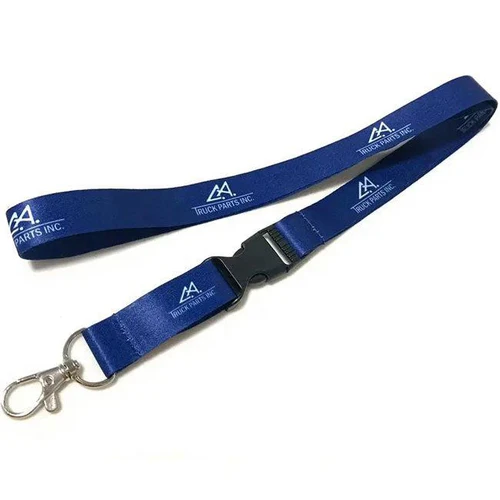
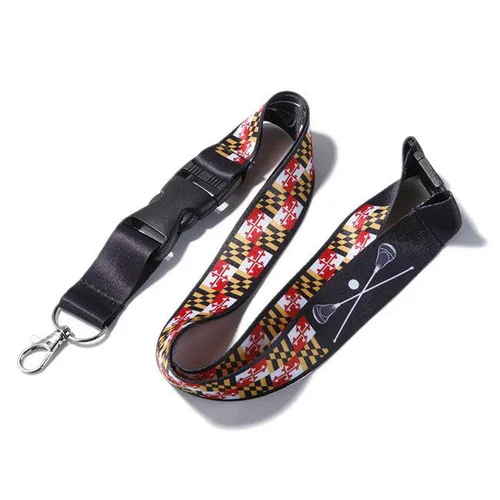
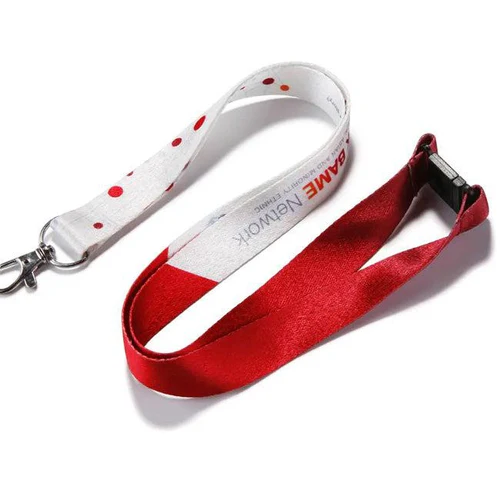
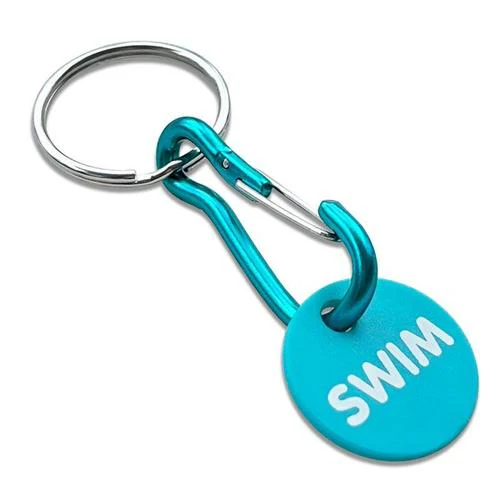
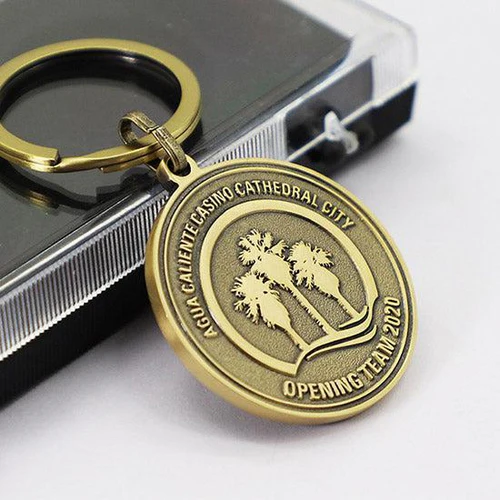
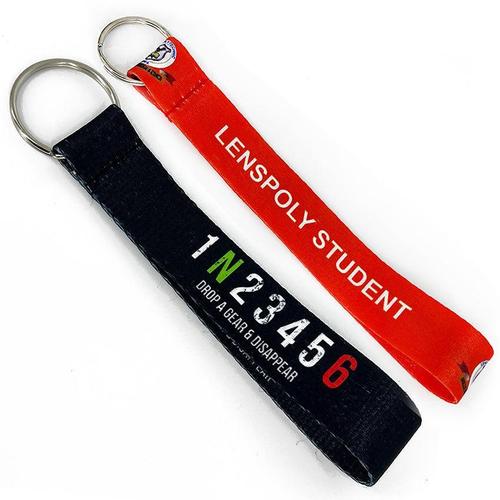
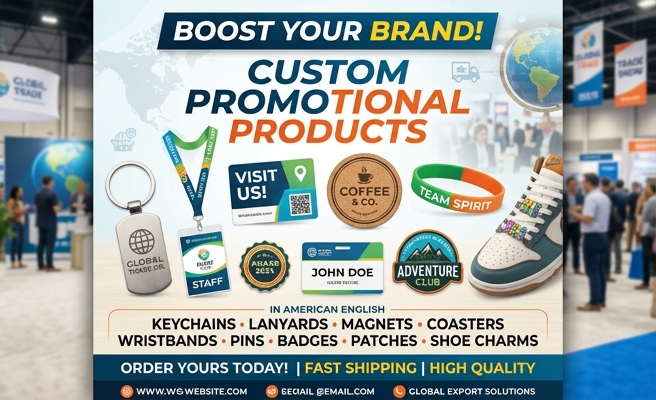
Custom keychains are branded or personalized key accessories made from materials like metal, acrylic, leather, silicone, or eco composites. They typically feature a logo, message, QR/NFC element, name, or campaign artwork—turning an everyday carry item into a consistent brand touchpoint.
What matters in 2026 is not whether keychains “work,” but which styles align with your audience, sustainability expectations, shipping realities, and measurable ROI. Below are the five trends we see driving the strongest outcomes for global corporate gifting—plus how to brief, source, and deploy them without the usual headaches.
Table of Contents
- Why Custom Keychains Win in Global Corporate Gifting
- Trend: Eco-Materials With Proof, Not Promises
- Trend: NFC and QR Keychains for Measurable Engagement
- Trend: Premium Minimalism and “Quiet Luxury” Hardware
- Trend: Hyper-Personalization at Scale
- Trend: Modular and Multi-Use Keychain Tools
- Comparison Table: Matching Keychain Styles to Use Cases
- How to Spec Custom Keychains for Global Programs
- Risks, Limitations, and How to Avoid Costly Mistakes
- Conclusion and Next Steps from Best Patches
- References
Why Custom Keychains Win in Global Corporate Gifting
Keychains do one thing better than most swag: they earn daily visibility without needing a lifestyle change. A hoodie is seasonal; a water bottle competes with favorites; a notebook gets used once then shelved. A well-made keychain stays attached to keys, bags, ID lanyards, and tech cases—especially in cities where commuting is back and hybrid work is normal.
They also solve modern distribution: small package, low damage risk, and easy consolidation across regions. When you’re shipping to multiple countries, anything that reduces volumetric weight and breakage is a strategic choice, not a small detail.
“The best corporate gifts don’t try to buy attention—they earn it with usefulness. A keychain is one of the few branded items that’s truly ‘everyday carry’ across industries.”
Trend: Eco-Materials With Proof, Not Promises
Sustainability expectations have matured. Recipients are skeptical of generic “eco-friendly” claims, and procurement teams increasingly require documentation for materials and processes. In 2026, the trend isn’t just recycled materials—it’s traceable choices that a brand can stand behind.
Common winners for corporate programs:
- Recycled metal (where available) with clear plating standards and corrosion testing.
- FSC-certified wood or responsibly sourced bamboo for warm, craft-forward aesthetics.
- Recycled acrylic or lower-VOC alternatives when vibrant color is non-negotiable.
- Cork and plant-based composites for lightweight, tactile “natural” branding.
According to IBM’s 2023 consumer research on sustainability, a meaningful share of consumers report willingness to pay a premium for products positioned as sustainable, and they care about transparency—not slogans. For gifting, the implication is simple: if you choose eco materials, be ready to explain them succinctly on a small insert card or landing page.
Design note: eco materials look best when the design is restrained. Overprinting can feel contradictory. Let grain, texture, and subtle engraving do the work.
Trend: NFC and QR Keychains for Measurable Engagement
Marketing leaders are demanding attribution from “offline” spend. That pressure is turning keychains into measurable campaign assets through NFC chips and durable QR applications.
Use cases that are working globally:
- Event follow-up: NFC tap opens a personalized thank-you page, session recordings, or a meeting scheduler.
- Employee onboarding: QR links to a welcome hub, benefits portal, or IT setup checklist.
- Channel incentives: Unique QR codes map gifts to partner tiers and unlock perks.
- Product education: Tap to open quick-start videos or warranty registration.
According to a 2024 report by Gartner on marketing analytics and measurement priorities, leaders continue to push for stronger linkage between spend and outcomes. NFC/QR keychains are a rare swag category where that linkage can be direct—if you plan tracking cleanly.
How to do NFC/QR without being creepy
Smart gifting can become surveillance if you’re careless. The fix is straightforward: keep tracking aggregate, disclose what the code does, and avoid linking to personal data unless recipients explicitly opt in.
- Use a simple landing page with clear context (“Tap to access your event resources”).
- Track scans/taps by campaign, not by person, unless consent is captured.
- Set a long redirect lifetime so the link still works months later.
- Provide a non-scan alternative (short URL) for accessibility and trust.
“If the experience after the scan feels like a pitch, you lose. If it feels like help, you win—and the brand recall sticks.”
Trend: Premium Minimalism and “Quiet Luxury” Hardware
Over-branded swag is getting filtered out—literally. People donate it. The 2026 look is premium minimalism: smaller logos, better materials, cleaner typography, and hardware that feels like it came from a lifestyle brand rather than a trade show bin.
What “quiet luxury” means for custom keychains:
- Matte metal finishes (gunmetal, brushed nickel, satin black) with subtle engraving.
- Leather or PU leather with debossing rather than loud printing.
- Edge quality and weight that signals durability.
- Packaging restraint: recyclable sleeve, minimal ink, no plastic clamshell.
According to a 2024 Deloitte consumer report on brand trust and experience-led loyalty, customers reward brands that feel consistent and respectful. In gifting terms, “respectful” often reads as: not oversized, not flashy, not wasteful—just well-made.
When premium minimalism is the wrong choice
If your brand is youth-forward, entertainment-driven, or built on bold visual identity, muted metal may underperform. For those audiences, acrylic, color pops, and playful shapes can create more shareable moments. The trend is “premium,” not “plain.”
Trend: Hyper-Personalization at Scale
Personalization used to mean printing a name. In 2026, it means creating a gift that looks like it was chosen for the recipient’s role, region, or milestone—without making production chaos.
High-impact personalization options that scale:
- Role-based variants: same base keychain, different icon set for engineers, sales, HR, etc.
- Locale-based design: region-specific colors or skyline silhouettes (avoiding stereotypes).
- Milestone callouts: “1 Year,” “5 Years,” “Founding Team,” “Speaker,” “Mentor.”
- Short personal note via variable print insert rather than modifying the product itself.
Case study from Best Patches: onboarding across three regions
I worked with an operations lead who needed a consistent onboarding kit for new hires in the US, Germany, and Singapore. They originally planned a box with a mug and snacks, then ran into customs issues, breakage, and wildly different delivery times.
We rebuilt the kit around a premium custom keychain with a subtle logo mark, plus a region-specific insert card and QR landing page. The keychain stayed identical across regions (simplifying quality control), while the card localized language and linked to the correct HR portal. The result was faster delivery, fewer exceptions, and a noticeably better unboxing experience—because it felt coherent instead of cobbled together.
Case study from Best Patches: sales spiffs that didn’t get resold
Another program was a quarterly sales spiff where recipients often resold the gifts. That’s a blunt signal: the item has low personal value. We shifted to personalized metal key tags with engraved initials and a minimalist campaign mark on the back. The resale dropped sharply, and reps started actually attaching them to bags and car keys—exactly the visibility the program was supposed to generate.
Trend: Modular and Multi-Use Keychain Tools
Recipients are ruthless about what stays in their pocket. Multi-use designs win because they justify the space. The key is to keep them travel-friendly and non-threatening for workplace and airport norms.
Popular multi-use directions:
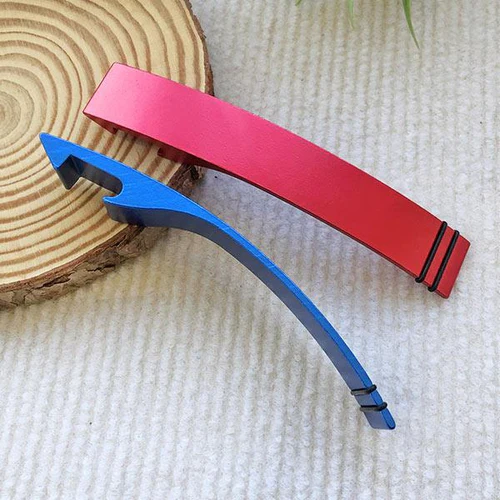
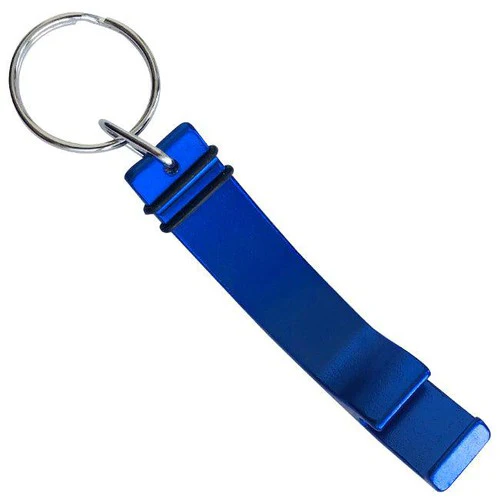
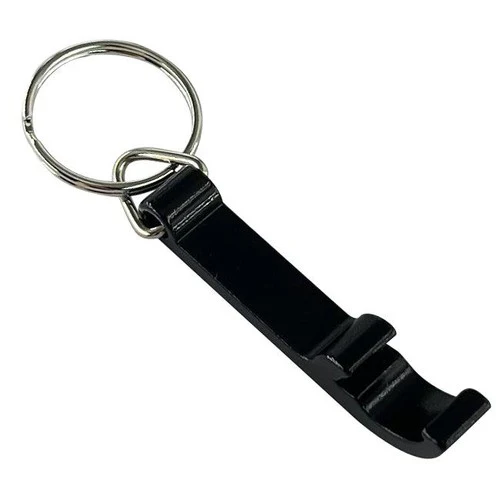
- Keychain + bottle opener (still strong for conferences, but choose tasteful form factors).
- Keychain + cable keeper for USB-C/charging cords.
- Keychain + mini flashlight (check battery shipping rules if sending internationally).
- Keychain + ID quick-release for security badge environments.
Modular systems are especially effective for long-term programs: a “base” keychain plus seasonal add-ons (charms, tags, or attachments) that correspond to achievements or campaigns. This builds collecting behavior—without asking people to store clutter.
Comparison Table: Matching Keychain Styles to Use Cases
| Keychain Type | Best For | Strength | Watch-Out |
|---|---|---|---|
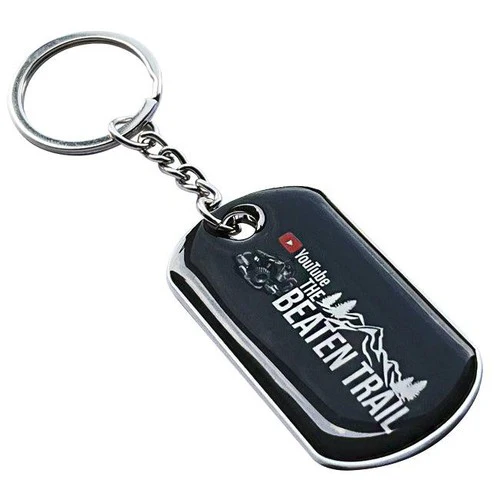
| Engraved metal key tag (zinc alloy/stainless) | Executive gifts, partner programs, employee anniversaries | Premium feel, long lifespan, subtle branding | Plating quality varies; request salt-spray/corrosion guidance |
| Acrylic die-cut charm (printed + epoxy) | Events, communities, universities, youth brands | Color impact, shareability, low unit cost | Scratches if coatings are weak; insist on protective film and QC |
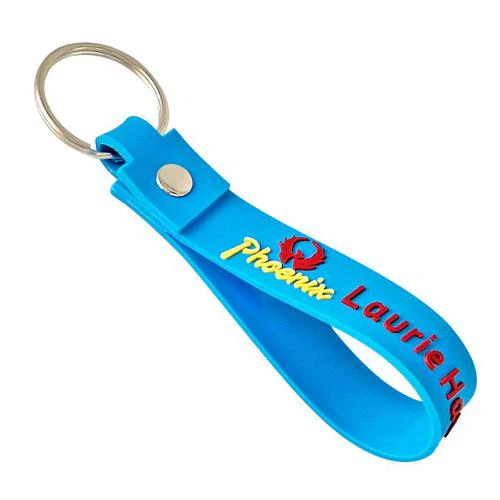
| Leather/PU strap keychain (debossed) | Client thank-yous, HR kits, premium brand alignment | “Quiet luxury” look, comfortable carry | Material sourcing and odor issues; request samples and compliance docs |
| NFC/QR smart keychain | Campaigns needing attribution, onboarding, conference follow-up | Trackable engagement, updatable destinations | Privacy optics; keep consent clear and avoid personal tracking by default |
How to Spec Custom Keychains for Global Programs
If you want fewer delays and fewer “this doesn’t match the sample” surprises, your spec needs to be tighter than most teams expect. The best results come from treating keychains like a small product, not a casual giveaway.
A practical step-by-step workflow
- Define the job-to-be-done: brand recall, event follow-up scans, retention milestone, partner status signal.
- Pick material based on environment: humid climates, coastal regions, heavy daily use, key scratching risk.
- Choose branding method: engraving for longevity; enamel for color; print for gradients; deboss for subtlety.
- Lock dimensions and weight: specify thickness, edge finish, and attachment hardware (split ring, carabiner, quick-release).
- Plan packaging and inserts: localized language, QR destination, compliance or care notes.
- Request pre-production samples: not just photos; physically test scratch resistance and clasp durability.
- Confirm compliance: REACH where relevant, CPSIA if distributing to children, and region-specific labeling needs.
- Build a QA checklist: logo legibility, color tolerance, burr-free edges, ring strength, and finish consistency.
Design details that separate “kept” from “tossed”
- Legibility: if your logo mark is complex, simplify for small formats.
- Touch points: avoid sharp corners; chamfer edges.
- Hardware: upgrade the ring and clasp first—this is where cheap feels cheap.
- Backside use: add a short line (mission, value, or URL) instead of leaving it blank.
Risks, Limitations, and How to Avoid Costly Mistakes
Custom keychains are high ROI when done right, but there are real failure modes—especially at global scale.
Common risks
- Finish degradation: poor plating can tarnish; printed acrylic can fade or scratch.
- Over-branding backlash: big logos reduce carry rate and can feel tone-deaf in certain cultures.
- Customs and shipping surprises: batteries, magnets, or certain coatings may trigger restrictions or extra paperwork.
- Privacy concerns: NFC/QR tracking can create distrust if messaging is vague.
- Inconsistent color: brand colors may vary across runs unless you define tolerances and proofing steps.
Mitigations that work in real programs
Use physical samples, specify finish standards, and build a simple durability test: scratch test (keys-in-pocket simulation), ring pull test, and quick exposure to humidity. Also, sanity-check design scale: print the artwork at 100% on paper, hold it at arm’s length, and confirm the mark reads.
Finally, don’t confuse “cheap to produce” with “cheap to manage.” If you’re shipping across multiple countries, paying slightly more for consistent packaging, lighter weight, and fewer breakages can reduce total program cost.
Conclusion and Next Steps from Best Patches
The top custom keychain trends for 2026 corporate gifting are clear: eco materials with credible proof, NFC/QR for measurable engagement, premium minimalism, scalable personalization, and modular multi-use designs. The throughline is practicality with intention—gifts that people actually keep, carry, and talk about.
If you want to put this into action quickly, here are next steps we recommend at Best Patches:
- Audit your current swag: identify which items get carried daily and replace low-retention items with one premium keychain option.
- Run a two-variant test: one “quiet luxury” metal/leather design vs. one bold acrylic design, then compare carry rate and feedback.
- Make it measurable: add a QR or NFC destination for campaigns where you need attribution, with transparent messaging and opt-in.
References
- Gartner (2024): Research and commentary on marketing measurement priorities and tying spend to outcomes, informing the case for QR/NFC-enabled gifting.
- IBM (2023): Consumer research on sustainability preferences and willingness to pay for sustainable options, supporting the shift from “eco claims” to transparency.
- Deloitte (2024): Brand trust and experience-focused consumer insights, relevant to the move toward premium minimalism and respectful branding in gifts.
FAQ
What are Custom Keychains in corporate gifting?
-
Custom Keychains are branded or personalized key accessories (metal, acrylic, leather, wood, and more) used as employee, client, or event gifts. In corporate programs, they work best when they’re practical, well-made, and designed to be carried daily—so your brand earns repeated exposure without feeling pushy.
What is the best material for corporate custom keychains?
-
For a premium, universal fit, engraved metal (stainless steel or zinc alloy) is the safest bet. For bold visuals and event energy, acrylic die-cut performs well. For a “quiet luxury” look, leather or PU straps with debossing feel elevated. If sustainability is central, consider FSC-certified wood or cork—just pair it with transparent sourcing notes.
Are NFC or QR keychains worth it for global campaigns?
-
Yes—when you need measurable engagement from offline gifting. NFC/QR keychains can drive recipients to event hubs, onboarding pages, or meeting schedulers and let you track scans/taps by campaign. The key is to keep privacy optics clean: explain what the code does, avoid personal tracking by default, and provide a short URL as a fallback.
What minimum order quantity should I expect for custom keychains?
-
Many manufacturers set MOQs in the 50–200 range for custom runs, but it varies by material and process (engraved metal vs. acrylic print vs. leather). If you need smaller quantities, ask about digital printing, shared molds, or paying a setup fee for a short run—just confirm quality controls so the smaller run doesn’t look like a compromise.
How do I make sure a keychain doesn’t feel cheap?
-
Focus on the parts people touch: hardware quality (split ring, clasp), edge finishing (no sharp burrs), and branding method (engraving/debossing lasts). Also request a physical pre-production sample and test it the way recipients will: pocket abrasion, key scratching, and quick humidity exposure.
What artwork file format should I provide to a keychain supplier?
-
For the cleanest production, provide vector files like .AI or .SVG (best for engraving, die-cut outlines, and crisp logos). If you’re using printed art, a transparent .PNG at high resolution is common. Ask your supplier to confirm requirements, and outline fonts to prevent substitution issues.
How long does it take to produce and ship custom keychains internationally?
-
Timelines depend on material, personalization, and sampling. A common planning range is 2–4 weeks for production after approval, plus shipping time based on method and destination. If your program is global, add buffer for customs clearance and consider consolidating shipments by region to reduce exceptions.
What should I avoid putting on a corporate keychain design?
-
Avoid oversized logos, tiny unreadable text, and anything that can create compliance or cultural issues (sensitive slogans, unlicensed artwork, or region-specific symbols that can be misread). Keep it simple, durable, and respectful—then use inserts or QR destinations for detailed messaging.