Nylon vs Polyester Custom Lanyards: 2026 Buying Guide
Introduction
If you are comparing Custom Lanyards for an event, corporate team, school, or retail program, the nylon-versus-polyester decision affects more than looks. It changes comfort, print quality, durability, cost, and how your brand feels in someone’s hand every day. Best Patches works with organizations that want lanyards to do real work: hold badges securely, represent the brand well, and survive repeated use without fraying, fading, or feeling cheap.
The wrong fabric choice can create avoidable problems. A glossy finish may look premium in photos but show wear too quickly. A softer weave may feel better around the neck but not deliver the sharp detail your artwork needs. If you are ordering at scale, those trade-offs become expensive fast.
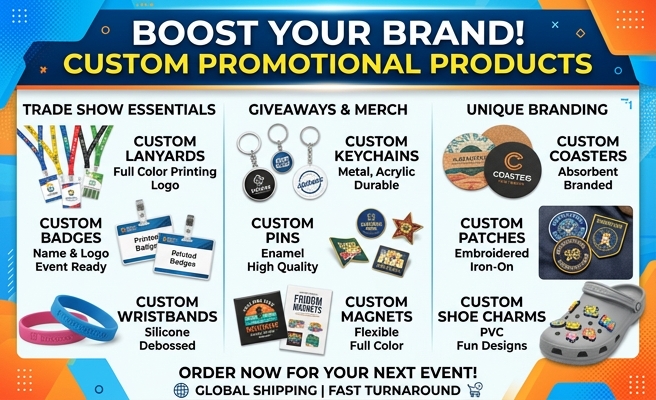
Custom Lanyards are branded neck straps made to carry IDs, badges, keys, access cards, or small tools while displaying a logo, slogan, or event design. Nylon lanyards are typically smoother and shinier, which helps them stand out, while polyester lanyards are usually more matte, soft, and budget-friendly. The best choice depends on how you balance presentation, comfort, and long-term use.
At Best Patches, we see this choice come up most often when a buyer needs one product to serve multiple goals: brand visibility, staff comfort, and cost control. The good news is that the answer is rarely mysterious once you match the material to the use case.
Table of Contents
What Nylon and Polyester Actually Mean for Lanyards
How Each Material Feels, Prints, and Wears
Nylon vs Polyester at a Glance
Which Material Works Best for Different Industries
Cost, MOQ, and Order Planning
Design Tips That Improve Brand Impact
Risks, Limitations, and Common Mistakes
Best Patches Case Studies
How to Choose the Right Material
Conclusion
References
FAQ
What Nylon and Polyester Actually Mean for Lanyards
Nylon and polyester are both synthetic fibers, but they behave differently when woven into lanyards. Nylon usually has a smoother hand-feel and a subtle sheen, which gives it a more polished look. Polyester tends to have a flatter finish and is often easier to keep within a tighter budget. That difference matters because the material affects not just appearance but also how well the logo reproduces and how the lanyard holds up under frequent use.
For buyers, the practical question is simple: do you want a more premium-feeling product or a more economical workhorse? Nylon is often selected for executive events, VIP access, retail merchandising, and high-visibility branding. Polyester is often favored for schools, nonprofits, conferences, warehouses, and internal staff programs where function and volume matter more than gloss.
Where the materials diverge
- Texture: Nylon feels smoother and slightly silkier; polyester usually feels more matte and familiar.
- Appearance: Nylon reflects more light, which can make colors pop; polyester looks more understated.
- Print behavior: Nylon can support crisp, vibrant decoration, while polyester is often easier for clean, consistent everyday branding.
- Budget impact: Polyester is usually the more affordable option for large runs.
“The best lanyard is the one that matches how people will actually use it. A premium-looking material is wasted if the team wears it for 10 hours a day and hates the feel.” — Best Patches production consultant
How Each Material Feels, Prints, and Wears
Comfort is not a minor detail. If a lanyard scratches, twists, or irritates the neck, people stop wearing it correctly. That hurts both security and brand exposure. Nylon usually wins on perceived premium quality because it drapes well and has a smoother finish. Polyester can still be comfortable, but it is more commonly chosen because it is practical rather than luxurious.
On the printing side, both materials can produce strong results, but the visual outcome differs. Nylon’s sheen can create a richer look for bold logos and event graphics. Polyester is often preferred when you want a clean, straightforward brand presentation without the gloss. According to a 2025 market outlook from Grand View Research, demand for promotional textile products continues to favor materials that balance durability and affordability, especially for recurring business and event use.
Durability in real-world use
Both fibers are durable, but they age differently. Nylon can feel more upscale, yet it may show surface wear if the product is used heavily and stored carelessly. Polyester is commonly selected for repeat-use environments because it tends to be dependable and cost-effective for replacement cycles. If your lanyards will be worn daily, exposed to friction, or used in a fast-moving workplace, polyester may be the safer operational choice.
Print quality and brand presentation
Color accuracy matters when your logo is part of a larger system. A black logo on a bright red lanyard can look completely different depending on the material finish. Glossy nylon often delivers stronger contrast in photos and on stage. Matte polyester can be easier to read under fluorescent lighting, which is useful for school campuses, hospitals, and warehouse operations.
Pro Tip: Request a physical swatch or sample run before approving a large order. Fabric sheen can make a logo look lighter or darker than it does on screen, and that is one of the most common reasons buyers regret their first batch.
Nylon vs Polyester at a Glance
| Material | Best Use Case | Typical Strength | Main Trade-Off |
|---|---|---|---|
| Nylon | VIP events, retail launches, premium corporate branding | Shiny finish, smooth feel, elevated presentation | Usually costs more and can look too glossy for some brands |
| Polyester | Schools, conferences, internal staff, nonprofits | Budget control, solid durability, matte look | Less premium appearance than nylon |
| Woven polyester | Long-term daily wear programs | Stable structure and dependable branding | Less visual impact than fully glossy options |
| Printed nylon | High-visibility marketing campaigns | Bright color reproduction and premium feel | Can be overkill for budget-sensitive orders |
Which Material Works Best for Different Industries
There is no universal winner. The right choice depends on how the lanyard fits into the buyer’s workflow. For a tech conference, a nylon lanyard can reinforce the premium feel of the event and make sponsor logos appear more polished. For a school district, polyester is usually a better fit because staff and students need practical, durable, replaceable products at scale.
In healthcare, comfort and readability often matter more than sheen. In manufacturing or logistics, the key issues are safety, replacement cost, and daily durability. In retail, the lanyard can act as a mini billboard, which is where nylon often earns its keep. According to a 2024 Deloitte consumer and brand experience trend report, physical brand touchpoints remain important when businesses want memorable, repeat interactions rather than one-time impressions.
Best-fit scenarios
- Corporate events: Nylon for executive badges and sponsor-facing visibility.
- Schools and universities: Polyester for staff IDs, student passes, and budget planning.
- Healthcare: Polyester for easy replacement and all-day wear.
- Retail and hospitality: Nylon for premium branding and front-of-house presentation.
- Warehousing and logistics: Polyester for frequent replacement and operational efficiency.
“When the lanyard is part of the uniform, the material is part of the brand system. You are not just buying fabric; you are deciding how your company shows up every day.” — Best Patches account manager
Cost, MOQ, and Order Planning
Price is often the deciding factor, but buyers should not stop at the unit cost. Total value includes how long the lanyard lasts, how often it needs replacing, and whether the finish supports your branding goals. Polyester is generally the stronger option for tight budgets, especially when you need a large quantity for an event or organization-wide rollout. Nylon is more expensive, but the premium look can justify the spend when presentation is strategic.
In 2024 and 2025, procurement teams have increasingly focused on lifecycle thinking rather than the lowest sticker price. That means a lanyard that costs a little more but lasts longer or performs better can be the better business decision.
Order-planning checklist
- Define the primary use: daily wear, event branding, or VIP presentation.
- Choose the finish based on how visible the lanyard must be.
- Confirm logo placement and readability on the chosen fabric.
- Request artwork proofing with the exact PMS or brand colors if needed.
- Compare replacement cost over the expected lifespan, not just the first invoice.
Real pricing logic buyers should use
If you need 500 lanyards for an annual conference, the difference between nylon and polyester may be acceptable because the event is brand-sensitive and short-term. If you need 5,000 lanyards for employees over the next 12 months, polyester may save meaningful budget without hurting function. That is especially true when the lanyard is part of a broader ID badge or access-control system.
Design Tips That Improve Brand Impact
The best material still needs smart artwork. Small logos, fine text, and low-contrast color combinations can get lost no matter which fabric you choose. Nylon’s shine can make bright colors feel more vibrant, but it can also exaggerate weak design choices. Polyester’s matte finish can improve readability, yet it may flatten visual energy if the artwork is too subtle.
What works best on each material
- On nylon: bold typography, simple logos, high-contrast colors, sponsor marks.
- On polyester: clean branding, repeated text, functional layouts, staff identification.
- For both: avoid overly thin fonts, crowding, and tiny icon details.
Pro Tip: Use the lanyard as a branding surface, not a billboard. The strongest designs usually repeat a logo or short phrase in a consistent rhythm rather than trying to fit every message onto one narrow strip of fabric.
When to add accessories
Breakaway clasps, badge reels, swivel hooks, and buckle releases can improve safety and usability. For schools, hospitals, and active workplaces, a breakaway feature is often worth the small added cost. If your audience needs frequent badge scanning, a detachable buckle can keep the badge accessible without removing the entire lanyard.
Risks, Limitations, and Common Mistakes
Each material has drawbacks, and ignoring them leads to poor outcomes. Nylon’s premium sheen can be too reflective for brands that want a subdued, utilitarian feel. It can also cost more than necessary for internal use. Polyester, meanwhile, can feel less elevated in customer-facing settings if the design is not strong enough to compensate.
The biggest mistake is choosing based on habit. Many buyers default to what they ordered last year, even when the audience, budget, or event format has changed. Another common issue is approving artwork without checking how the fabric affects contrast. A logo that looks crisp on a monitor may lose legibility on a textured or shiny surface.
- Risk with nylon: premium look can exceed the actual need and inflate budget.
- Risk with polyester: may underdeliver in high-end client-facing environments.
- Risk with both: poor design proofing can ruin readability.
- Risk with both: choosing the wrong attachment for the user environment.
Best Patches Case Studies
I worked with a midsize trade show organizer that needed 3,000 lanyards for exhibitors and VIP guests. Their first instinct was polyester because of budget pressure. After reviewing their floor plan, photo strategy, and sponsor commitments, we recommended nylon for the VIP tier and polyester for general staff. That split approach kept costs under control while improving the perceived value of the premium badges. The sponsor team later told us the nylon lanyards photographed better and helped elevate the event’s overall presentation.
In another project, I helped a regional healthcare network replace mixed-quality lanyards across multiple clinics. Their original order had inconsistent finishes, and staff complained that some straps felt rough while others wore out too quickly. We standardized the program on polyester with breakaway clasps and simplified artwork. The result was not just a cleaner look; it also made reordering easier and reduced internal complaints about comfort and wear.
What these projects taught us
Material decisions work best when they align with user behavior. If the lanyard is worn all day and replaced often, consistency and price stability matter. If it appears in photos, sponsor decks, or client-facing spaces, presentation can outweigh a slightly higher cost. Best Patches uses that logic to help buyers avoid overbuying premium features they do not need or underbuying quality where it will be noticed most.
How to Choose the Right Material
Use this simple decision framework if you are stuck between nylon and polyester for Custom Lanyards. It will usually point you to the right answer within a few minutes.
- Choose nylon if presentation matters most, such as for executive events, premium retail, or sponsor-heavy programs.
- Choose polyester if you need broad distribution, frequent replacement, or strict budget control.
- Choose nylon if your artwork benefits from a glossy, polished surface.
- Choose polyester if readability and practical everyday use matter more than shine.
- Choose based on audience behavior rather than habit, because wear patterns and expectations change over time.
According to a 2024 report from Gartner on procurement priorities, organizations are placing more emphasis on vendor reliability and purchase efficiency, which is exactly why a clear materials decision matters. When the buying process is clean, reorders are simpler and internal approvals move faster.
Conclusion
Nylon and polyester each solve different problems. Nylon is the stronger choice when the lanyard needs to look elevated, catch attention, and support premium brand positioning. Polyester is usually the better choice when you need dependable performance, lower cost, and practical everyday wear. The best answer is the one that matches the job the lanyard has to do.
Best Patches recommends three next steps: request samples in both materials, compare them under your real lighting conditions, and evaluate the design proof on the exact product you plan to order. If you are buying for multiple groups, consider a tiered approach with nylon for VIP or customer-facing teams and polyester for general staff.
References
Grand View Research: Provided market context on demand for durable, cost-effective promotional textile products in recent years.
Deloitte: Informed the discussion of physical brand touchpoints and customer experience strategy.
Gartner: Contributed procurement-focused insight on vendor reliability and purchasing efficiency.
FAQ
What is the difference between nylon and polyester custom lanyards?
-
Nylon usually has a shinier, smoother finish and feels more premium, while polyester is typically more matte, practical, and budget-friendly. The better option depends on your branding goals, comfort needs, and order volume.
Which material is better for event branding?
-
Nylon is often better for event branding because its sheen can make logos and colors stand out more in photos, stage lighting, and sponsor displays.
Are polyester lanyards durable enough for daily use?
-
Yes. Polyester lanyards are widely used for staff, school, and operations programs because they hold up well under regular wear and can be replaced affordably when needed.
Can Custom Lanyards be ordered with breakaway clasps?
-
Yes, many custom lanyards can include breakaway clasps. They are especially useful in schools, healthcare, and active workplaces where safety matters.
Which material is best if I want a premium look?
-
Nylon is usually the stronger choice for a premium look because of its smoother texture and light-reflective finish. It tends to feel more upscale in customer-facing settings.
How do I choose the right Custom Lanyards for my team?
-
Start with the use case. If the lanyards are for daily wear and replacement efficiency, polyester is usually best. If they need to support a premium event or high-visibility branding, nylon is often the better fit.
Do nylon lanyards cost more than polyester?
-
Yes, nylon is usually more expensive because it has a more refined finish and is often selected for higher-end branding programs. Polyester generally offers better cost control for larger orders.