Custom Lanyards 2026: Check These 3 Buying Details
Buy Smarter Before Your Logo Goes to Print
Custom Lanyards look simple until a rushed order shows up with blurry text, weak clips, or colors that do not match your brand. That is where most buyers lose money. They focus on price per piece, but the real cost usually comes from reprints, event delays, badge failures, or a product that people stop wearing after one day.
At Best Patches, we have seen the same pattern across trade shows, schools, healthcare systems, nonprofits, and corporate teams: the best lanyard orders are not the cheapest ones. They are the orders where the buyer checks three details early, aligns the design with the use case, and asks better production questions before approving the proof.
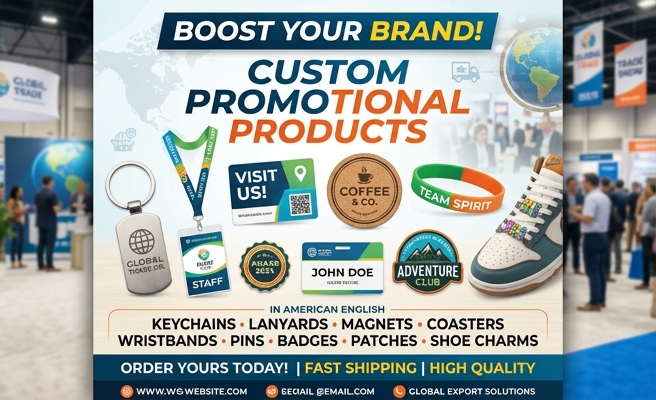
Custom lanyards are branded neck straps used to hold ID badges, keys, access cards, whistles, or event passes. Businesses and organizations use them because they combine visibility, utility, and security in one low-cost item.
If you are ordering for employees, conference attendees, volunteers, or retail customers, the right lanyard should do more than carry a badge. It should reinforce your brand, feel comfortable for long wear, and hold up under real daily use.
Table of Contents
- Why Small Lanyard Mistakes Turn Expensive Fast
- The Three Details That Matter Most
- Material and Attachment Choices by Real Use Case
- How Print Quality Changes Brand Perception
- Safety, Compliance, and Wearability Risks
- What We Learned at Best Patches From Client Orders
- How to Review a Proof Before Production
- Cost, Lead Time, and MOQ Tradeoffs
- What to Do Next
- References
Why Small Lanyard Mistakes Turn Expensive Fast
A custom lanyard order usually fails in one of three ways: the material feels wrong, the imprint looks weak, or the hardware does not match the job. Buyers tend to notice these issues only after the cartons arrive. By then, the event date is close, the badges are already printed, and there is no time to start over.
That is why the buying process matters as much as the final product. According to the Advertising Specialty Institute’s 2024 Ad Impressions study, people tend to keep promotional products that are useful, and utility is one of the strongest drivers of repeat brand exposure. Lanyards sit right in that category. If they are comfortable and functional, they stay in rotation. If they twist, fray, or feel cheap, they disappear into a drawer.
There is also a perception issue. A lanyard may be a small item, but it often sits directly under the wearer’s face. At check-in counters, concerts, hospitals, and trade booths, it becomes part of the visible brand system. A faded logo or rough edge does not just look minor; it can make the whole operation feel less organized.
The Three Details That Matter Most
Material Fit
The first detail is the substrate itself. Polyester, nylon, tubular, woven, and dye-sublimated options all behave differently. The wrong material can make a good design look average. Smooth polyester often works well for vibrant full-color printing, while woven styles suit simpler logos with a more textured, premium feel. Tubular lanyards are often chosen for budget campaigns, but they are not always the best choice for a polished corporate setting.
What buyers miss is that material affects comfort, color reproduction, edge finish, and durability at the same time. A lanyard used in a hospital, warehouse, or school should be judged differently from one used at a two-day expo.
Print Legibility
The second detail is whether your branding can actually be read while worn. Tiny taglines, low-contrast color combos, and oversized artwork often look fine on a digital proof but fail on the finished strap. The strap curves, moves, and folds. That changes how much of your message is visible in real life.
If the goal is recognition, the logo and one supporting element are often enough. If the goal is access control, then department color coding and role labeling may matter more than visual flair.
Hardware Match
The third detail is attachment hardware. This is where practical failure happens. A standard swivel hook may work for event badges, but it is not ideal for heavier key bundles. A breakaway clasp may be essential in schools, healthcare, and manufacturing because it reduces snagging risks. Buckle releases can help users remove cards without taking the lanyard off, which matters for offices with repeated scans.
When a buyer chooses hardware based only on what is cheapest, the lanyard can become annoying or unsafe to use. That is usually when replacement requests begin.
“The best lanyard is the one the user forgets about because it does its job so well. Comfort, readability, and attachment security matter more than decorative extras.”
Material and Attachment Choices by Real Use Case
Not every lanyard should be built the same way. A school ordering staff IDs has different needs than a gaming convention selling branded merch. Start with the environment, then work backward to material and hardware.
| Organization Type | Best Material | Recommended Attachment | Why It Works |
|---|---|---|---|
| Corporate offices | Dye-sublimated polyester | Swivel hook with buckle release | Clean branding, strong color fidelity, easy badge scanning |
| Hospitals and clinics | Soft polyester with antimicrobial preference if available | Breakaway clasp and detachable buckle | Safer for patient-facing movement and frequent card use |
| Trade shows and conventions | Full-color sublimated polyester | Bulldog clip or swivel hook | High visual impact and fast bulk production |
| Schools and universities | Tubular or polyester | Breakaway clasp with key ring option | Budget friendly while supporting safety and daily wear |
Here are the attachment features worth comparing before you approve your order:
- Breakaway clasps for safety-sensitive settings
- Detachable buckles for frequent scanning or quick access
- Bulldog clips for wider badge holders
- Swivel hooks for general badge and key use
- Split rings when keys are the main use, not credentials
According to Deloitte’s 2024 Gen Z and Millennial Survey, younger employees and consumers continue to place more weight on sustainability and responsible sourcing in the products they use and receive. That does not mean every order needs a premium eco line, but it does mean recycled polyester and lower-waste packaging can strengthen brand perception when your audience cares about those signals.
How Print Quality Changes Brand Perception
Most buyers judge print quality by color alone. That is too narrow. Print quality also includes edge sharpness, repeat spacing, seam handling, backside treatment, and whether the logo remains readable while the strap hangs naturally. On a narrow strap, even a good logo can fail if the spacing is too tight or the contrast is weak.
The most common artwork problems we see are predictable:
- Logos placed too close to the edge
- Light text printed on bright backgrounds
- Taglines reduced below comfortable reading size
- Overly complex gradients on low-cost materials
- Mismatch between Pantone expectations and RGB artwork files
If your brand team cares about consistency, ask whether the supplier uses Pantone matching guidance, what tolerance range is acceptable, and how they handle repeated logos at the seam. A professional answer here tells you a lot about whether the vendor is set up for serious branded work or just low-friction bulk output.
“A lanyard is not a flyer. You do not have much room, so each visual choice carries more weight. Fewer elements usually create stronger recall.”
Safety, Compliance, and Wearability Risks
Not every lanyard purchase is about aesthetics. In many organizations, safety and function come first. Schools, labs, factories, warehouses, and hospitals need buyers to think about snag hazards, emergency release features, and attachment strength.
One overlooked issue is overloading. A lanyard built for an ID badge may fail early if employees clip on multiple keys, a sanitizer holder, and a retractable reel. Another issue is skin comfort. Rougher textures can irritate users who wear lanyards all day, especially in warm climates or active work environments.
From a data protection angle, there is also the visibility problem. Some badge setups expose names, roles, or access levels in public-facing spaces. IBM’s 2024 Cost of a Data Breach Report emphasized that organizations continue to pay heavily for preventable security gaps, and physical access management still matters alongside digital controls. That does not mean lanyards are a cybersecurity product, but it does mean the badge-and-lanyard system should support good access discipline rather than casual exposure.
For sensitive workplaces, ask these questions before ordering:
- Will users wear the lanyard all day or only during events?
- Does the environment require breakaway safety?
- Will the attachment hold badges only, or badges plus keys and tools?
- Do you need color coding by department or access level?
- Will the badge need to detach for scanning or door access?
What We Learned at Best Patches From Client Orders
I have worked on branded accessory orders where the buyer came in focused entirely on per-unit cost, and I have rarely seen that lead to the best result. One of our Best Patches clients, a regional healthcare group, originally wanted a low-cost tubular style for a multi-site staff rollout. On paper, the savings looked good. But once we reviewed their workflow, the issue was obvious: staff members would be tapping ID cards dozens of times a day, moving between patient rooms, and wearing the lanyards through long shifts.
I recommended a softer polyester custom lanyard with a detachable buckle and breakaway clasp instead. It was not the cheapest option, but it solved two daily friction points immediately. The staff could detach badges without removing the strap, and the breakaway feature reduced snag concerns in fast-moving clinical spaces. After the pilot batch, the client reordered because the wear experience was better and replacement complaints dropped.
In another case, I worked with an event organizer who wanted a dense full-color design with sponsor logos, the event name, a hashtag, and a gradient background. The digital mockup looked exciting, but the strap width could not support all that information. We cut the message down, enlarged the event name, and moved sponsor recognition to the badge insert instead. The final custom lanyards looked cleaner, photographed better, and sold more reliably as merchandise onsite.
Those two jobs reinforced the same lesson: buyers do better when they treat lanyards as functional branded tools, not just printable straps.
How to Review a Proof Before Production
A strong proof review process prevents most avoidable problems. Do not approve a lanyard design just because the logo is technically present. Review it as if you were the person wearing it all day.
Use this quick approval method:
- Check the actual strap width and compare it to the logo scale.
- Confirm whether the print is one-sided or two-sided, and whether both sides read the same direction.
- Review color expectations, especially if brand standards require close Pantone alignment.
- Confirm hardware type, finish, and placement.
- Ask where the seam falls and whether artwork will be interrupted.
- Verify safety features such as breakaway clasps or detachable buckles.
- Request a pre-production photo or sample if timing and budget allow.
This process sounds basic, but it filters out the most common issues before production starts. It also gives your supplier less room to interpret vague instructions.
Cost, Lead Time, and MOQ Tradeoffs
The cheapest quote is often built on narrow assumptions: standard hardware, standard width, standard packaging, and a longer production window. Once you change any of those variables, the quote changes too. That is normal. What matters is whether you know which variables are driving the price.
These factors usually affect your final cost the most:
- Material type and print method
- Order quantity and MOQ
- Custom hardware or multiple attachments
- Rush production timelines
- Individual packaging or kitting requirements
- Color matching expectations and proofing complexity
If your order is for a major event, build in extra time. Freight delays, proof revisions, and internal approvals often create more trouble than factory production itself. For repeat corporate programs, it can be smarter to standardize one or two lanyard specs and reorder consistently rather than reinvent the item for every department.
There is also a strategic reason to avoid over-customization. If too many small elements are added, you can end up paying more for a lanyard that performs worse. Better branding usually comes from disciplined design choices, not maximum decoration.
What to Do Next
The smartest custom lanyard orders come down to three checks: choose the right material for the real use case, make sure the branding is readable at actual size, and match the hardware to how people will wear and use the item. When those three details are aligned, your order is far more likely to look professional, last longer, and avoid unnecessary reprints.
Best Patches recommends these next actions before you place an order:
- Ask for a spec review based on your environment, not just your artwork.
- Test logo visibility at final strap width before approving production.
- Choose safety and attachment features based on real user behavior, especially for schools, healthcare, and high-traffic events.
References
- Advertising Specialty Institute, 2024 Ad Impressions Study — provided insight into how utility helps promotional products stay in circulation and extend brand exposure.
- Deloitte, 2024 Gen Z and Millennial Survey — supported the point that sustainability expectations continue to influence younger audiences and employee perception.
- IBM, 2024 Cost of a Data Breach Report — reinforced the broader importance of physical access discipline and secure identity handling in organizations.
FAQ
What are the best materials for Custom Lanyards?
-
It depends on how they will be used. Polyester is the most versatile for full-color branding and everyday wear. Nylon gives a smoother, slightly more premium look. Tubular lanyards are budget friendly for events, while woven styles work well for simple logos that need texture and durability.
What width should I choose for a branded lanyard?
-
Most buyers choose between 15mm and 20mm. A 15mm strap is common for simple logos and lighter badge use. A 20mm strap gives more room for readability and often feels more substantial. If your artwork includes small text, going wider usually helps.
Should lanyards have a breakaway clasp?
-
In many settings, yes. Breakaway clasps are especially useful for:
Schools and universities
Hospitals and clinics
Warehouses and manufacturing floors
Any environment where snagging could create a safety issue
How much do custom lanyards usually cost?
-
Pricing varies by material, quantity, attachments, and turnaround time. A rough bulk range is:
Basic tubular styles: lower-end pricing for simple event use
Dye-sublimated polyester: mid-range with strong branding flexibility
Premium nylon or specialty builds: higher pricing for polished presentation or custom hardware
Rush orders: usually cost more due to tighter production windows
What file format should I send for lanyard artwork?
-
Vector files are usually the best option. Recommended formats include:
.AI or .SVG for clean scalable artwork
.PDF if vector content is preserved
.PNG at high resolution for simpler art
Convert text to outlines when possible to avoid font issues
Do lanyard suppliers usually have minimum order quantities?
-
Yes, most manufacturers set MOQs, especially for fully custom production. The exact number depends on the material and print method. Smaller sample runs may be possible, but the per-unit price is usually much higher than a standard bulk order.