Custom Keychains 2026: 4 Hidden Bulk Costs Draining Budgets
Introduction
Ordering Custom Keychains in bulk feels like a simple win: lower unit costs, fast giveaways, and easy branding. But if you’ve ever opened a shipment and thought, “Why does this look cheaper than the proof?” or “How did this invoice grow by 35%?”, you already know the truth—bulk pricing is only the beginning.
The biggest money leaks usually don’t show up on the product page. They show up later, as rework, delays, replacement orders, customer complaints, and a pile of “small” fees that add up to real margin loss. At Best Patches, we see these problems constantly—often from brands that did everything “right” but didn’t plan for the hidden costs baked into bulk production.
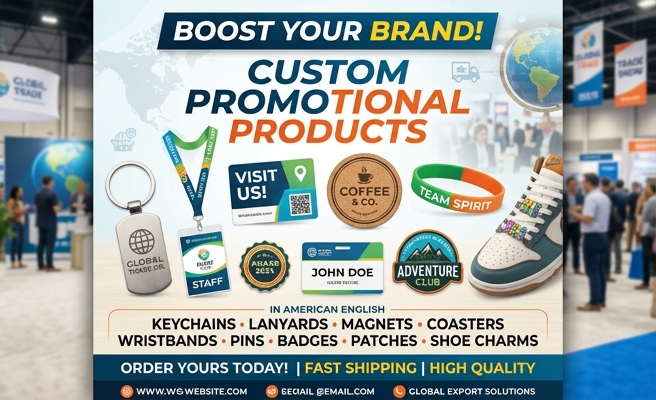
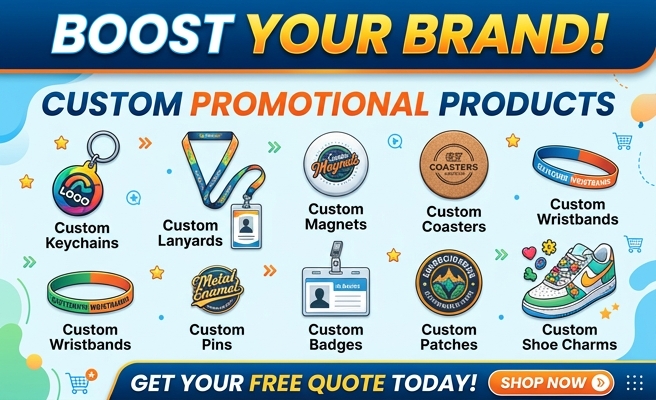
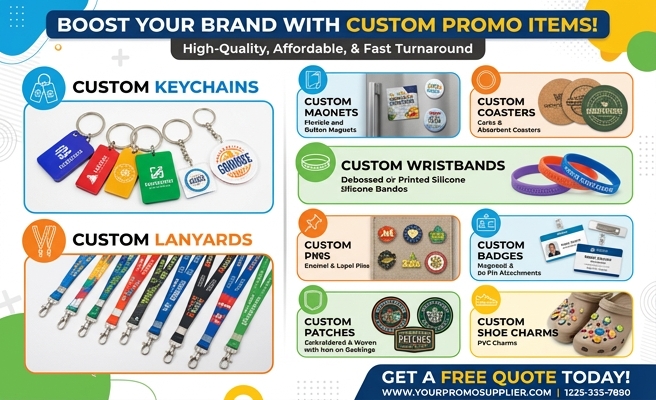
Custom keychains are branded keyring accessories made to your specifications—material, shape, print style, hardware, and packaging—so you can use them for promotions, retail, events, employee kits, or fan merch. They can be produced in materials like acrylic, metal, PVC/rubber, wood, or leather, and customized through printing, engraving, enamel fill, or molding.
If you want bulk keychains that look premium and still land on budget, you need to price what most buyers forget to price: risk, rework, time, and downstream impact.
Table of Contents
- Where Bulk Keychain Budgets Really Break
- Hidden Cost: Quality Drift, Defects, and Reprints
- Hidden Cost: Tooling, Mold, and Setup Fees That Multiply
- Hidden Cost: Freight Surprises, Duties, and Delivery Risk
- Hidden Cost: Compliance, Safety, and Brand-Liability Exposure
- Bulk Scenarios That Change Your True Cost Per Unit
- How Best Patches Helps You Avoid Expensive Mistakes
- A Procurement Checklist Before You Pay a Deposit
- Conclusion
- References
Where Bulk Keychain Budgets Really Break
“Bulk” should mean predictable. In practice, bulk orders introduce more variables: more units to go wrong, more handling points, and more opportunities for miscommunication between design, production, and fulfillment. The worst part is that many of these costs don’t appear until after your money is committed—when you’re already on a deadline.
Here’s the framing we use at Best Patches: your true keychain cost isn’t just “unit price × quantity.” It’s the total cost of ownership across the whole cycle:
- Pre-production cost: art cleanup, engineering, sampling rounds, setup/tooling
- Production variance cost: defects, color drift, scratches, weak hardware, misprints
- Logistics cost: dimensional weight, duties, port delays, missed event dates
- Downstream cost: repacking, returns, customer support, review damage, replacement shipments
Hidden Cost: Quality Drift, Defects, and Reprints
Quality problems are the most common budget killer in bulk Custom Keychains because defects scale with quantity. A 3% defect rate sounds small—until you order 5,000 pieces and suddenly 150 units are unsellable or embarrassing to hand out.
How quality drift shows up in real shipments
- Color mismatch: the proof looks vibrant; production comes out dull, too dark, or shifted (especially on acrylic prints and PVC fills).
- Surface damage: micro-scratches, scuffs, or cloudy acrylic from poor protective film handling.
- Hardware failures: jump rings that open, split rings that bend, swivels that squeak, clasps that snap.
- Edge and cut issues: rough die-cut edges, inconsistent thickness, burrs on metal pieces.
- Print durability problems: ink rub-off, UV print chipping, epoxy domes yellowing.
The hidden bill: replacements, repacking, and reputation
Defects don’t just cost the value of the defective units. They trigger secondary costs: time spent sorting, re-bagging, quality checking, negotiating credit, and sometimes placing a rush reorder that costs more than doing it right the first time.
According to a 2023 survey by the American Society for Quality, many organizations attribute a meaningful share of revenue to the “cost of poor quality,” including scrap, rework, and complaint handling—exactly the categories bulk merch orders fall into when QA isn’t defined.
What we do differently at Best Patches (a short case story)
I worked with a regional gym franchise that wanted acrylic logo keychains for new-member kits—10,000 units across multiple locations. Their previous supplier delivered a batch with a noticeable color shift and inconsistent hole placement, which meant the hardware sat crooked. They could still “use” them, but the perceived quality didn’t match their premium positioning.
At Best Patches, we rebuilt the order around a tighter spec: defined Pantone targets, controlled tolerances for hole placement, and a pre-shipment inspection checklist tied to an acceptance threshold. The result wasn’t just fewer defects—it was less internal labor. They stopped having to “hand-select the good ones,” which is one of the most expensive tasks nobody budgets for.
“Bulk merch fails when buyers approve a pretty mockup but never lock down measurable specs—tolerances, material grade, and inspection rules. The factory will optimize for speed unless you give it a scoreboard.”
— Production Lead, Best Patches
Hidden Cost: Tooling, Mold, and Setup Fees That Multiply
If you’re buying bulk, you’re likely customizing shape, thickness, attachments, printing, or packaging. Each of those can introduce setup costs that are either buried in the quote or revealed only after you submit artwork.
Common setup costs buyers miss
- Die or mold fees: especially for custom-shaped PVC, metal casting, or unique cutters.
- Screen setup fees: for screen printing or multi-layer processes.
- Color separation and prepress: extra cost for complex gradients or small text.
- Epoxy dome tooling: for domed finishes that require controlled curing.
- Packaging setup: custom backing cards, barcodes, polybag warnings, or hang-hole standards.
Where “cheap” gets expensive
A typical trap: splitting an order into multiple small variations. Five designs of 200 units can cost more than one design of 1,000 because you pay setup repeatedly. That’s not a scam—it’s manufacturing math.
Hidden Cost: Freight Surprises, Duties, and Delivery Risk
Shipping is where bulk keychain orders quietly blow up. Keychains are small, but packaging isn’t. Add backing cards, polybags, and cartons—and you may pay for space, not weight.
Why freight gets underestimated
- Dimensional weight pricing: lightweight boxes can still cost a lot if they’re bulky.
- Split shipments: when factories ship partials to hit deadlines, you pay multiple times.
- Port congestion and carrier surcharges: costs fluctuate even if your order doesn’t change.
- Duties/taxes/brokerage: often excluded from “shipping included” wording.
- Last-mile surprises: residential delivery fees, appointment fees, or “remote area” charges.
The deadline penalty is real
When shipments arrive late, you pay again—rush freight, emergency local sourcing, or the most painful cost of all: missing the event that justified the order.
According to the World Bank’s 2024 Logistics Performance Index, cross-border logistics reliability varies widely by corridor, and delays commonly come from customs processing and shipment tracking gaps—not just distance. For bulk merch, “uncertainty” is a cost category you have to plan for.
“The fastest way to overpay is to treat shipping as an afterthought. Freight is a product feature—because it controls whether the product exists for your campaign date.”
— Operations Manager, Best Patches
Hidden Cost: Compliance, Safety, and Brand-Liability Exposure
If your keychains are given to the public, distributed to students, included in kids’ products, or sold at retail, compliance matters. Even when you’re “just doing merch,” your brand can inherit risk from materials, labeling, and claims.
Common compliance pitfalls
- Children’s product requirements: small parts hazards, age grading, testing expectations.
- Material safety: heavy metals in metal alloys, restricted chemicals in plastics, inks, or coatings.
- Labeling: country-of-origin markings, warning labels for polybags, barcode readiness for retail.
- Trademark/copyright issues: using artwork you don’t own or can’t commercialize.
Why this becomes a cost issue (not just a legal issue)
Non-compliance often shows up as operational cost first: seized shipments, relabeling, repacking, marketplace delistings, or chargebacks from retail partners. A “cheap” order can become unsellable inventory overnight.
In 2025, multiple U.S. and EU regulators continued to increase scrutiny around consumer product safety and traceability, especially for imported goods. The practical takeaway: if you can’t document materials and suppliers, you’re buying risk along with your keychains.
Bulk Scenarios That Change Your True Cost Per Unit
| Buyer Scenario | What They Ordered | Hidden Cost That Hits | Better Budget Move |
|---|---|---|---|
| DTC streetwear drop | 2,000 acrylic keychains, custom shape, backing cards | Dimensional-weight shipping + repacking due to scratched faces | Specify protective film, carton drop-test packing, and confirm carton dimensions before deposit |
| Corporate event giveaway | 5,000 metal keychains with engraving | Late arrival triggers air freight and overtime kitting | Build a deadline buffer and choose standard hardware; pay for pre-shipment inspection |
| K-12 fundraiser | 3,000 PVC keychains with small add-on charms | Small-parts concerns + extra labeling and packaging requirements | Simplify attachments, confirm age grading assumptions, add compliant packaging up front |
| Museum gift shop | 1,200 wood keychains, printed logo, retail-ready barcodes | Inconsistent print adhesion leads to returns and chargebacks | Choose engraving or sealed coating; require an abrasion test standard |
| App startup onboarding kits | 2,500 mixed designs (5 variants), assorted packaging | Repeated setup fees + sorting labor across variants | Consolidate into fewer variants; standardize packaging and hardware across SKUs |
How Best Patches Helps You Avoid Expensive Mistakes
Best Patches is known for patches, but the same production discipline applies to Custom Keychains: spec clarity, controlled sampling, and quality gates that prevent “surprise” invoices and disappointing deliveries.
Our approach (what you should demand from any supplier)
- Spec-first quoting: we confirm material type, thickness, print method, hardware grade, and packaging requirements before pricing is finalized.
- Proofs that match manufacturing reality: we align artwork with process limits (minimum line thickness, text size, hole spacing) so you don’t approve something that can’t be produced cleanly.
- Sampling that reduces risk: when timelines allow, we recommend a pre-production sample or a controlled pilot run for complex designs.
- Inspection criteria: we define what “acceptable” means so you aren’t negotiating after the fact.
Another field note from my desk
I once helped a creator brand that sold convention merch. They’d been ordering low-cost keychains, but returns were creeping up because the clasp hardware failed and customers blamed the brand, not the supplier. We switched them to a more durable attachment and added a simple pull-test requirement for hardware batches.
The unit cost went up slightly, but their net profit improved because they stopped paying for replacement shipments and customer support time. That’s the hidden math: a $0.12 upgrade can eliminate a $4.80 replacement event.
A Procurement Checklist Before You Pay a Deposit
If you want to keep bulk keychains profitable, treat ordering like procurement—not shopping. Use this quick process.
Step-by-step ordering process
- Define the use case: giveaway, retail, subscription box, kids’ distribution, staff kits, or resale.
- Pick the right material/process combo: acrylic for color pop, metal for premium feel, PVC for durability, wood for eco aesthetics.
- Lock measurable specs: thickness, hole size/placement, hardware type, print method, protective film, packaging.
- Request a landed-cost quote: include carton dimensions, unit packing method, and shipping assumptions.
- Confirm QA rules: defect definitions, inspection method, and remedy policy (credit vs remake vs partial refund).
- Protect your timeline: build buffer for sampling, production, and customs clearance.
- Get a photo/video pre-ship check: especially for color-critical or retail-ready orders.
Questions that prevent the four hidden costs
- What’s the expected defect rate, and what remedies are offered if it’s exceeded?
- Which parts of this quote are fixed (tooling/setup) versus variable (per unit)?
- What are the carton dimensions, gross weight, and units per carton?
- Are there any compliance or labeling requirements for my distribution channel?
Conclusion
Buying Custom Keychains in bulk isn’t automatically wasted money—but it becomes wasted money when you only optimize for unit price. The real budget drains come from quality drift, stacked setup fees, freight volatility, and compliance blind spots. When you plan for those four costs upfront, bulk turns into a predictable, repeatable channel for brand growth.
Next steps Best Patches recommends:
- Send your design and use case (giveaway vs retail) and ask for a spec-first recommendation—not just a price.
- Request a landed-cost breakdown including carton dimensions and packaging method so freight doesn’t surprise you.
- Add one quality gate before shipping (photos, video, or third-party inspection) for any order where timing and reputation matter.
References
- World Bank (2024), Logistics Performance Index — Used for context on cross-border logistics reliability and common delay factors affecting landed cost and delivery risk.
- American Society for Quality (2023), research and member surveys on cost of poor quality — Used to support how defects and rework translate into measurable business loss.
- Gartner (2024), supply chain and procurement research — Used for general guidance on total cost of ownership thinking and risk-aware sourcing practices in procurement planning.
FAQ
What is the best material for custom keychains?
-
It depends on your goal. For durability and a polished look, metal (like zinc alloy or stainless steel) is hard to beat. Acrylic is a fan favorite for artists—lightweight, vibrant, and budget-friendly. If you’re going eco-focused, wood or cork options are worth a look.
How thick should an acrylic keychain be?
-
Most acrylic keychains are around 3mm thick, which is sturdy enough to feel high-quality without being bulky. Some suppliers offer thinner (2mm) for cost savings or thicker (5mm) for premium builds, but thicker also increases weight and shipping cost.
What hidden costs should I watch for when ordering Custom Keychains in bulk?
-
The big surprises usually come from four areas:
-
Defects and reprints (scratches, color drift, weak hardware)
-
Tooling/setup fees (molds, screens, prepress, packaging setup)
-
Freight and duties (dimensional weight, surcharges, customs delays)
-
Compliance and labeling (warnings, retail requirements, safety expectations)
How much does it cost to make custom keychains?
-
It varies by material, hardware, print method, packaging, and quantity. A realistic bulk range looks like this:
-
Acrylic keychains (bulk): about $0.50–$1.50 each
-
Metal keychains: about $1.50–$3.00+ each
-
PVC/rubber keychains: often $0.80–$2.50 each depending on layers and size
-
Add potential setup/tooling and freight/duties for your true landed cost
Do keychain manufacturers have minimum order quantities (MOQs)?
-
Yes. Many factories set MOQs around 50 to 200 units depending on material and customization level, while some suppliers offer smaller runs at higher per-unit pricing. If your design requires a mold, the factory may also require a minimum to justify setup time.
What file format should I use for keychain design?
-
Always confirm with your supplier, but these are the safest standards for clean production:
-
.AI or .SVG for vector artwork (best for crisp edges and resizing)
-
.PDF can work well if vectors are preserved
-
.PNG with transparent background (high resolution, typically 300 dpi or higher)
-
Outline fonts to prevent substitution issues
How do I reduce defects in a bulk keychain order?
-
Defects drop fast when you control specs and inspection, not just the artwork proof. A practical approach:
-
Require a pre-production sample for color-critical designs
-
Specify protective film and scratch-resistant packing for acrylic
-
Standardize hardware grade (jump rings, clasps) and request a simple pull-test
-
Use a pre-shipment photo/video inspection and define defect thresholds in writing
Can I sell keychains with copyrighted images?
-
Usually, no—unless you own the rights or have a license. Using copyrighted characters, logos, or artwork without permission can lead to takedowns, payment holds, or legal claims. Safer alternatives include:
-
Creating original artwork inspired by a theme (not a copied character)
-
Licensing artwork through rights holders or formal partnerships
-
Using public-domain art where applicable (and verifying status carefully)