 Promotional Products


The Real Problem With Low-Cost Orders
If you have ever ordered custom coasters that looked sharp on day one and washed out by week three, you already know the problem is not just “cheap printing.” It is usually a chain of bad decisions: weak substrates, low-grade inks, thin top coatings, rushed curing, and designs that were never adjusted for real-world use. What feels like a bargain upfront often turns into a branding failure once water rings, UV exposure, friction, and repeated handling start doing damage.
That matters even more in 2026, when branded merchandise is judged faster and harder than ever. A coaster sits under drinks, on restaurant tables, in bars, at weddings, in hotel rooms, and inside corporate welcome kits. If the color fades, edges peel, or the logo blurs, the product stops being a brand asset and starts sending the wrong message. At Best Patches, we have seen this pattern repeatedly: buyers focus on unit price, then lose far more in reorders, complaints, and missed repeat business.
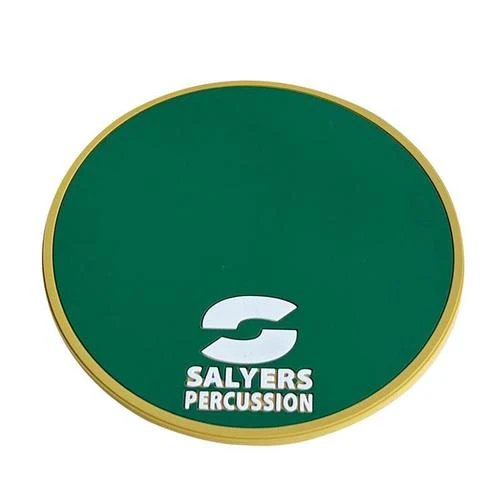
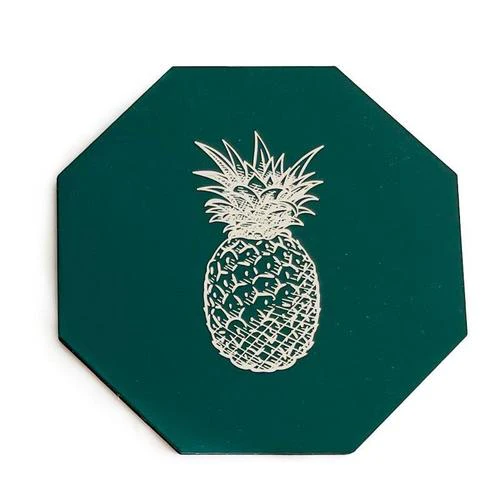
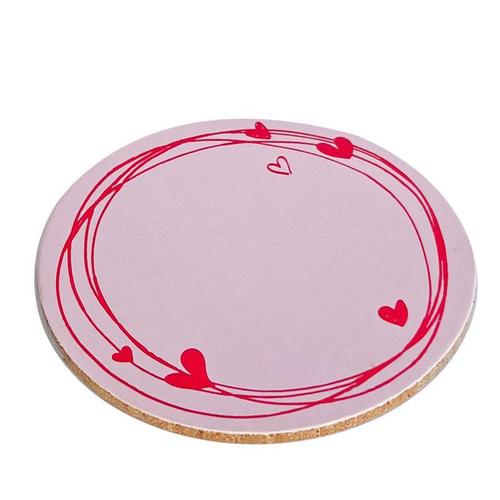
Custom coasters are personalized drink mats made from materials such as pulpboard, cork, rubber, leather, ceramic, sandstone, or acrylic and printed or engraved with logos, artwork, text, or event branding. They are used for both surface protection and brand visibility, which means durability is not optional; it is part of the product’s core job.
The warning for 2026 is simple: if your coasters are built only to look good in the mockup, they will fail in actual use. The better approach is to buy for performance, not just appearance, and to understand exactly which production choices control color life, stain resistance, and overall lifespan.
Table of Contents
- Why Cheap Coasters Fade So Quickly
- Materials That Keep Their Color Longer
- Printing Methods That Make or Break Durability
- The Hidden Cost of Going Too Cheap
- How to Evaluate Quality Before You Order
- What We Learned at Best Patches
- Which Coaster Type Fits Which Business
- Risks, Tradeoffs, and Limits to Know
- What to Do Next
- References
Why Cheap Coasters Fade So Quickly
Most fading starts before the first drink ever touches the coaster. Suppliers trying to hit a very low price point tend to cut corners in four places: material density, print chemistry, protective coating, and curing time. Each shortcut lowers durability. Stack them together, and the result is predictable.
Here are the most common failure points:
- Low-absorption mismatch: The material and ink are not matched correctly, so color sits on the surface instead of bonding well.
- Thin or missing top coat: Without enough protection, moisture and abrasion strip color quickly.
- Poor UV resistance: Cheap pigments often shift or bleach under sunlight or indoor window exposure.
- Weak edge finishing: Once edges fray or swell, the printed face starts to break down faster.
- Rushed production: Inks that are not properly cured may look fine when packed but fail after a few uses.
According to the 2024 ASI Ad Impressions Study, people keep useful promotional products significantly longer than disposable print pieces, which raises the durability standard for items that stay on desks, counters, and tables. That is especially relevant for coasters, because they are both functional and visible. If they fail early, they damage the brand twice: functionally and visually.
Cheap coasters also fade fast because buyers often review only digital proofs. A digital mockup tells you almost nothing about absorbency, coating thickness, or how a deep navy logo will react on natural cork versus white pulpboard. Screen brightness hides production weakness.
Materials That Keep Their Color Longer
Material choice matters more than many buyers realize. Two coasters can carry the same artwork and still age very differently because the substrate controls ink holdout, moisture response, texture, and cleaning tolerance.
Pulpboard and paper-based coasters
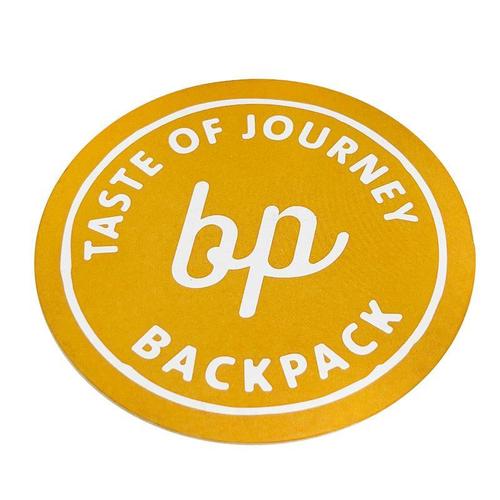
These are common for bars, breweries, events, and high-volume promotions. They are affordable and work well when absorbency is the priority. Their weakness is lifespan. If the board is too soft or too thin, printed areas can feather, dull, or stain after repeated use. They are best for short-cycle campaigns, drink specials, and one-time events.
Cork and rubber-backed styles
Cork offers a warm, natural look and better long-term utility than basic pulpboard. It can hold up well when paired with the right print or laser process, but full-color artwork may lose crispness if the surface texture is too uneven. Rubber-backed options improve grip and table stability, which adds perceived quality.
Ceramic, sandstone, and hard-surface coasters
These tend to deliver the best visual longevity. When artwork is properly applied and sealed, they resist fading, staining, and edge wear far better than low-cost board products. For gift sets, hospitality, and retail sales, they often justify the higher unit cost because they stay presentable longer.
Acrylic and leather options
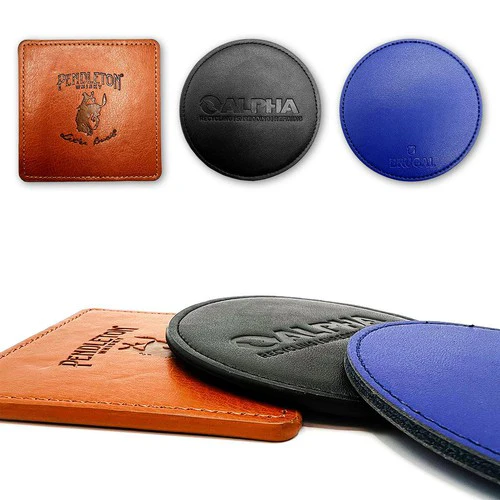
Acrylic can look clean and modern, especially for bold graphics, but scratches can reduce visual quality if the surface is not protected. Leather or faux leather gives a premium feel and works especially well with debossing or laser engraving. Those methods avoid some fading issues because the design is built into the surface rather than sitting on top of it.
A 2025 McKinsey report on consumer sentiment around sustainable packaging and materials highlighted a continuing rise in scrutiny around product claims and material choices. For branded goods, that means buyers are looking beyond price and asking what a product is made from, how long it lasts, and whether it feels responsibly sourced. A coaster that fails quickly is not just a quality issue anymore; it can also undermine your sustainability story.
“When a coaster starts fading after a few uses, customers do not blame chemistry. They blame the brand printed on it.”
Printing Methods That Make or Break Durability
The same artwork can either last months or degrade in days depending on the decoration method. This is the part many budget quotes gloss over.
Offset and digital printing
These are common for large runs and full-color designs, especially on paper-based coasters. They can look excellent at first, but performance depends on ink formulation, substrate compatibility, and the final seal. If no protective layer is used, moisture exposure can break down color rapidly.
UV printing
UV printing cures ink quickly and can produce sharp, vibrant detail. On the right surface, it offers good resistance and a premium look. On the wrong surface, though, it can sit too rigidly and chip or scratch, especially on flexible or highly textured materials. It is not a cure-all.
Sublimation
Sublimation works well on coated hard surfaces and can embed color deeply into the finish. That usually gives better long-term image retention than surface-only printing. It is one of the strongest options for photo-like designs on ceramic or similar products.
Laser engraving and debossing
These are ideal when you want longevity over color saturation. There is less risk of visible fading because the mark is created through material removal or impression rather than applied ink. The tradeoff is a more limited visual style.
According to Smithers research published in 2024 on the future of printed materials and packaging technologies, demand continues to shift toward print methods that combine strong visual quality with higher resistance to handling and environmental stress. That trend fits coaster buying exactly: brands want small-format print products that can survive actual use, not just shipping.
The Hidden Cost of Going Too Cheap
Unit price is easy to compare. Total cost is not. Cheap custom coasters often create expenses that never show up in the original quote.
Here is where those costs usually appear:
- Reorders: You buy twice because the first batch fails early.
- Brand inconsistency: Replacement orders may not match prior color or finish.
- Negative customer perception: Faded products make your brand look careless.
- Operational waste: Staff time goes into complaints, replacements, and vendor follow-up.
- Missed merchandising potential: A premium-looking coaster can be sold or gifted; a flimsy one gets thrown away.
This is where buyers often change their thinking. Saving 18 cents per piece sounds smart until a hospitality group has to replace every room set before peak season. At that point, the “cheap” option becomes the expensive one.
How to Evaluate Quality Before You Order
If you want coasters that keep their color in 2026, you need a repeatable buying process. The best buyers do not ask only for price. They ask better questions.
- Define the use case. Will the coasters be used once at an event, daily in a restaurant, or sold in a gift shop?
- Choose the right substrate. Match absorbency, texture, and expected lifespan to the environment.
- Ask about the print method. Do not accept a vague answer like “full-color printed.”
- Confirm the protective finish. Ask whether the piece is sealed, coated, laminated, sublimated, or uncoated.
- Request physical samples. Test them with cold drinks, wiping, stacking, and sunlight.
- Review color expectations. Brand colors may shift on natural or dark materials.
- Check edge quality. Swelling, fraying, or rough cuts are early warning signs.
- Get replacement terms in writing. This matters if the finished batch fails quality checks.
One of the smartest questions you can ask a supplier is simple: “What usually goes wrong with this product?” A serious manufacturer will answer directly. A weak one will dodge.
“Durability starts with honesty in the quoting stage. If a vendor avoids discussing wear, moisture, and fading, they are selling a photo, not a product.”
What We Learned at Best Patches
I have worked with clients who came to Best Patches after a failed first order from a low-cost vendor. One brewery sent us round paper coasters that looked vibrant in the proof but arrived with uneven ink density and no meaningful protective layer. Within two busy weekends, the dark green logo had dulled, the red accent text bled slightly at the edges, and stacked moisture caused warping. Their team had saved on the initial run, but they lost the launch momentum of a seasonal release because the tabletop presentation looked messy fast.
We rebuilt the order by stepping back from the unit price and focusing on use. The brewery needed high-turnover coasters for taproom traffic, not heirloom pieces, so we recommended a denser board stock, adjusted the artwork for cleaner contrast, and specified a finish that improved rub resistance without killing absorbency. The final cost per coaster increased, but the product lasted through the campaign window and looked consistent in customer photos. That shift mattered because their social posts, product shots, and in-bar branding finally matched.
In another project, I worked with a boutique hotel group that wanted premium custom coasters for suites and lobby bar service. Their first supplier had offered glossy hard-surface coasters at a very attractive price, but scratching and color loss showed up almost immediately during housekeeping rotation. We tested alternatives and moved them to a more durable hard-surface option with a better image transfer method and a stable backing. The upgrade reduced replacement frequency, improved guest-facing presentation, and actually lowered annual spend because the hotel was no longer replacing damaged pieces every few months.
These cases taught the same lesson: there is no “best” coaster in the abstract. There is only the right construction for the actual environment. Best Patches approaches coaster sourcing that way because durability is a product-spec issue, not a marketing slogan.
Which Coaster Type Fits Which Business
| Business Type | Recommended Coaster Type | Why It Works | Main Risk |
|---|---|---|---|
| Craft brewery taproom | Dense pulpboard with protective print finish | Affordable for volume, good absorbency, solid logo visibility | Shorter lifespan if used beyond campaign cycle |
| Boutique hotel | Ceramic or sandstone with cork backing | Premium appearance, strong image retention, guest-room ready | Higher upfront cost and breakage risk if mishandled |
| Corporate gifting brand | Leatherette or engraved hard-surface set | Professional look, longer retention, stronger perceived value | Less ideal for highly detailed full-color art |
| Wedding or event planner | Printed cork or quality paperboard | Customizable, cost-controlled, good for themed short runs | Natural material can shift color appearance |
Risks, Tradeoffs, and Limits to Know
Even great custom coasters have constraints. If you want an honest buying decision, you need to balance durability, cost, speed, and design ambition.
Premium materials can slow production
Higher-end coaster types often require more careful decoration, sealing, and packing. If your deadline is extremely tight, fewer options may be available.
Full-color detail is not always the toughest option
The most visually complex design may also be the most vulnerable, especially on textured or absorbent surfaces. Sometimes a simplified logo system lasts longer and looks cleaner in use.
Sustainability claims need verification
Eco-friendly language is everywhere in 2026, but not every “green” material performs the same way. Some recycled or natural substrates are excellent. Others are more sensitive to moisture or color variation. Ask what the claim actually means.
Shipping and storage matter too
Coasters can be damaged before they ever reach the end user. Heat, compression, humidity, and friction during transit can affect appearance. That is why packaging specs and storage conditions should not be treated as an afterthought.
The smartest buyers accept that every coaster format involves tradeoffs. The goal is not perfection. The goal is matching the product to the job so the tradeoffs are intentional, not accidental.
What to Do Next
Cheap coasters fade fast because low pricing often hides weak materials, poor print compatibility, thin finishes, or rushed manufacturing. In 2026, that is a bigger risk than ever because branded products are expected to last longer, photograph better, and support a stronger quality story. If your coaster is meant to represent your business, it should survive real moisture, real handling, and real time.
Best Patches recommends these next actions:
- Test before scaling: Order samples and run a real wet-use test before approving a bulk purchase.
- Buy by environment: Choose the coaster type based on where and how it will be used, not only on unit cost.
- Demand process clarity: Ask for the exact material, print method, coating, and replacement terms in writing.
If you treat custom coasters as a long-term brand touchpoint instead of a disposable add-on, your design will hold up better and your money will go further.
References
- Advertising Specialty Institute, 2024 Ad Impressions Study — Used for context on how long useful promotional products are retained and why durability affects brand impact.
- Smithers, 2024 print and packaging market research — Referenced for the ongoing shift toward higher-performance print methods that resist wear and environmental stress.
- McKinsey, 2025 consumer sustainability and materials research — Cited to support the growing buyer focus on material credibility, lifespan, and product responsibility.
FAQ
What material lasts longest for custom coasters?
-
For long-term visual durability, ceramic, sandstone, and well-finished hard-surface coasters usually outperform basic paperboard. If you need something more affordable for regular promotional use, a dense pulpboard or cork option with the right finish can still perform well when matched to the correct environment.
Why do custom coasters fade after only a few uses?
-
Fast fading usually comes from a combination of weak materials and weak production control, such as:
Low-grade inks or pigments
Little or no protective coating
Poor curing or rushed production
Artwork printed on a substrate that cannot hold color well
Are cheap custom coasters ever a good choice?
-
Yes, if the use case is short-term and clear. For one-night events, trade shows, or temporary campaigns, budget-friendly paperboard coasters can make sense. The problem starts when buyers expect low-cost coasters to survive heavy hospitality use, repeated cleaning, or long display periods.
What should I ask a supplier before ordering custom coasters?
-
Ask for specifics, not generic promises. The most useful questions are:
What exact material is being used?
What print method will be used on that material?
Is there a protective finish or seal?
Can you provide a physical sample for wet-use testing?
What is your replacement policy if the batch fades or arrives damaged?
How long should good custom coasters last?
-
It depends on the material and use case. A promotional paper coaster may be designed for a short campaign, while a premium ceramic or sandstone coaster can stay presentable for months or years with normal use. The key is buying for the intended environment rather than assuming every coaster should perform the same way.