 Promotional Products
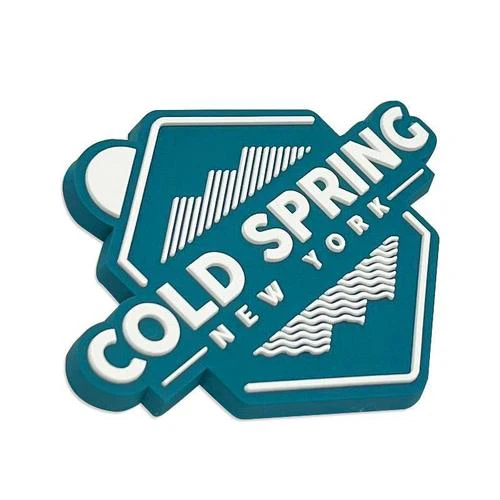
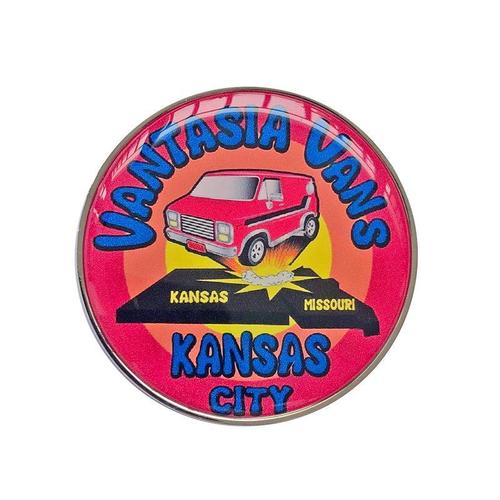
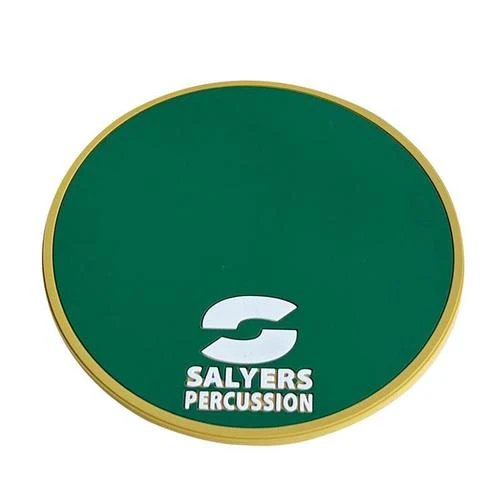
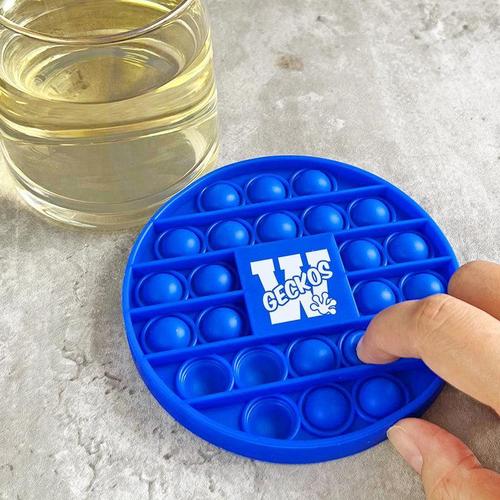
Explore 10 custom coasters ideas for 2026 corporate events with material tips branding strategies and smart ways to boost guest engagement with Best Patches
Why Corporate Event Swag Needs a Reset
Most event giveaways are forgettable within hours. Guests grab a tote, toss a pen into a hotel drawer, and move on. If you are planning conferences, leadership retreats, client dinners, or trade show activations in 2026, you need branded items that feel useful, photo-worthy, and aligned with your message. That is why custom coasters are getting more attention from event marketers who care about both brand recall and table-level experience.
At Best Patches, we have seen a clear shift: buyers are no longer asking only for cheap volume. They want pieces that support a fuller event strategy, from welcome drinks and networking lounges to VIP gifting and social content. A coaster seems small, but when it is well designed, it can carry a logo, QR code, campaign theme, sponsor message, or conversation starter without feeling forced.
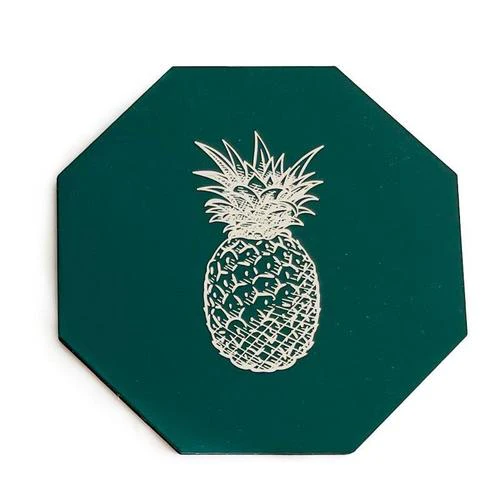
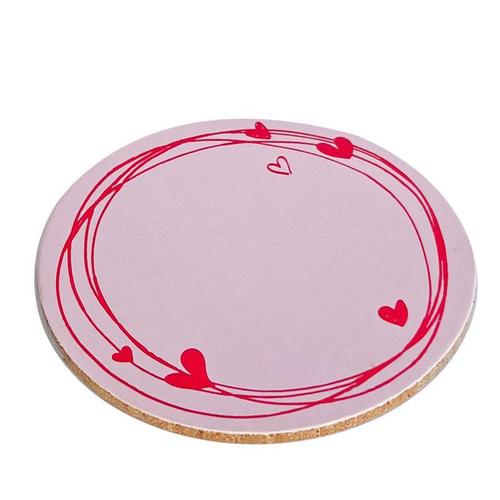
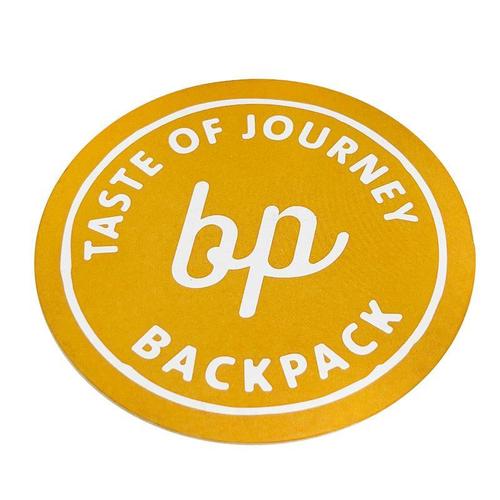
Custom coasters are branded drink mats made from materials such as pulpboard, cork, wood, acrylic, silicone, ceramic, or leatherette. Companies use them at corporate events to protect surfaces, reinforce branding, and create a more polished guest experience. The best versions do more than hold a glass; they support marketing, hospitality, and memory.
That matters because event attendees are judging details. Freeman’s 2024 trends research showed that audiences increasingly value personalized, immersive experiences over generic event execution. A coaster may not be the headline attraction, but it often sits directly in front of every guest during your most important conversations.
Table of Contents
- Why custom coasters work at corporate events
- Creative custom coasters ideas for 2026
- Materials, finishes, and event fit
- Best coaster styles by business scenario
- What we learned at Best Patches
- Common mistakes, risks, and limitations
- How to plan a coaster program that performs
- Next steps for your 2026 event
- References
Why Custom Coasters Work at Corporate Events
Coasters sit in a rare sweet spot: low-profile, practical, and highly visible. They are handled at reception bars, meeting tables, coffee stations, tasting booths, and breakout lounges. Unlike many giveaway items, they do not need a long explanation. Guests use them immediately, which increases the chance that your design actually gets seen.
There is also a branding advantage. The Advertising Specialty Institute reported in 2023 that usefulness remains one of the strongest drivers of promotional product retention. While a coaster is not a long-term carry item like a bag, it performs in the moment that matters most at events: when guests are seated, networking, scanning the room, and interacting with your brand environment.
- They create repeated visual exposure during drinks, meals, and networking sessions.
- They support sponsors without cluttering signage.
- They help tie together event themes through color, typography, and messaging.
- They fit many budgets, from simple pulpboard runs to premium leatherette sets.
- They can be interactive with QR codes, NFC tags, trivia, or social prompts.
“The best event swag earns its place on the table. If it feels decorative and useful at the same time, attendees remember it without feeling sold to.”
Creative Custom Coasters Ideas for 2026
QR Coasters That Lead to a Live Event Hub
Print a large, easy-to-scan QR code that opens your agenda, exhibitor map, menu, or lead capture page. This works especially well for conferences and trade shows where attendees are already using their phones. Keep the front visually clean and move technical details to the back edge or footer.
Coasters With Personalized Attendee Names
Variable-data printing allows you to place attendee names, company names, or table assignments directly on the coaster. This is effective at executive dinners, award galas, and VIP networking events where personalization raises perceived value fast.
Conversation Prompt Coasters for Networking Lounges
Instead of a standard logo-only design, print a question such as “What trend will reshape your industry next year?” or “What problem are you solving this quarter?” These prompts break awkward silence and make your lounge feel intentionally designed.
Sponsor Spotlight Coasters With Dual Branding
Large conferences often struggle to give sponsors meaningful exposure without overwhelming attendees. A coaster with your event identity on one side and a sponsor value message on the other offers a more elegant placement than another standing banner.
Data-Driven Coasters Featuring Industry Stats
Use one sharp statistic per coaster, paired with a source line and your logo. If you are hosting a fintech summit, SaaS user conference, or healthcare forum, this turns a small surface into a thought-leadership asset. Keep numbers bold and easy to read from arm’s length.
Eco-Message Cork Coasters for Sustainability Events
Cork and recycled pulpboard are strong choices when the event narrative includes sustainability, responsible sourcing, or ESG positioning. Deloitte’s 2024 sustainable consumer research noted that environmental considerations continue to influence purchase perception across categories, and event guests increasingly notice whether branded materials align with public claims.
Die-Cut Coasters Shaped Like Your Product
If you sell software dashboards, packaging, beverage equipment, vehicles, or consumer products, a custom die-cut shape can be highly memorable. This approach is stronger when the silhouette is simple. Complex outlines may increase cost and reduce stackability at scale.
Augmented Reality Coasters for Product Demos
For innovation launches, print a marker or QR trigger that opens a 3D product model or short animation. This format works best when the digital experience is lightweight and immediate. If it takes too many taps, people will skip it.
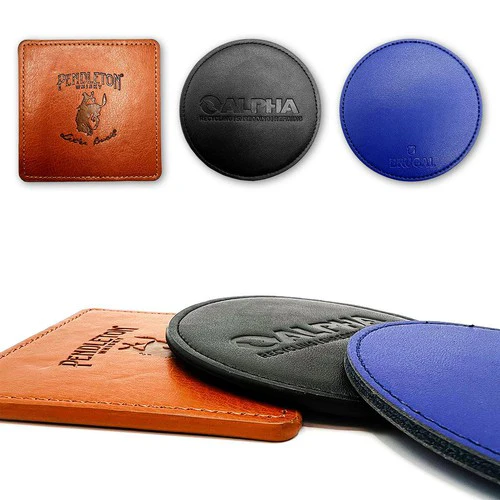
Premium Leatherette Sets for Executive Gifting
At leadership summits or top-client dinners, a boxed coaster set can outperform disposable handouts. Add subtle debossing, initials, or a foil logo. The goal here is not reach; it is relationship building.
Campaign-Series Coasters That Collect Like Cards
Create four to six coaster designs in a themed set, each featuring a product pillar, event quote, city landmark, or brand story element. Guests often trade them, post them, and keep the full set. For multi-day events, this format can build anticipation.
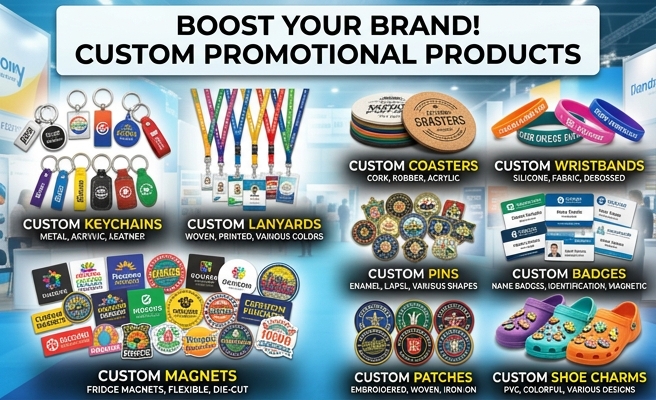
Materials, Finishes, and Event Fit
The right idea can fail if the material is wrong. Material affects cost, print quality, moisture resistance, shipping weight, and how “premium” the item feels in hand. Many teams choose based on unit price alone, then regret it when the coaster warps, bleeds ink, or looks weak in hospitality settings.
Pulpboard and Recycled Paperboard
Best for short-run beverage service, brand awareness, and budget-conscious events. These absorb condensation well and are easy to print, but they are usually single-event items rather than keepsakes.
Cork
A strong middle ground for eco-minded events, cafés, and client gifts. Cork feels warmer and more intentional than paperboard, though fine detail printing may need careful proofing.
Acrylic and Silicone
These suit modern, colorful brands and internal culture events. Acrylic delivers crisp print potential and a polished look. Silicone is durable and fun, but it can skew casual unless the artwork is sophisticated.
Wood, Ceramic, and Leatherette
These materials are better for premium hospitality, executive gifting, or boutique event experiences. They cost more and require longer lead times, but they can shift a simple branded item into something guests actually keep.
Best Coaster Styles by Business Scenario
| Business Scenario | Recommended Material | Best Design Approach | Primary Goal |
|---|---|---|---|
| SaaS user conference | Pulpboard | QR code plus product stat | Drive engagement and traffic |
| Luxury real estate client dinner | Leatherette | Debossed monogram and subtle logo | Build premium brand perception |
| Sustainability summit | Cork | Eco messaging and natural finish | Align brand with values |
| Consumer product launch party | Acrylic | Die-cut product shape with bold color | Create shareable visual impact |
What We Learned at Best Patches
I worked with a B2B software client that was spending heavily on booth graphics and almost nothing on table touchpoints. Their sales team kept saying the same thing: prospects would stop by, grab a drink, and drift away before meaningful conversation started. We proposed a set of custom coasters printed with short pain-point questions on one side and a QR code to a benchmark calculator on the other.
At first, the client thought coasters were too small to matter. But once the event opened, they became one of the easiest conversation starters on the floor. Reps would point to the coaster question, ask for the attendee’s take, and then shift naturally into a demo. By the second day, the client told us those little circles were doing more work than several expensive display pieces. The result was not just more scans; it was better-quality interactions because the message was simple and context-driven.
In another project, I advised a hospitality group hosting a multi-city partner dinner series. They wanted a branded item that felt refined, not promotional. We recommended cork coasters with a blind-stamped logo and a city-specific quote on the reverse. The coasters matched the tablescape, gave each dinner a local signature, and cost far less than a full custom tabletop package.
What stood out from that project was the emotional response. Guests commented on the detail because it felt intentional rather than loud. That is a useful lesson for 2026 event planning: smaller branded pieces often land better when they support atmosphere instead of fighting for attention.
“A coaster works when it feels like part of the event design first and a marketing asset second. That order matters.”
Common Mistakes, Risks, and Limitations
Custom coasters are effective, but they are not magic. Teams overestimate them when they treat them as a stand-alone campaign rather than one element in a broader experience.
Designing for the Screen Instead of the Table
Artwork that looks sharp on a monitor can fail in real life. Small type, low contrast, and overstuffed layouts are common problems. If the key message cannot be read in two seconds from seated distance, revise it.
Choosing the Cheapest Option Without Context
Low-cost pulpboard is fine for bars and trade show beverage stations. It is less effective for executive dinners or long-format meetings where durability and presentation matter more.
Ignoring Moisture and Print Behavior
Some materials absorb too quickly; others repel ink or scratch easily. Ask for a production proof, especially if your design uses fine lines, metallic finishes, or dark color blocks.
Adding Too Many Marketing Goals
A coaster should do one or two jobs well. Trying to squeeze in a logo, tagline, URL, sponsor block, social handle, and legal line usually produces clutter.
Overlooking Logistics
Bulk shipping, venue setup, and replenishment all matter. If your activation spans several bars or break areas, plan counts carefully. A premium coaster that runs out before the keynote starts is not a premium experience.
PCMA’s 2024 event research continued to show that attendee experience is shaped by operational polish as much as programming. That is another reason details like coaster quality, placement, and replenishment should not be left to the final week.
How to Plan a Coaster Program That Performs
If you want custom coasters to support branding, engagement, and guest experience, treat them like a micro-campaign rather than a print add-on.
- Set one primary objective. Choose lead generation, atmosphere, sponsor visibility, table assignment, or gifting.
- Match the material to the setting. Hospitality and executive events need a different feel than expo bars.
- Keep the message short. One visual hook and one action is usually enough.
- Prototype with real glassware. Test readability, moisture response, and overall look on the actual table setup.
- Plan quantities by zone. Reception, breakout rooms, lounges, and VIP spaces all have different consumption patterns.
- Measure something tangible. Use QR scans, photo shares, sponsor feedback, or staff observations to judge performance.
For many brands, the smartest move is to create a coaster system, not a single design. That might mean one version for registration drinks, another for breakout lounges, and a premium version for the closing dinner. The visual family stays consistent while the message shifts by moment.
Next Steps for Your 2026 Event
Custom coasters work because they meet attendees where attention naturally settles: at the table, by the bar, and in the middle of conversation. The strongest ideas for 2026 blend utility with design discipline, brand clarity, and context. Whether you choose QR-enabled pulpboard for a trade show or leatherette sets for an executive dinner, the goal is the same: make a small format do meaningful work.
Best Patches recommends three practical next steps:
- Audit your event touchpoints and identify where guests physically pause with a drink in hand.
- Choose one coaster concept tied to a measurable goal, such as sponsor exposure, lead capture, or premium gifting.
- Request a physical sample early so you can test print clarity, material feel, and fit with your tabletop design.
References
- Freeman 2024 Trends Report — Used for insight on attendee demand for more personalized and immersive event experiences.
- Advertising Specialty Institute 2023 promotional products research — Used to support the value of usefulness in branded merchandise retention and recall.
- Deloitte 2024 sustainable consumer research — Used to support the growing importance of sustainability cues in brand perception.
- PCMA 2024 event research — Used to reinforce the role of operational details in overall attendee experience.
FAQ
What are the best custom coasters materials for corporate events?
-
It depends on the setting. Pulpboard works well for trade shows and bar service, cork fits sustainability-focused events, and leatherette or ceramic feels stronger for executive dinners or premium gifts. Choose based on event tone, moisture resistance, and budget.
How many custom coasters should I order for an event?
-
A safe planning range is 2 to 4 coasters per attendee per day for active beverage service. If you have multiple bars, coffee stations, or hospitality suites, add buffer stock so high-traffic areas do not run out early.
Can custom coasters include QR codes or NFC features?
-
Yes. Many brands use coasters to direct guests to:
Event schedules or venue maps
Lead capture forms
Product demos or AR experiences
Social contests and sponsor offers
Are custom coasters a good giveaway or better as tableware?
-
They can do both, but they usually perform best as functional tableware first. Premium sets can absolutely work as gifts, especially for client dinners, hospitality suites, or executive events.
What size works best for event coasters?
-
Most event coasters fall between 3.5 and 4 inches. That size fits common glassware, leaves room for branding, and stacks neatly at bars or tables. If you use oversized cocktail glasses, test larger dimensions before production.
How far in advance should I order custom coasters for a 2026 conference?
-
For standard runs, aim for 3 to 5 weeks. For custom shapes, premium materials, or multi-version personalization, give yourself 6 to 8 weeks. Early proofing reduces costly mistakes and shipping stress.