 Promotional Products
Learn how to order custom event wristbands in 2026 with smart tips on materials, pricing, security, artwork, shipping, and global event planning from Best Patches
Why Ordering Wristbands Gets Complicated Fast
Custom event wristbands sound simple until deadlines tighten, artwork files fail prepress, attendee counts change, and shipping windows get squeezed by customs or venue rules. If you are ordering Custom event wristbands for a festival, fundraiser, school function, cruise, conference, or VIP launch, the biggest risk is rarely the wristband itself. The real risk is choosing the wrong material, wrong closure, wrong print method, or wrong timeline for your event model.
That is where an experienced supplier matters. Best Patches works with organizers who need more than a basic product page and a checkout button. They need practical guidance on sizing, serialization, branding, anti-tamper options, shipping strategy, and how to avoid expensive reprints when the event date cannot move.
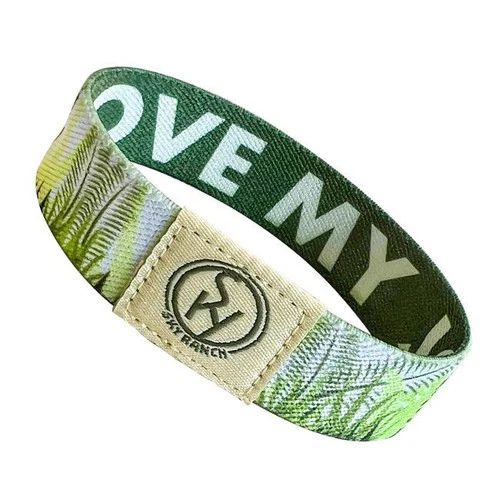
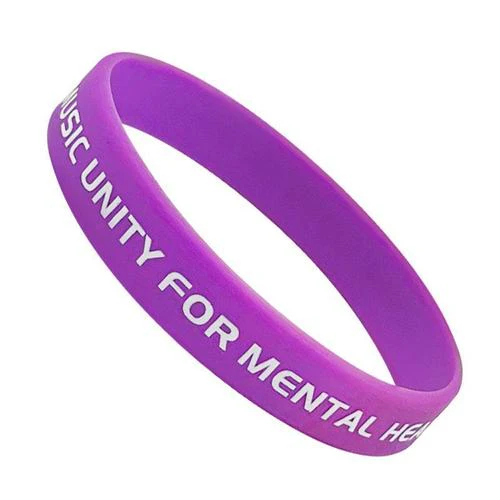
Custom event wristbands are branded identification bands used to manage entry, segment guest access, support security, and reinforce the event experience. They can be made from materials like Tyvek, silicone, vinyl, fabric, or RFID-enabled textiles, depending on event length, budget, and security needs.
The stakes are higher in 2026 because attendees expect fast check-in and organizers are under pressure to prove both professionalism and control. A 2024 Freeman event trends report noted that attendee expectations around seamless event experiences continue to rise, while a 2024 Statista market outlook pointed to ongoing global growth in live events and ticketed experiences. More attendance means more pressure on access control, branding consistency, and fulfillment accuracy.
Table of Contents
- Choosing the Right Wristband Type
- Setting Your Event Goals Before Ordering
- Preparing Artwork, Data, and Compliance Details
- How to Order Custom Event Wristbands
- Comparing Common Business Scenarios
- Managing Global Shipping and Customs Risks
- What Best Patches Has Learned in the Field
- Controlling Cost Without Hurting Experience
- Mistakes That Trigger Delays or Reprints
Choosing the Right Wristband Type
The right wristband starts with event duration, security level, comfort, and whether your guests will wear it for hours or days. Ordering the wrong substrate is one of the most common mistakes because many buyers focus on color first and performance second.
Popular materials and where they fit best
- Tyvek: Best for one-day events, school admissions, bars, and fast, low-cost entry control.
- Vinyl: Stronger than Tyvek and useful for water parks, multi-day fairs, and moderate security needs.
- Fabric: Popular for music festivals, VIP programs, and premium brand activations where comfort and style matter.
- Silicone: Often used for awareness campaigns, team identity, and keepsake-style branding rather than strict event access.
- RFID or NFC fabric bands: Best for cashless payments, attendee tracking, VIP zones, and advanced event tech stacks.
If you are planning a single-evening fundraiser, fabric may look polished but be more than you need. If you are running a three-day festival with backstage zones, cheap paper-based bands can cost more in fraud, gate confusion, and re-entry problems than you save upfront.
“The wristband should match the risk profile of the event, not just the design brief. A low-cost material can become expensive if it causes duplicate admissions or weakens the guest experience.”
Setting Your Event Goals Before Ordering
Before you ask for a quote, define what success looks like. Most ordering problems come from unclear inputs, not poor manufacturing. When clients say they “just need wristbands,” what they usually need is one of four things: faster entry, stronger security, better branding, or better attendee segmentation.
Questions to answer before production starts
Get these answers internally before you send files to a supplier:
- How many attendees are confirmed, and what is your overage buffer?
- Will guests wear the band for one day, several days, or all season?
- Do you need serial numbers, barcodes, QR codes, or RFID chips?
- Are there minors, VIP guests, staff, vendors, or sponsors who need separate access levels?
- Will the wristbands be exposed to water, sweat, heat, or outdoor abrasion?
- Do you need eco-conscious materials or region-specific compliance documentation?
- What is the hard in-hand date, not just the ship date?
According to the 2024 Eventbrite trends outlook, organizers are increasingly focused on building more personalized attendee journeys. Wristbands are often one of the simplest ways to operationalize that idea because they can indicate access level, schedule eligibility, meal category, age verification, or sponsor status at a glance.
Preparing Artwork, Data, and Compliance Details
A polished order starts long before the factory prints anything. Clean artwork and complete specs cut down proofing cycles, prevent color disputes, and keep your timeline realistic.
What your supplier needs from you
Most global suppliers will ask for a combination of these inputs:
- Vector logo files in AI, EPS, PDF, or SVG format
- Pantone references or approved brand color values
- Exact wristband width and circumference preference
- Print placement guidance, front and back if needed
- Variable data file for numbers, QR codes, or barcodes
- Packaging requirements by bundle, roll, or guest tier
- Delivery address, importer contact, and any customs notes
For global events, compliance matters more than many buyers expect. RFID-enabled orders may involve chip specifications, software compatibility, encoding instructions, and privacy procedures. If attendee data is tied to the wristband, your internal team should check how data will be handled before production begins. IBM’s 2024 Cost of a Data Breach report reinforced a point every event operator should already know: operational systems that touch personal data need tighter controls, not assumptions.
How to Order Custom Event Wristbands
The cleanest orders follow a predictable workflow. Whether you are sourcing domestically or internationally, these steps reduce revisions and improve on-time delivery.
The practical ordering workflow
- Define the event use case. Identify event length, security level, attendee volume, and access tiers.
- Choose the material and closure. Match comfort and anti-tamper needs to real event conditions.
- Set your quantities with buffer. Add extra units for walk-ups, staff changes, spoilage, and VIP surprises.
- Prepare print-ready artwork. Send vector files, color references, and variable data in one organized package.
- Request a proof and timeline. Confirm production days, shipping days, and your actual in-hand deadline.
- Review security features. Approve numbering, barcode placement, RFID encoding, or tamper closures.
- Approve samples or digital proofs. Check spelling, color contrast, scan readability, and fit.
- Confirm shipping terms. Verify the consignee, customs paperwork, duties, and last-mile delivery method.
- Inspect the order on arrival. Count cartons, test samples, and verify sortation before event day.
That last step gets skipped more often than it should. Do not wait until the morning of the event to test barcode scans or closure strength. A simple spot check can save hours of gate disruption.
Comparing Common Business Scenarios
Not every buyer orders for the same reason. The table below shows how the best wristband choice changes by event model, budget pressure, and operational complexity.
| Business Scenario | Best Wristband Type | Main Reason | Watch-Out |
|---|---|---|---|
| Local school fundraiser | Tyvek | Lowest cost and fast distribution | Limited durability in rain or heavy activity |
| Three-day music festival | Fabric with security clasp | Comfort, branding, and stronger anti-transfer protection | Longer production timeline than paper-based options |
| Water park or resort entry | Vinyl or RFID band | Handles water, wear, and repeat access | RFID setup requires system testing |
| Corporate VIP launch event | Premium woven or RFID fabric | Elevated brand feel and access segmentation | Needs precise artwork and data coordination |
The big takeaway is simple: the “best” band depends on use case. A premium wristband is not always the smartest buy, and a cheap band is not always the lowest total cost.
Managing Global Shipping and Customs Risks
Ordering internationally can save money or expand your material options, but it also introduces timing risk. Customs delays, weather disruption, regional holidays, and address errors can turn a good quote into a bad event week.
Where global orders usually go wrong
- Production starts late because the buyer approves artwork too slowly
- Shipping terms are unclear, especially around duties and taxes
- The delivery date is quoted, but the in-hand inspection date is ignored
- Cartons are not labeled by access tier, creating on-site sorting chaos
- RFID bands arrive on time, but encoding or software mapping is incomplete
For cross-border jobs, build a timeline backwards from event day and add a real buffer. Seven to ten extra days is not excessive when customs is involved. If the event is high-stakes, split the risk: ship the main order through the most reliable channel available and, if budget allows, produce a small emergency backup batch.
“The safest date on any wristband order is the date you can physically inspect it, not the date a tracking number says it should arrive.”
There is also a branding issue here. If your event is premium but your entry process feels improvised, the wristband becomes a visible symbol of poor planning. Guests may never know why gate operations slowed down, but they will remember that it happened.
What Best Patches Has Learned in the Field
I have seen the same pattern repeat across event categories: buyers tend to underestimate lead time and overestimate how “simple” their specs are. At Best Patches, we worked with a regional sports event that expected a fast reorder only ten days before opening. On paper, it looked manageable. In reality, the organizer needed five color tiers, sequential numbering, sponsor branding, and separate packaging by venue gate.
We pushed the client to lock the access structure before final proofing instead of changing colors midstream. That one decision prevented a cascade of problems. The final order arrived sorted by gate team, the numbering stayed aligned with their attendee records, and check-in staff did not have to re-bundle thousands of bands the night before launch.
In another project, I worked with a multi-day charity festival that first requested low-cost bands because budget was tight. After a quick review, it was obvious that the cheaper option would not survive the combination of outdoor heat, kids’ activities, and water stations. We recommended moving to a stronger material and simplifying the print design to offset part of the extra cost. The organizer spent a bit more per unit, but avoided replacement stock, guest complaints, and visible wear during sponsor photo ops.
Those projects reinforced a point we repeat often at Best Patches: the best order is not the cheapest quote. It is the quote that fits the event’s operating reality.
Controlling Cost Without Hurting Experience
Budget matters, but cost control should be strategic. If you trim the wrong thing, you pay for it later in labor, confusion, or damage to the guest experience.
Where you can save safely
- Reduce ink complexity if the logo can still read clearly at wristband scale
- Standardize sizes and closures instead of mixing too many variants
- Bundle by event day or attendee type to cut sorting labor on-site
- Order slightly above confirmed attendance rather than placing rushed reorders
- Use one premium tier and one budget tier instead of over-customizing every access level
Where should you not cut corners? Security features, readable print contrast, proof approval, and timeline buffer. Those are the areas that most often determine whether an event runs smoothly.
If you are comparing suppliers, ask for more than unit price. Compare:
- Proofing support
- Production speed
- Material durability
- Packaging options
- Customs readiness
- Replacement policies
- Experience with global event orders
Mistakes That Trigger Delays or Reprints
Most wristband failures are preventable. The problem is that the small details feel minor until they turn into event-day issues.
Common ordering mistakes
- Using low-resolution logos that print poorly on narrow surfaces
- Approving colors without checking contrast under venue lighting
- Skipping sample scans for QR codes or barcodes
- Forgetting to account for volunteers, press, and late registrants
- Choosing style over comfort for multi-day wear
- Setting a ship date instead of an in-hand date as the true deadline
- Ignoring customs paperwork on international shipments
There are also limitations worth stating clearly. Fabric and RFID options often look better and perform better, but they cost more and usually require more lead time. Tyvek is fast and inexpensive, but it is not ideal for rough, wet, or premium environments. Silicone is great for keepsake branding, but not always strong enough for strict anti-transfer security.
If you treat every event the same, you will eventually overpay or underperform. The better approach is to match wristband design to attendee behavior, venue conditions, and operational risk.
Best Next Moves for a Smooth Order
Ordering wristbands well is less about picking a color and more about aligning product choice with event reality. The strongest results come from clear goals, accurate artwork, realistic timelines, and a supplier that understands how branding and access control work together.
Best Patches recommends three practical next steps:
- Finalize your attendee categories and required security features before requesting quotes.
- Build your timeline around the in-hand inspection date, not the estimated ship date.
- Ask for material guidance based on event duration, venue conditions, and fraud risk rather than choosing by price alone.
References
- Freeman 2024 Event Trends Report — Used for insight into rising attendee expectations for smoother, more intentional event experiences.
- Statista 2024 Market Outlook for Live Events and Ticketing — Referenced to support the continued growth of global live events and the operational pressure that comes with that growth.
- Eventbrite 2024 Trends Outlook — Cited for the shift toward more personalized attendee journeys and event segmentation.
- IBM Cost of a Data Breach Report 2024 — Referenced in relation to privacy and operational controls when wristbands connect to attendee data systems.
FAQ
What are custom event wristbands used for?
-
They are used for entry control, guest identification, VIP segmentation, age verification, branding, and sometimes cashless payments or attendance tracking. The right wristband can make check-in faster while improving security and the overall event experience.
Which material is best for custom event wristbands?
-
It depends on the event:
Tyvek for one-day, budget-focused events
Vinyl for water exposure and stronger durability
Fabric for multi-day festivals and premium branding
RFID fabric for advanced access control and cashless systems
How far in advance should I order custom event wristbands?
-
For standard printed orders, a few weeks is usually safer than a last-minute rush. If you need custom packaging, serialization, RFID encoding, or international shipping, build in extra time for proofing, production, customs, and on-arrival inspection.
Can custom event wristbands include barcodes or RFID chips?
-
Yes. Many suppliers can add:
Sequential numbering
Barcodes or QR codes for scanning
RFID or NFC chips for access control and cashless systems
Encoded data tied to your event software
What file format should I send for wristband artwork?
-
Vector files are usually best. Most suppliers prefer:
.AI, .EPS, .PDF, or .SVG for logos and clean shapes
.PNG only if high resolution and approved by the supplier
Outlined text to avoid font issues
Pantone or exact brand color references when color accuracy matters
Are there minimum order quantities for wristbands?
-
Usually, yes. Minimums vary by material, print method, and whether you need special features like woven labels, serialization, or RFID chips. Simpler Tyvek orders may allow lower minimums than premium fabric or tech-enabled bands.
How do I avoid delays when ordering from an overseas supplier?
-
The safest approach is to reduce uncertainty early:
Approve artwork quickly and carefully
Confirm production time, shipping time, and your real in-hand date
Clarify who pays duties and handles customs paperwork
Leave buffer time for inspection before event day