Why Event Wristbands Miss the Mark
Custom event wristbands often look simple on screen and disappointing in real life. The color feels off, the text is too small to read in low light, or the material clashes with the mood of the event. When that happens, you do not just lose a branding opportunity. You create friction at check-in, weaken guest perception, and make staff work harder than they should.
That is why teams planning festivals, fundraisers, school events, conferences, and VIP activations are paying closer attention to wristband design. Best Patches has worked with clients that needed wristbands to do more than identify a guest. They needed them to support access control, reinforce the brand, and hold up through heat, sweat, rain, and long event days.
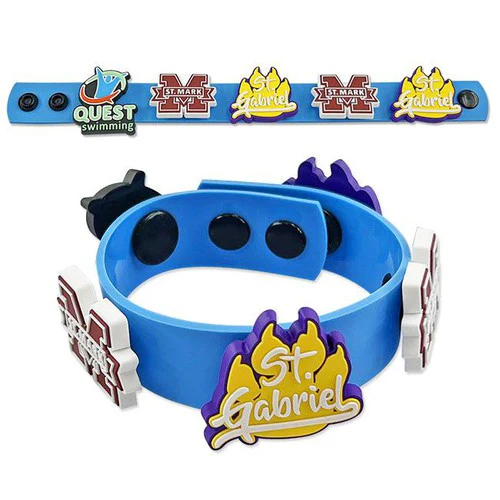
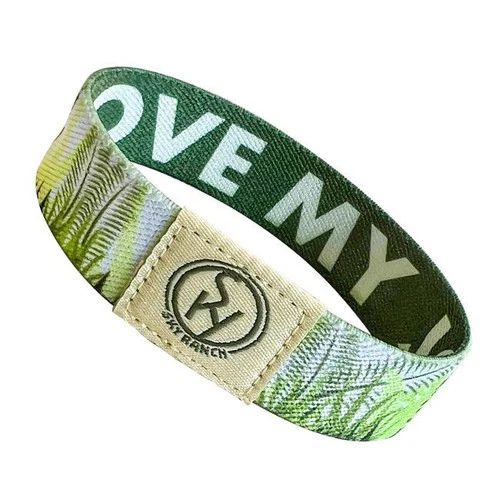
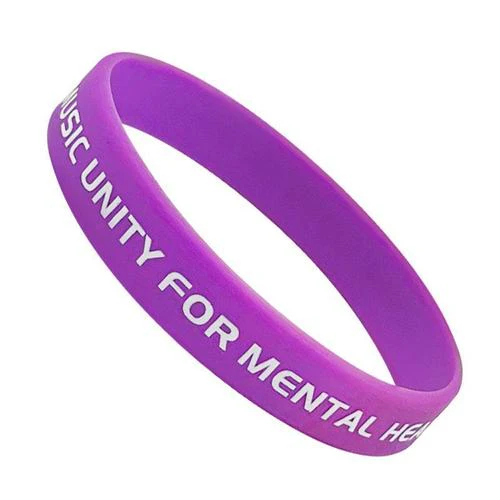
Custom event wristbands are branded wristbands made for identification, admission, access control, promotion, or crowd segmentation at an event. They can be produced in materials such as silicone, Tyvek, fabric, or vinyl, and they often include logos, colors, text, QR codes, or security features that match the goals of the event.
The best design process is not about adding more graphics. It is about choosing the right purpose first, then matching material and print methods to how people will actually use the band.
Table of Contents
- What Great Wristband Design Really Has to Do
- Choose the Goal Before the Artwork
- Match Material to Event Conditions
- Build a Design People Can Read Fast
- Three Simple Actions to Finalize the Band
- Common Mistakes That Hurt Results
- How Best Patches Handles Real Client Projects
- Cost, Security, and Operational Tradeoffs
- What Will Matter More in 2026
- Next Moves for Your Team
What Great Wristband Design Really Has to Do
A strong wristband is not just merch. It is a small operational tool that lives on the guest’s body for hours or days. That means the design must work at three levels at once: visual branding, functional identification, and physical durability.
According to Freeman’s 2024 event trends reporting, attendees continue to place a premium on smooth arrival and personalized experiences. That matters here because a wristband is often one of the first branded objects a guest receives. If it feels cheap or confusing, the event feels less organized. If it feels premium and easy to understand, the guest trusts the experience faster.
“The best event branding works when the guest does not have to think about it. They simply feel that everything is consistent, clear, and intentional.”
There is also a security angle. A wristband should help staff answer questions quickly: Who has VIP access? Who is over 21? Who belongs backstage? Who already checked in? Good design reduces hesitation. Bad design creates line backups.
Choose the Goal Before the Artwork
The biggest mistake teams make is starting with the logo. Start with the use case instead. Your design choices change dramatically depending on whether the wristband is meant for one-night entry, multi-day access, age verification, donor recognition, or sponsor visibility.
Questions to answer before the design starts
- Is the wristband mainly for admission, branding, or access control?
- Will guests wear it for hours, days, or a full week?
- Does staff need to identify categories from several feet away?
- Will the band face water, heat, friction, or heavy movement?
- Do you need anti-transfer or tamper-resistant features?
- Will there be QR codes, serial numbers, or RFID elements?
When the objective is clear, the design becomes much easier. A food and wine festival may need elegant branding with zone-based color coding. A school field day may need bright, easy-to-read class segmentation. A music festival may need stronger security and durable materials that hold up for multiple days.
Match Material to Event Conditions
Material selection is where many wristband projects either become efficient or expensive. The right substrate affects comfort, print clarity, security, and budget.
| Event Type | Best Material | Why It Fits | Risk to Watch |
|---|---|---|---|
| One-day charity walk | Tyvek | Low cost, fast distribution, easy numbering | Limited premium feel |
| Weekend music festival | Woven fabric | Durable, collectible, harder to transfer | Longer production time |
| Nightclub VIP launch | Vinyl | Water resistant, bold print, good for premium zones | Less breathable for all-day wear |
| Corporate conference | Silicone | Brandable, reusable, sponsor-friendly | Not ideal for strict one-time entry control |
For comfort-heavy experiences, fabric usually wins. For budget-sensitive events, Tyvek remains practical. For premium environments with splash risk, vinyl is often the right middle ground. Silicone has value when the wristband is also a keepsake, but it is less effective when tamper evidence matters.
Build a Design People Can Read Fast
Guests do not study wristbands. They glance at them. Staff members scan them at speed. That changes how good design should be judged. A visually busy band may look exciting in a mockup and fail at the gate.
Design elements that usually perform best
Focus on contrast first. Dark text on a light band or light text on a dark band generally improves readability. Keep your logo visible, but do not let it overpower the function. If the event has multiple access levels, use distinct color families rather than subtle variations from the same palette.
Text should be brief. The event name, a short identifier, a date range, or a zone label is often enough. If you add QR codes or serial numbers, test them at final size before approval. Tiny digital elements that work on a desktop screen often fail after printing on curved materials.
“If a wristband must carry both branding and security, branding should support recognition while security features should support verification. They are related goals, but they are not the same design task.”
According to IBM’s 2024 Cost of a Data Breach Report, the global average cost of a breach reached $4.88 million. That number is not about wristbands alone, but it is a useful reminder: if your event uses QR-linked identity, payment, or access data, visual design decisions should be paired with basic privacy and access controls. A great-looking band is not enough if the linked system is weak.
Three Simple Actions to Finalize the Band
If you want a clean process that reduces revisions, use these three actions.
- Define the wearer journey. Map when the band is issued, checked, scanned, and removed. This tells you what must be visible and how durable the band needs to be.
- Approve material before artwork polish. A design that works on woven fabric may not work on Tyvek or silicone. Lock the substrate early so you are designing within real production limits.
- Test a production-proof sample. Check fit, print sharpness, closure performance, color accuracy, and scanner readability before signing off on the full order.
That three-part approach sounds basic, but it prevents the most expensive failures: reprints, delayed fulfillment, or on-site confusion. It also gives vendors better inputs, which usually leads to faster quoting and more reliable timelines.
Common Mistakes That Hurt Results
Even experienced event teams repeat the same wristband errors. Most of them come from treating the band as an afterthought instead of a functional product.
Where designs usually go wrong
- Using too many colors without a hierarchy
- Shrinking important text to protect decorative graphics
- Choosing a premium material that does not suit the event environment
- Adding QR codes without real-size scan testing
- Skipping tamper-resistant closures for high-value access areas
- Ordering too late and losing the chance to review a live sample
There is also a brand risk. If sponsors are involved, poor logo placement or muddy print can create tension with partners who paid for visibility. On the operations side, weak color differentiation can create staffing issues because guards and volunteers hesitate before making access decisions.
According to a 2025 outlook from Grand View Research, event-related technology and attendee experience investments continue to rise as organizers push for smoother, more data-driven experiences. That trend means small assets like wristbands are under more pressure to do more jobs at once. The more jobs you assign to the band, the more disciplined the design has to be.
How Best Patches Handles Real Client Projects
I once worked with the Best Patches team on a regional summer festival that had three ticket tiers, a beer garden, and a backstage performer area. The first concept from the organizer looked great in a PDF, but once we reviewed the actual use case, the problem was obvious: the VIP and performer bands were too visually similar, and the sponsor logo was taking up the best visibility area near the closure.
We restructured the design around staff recognition first. VIP became black with metallic gold print, performers moved to a high-contrast red fabric band, and beer garden eligibility shifted to a bold secondary icon rather than extra text. That one change reduced the amount of verbal checking staff had to do at key entry points. The organizer later told us lines moved faster, and guests understood their access level without asking.
In another project, I saw Best Patches help a nonprofit replace generic paper entry bands with branded Tyvek bands for a one-day city fundraiser. The nonprofit assumed custom work would slow them down, but the opposite happened. Once they simplified the art and added sequential numbering, check-in became easier to track and staff had a clearer way to spot re-entry attempts. The band did not just look better. It solved a real control issue while staying within budget.
These projects all point to the same lesson: the best custom event wristbands are usually the result of editing, not adding.
Cost, Security, and Operational Tradeoffs
There is no perfect wristband for every event. Better design means making smart tradeoffs.
When spending more is worth it
Pay more for fabric or enhanced closures when the event lasts multiple days, includes premium access, or expects the band to double as memorabilia. Spend more on serialization or scannable features when ticket fraud, age gating, or capacity tracking is a real concern. Spend more on pre-production proofing when sponsor visibility is contract-sensitive.
When simpler is smarter
Keep it basic when the event is short, access levels are limited, and the main goal is visual identification. A clean one-color Tyvek or vinyl band can outperform an overbuilt design if operations are simple.
There are also privacy and trust issues to consider. If your custom event wristbands connect to guest profiles, payments, or mobile registration records, you need clear internal rules on who can access that data and how long it is retained. Security is not just a tech problem. It starts in planning.
What Will Matter More in 2026
The market is moving toward smarter hybrid use. Organizers want wristbands that still look branded and tactile but support digital workflows behind the scenes. That includes scannable codes, segmented guest experiences, loyalty tie-ins, and stronger anti-counterfeit design.
At the same time, attendees are becoming more design-aware. They notice when event merchandise feels intentional. A wristband that is comfortable, sharp-looking, and collectible can extend the life of the event brand long after the gates close. That matters for repeat attendance and social sharing.
For 2026, the strongest approach is clear: keep the visual system simple, make the material fit the environment, and only add technology that serves the guest experience or the event operation in a measurable way.
Next Moves for Your Team
Great wristband design is rarely about flashy art alone. It comes from clarity around purpose, a smart material choice, and ruthless editing for readability and use. If your event band can be recognized quickly, worn comfortably, and verified easily, it is doing its job.
Best Patches recommends three practical next moves:
- Audit your event flow and define exactly what the wristband must do at check-in, during the event, and at restricted zones.
- Request material-specific mockups instead of approving artwork in a generic digital format.
- Test one live sample with staff before committing to a full production run.
References
- Freeman 2024 Trends Report — useful for understanding how attendee expectations around experience and smooth entry continue to shape event design choices.
- IBM Cost of a Data Breach Report 2024 — provides current context for privacy, access control, and data-linked event systems.
- Grand View Research 2025 event industry outlook — supports the broader trend toward higher investment in event technology and attendee experience infrastructure.
FAQ
What is the best material for custom event wristbands?
-
It depends on the event. Tyvek is great for short, budget-friendly events. Fabric works well for multi-day festivals and premium branding. Vinyl is a solid option for water resistance, while silicone is better when you want a reusable keepsake rather than strict access control.
How do I design custom event wristbands that are easy to read?
-
Use strong contrast, short text, and clear color coding. Keep the event name or access label large enough to read at a glance, and test the final size in real lighting. If your staff needs to identify guest tiers quickly, bold colors often work better than extra decorative graphics.
Can custom event wristbands include QR codes or serial numbers?
-
Yes, and they are often useful for access control, re-entry tracking, or guest verification. Just make sure you:
-
Test scan performance at the actual printed size
-
Avoid placing codes where folds or closures may block them
-
Pair the code with a secure backend process if personal data is involved
How much do custom event wristbands usually cost?
-
Pricing varies by material, quantity, print method, and security features. As a rough guide:
-
Tyvek wristbands: usually the lowest-cost bulk option
-
Vinyl wristbands: mid-range with better durability
-
Fabric wristbands: often higher due to premium finish and production time
-
Added QR, numbering, or RFID: may increase unit cost and setup fees
Do wristband suppliers have minimum order quantities?
-
Most do, especially for fully customized production runs. The minimum often depends on the material and decoration method. Simpler printed bands may allow smaller runs, while woven or specialty security bands usually require larger quantities.
What file format should I use for wristband artwork?
-
Always confirm with your supplier, but these are the safest choices:
-
.AI or .SVG for vector-based logos and text
-
.PDF for print-ready layouts
-
.PNG at high resolution if vector files are not available
-
Outline fonts to avoid text substitution issues
How far in advance should I order wristbands for an event?
-
Earlier is always better, especially if you want custom materials or sample approval. A safe planning approach is:
-
Finalize concept several weeks before the event
-
Leave time for proof review and physical sampling
-
Add buffer time for shipping delays or sponsor changes
-
Avoid last-minute design edits after production begins
Are custom event wristbands good for branding after the event ends?
-
Yes, especially fabric and silicone styles that attendees keep wearing or save as souvenirs. When the design feels intentional and comfortable, the wristband can extend event visibility well beyond the venue and help strengthen recall for future editions of the event.