 Promotional Products
Learn how event managers source custom event wristbands for security, branding, comfort, and budget with expert tips from Best Patches
Why Wristband Sourcing Gets Stressful Fast
Custom event wristbands look simple until they are tied to check-in speed, VIP access, alcohol control, sponsor branding, and on-site security. Event managers usually feel the pressure when timelines shrink, attendee counts shift, and a cheap-looking band suddenly threatens the guest experience. That is why smart sourcing matters long before doors open.
Best Patches has become a go-to partner for teams that need custom event wristbands to do more than sit on a wrist. The right supplier helps you balance material, print method, anti-counterfeit features, comfort, and budget without turning the order into a guessing game. When you are responsible for thousands of arrivals in a short window, small production details become operational decisions.
Custom event wristbands are wearable event identifiers used to control entry, segment attendees, and reinforce branding. They can be made from materials like Tyvek, vinyl, silicone, fabric, or RFID-enabled textiles, and they often include serial numbers, barcodes, or custom printing for access control.
For event managers, a wristband is not just merch or a ticket substitute. It is a low-friction tool for crowd movement, fraud prevention, staff communication, and revenue protection.
Table of Contents
- What Great Event Managers Expect From Wristbands
- How to Match Wristband Materials to Event Type
- Security Features That Actually Reduce Risk
- Branding Without Sacrificing Function
- Lead Times, Proofing, and Ordering Workflow
- Cost Control and Bulk Pricing Decisions
- A Real-World Case From Best Patches
- Common Sourcing Mistakes and How to Avoid Them
- What Changes in 2026 Event Wristband Buying
What Great Event Managers Expect From Wristbands
Experienced planners do not buy wristbands by color alone. They buy for throughput, control, and guest comfort. A band that tears too easily creates replacement lines. A band that feels rough on skin triggers complaints in family events and multi-day festivals. A band without clear segmentation causes staff confusion at bars, backstage zones, and sponsor lounges.
According to a 2024 Freeman report on attendee preferences, people continue to place a high value on smooth on-site experiences and reduced friction at live events. That matters because wristbands touch one of the first physical moments a guest has with your brand: check-in. If the wristband process feels clumsy, the rest of the event has to work harder to recover goodwill.
The strongest sourcing briefs usually include these goals:
- Fast visual identification for security and staff
- Clear guest segmentation such as GA, VIP, staff, media, and vendors
- Tamper resistance to cut down on transfer fraud
- Comfort for short-term or multi-day wear
- Brand consistency across color, logo, and finish
- Reliable delivery with backup quantities
“The best wristband is the one attendees barely notice and staff can identify in half a second.”
How to Match Wristband Materials to Event Type
Material choice is where many event managers either save the day or create avoidable headaches. There is no universal best option. The right pick depends on event length, environment, brand positioning, and fraud risk.
Tyvek for short, high-volume entry
Tyvek-style paper wristbands work well for clubs, school events, fundraisers, and one-day admissions. They are affordable, fast to apply, and easy to color-code. Their downside is obvious: they look less premium and are not ideal for luxury or multi-day experiences.
Vinyl for durability and water exposure
Vinyl bands fit water parks, hospitality events, and weekend use. They are more durable than paper and harder to transfer. The tradeoff is a bulkier feel, which may not suit upscale corporate or fashion-focused events.
Fabric for premium and multi-day events
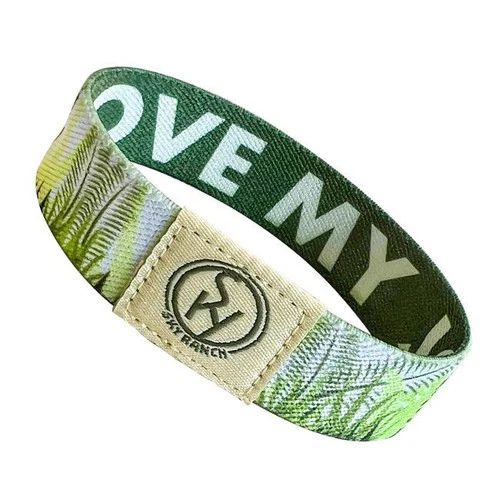
Fabric wristbands, especially woven or dye-sublimated styles, are a favorite for festivals, conferences, and VIP tiers. They hold branding well, feel more premium, and can become keepsakes. They also require more lead time and tighter proofing.
Silicone for branded reuse
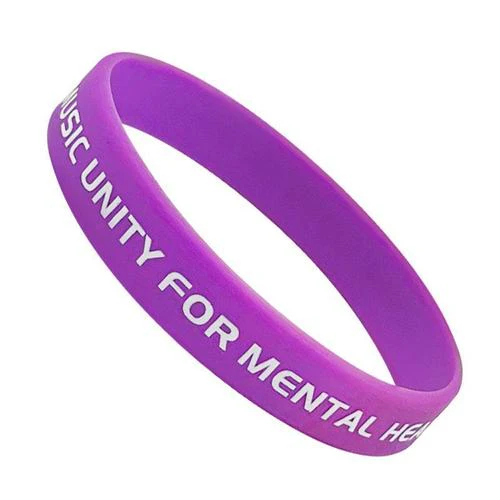
Silicone bands are often used for awareness campaigns, team identity, or branded giveaways rather than hard gate control. They can support long-term visibility, but because they are removable, they are weaker as anti-transfer access tools unless paired with another credential.
RFID-enabled options for access and analytics
RFID custom event wristbands support cashless payments, timed entries, attendee tracking, and gated zones. According to Cvent’s 2025 event planning outlook, planners continue to prioritize technologies that streamline registration and improve attendee flow. RFID can do that well, but only when the software, scanners, and staff training are ready. Otherwise, it becomes an expensive bottleneck.
| Event Scenario | Best Wristband Type | Why It Fits | Watch-Out |
|---|---|---|---|
| One-night nightclub promotion | Tyvek | Low cost, fast application, easy age or tier coding | Not premium-looking |
| Three-day music festival | Woven fabric | Comfortable, brandable, better anti-transfer closure | Longer production lead time |
| Water park family weekend | Vinyl | Handles water, durable, visible color coding | Can feel less comfortable in heat |
| Corporate summit with VIP lounges | RFID fabric | Access control plus data capture and premium presentation | Needs device testing and staff training |
Security Features That Actually Reduce Risk
Counterfeiting and wristband swapping are not just festival problems. They show up anywhere there is alcohol service, backstage access, paid upgrades, or sponsor hospitality. A wristband should help your risk plan, not sit outside it.
Useful security features include serialized numbering, laser numbering, one-way snap closures, unique color combinations, UV ink, holographic elements, and barcode or RFID integration. Not every event needs all of them. Adding features without a real risk model usually wastes money.
A better approach is to ask what kind of fraud you are actually trying to stop:
- Transfer fraud between attendees
- Counterfeit duplication by outside sellers
- Unauthorized staff or vendor movement into restricted zones
- Underage access to alcohol service areas
- Re-entry abuse during multi-session events
According to IBM’s 2024 Cost of a Data Breach Report, organizations continue to pay a high price for poor data governance and weak operational security. While a wristband is not a cybersecurity tool by itself, any RFID or barcode-based setup should be sourced with data handling and device management in mind. If attendee identity links to scan data, your vendor conversation must include privacy, retention, and platform access.
“Security features should be layered, not decorative. A fancy finish does not replace a strong access protocol.”
Branding Without Sacrificing Function
Event teams often push too hard on design and forget how the band works in the field. Tiny logos, low-contrast type, and overly subtle color palettes may look polished on a proof but fail at 20 feet in low light. Event security and bar staff need instant visual clarity.
The strongest custom event wristbands do two jobs at once: they reinforce the event identity and simplify operations. That usually means using bold tier colors, readable text, durable print methods, and intentional placement of logos or sponsor marks.
Here is the practical hierarchy I recommend:
- Start with access function: who needs to be identified and by whom.
- Set color rules around zones, age restrictions, or ticket classes.
- Add your primary logo in a placement that survives folding and fastening.
- Decide whether sponsor branding belongs on every band or only select tiers.
- Proof the design under real conditions, including dim light or wet environments.
Lead Times, Proofing, and Ordering Workflow
Most wristband failures do not begin on event day. They begin in the ordering process. A rushed approval, a missing size note, a logo file that prints muddy, or a closure style nobody tested can create expensive problems that no one sees until cartons arrive.
For that reason, sourcing should be handled like a mini production cycle, not a commodity purchase. I advise planners to confirm the following before any deposit or final signoff:
- Material type and exact closure mechanism
- Print method, color references, and artwork format
- Size and fit assumptions for adults, teens, or children
- Numbering, barcodes, or RFID encoding requirements
- Packaging by day, entrance, or access tier
- Overrun quantities and replacement policy
- Production timeline, shipping method, and contingency plan
When timelines get tight, split the job into critical and noncritical decisions. Security and functionality come first. Decorative extras can be trimmed if they threaten delivery.
A simple sourcing workflow that prevents rework
- Define your access map: entry points, zones, staff roles, and attendee tiers.
- Choose material based on event length, environment, and fraud risk.
- Create artwork with high-contrast operational elements.
- Request proof and, for large orders, a physical sample.
- Approve packaging logic so distribution is clean on-site.
- Order surplus for replacements and late registrations.
- Test with scanners or gate procedures before event day.
Cost Control and Bulk Pricing Decisions
Budget pressure is real, especially when planners are balancing signage, staffing, F&B, tech, and venue labor. But the cheapest wristband is often the most expensive choice once replacement labor, fraud, guest complaints, and visual inconsistency are counted.
Instead of asking only for unit price, ask for total operating value. A slightly higher-cost fabric band that reduces swaps and doubles as a souvenir can outperform a low-cost option that causes security issues. On the other hand, overbuilding a basic community event with RFID or premium woven construction can drain budget without adding meaningful value.
These questions usually lead to smarter spending:
- Will attendees wear the band for hours, days, or just one entry moment?
- Is counterfeit risk high enough to justify advanced features?
- Can one design serve multiple sessions, or do you need separate runs?
- Should VIP and GA bands use different materials or just different colors?
- Do sponsor dollars offset premium branding upgrades?
I have seen planners save money by simplifying artwork, consolidating SKUs, and using smarter packaging rather than downgrading material. That is usually the better lever.
A Real-World Case From Best Patches
I worked with a regional music promoter that had a recurring problem: guest line congestion during peak arrivals and unauthorized transfers into a premium viewing section. They had been using generic paper bands because the unit cost looked attractive, but on the ground it created confusion. Security had trouble identifying upgraded tiers in low evening light, and attendees were peeling and sharing bands more often than the client expected.
Best Patches recommended a shift to woven custom event wristbands for premium admission, plus a bold color-coded vinyl system for GA and bar-age verification. We also reworked the print layout so the VIP wording stayed visible after fastening, and we organized packaging by gate and by day instead of sending mixed cartons. That one adjustment cut sorting time at setup and reduced check-in friction almost immediately.
After the event, the promoter told us the most noticeable difference was not visual branding. It was staff confidence. The access team stopped second-guessing who belonged where. VIP complaints dropped, and the organizer kept the design architecture for the next season.
I saw a similar pattern with a corporate client running a three-day leadership summit. Their concern was less about fraud and more about experience. Executives hated cheap credentials, and the organizer wanted a cleaner alternative to lanyards for select after-hours functions. Best Patches developed a soft-touch fabric band with subtle branding for invited sessions only, while standard registration remained badge-based. The result felt premium without forcing wristbands into places where they were unnecessary. That balance mattered.
Common Sourcing Mistakes and How to Avoid Them
Even well-run teams can stumble when wristbands are treated as a late-stage add-on. The mistakes are predictable, which is good news because they are preventable.
Choosing by price before use case
This is the classic error. If your event has multiple access tiers, alcohol control, or multi-day wear, material selection should follow operations, not the other way around.
Approving art that looks good only on screen
Low contrast, tiny text, or excessive branding detail often fails in poor light or when folded. Real-world readability beats visual cleverness.
Ignoring packaging and distribution
A perfectly produced band can still create chaos if boxes are not labeled by date, gate, or tier. On-site teams should not have to sort 10,000 units by hand.
Skipping contingency quantities
Lost, damaged, and misapplied bands happen at every event. No cushion means unnecessary stress and inconsistent substitute solutions.
Adding technology without process readiness
RFID can be excellent, but only if hardware, scanning logic, and staff training are tested in advance. Fancy tech with weak execution usually creates longer lines, not shorter ones.
The larger point is simple: the wristband must fit the event system around it. A standalone product decision rarely stays standalone for long.
What Changes in 2026 Event Wristband Buying
By 2026, sourcing conversations are shifting in three clear directions: better attendee experience, stronger operational visibility, and more pressure on sustainability claims. Clients want wristbands that move people faster, look more branded, and create less waste.
That does not mean every event should rush into smart bands or premium materials. It means event managers will increasingly be asked to justify why a certain band was chosen and what business outcome it supports. If a product claim includes eco language, ask for specifics. If a supplier promotes smart access, ask what the setup requires on site. If the design is meant to elevate brand perception, ask how it performs under actual event conditions.
Planners should also expect tighter scrutiny around data and attendee trust. If custom event wristbands interact with payment, identity, or behavioral tracking, procurement can no longer stay separate from privacy and compliance conversations. The wristband category is becoming more strategic, not less.
Closing Takeaways
Custom event wristbands work best when they are sourced as operational tools with brand value, not as a last-minute accessory. Material, closure, print method, packaging, and security features each affect the attendee experience and your team’s ability to control the event smoothly.
Best Patches recommends these next actions for event managers who want fewer surprises:
- Build your wristband brief around access control, attendee comfort, and real fraud risk before comparing prices.
- Request proofs and, for large or premium events, physical samples that reflect actual materials and closures.
- Plan packaging, surplus quantities, and staff testing early so event-day execution stays fast and clean.
References
- Freeman 2024 Trends Report — provided current insight into attendee expectations around seamless live-event experiences.
- Cvent 2025 event planning outlook and industry research — supported the ongoing demand for smoother registration and operational efficiency.
- IBM 2024 Cost of a Data Breach Report — informed the discussion around data handling and security considerations for RFID-enabled event systems.
- PCMA industry research from 2024 and 2025 — reinforced how planners are balancing experience, technology, and operational resilience.
FAQ
What are custom event wristbands used for?
They are commonly used for entry control, VIP segmentation, age verification, backstage access, cashless payments, and branding. A good wristband helps staff identify guests quickly while reducing fraud and check-in delays.
Which material is best for custom event wristbands?
It depends on your event format:
Tyvek for one-day, high-volume entry
Vinyl for durability and wet environments
Fabric for premium or multi-day events
RFID fabric for advanced access control and analytics
How far in advance should I order event wristbands?
For simple paper or vinyl bands, a shorter lead time may work. For woven, custom-dyed, or RFID-enabled styles, giving yourself several weeks is safer. Large events should also build in time for proofing, physical samples, and shipping delays.
How can I prevent wristband swapping or counterfeiting?
Use layered controls rather than one feature alone. Strong options include:
Tamper-evident closures
Serialized numbering or barcodes
Distinctive colors by tier or day
UV ink, holographic effects, or RFID where risk justifies the cost
Are RFID custom event wristbands worth the extra cost?
They can be, especially for festivals, conferences, and premium events that need gated access, scanning, or cashless transactions. They are not automatically better for every event. If your team cannot support the devices, software, and testing, a simpler wristband system may perform better.
How many extra wristbands should I order?
A practical rule is to order about 5 to 8 percent extra. That covers damage, last-minute registrations, staff changes, and on-site mistakes without forcing you into inconsistent backup solutions.