 Promotional Products
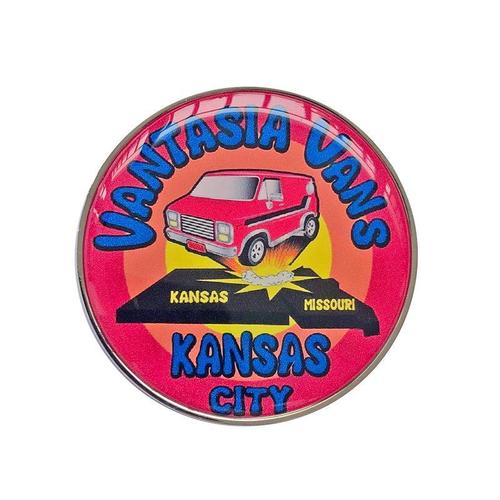
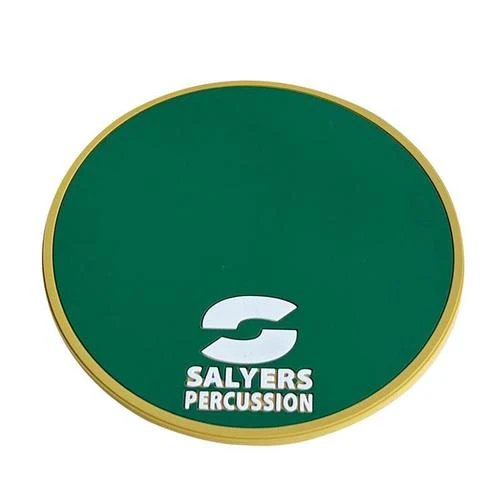
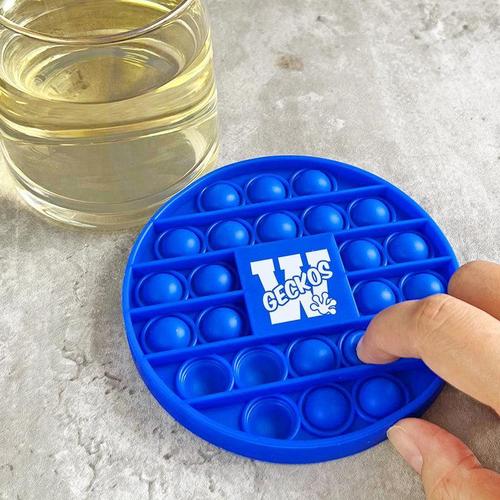
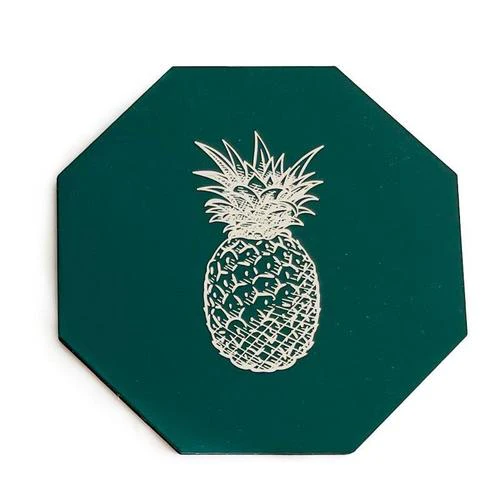


Avoid the 5 most costly custom coasters ordering mistakes with smart tips on materials, artwork, timelines, and supplier selection in 2026
Introduction
Ordering custom coasters sounds simple until the proof arrives, the colors look flat, the material feels flimsy, and the shipping date misses your event by a week. That is where many buyers lose money. Restaurants, breweries, wedding planners, real estate teams, and ecommerce brands often focus on unit price first, then end up paying more in reprints, rush production, or poor brand impact.
Best Patches has worked with businesses that needed promotional pieces to do more than sit on a table. A good coaster has to protect surfaces, carry a brand clearly, and hold up long enough to justify the spend. When any one of those factors is ignored, the order may look acceptable in a box but underperform in the real world.
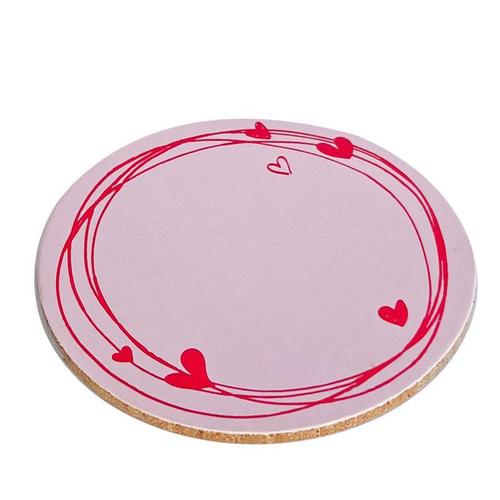
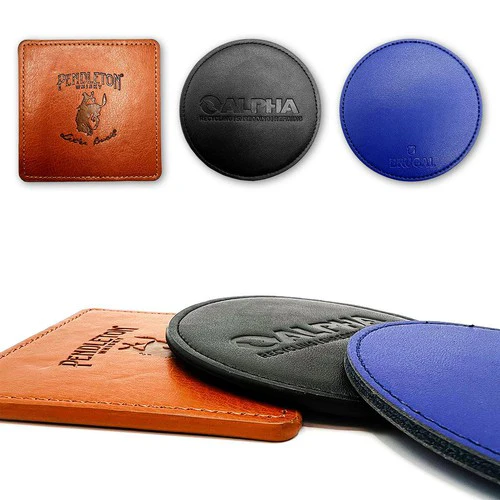
Custom coasters are branded drink mats made in materials such as pulpboard, cork, rubber, acrylic, wood, or leatherette. Companies use them for hospitality, events, gifting, and promotional campaigns because they combine utility with repeated brand exposure.
The expensive part is rarely the initial quote. The expensive part is ordering the wrong specifications, from the wrong production setup, for the wrong use case. The five mistakes below are the ones that most often turn a smart marketing purchase into a frustrating cleanup job.
Table of Contents
- Why Custom Coasters Still Work in 2026
- Choosing Material Based on Price Alone
- Sending Artwork That Is Not Production-Ready
- Ignoring the Real Usage Environment
- Ordering the Wrong Quantity and Timeline
- Picking a Supplier Without Proofing Discipline
- How to Build a Better Order Brief
- A Real-World Case From Best Patches
- Final Pre-Production Checklist
Why Custom Coasters Still Work in 2026
Useful branded products keep earning attention after the first handoff. That matters more now because brands are fighting shorter attention spans and rising ad costs. A physical item that stays on a desk, bar, or coffee table creates repeated impressions without another media buy.
According to the 2024 ASI Ad Impressions Study, consumers tend to hold onto practical promotional products longer than many disposable print pieces. Coasters fit that pattern when the material matches the setting. A thick pulpboard coaster in a taproom, a cork set in a closing gift box, or a premium leatherette coaster in a client welcome package can all do different jobs well.
At the same time, not every coaster order is worth placing. If your artwork is weak, your event date is fixed, or your audience is unlikely to reuse the item, the return can drop quickly. Good ordering decisions start with one question: Where will these actually be used?
Choosing Material Based on Price Alone
The fastest way to waste a coaster budget is to compare quotes without comparing materials. Buyers often assume all custom coasters do the same job. They do not.
Low-cost pulpboard may be perfect for a brewery launch or wedding reception where absorbency matters and single-event use is acceptable. The same material can feel cheap and waterlogged in a premium corporate gifting campaign. Acrylic looks modern and crisp, but it can show scratches if used in high-turnover hospitality. Cork is warm and eco-friendly, but fine detail may reproduce less sharply than on coated surfaces.
What goes wrong when material is mismatched
- Ink bleeds or dulls on highly porous stock
- Edges fray during service
- Condensation causes curling or swelling
- The product feels too cheap for the brand position
- Shipping costs rise because the material is heavier than expected
According to the 2025 Two Sides consumer research on print and packaging preferences, many buyers continue to respond positively to tactile, sustainable-feeling materials. That is useful guidance, but “sustainable-feeling” does not mean every natural material is right for every order. Brand fit and function still come first.
| Business Scenario | Best Material | Main Advantage | Main Risk |
|---|---|---|---|
| Craft brewery grand opening | Pulpboard | High absorbency at low unit cost | Short lifespan and softer print finish |
| Luxury realtor closing gift | Leatherette or slate set | Premium perceived value | Higher shipping and packaging cost |
| Coffee shop merch display | Cork | Natural look with broad appeal | Less precise detail on tiny logos |
| Tech company conference swag | Acrylic or rubber | Clean branding and reuse potential | Can feel generic without strong design |
“The material decision should come before the design details, not after. If the coaster fails in the hand or under condensation, the logo will not save it.”
Sending Artwork That Is Not Production-Ready
Many coaster problems are art problems pretending to be factory problems. A file may look sharp on a laptop and still print poorly because the color mode is wrong, the text is too small, the bleed is missing, or the line weight cannot survive the chosen material.
This is especially common when buyers reuse social media graphics or screenshots. Those assets were made for screens, not for print production. If your supplier has to rebuild the art from scratch, you add time, increase error risk, and often weaken the final result.
Common artwork issues that trigger reprints
The biggest offenders are low-resolution raster files, RGB colors submitted for print, logos placed too close to the edge, and dark-on-dark combinations that look stylish on screen but disappear in production. White ink layers also matter on clear or dark substrates. If they are not planned correctly, the printed image can look muddy or partially transparent.
How to prep files the right way
- Use vector files whenever possible: AI, EPS, PDF, or SVG.
- Set artwork in CMYK if your supplier requests print-ready color.
- Add bleed and keep important text inside a safe zone.
- Outline fonts so nothing shifts during output.
- Request a digital proof and, for larger orders, ask about a physical sample.
According to Adobe’s 2024 creative workflow guidance for print production teams, vector-based assets and approved proofing workflows remain the most reliable way to reduce costly output errors. That may sound basic, but it is still where many small and midsize orders go sideways.
Ignoring the Real Usage Environment
A coaster used at a wedding bar is not the same product as a coaster placed in a subscription box or handed out at a trade show. Yet buyers often order one style for every situation. That shortcut creates performance problems.
Start with moisture exposure, handling frequency, cleaning expectations, and storage conditions. Will staff wipe the coasters between uses? Will they sit outside on a patio? Will they be stacked in bulk at a busy bar? Will customers take them home?
If you skip these questions, you can end up with an item that looks good in the proof and fails in service. Absorbent materials can break down too fast in high-volume venues. Hard-surface coasters can slide too easily on slick tables if the backing is wrong. Premium gift coasters can arrive chipped if the packaging was not built for transit.
Questions smart buyers ask before approving specs
- Is this coaster meant for one event, repeat service, or gifting?
- Will it contact cold drinks, hot mugs, or both?
- Does the brand need a rustic, modern, playful, or luxury feel?
- How much storage space is available before the event?
- Will shipping go direct to one location or many recipients?
“A coaster is a tiny product with big context. The context decides whether your spend becomes useful branding or just printed waste.”
Ordering the Wrong Quantity and Timeline
Another expensive mistake is chasing a lower unit cost by ordering too many, or playing it too safe and ordering too few. Both hurt.
Overordering is common when buyers assume every leftover piece will be used later. In reality, campaigns change, logos update, venues close, and event dates pass. Underordering creates a different problem: panic. The reorder often comes with rush fees, upgraded shipping, and inconsistent color because it may run on a different batch or machine schedule.
A 2024 report from Deloitte on supply chain planning emphasized that shorter planning windows and late-stage changes continue to raise fulfillment costs across physical goods categories. Coasters are not exempt. A small custom order with a hard deadline can become surprisingly expensive if art approval drags or if the buyer waits too long to commit.
Quantity planning should account for more than attendance
Do not base your order only on guest count or customer foot traffic. Add spoilage, last-minute additions, photo styling use, VIP kits, and replacement stock. For hospitality, think in table turns and service hours, not just seats. For promotional campaigns, think in distribution waves, not one-time handouts.
A practical rule many buyers use is this:
- Add 5% to 10% buffer for events with fixed headcounts
- Add 10% to 15% for hospitality environments with active service
- Add a separate reserve if shipping to multiple locations
Picking a Supplier Without Proofing Discipline
The wrong supplier is not always the cheapest one. It is often the one that says yes too quickly, asks too few questions, and sends a vague proof that hides production risk. Good suppliers slow down the right parts of the process.
You want a partner who clarifies material behavior, imprint limits, edge tolerance, color expectations, packaging options, and turnaround windows before payment locks the order. If those conversations never happen, the burden of quality control shifts back to you.
Warning signs to watch for
- No material samples or clear substrate descriptions
- No mention of bleed, safe zone, or color limitations
- Turnaround promises that leave no room for revision
- Proofs approved through chat screenshots instead of formal signoff
- Unclear policies on defects, overrun, underrun, or reprints
I have seen this firsthand. A client came to Best Patches after ordering branded coasters from a low-cost vendor for a regional restaurant rollout. The mockup looked polished, but the delivered pieces had inconsistent color density and visibly soft edges. We reviewed the original art package and found there had been no production-safe file check, no true color callout, and no conversation about how the porous stock would affect saturation. The “savings” disappeared once they paid for a second run.
On another project, I worked with a boutique hotel group that wanted custom coasters for minibar service and lobby gifting. We pushed for a pre-production sample even though it added a little time. That sample exposed a backing issue that would have caused slipping on stone side tables. Fixing it before the full run protected both the launch date and the brand presentation. That is what disciplined proofing does: it catches the expensive problem while it is still cheap to fix.
How to Build a Better Order Brief
The simplest way to reduce mistakes is to give your supplier a brief that goes beyond “we need 500 coasters with our logo.” Strong briefs create strong proofs.
What your order brief should include
- Use case: event, hospitality, gifting, retail, or mailer
- Preferred material and acceptable alternatives
- Size, shape, thickness, and edge style
- Artwork files plus color references
- Required in-hand date, not just ship date
- Packaging needs: bulk packed, boxed sets, or individual wrapping
- Budget range and target quantity
If your brand team cares about consistency, include photos of nearby branded items too. Coasters rarely live alone. They usually sit beside menus, packaging inserts, gift boxes, mugs, or table signage. A supplier who understands the full visual system can guide better finish and color choices.
A Real-World Case From Best Patches
One of the more instructive coaster projects I handled through Best Patches involved a fast-growing beverage startup preparing for a distributor meeting and a public tasting event at the same time. Their first instinct was to order one coaster style for both audiences to keep pricing simple. On paper, that looked efficient. In practice, it would have underperformed in both settings.
I recommended splitting the order. For the tasting event, we guided them toward absorbent pulpboard custom coasters with bold, high-contrast branding that would hold up during fast service and still photograph well. For the distributor kits, we shifted to a cleaner, more durable finish that matched the premium packaging. The artwork was adjusted separately for each substrate, and we approved proofs based on the actual viewing distance and use conditions.
The result was not just a better-looking product. It was a more effective spend. Event staff had fewer replacements to manage during service, and the distributor kits felt intentional rather than promotional throw-ins. That project reinforced a principle I repeat often: one logo does not mean one product spec.
Final Pre-Production Checklist
Before you approve any order, run through this final check:
- Confirm the coaster’s main job: absorb, impress, gift, or endure.
- Match material to moisture, handling, and brand position.
- Verify print-ready files, color expectations, and bleed.
- Approve a proof that reflects the real substrate and finish.
- Pad quantity for spoilage, extras, and distribution complexity.
- Back-plan from the in-hand date with room for revision.
That process may add a little time at the front end. It usually saves far more time, money, and stress at the back end.
Conclusion
The biggest mistakes with custom coaster orders are rarely dramatic. They are small decisions made too quickly: the wrong material, weak files, vague use-case planning, poor quantity forecasting, and supplier selection based on quote speed instead of production discipline. Those are the errors that turn a low-cost marketing item into a high-cost correction.
Best Patches recommends three next steps before you place your next order:
- Ask for material guidance based on your real use environment, not just your budget target.
- Prepare production-ready artwork and request a formal proof review.
- Set your in-hand deadline early enough to allow one revision cycle without panic.
References
- ASI Ad Impressions Study, 2024 — Supports the long-term value of practical promotional products and repeat brand exposure.
- Two Sides Consumer Research, 2025 — Highlights continued consumer preference for tactile and sustainability-associated printed materials.
- Deloitte Supply Chain Report, 2024 — Provides context on how late-stage planning and compressed timelines increase fulfillment costs.
- Adobe Print Production Workflow Guidance, 2024 — Reinforces best practices for vector assets, proofing, and print-ready file preparation.
FAQ
What is the best material for custom coasters?
-
It depends on how they will be used. Pulpboard is great for bars and events because it absorbs moisture well. Cork works for eco-conscious branding and everyday use. Acrylic, slate, or leatherette fit premium gifting better because they last longer and feel more upscale.
How thick should custom coasters be?
-
For disposable or event-use pulpboard, many buyers choose around 1.4mm to 2mm. Reusable cork, rubber, or acrylic coasters are often thicker, usually in the 3mm to 5mm range, depending on the look and durability you want.
What file format should I use for custom coasters artwork?
-
The safest option is vector artwork. In most cases, use:
-
.AI, .EPS, .PDF, or .SVG for logos and line art
-
.PNG only if high-resolution transparency is needed
-
Keep colors and fonts production-ready, with text outlined
-
Avoid screenshots or low-resolution web graphics
How much do custom coasters usually cost?
-
Pricing varies by material, print method, size, and quantity. A rough range looks like this:
-
Pulpboard event coasters: often the lowest-cost bulk option
-
Cork or rubber coasters: mid-range for reusable everyday use
-
Acrylic, slate, or leatherette sets: higher cost but stronger premium appeal
-
Rush production and custom packaging can raise the final price quickly
Do coaster manufacturers have minimum order quantities?
-
Usually, yes. Bulk promotional orders often come with MOQs, especially for custom shapes or specialty materials. Some suppliers may offer smaller runs for sample sets or premium boxed coasters, but the per-unit cost will usually be higher.
Are custom coasters good for business marketing?
-
Yes, especially when they are useful in the setting where your audience spends time. They tend to work well for:
-
Bars, breweries, and coffee shops
-
Real estate closing gifts and welcome kits
-
Trade shows, launch parties, and branded event tables
-
Subscription boxes or client appreciation packages