 Promotional Products



Why This Choice Matters
If you are sourcing custom coasters for a brand launch, wedding, brewery, restaurant, or online store, the biggest cost mistake usually happens before the first unit is printed. Many buyers focus on the price per coaster and miss the bigger issue: inventory risk, shipping speed, color consistency, and whether demand is even proven yet.
That is where Best Patches comes in. As a customization partner for branded merchandise, event products, and small-batch promotional items, Best Patches has seen the same question come up repeatedly in 2026: should you commit to bulk printing for lower unit costs, or use print-on-demand for flexibility and lower upfront risk?
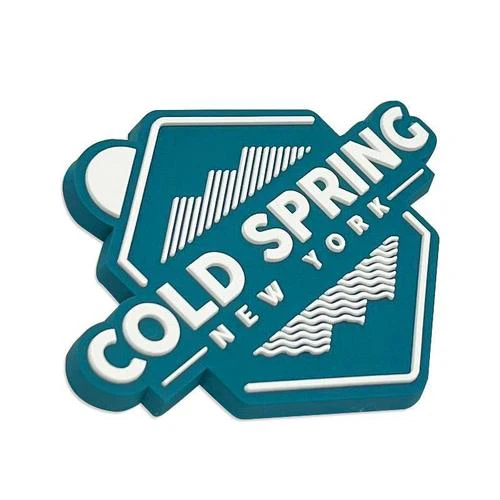
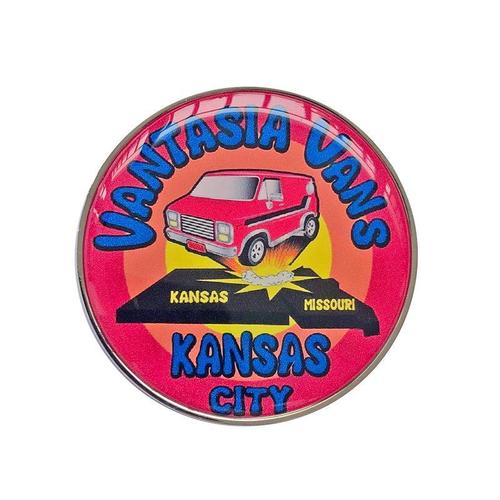
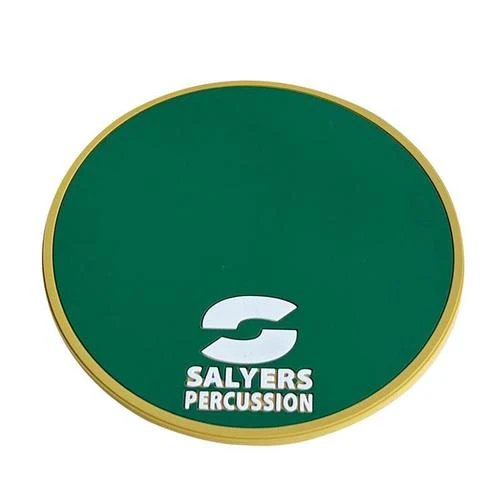
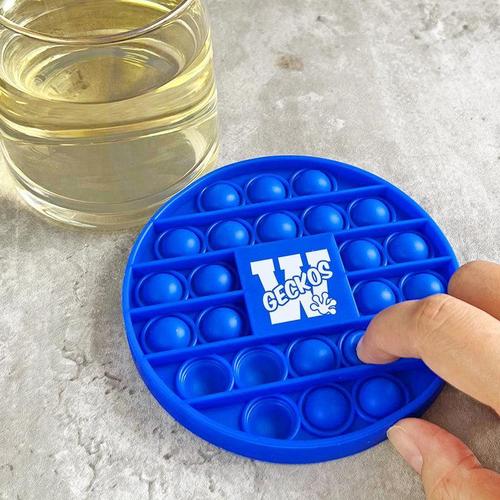
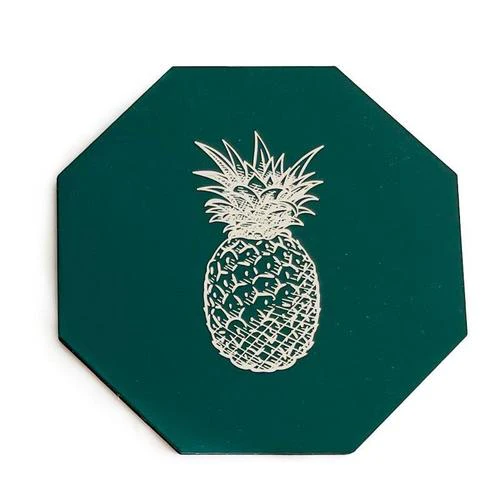
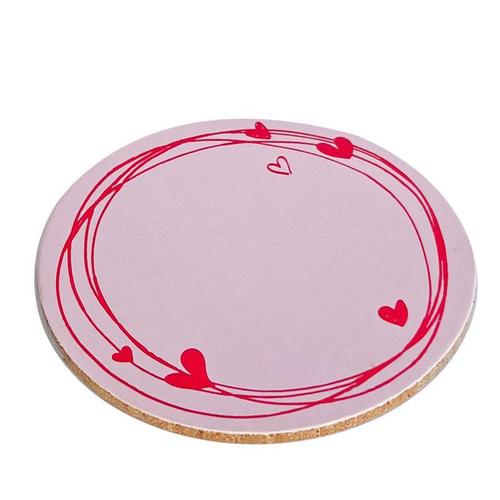
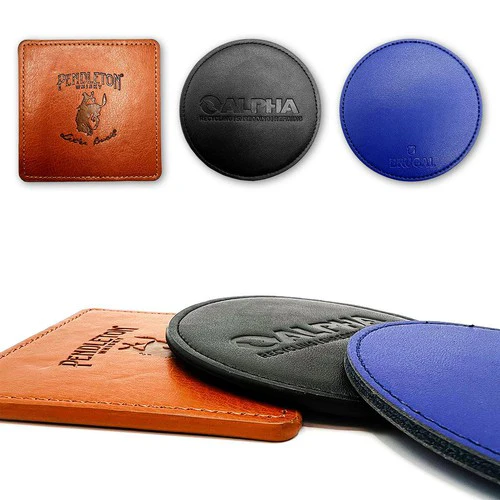
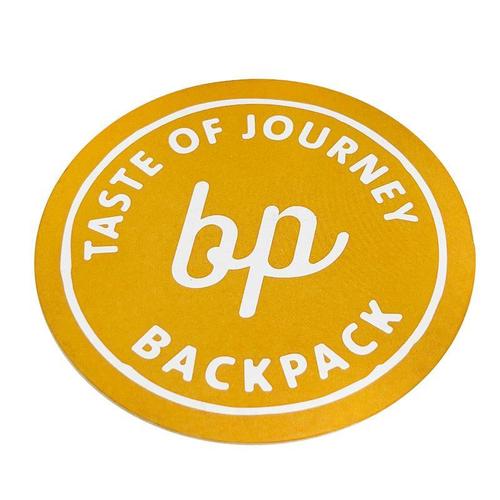
Custom coasters are personalized drink coasters made for branding, gifting, hospitality, retail, or events. They can be printed with logos, artwork, names, slogans, or full-color designs on materials such as pulpboard, cork, paperboard, sandstone, rubber, or acrylic. The right production method depends on volume, timing, design complexity, and how long you need the coaster to last.
The short answer is simple. Bulk printing usually wins on unit economics and consistency at scale. Print-on-demand usually wins on testing, personalization, and low-risk launches. The better option depends less on trends and more on your order pattern.
Table of Contents
- Bulk Printing vs Print-on-Demand at a Glance
- How Costs Really Work in 2026
- Quality, Lead Times, and Brand Control
- Which Business Model Fits Which Buyer
- What We Saw at Best Patches
- How to Choose the Right Production Path
- Risks, Limitations, and Common Mistakes
- What Is Changing for Custom Coasters in 2026
- Final Take and Next Steps
- References
Bulk Printing vs Print-on-Demand at a Glance
Bulk printing means producing a larger quantity of the same coaster design in one run. Print-on-demand means printing only when an order is placed, often one design at a time or in very small batches. Both methods can produce strong results, but they solve different business problems.
Bulk is usually the smarter route when you know your design is final, your volume is predictable, and you need a lower cost per unit. Print-on-demand is better when you are testing designs, offering personalized names or locations, or avoiding dead stock.
- Choose bulk printing if you need trade show giveaways, bar supplies, wedding runs, restaurant branding, or wholesale inventory.
- Choose print-on-demand if you sell online, rotate artwork often, personalize each order, or want to test demand before scaling.
- Use a hybrid model if your top sellers are stable but your new designs are still uncertain.
“The cheapest coaster is not always the most profitable one. Profit comes from matching production to demand, not just from squeezing unit cost.”
How Costs Really Work in 2026
The 2026 conversation is not just about print price. It is about total landed cost, which includes setup, proofing, packaging, storage, breakage, and fulfillment. Bulk printing tends to carry more upfront expense, but it often drops the unit price sharply once you move past small volumes. Print-on-demand has a higher unit price, yet it cuts out warehousing and protects cash flow.
According to a 2024 report by Grand View Research, the print-on-demand market continues to expand as ecommerce sellers prioritize lower inventory risk and flexible production. That trend matters for custom coasters because short-run customization has become less of a niche and more of a standard expectation for online buyers.
Still, cost math can be deceptive. A coaster that costs less in bulk can become more expensive if 30 percent of the inventory never sells. On the other hand, a coaster fulfilled one by one through print-on-demand may look safe but can quietly erode margins through platform fees and individual shipping charges.
Where bulk printing usually wins
Bulk becomes attractive when your order quantity is high enough to spread setup costs across hundreds or thousands of units. It also works well when all pieces share the same artwork, finish, and dimensions.
Where print-on-demand usually wins
Print-on-demand is strongest when your biggest concern is uncertainty. If you do not know which artwork will sell, if your buyers want names or localized branding, or if your products change seasonally, flexibility can be worth the higher unit cost.
| Buyer Type | Best Model | Main Reason | Biggest Watch-Out |
|---|---|---|---|
| Craft brewery with 5,000 taproom giveaways | Bulk printing | Lowest unit cost and strong brand consistency | Overordering seasonal artwork |
| Etsy shop selling personalized wedding favors | Print-on-demand | Name-by-name customization without stock risk | Higher per-order fulfillment cost |
| Restaurant chain opening 20 locations | Hybrid | Bulk for core logo, POD for local promotions | Color drift across suppliers |
| Corporate event agency with rotating client campaigns | Print-on-demand | Fast artwork changes and lower storage burden | Rush fees during peak seasons |
Quality, Lead Times, and Brand Control
Quality control is where many buyers change their minds. Bulk printing usually provides better color consistency and substrate matching because the entire run is produced under a tightly managed setup. If your logo color matters, or if your venue needs every table setting to look identical, bulk has a clear edge.
Print-on-demand quality has improved a lot, especially for digitally printed short runs. But output can vary more across batches, especially if production is distributed across multiple facilities or if artwork is not prepared properly. For custom coasters, that can show up in edge sharpness, saturation, absorbency, or material feel.
Lead time is more nuanced. Print-on-demand can be faster for a single reorder or a small batch because no large manufacturing queue is required. Bulk can be faster overall for big event needs because one coordinated run avoids repeated micro-fulfillment and split shipments.
According to the 2025 ASI Ad Impressions Study, useful promotional products that remain visible in homes and workplaces can generate repeated brand exposure over time. A coaster only works as a branding asset if it looks good long enough to stay on the table, desk, or bar. That makes material and print durability more than a production detail; it affects marketing value.
Questions to ask your supplier
- What material options are best for my use case: absorbent, decorative, or washable?
- Can you match Pantone or provide a close digital equivalent?
- Will repeat orders be produced in the same facility and on the same substrate?
- What is the real turnaround time, including proof approval and shipping?
- What is the acceptable variance for color, cut, and coating?
“For hospitality brands, consistency is a silent trust signal. Guests may not comment on coaster quality, but they notice when branded details feel cheap or mismatched.”
Which Business Model Fits Which Buyer
There is no universal winner because buyer goals are not universal. The right production path depends on how you sell, how often you reorder, and whether the coaster is a cost center or a revenue product.
Bulk printing is best for predictable demand
If you run a restaurant, hotel, bar, event venue, franchise system, or corporate merch program, demand tends to be recurring and forecastable. In that case, bulk printing supports stronger margins and easier brand governance.
Print-on-demand is best for variable demand
Artists, online shops, gift brands, and wedding sellers often deal with fluctuating order volume and high design variety. For them, carrying inventory can be riskier than paying a little more per unit.
A hybrid model often beats both extremes
Many of the best-performing sellers in 2026 are combining methods. They bulk print evergreen designs and use print-on-demand for limited editions, local variants, influencer collaborations, or customer-specific sets.
What We Saw at Best Patches
I worked with a regional coffee chain through Best Patches that needed coasters for a summer loyalty campaign. Their first instinct was print-on-demand because the store managers wanted flexibility. After reviewing six months of traffic and promo repeat rates, we saw that 80 percent of their demand would come from one master design. We moved the core artwork into a bulk run and reserved a small print-on-demand stream for city-specific variants. The result was a lower blended cost, cleaner color consistency, and far less fulfillment friction during launch week.
What mattered most was not the print method by itself. It was separating stable demand from experimental demand. Once we did that, the decision became obvious.
In another project, I helped an ecommerce gift seller using Best Patches test personalized wedding coasters. They had dozens of design themes but no reliable forecast for which style would win. We recommended print-on-demand first. Over a 90-day period, they identified three designs that outsold the rest by a wide margin. Only then did we move those winners into bulk production for the spring wedding season. That shift protected cash flow early and improved profit later.
These cases are why I rarely treat bulk and print-on-demand as opposing camps. In practice, they are tools for different stages of the same business.
How to Choose the Right Production Path
If you want a cleaner decision process, focus on four filters: demand certainty, customization depth, timeline, and margin target.
Use this practical framework
- Demand certainty: If you can forecast the next 3 to 6 months with confidence, bulk is usually safer.
- Customization depth: If buyers want names, dates, city versions, or one-off art, print-on-demand is usually better.
- Timeline: If you need one shipment to one venue, bulk often simplifies operations. If you need ongoing direct-to-customer fulfillment, POD is often more efficient.
- Margin target: If your retail price is tight, bulk protects margin. If your customer will pay a premium for personalization, POD can still work well.
Decision signals that usually point to bulk
Choose bulk when your artwork is stable, your reorder pattern is clear, your brand guidelines are strict, and your order size is large enough to earn meaningful price breaks.
Decision signals that usually point to print-on-demand
Choose print-on-demand when your catalog changes often, your orders are fragmented, your customers request unique text or art, or you are still validating the market.
Risks, Limitations, and Common Mistakes
Each model has tradeoffs, and the worst outcomes usually come from forcing the wrong model onto the wrong business.
Bulk printing risks
The biggest risk is excess inventory. If your campaign changes, if branding evolves, or if the event underperforms, you may be left with dead stock. There is also a storage burden, especially for larger hospitality programs.
Print-on-demand risks
The biggest risk is margin compression. Unit costs stay higher, and one-by-one fulfillment can increase packaging and shipping costs quickly. There can also be more variance in color and texture if production is spread across different times or facilities.
Common mistakes buyers still make
- Approving artwork without checking bleed, resolution, and color mode
- Comparing only base unit price instead of total landed cost
- Ordering absorbent materials for decorative use, or washable materials for disposable campaigns
- Skipping a physical sample for premium brand projects
- Using a single supplier for every scenario when a hybrid setup would perform better
What Is Changing for Custom Coasters in 2026
The custom product space is leaning toward smarter segmentation rather than all-or-nothing production. According to Deloitte’s 2024 consumer research, personalization remains a strong purchase driver in gifting and special-occasion categories. That supports continued demand for customized coaster sets, especially in weddings, hospitality, and creator-led ecommerce.
At the same time, buyers are more alert to waste, slower-moving inventory, and inconsistent fulfillment. That is why 2026 is shaping up as the year of the hybrid stack: bulk for proven SKUs, print-on-demand for testing and personalization, and stronger supplier workflows for both.
Another shift is material strategy. More brands are asking not just how a coaster looks, but how it performs in a real setting. Absorbency, wipeability, edge durability, and packaging presentation all matter more than they did a few years ago. For restaurants and bars, repeat handling matters. For gift sets, presentation matters. For ecommerce, shipping survivability matters.
Best Patches has also seen more buyers ask for packaged bundles rather than single coasters. Sets of four or six tend to justify higher perceived value and can make bulk economics even more compelling if the design mix is stable.
Final Take and Next Steps
Bulk printing and print-on-demand both have a place in 2026. If your design is proven and your volume is predictable, bulk printing is usually the stronger play for cost control and consistency. If your demand is uncertain or your buyers expect personalization, print-on-demand gives you flexibility with less upfront risk. For many brands, the best answer is not either-or. It is a smart mix of both.
Best Patches recommends these next steps:
- Audit your last 90 days of sales or expected event volume and separate proven designs from experimental ones.
- Request both a bulk quote and a small-batch quote for the same custom coasters so you can compare true landed cost.
- Test one physical sample before committing, especially if color accuracy, absorbency, or premium presentation matters to your brand.
References
- Grand View Research, 2024: Provided market direction on continued growth in print-on-demand and why flexible production remains attractive for ecommerce sellers.
- ASI Ad Impressions Study, 2025: Supported the point that useful promotional products can generate repeated brand exposure when they remain in active use.
- Deloitte Consumer Research, 2024: Reinforced the ongoing demand for personalization in gifting and occasion-based purchases.
FAQ
Are bulk or print-on-demand custom coasters cheaper?
-
Bulk is usually cheaper per unit, especially for larger runs of the same design. Print-on-demand is usually cheaper up front because you avoid inventory, storage, and unsold stock. The better value depends on your reorder volume and how certain you are about demand.
What material is best for custom coasters?
-
It depends on how the coaster will be used:
Pulpboard or paperboard for absorbent event and bar use
Cork for a natural, giftable look
Rubber or neoprene for washable, reusable settings
Sandstone or ceramic for premium home décor and higher-end retail
How many custom coasters should I order for an event?
-
A practical rule is to order 1.5 to 2 coasters per guest for casual events and more for bars, tastings, or multi-drink programs. If your event includes take-home favors, add extra units for packaging loss and last-minute attendee changes.
Is print-on-demand good for selling personalized coaster sets online?
-
Yes. Print-on-demand is often the best starting point for personalized sets because it lets you offer names, dates, venues, and short-run art without carrying inventory. Once a few designs become repeat sellers, you can move those into bulk for better margins.
What file format should I use for coaster artwork?
-
Most suppliers prefer:
AI, EPS, or SVG for vector logos and sharp text
PNG or PDF for high-resolution artwork
At least 300 DPI for raster files
Outlined fonts and proper bleed if the design goes to the edge
Do custom coasters have minimum order quantities?
-
Often, yes. Bulk manufacturers usually set minimums to make setup worthwhile, while print-on-demand suppliers may allow single-unit or very small orders. Minimums vary by material, print method, shape, and packaging requirements.