 Promotional Products
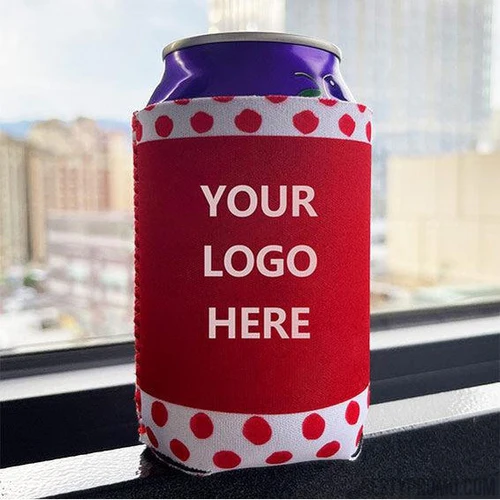
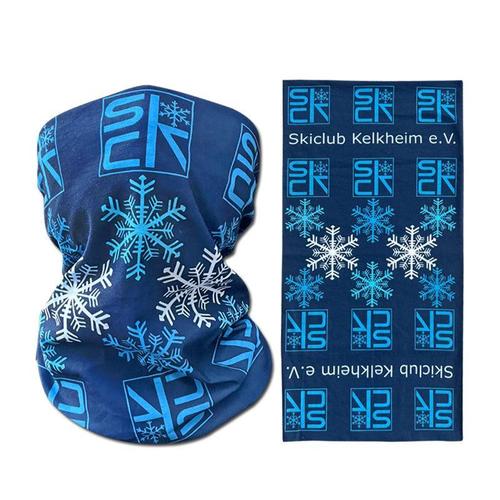
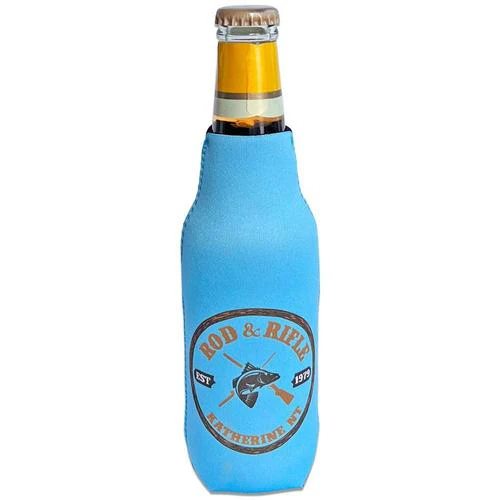
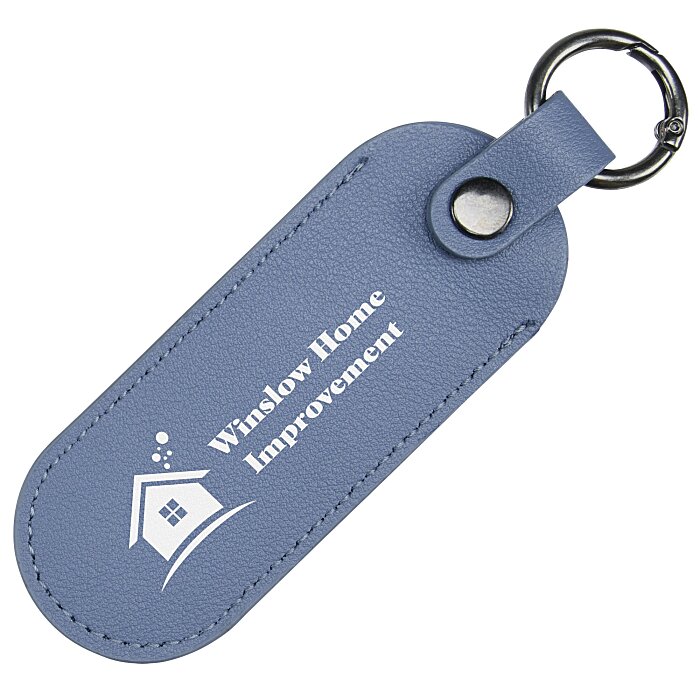
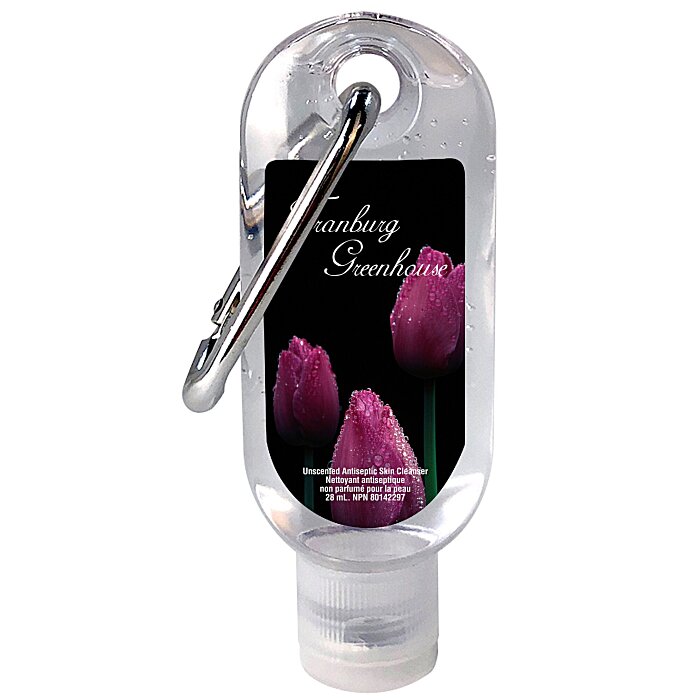
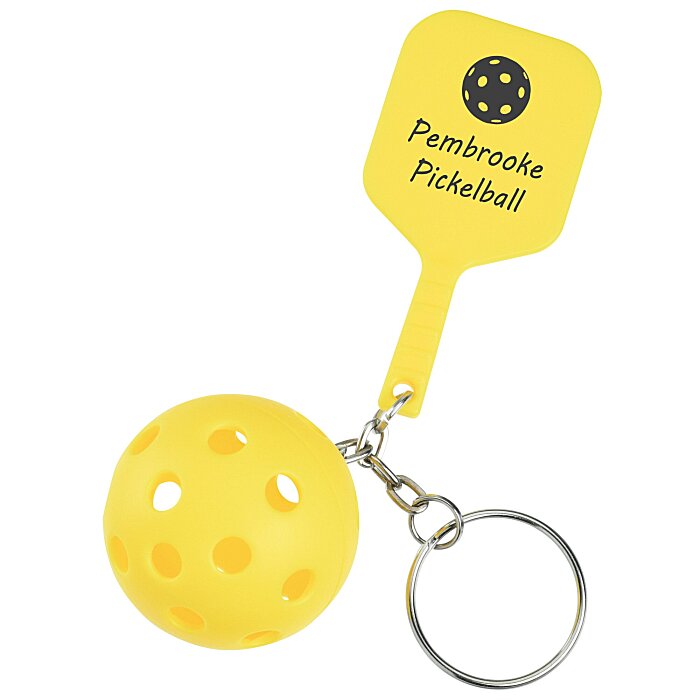
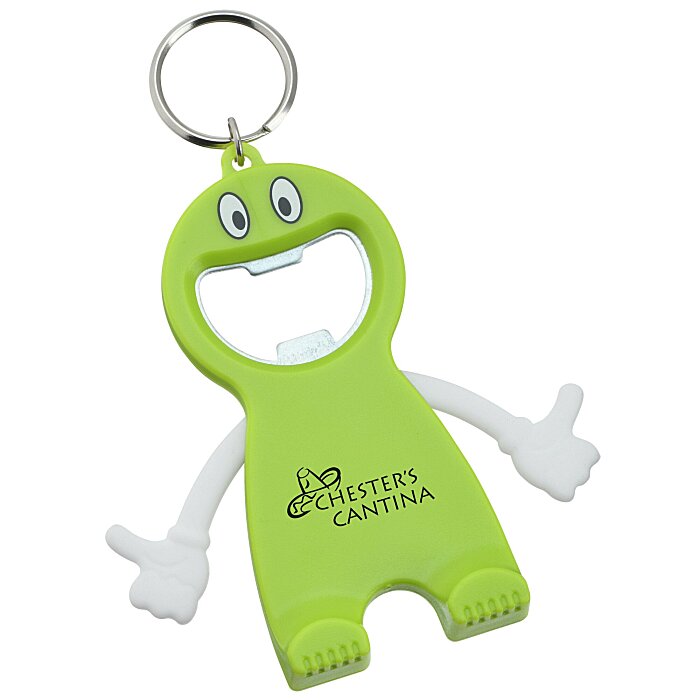




Promotional Products Industry 101
A practical overview of the promotional products industry, including how branded merchandise is sourced, decorated, distributed and used to support marketing, events, employee engagement and customer retention.
Promotional Products Industry 101: How Branded Merchandise Works
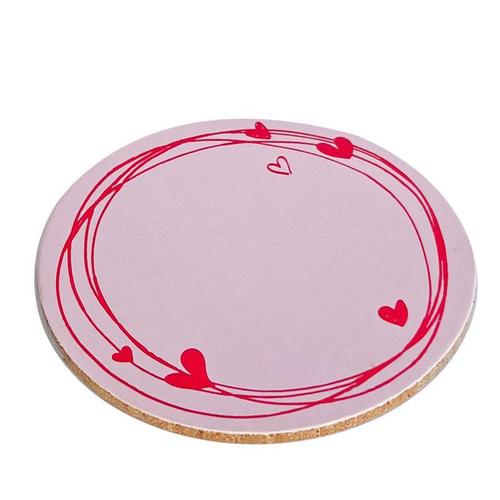
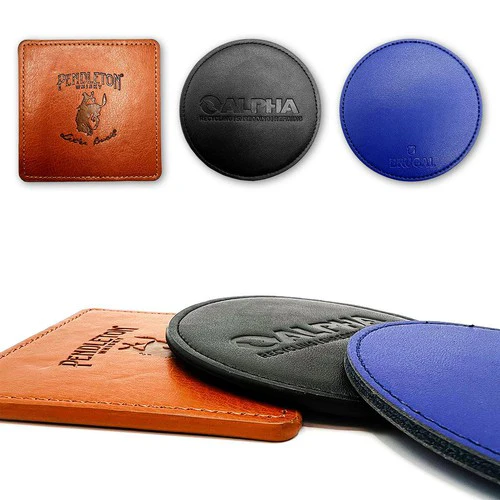
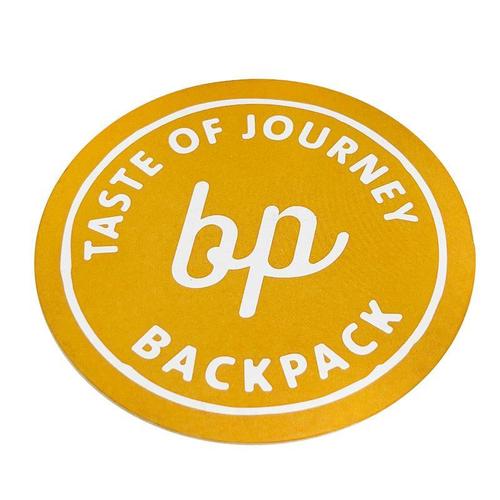
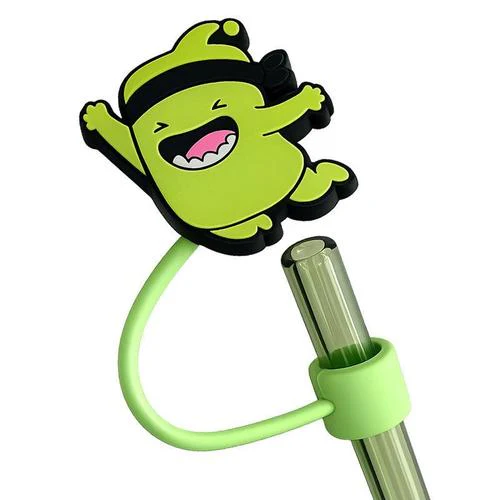
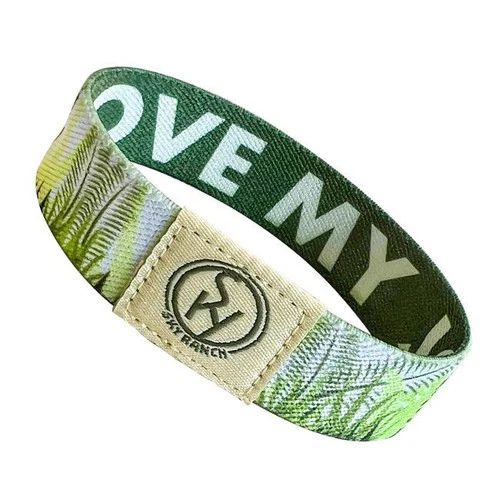
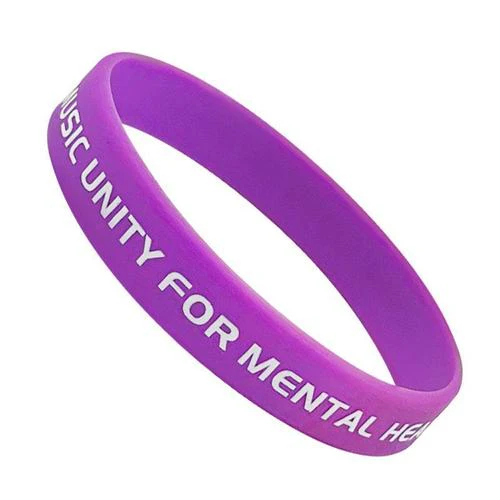
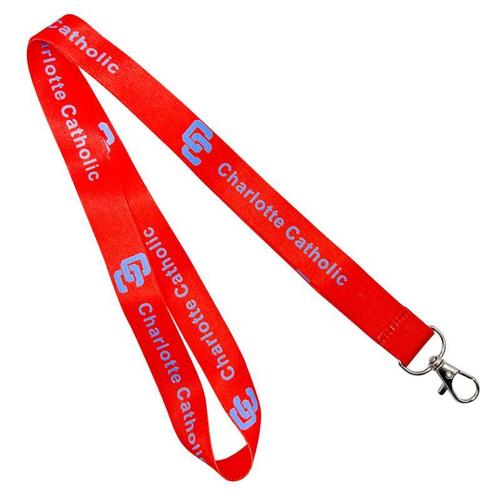
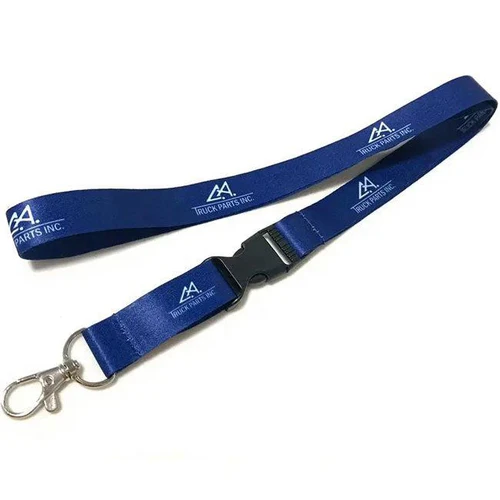
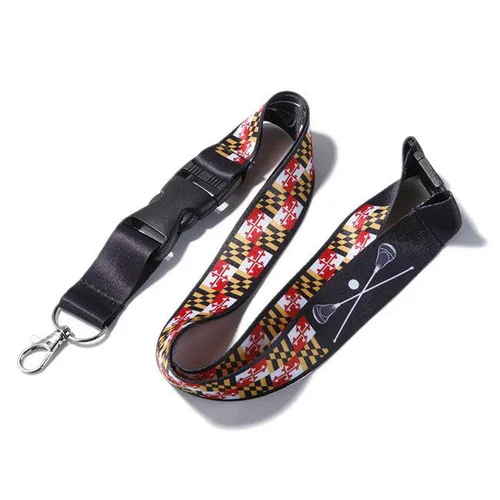
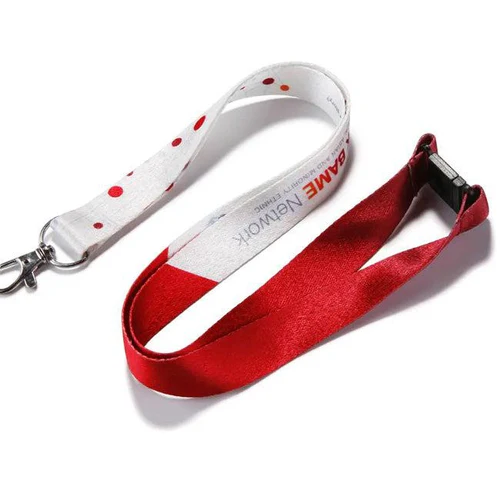
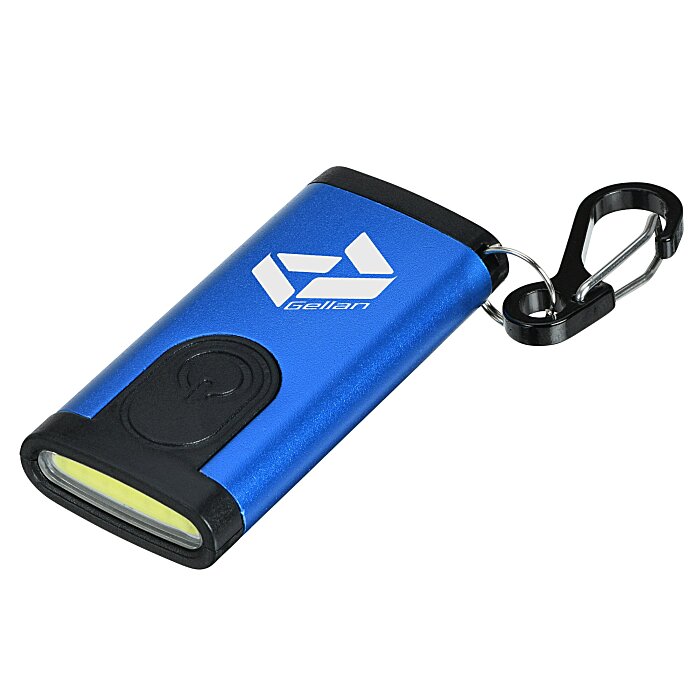
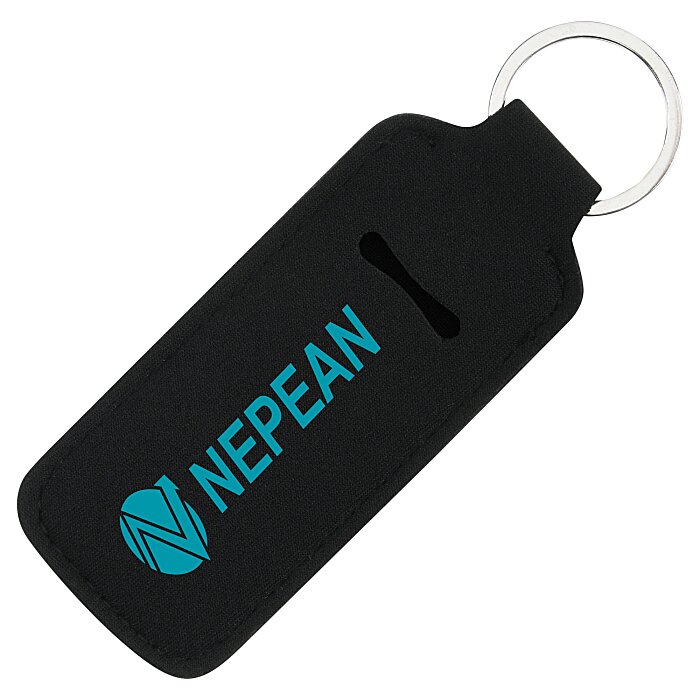
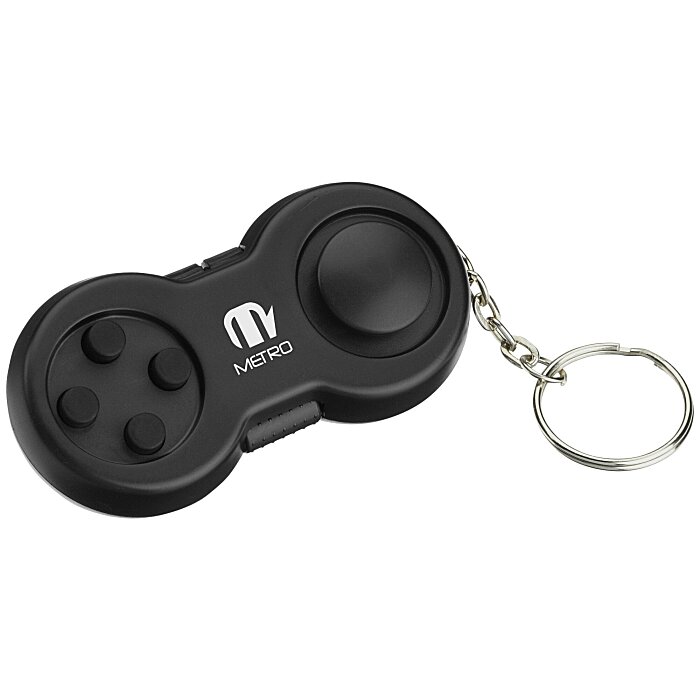
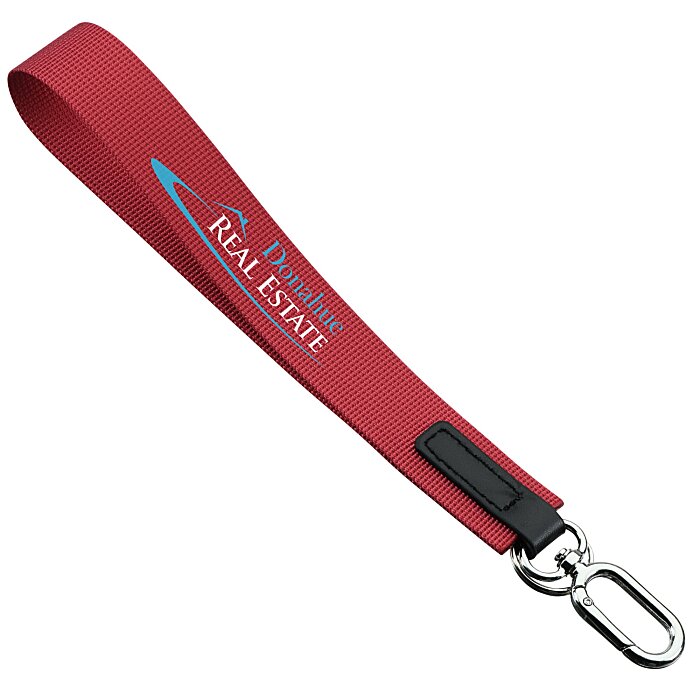
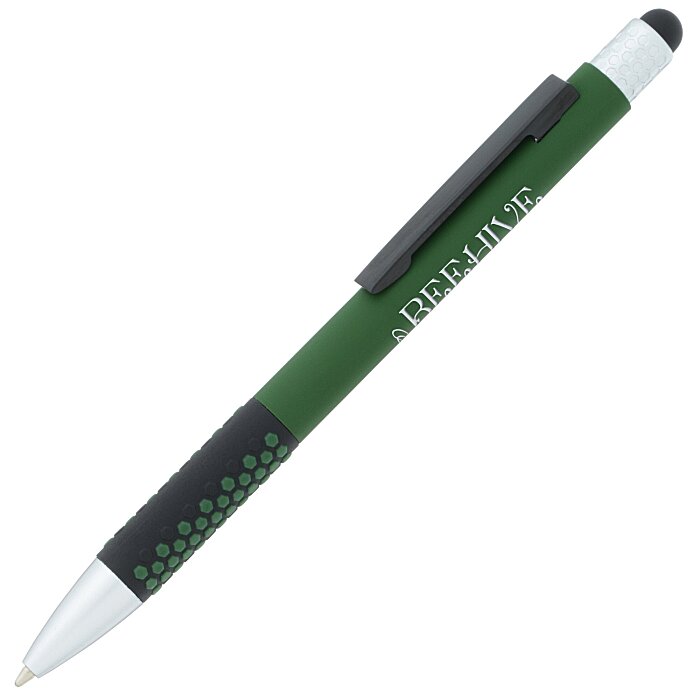
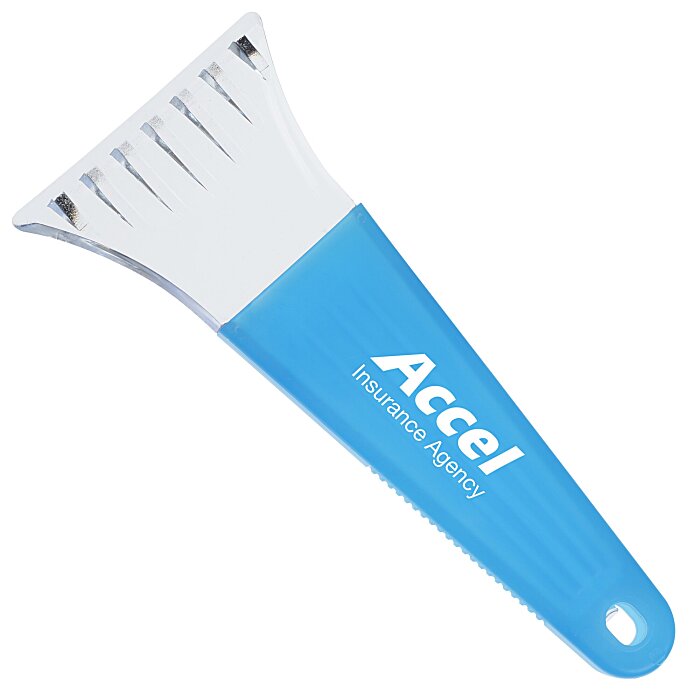
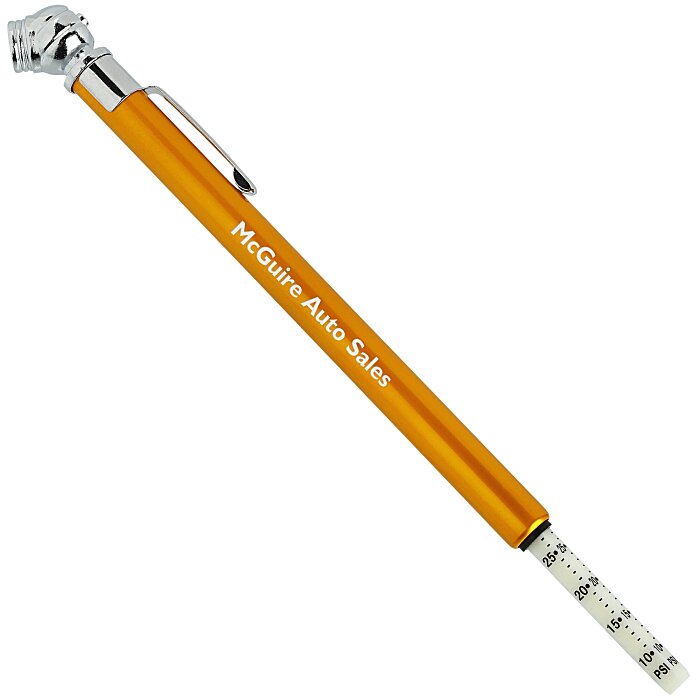
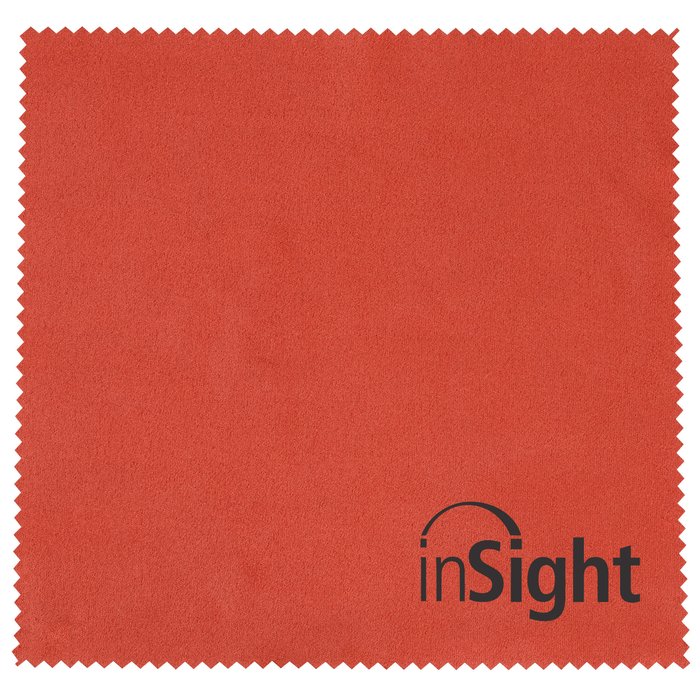
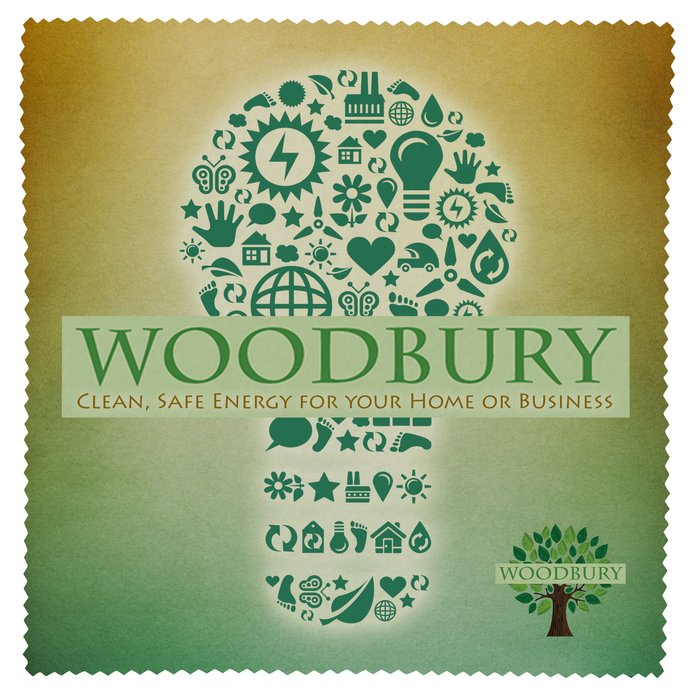
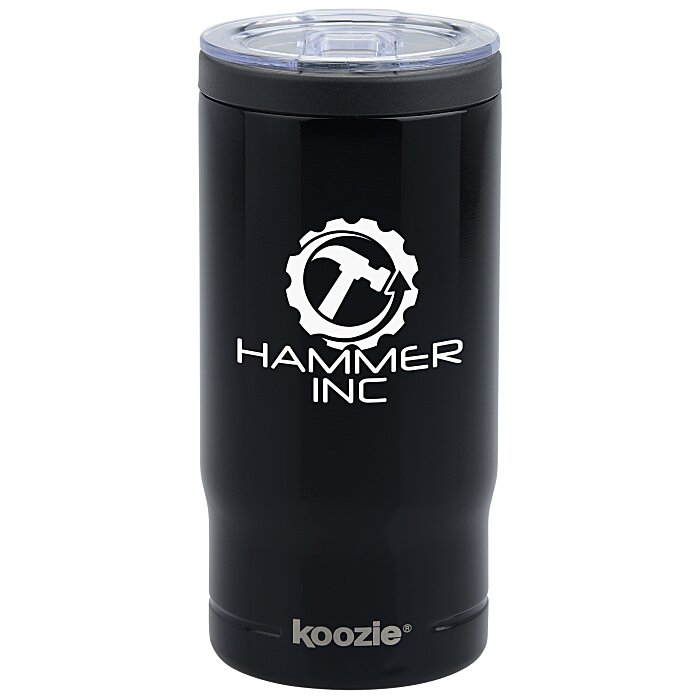
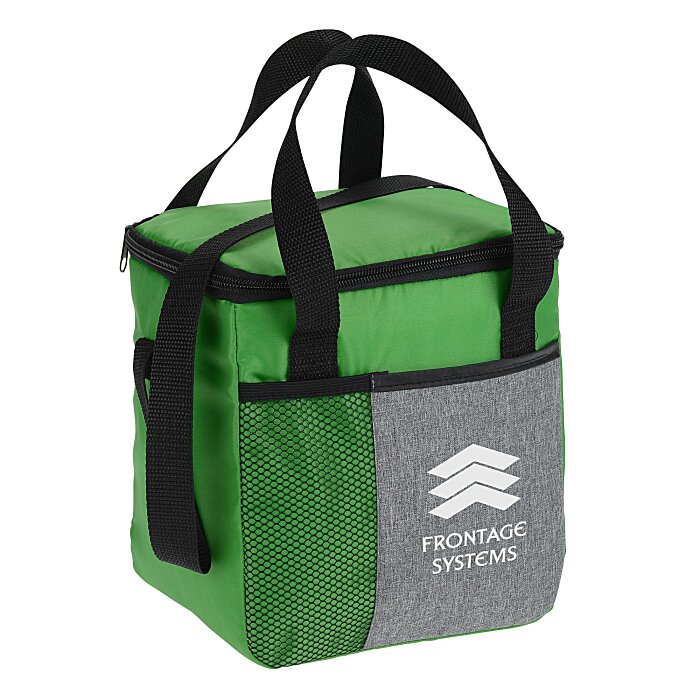
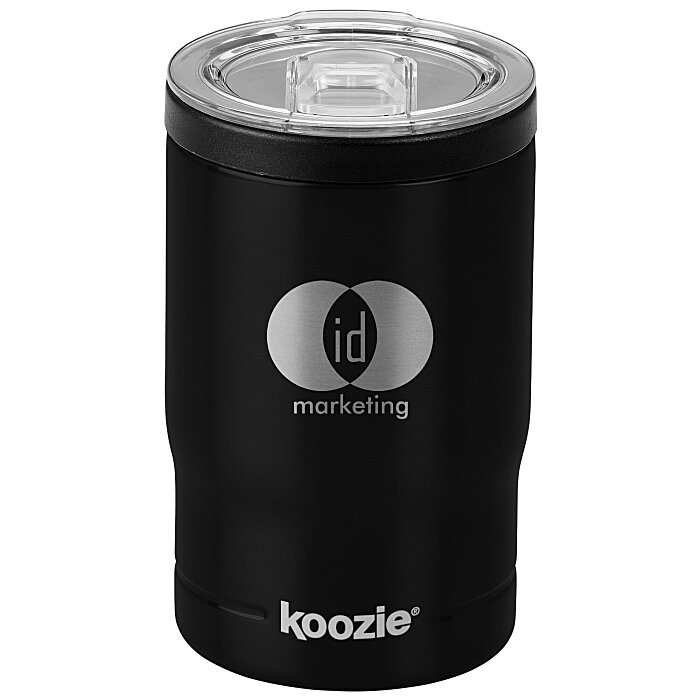
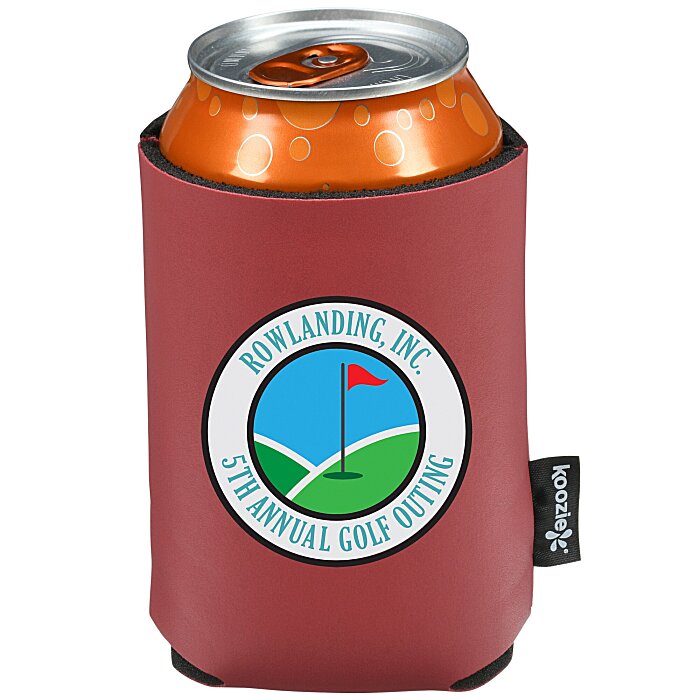
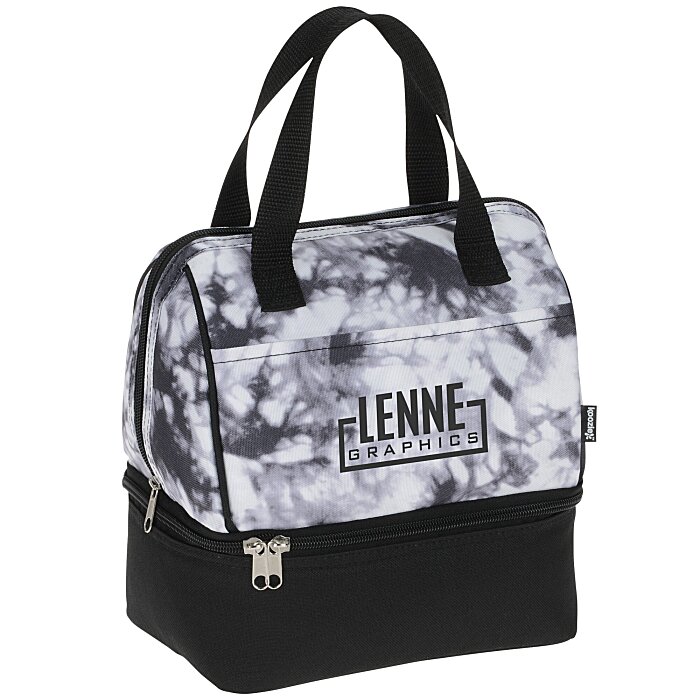
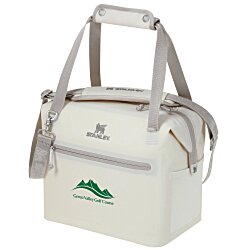
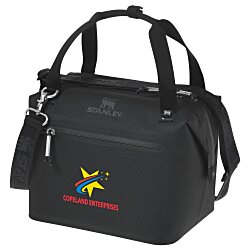
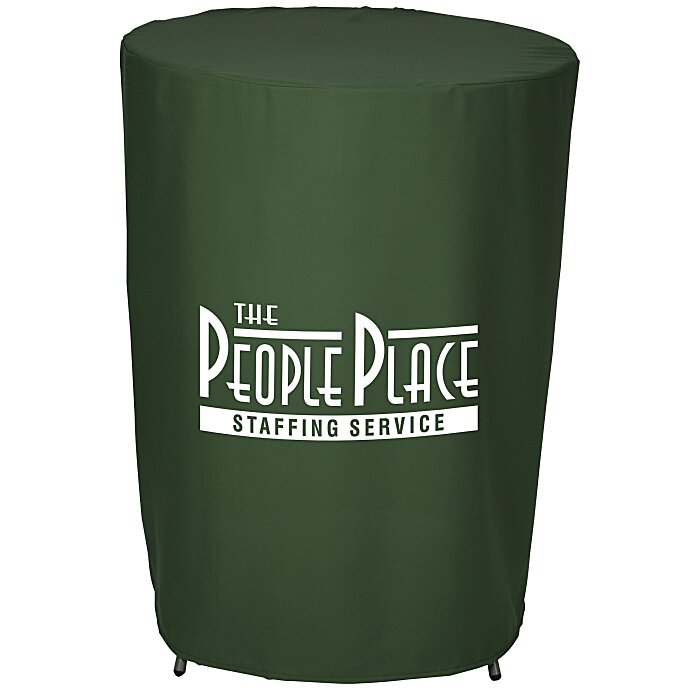
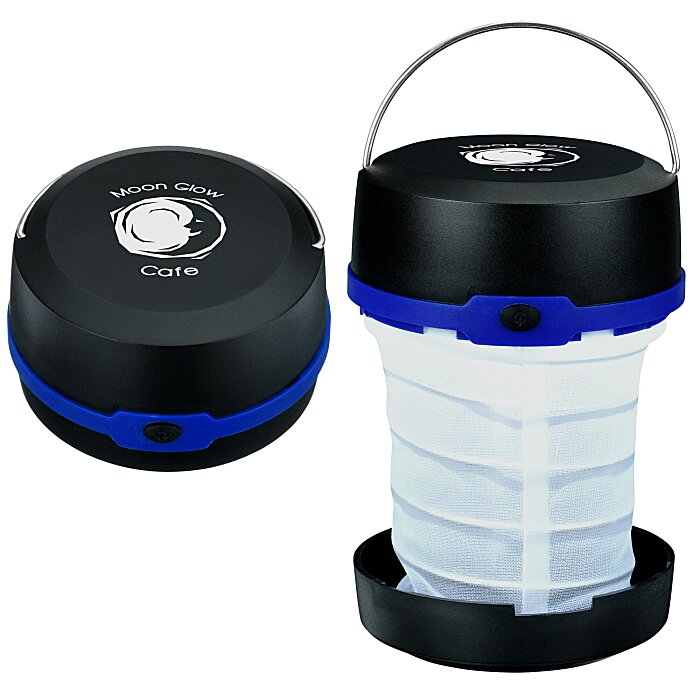
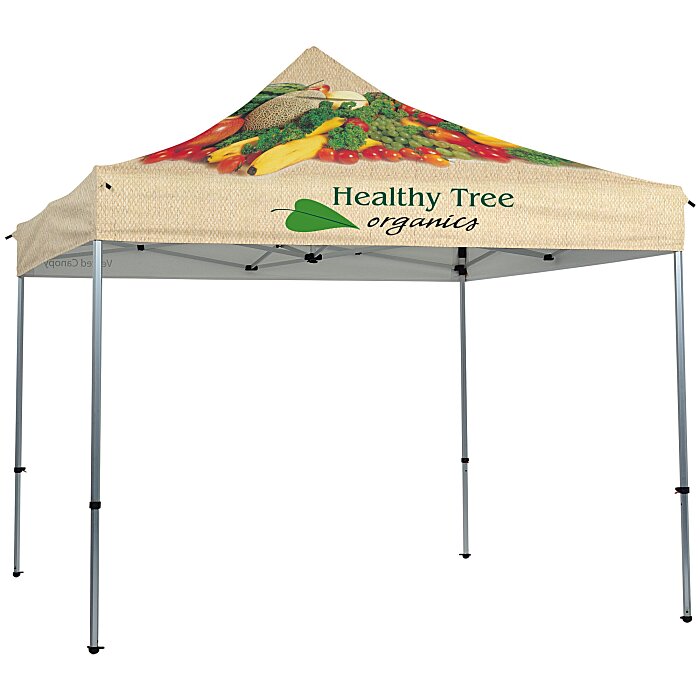
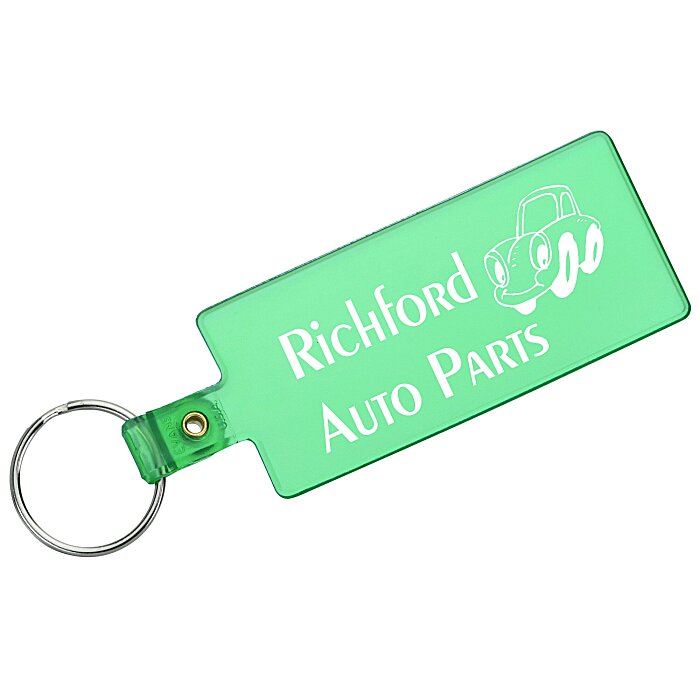
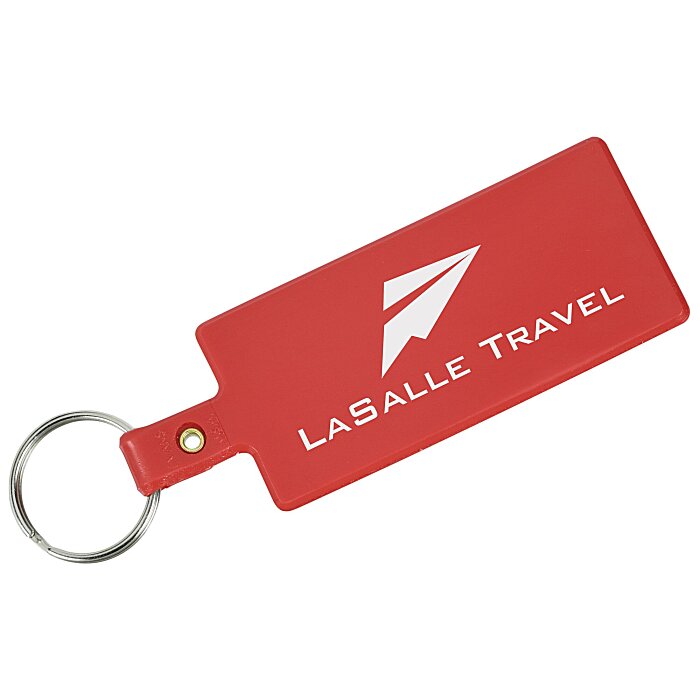
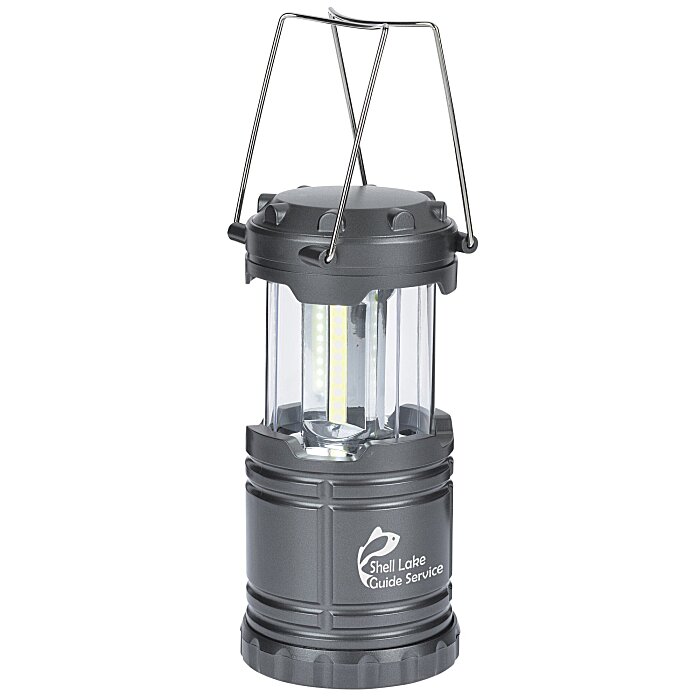
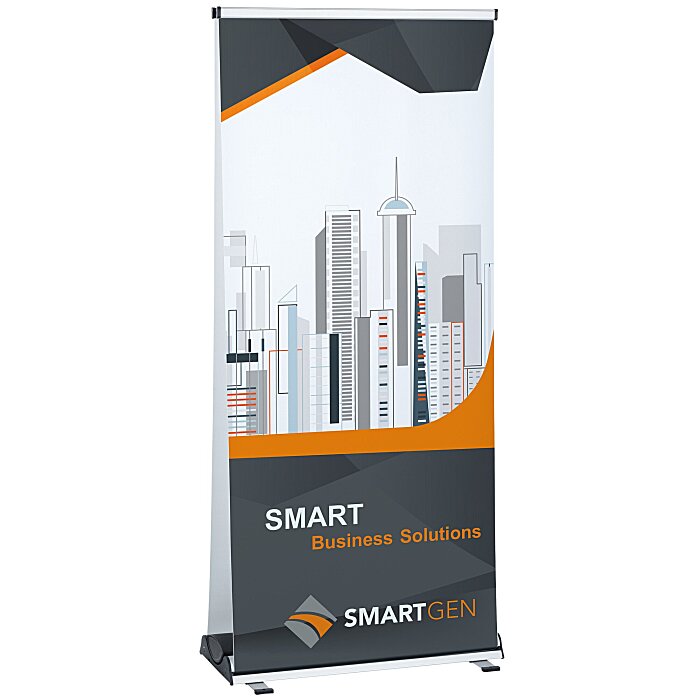
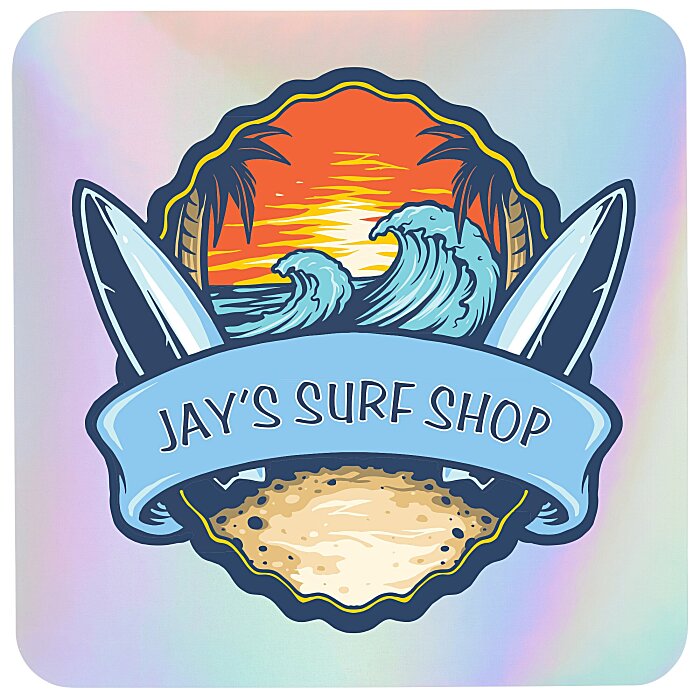
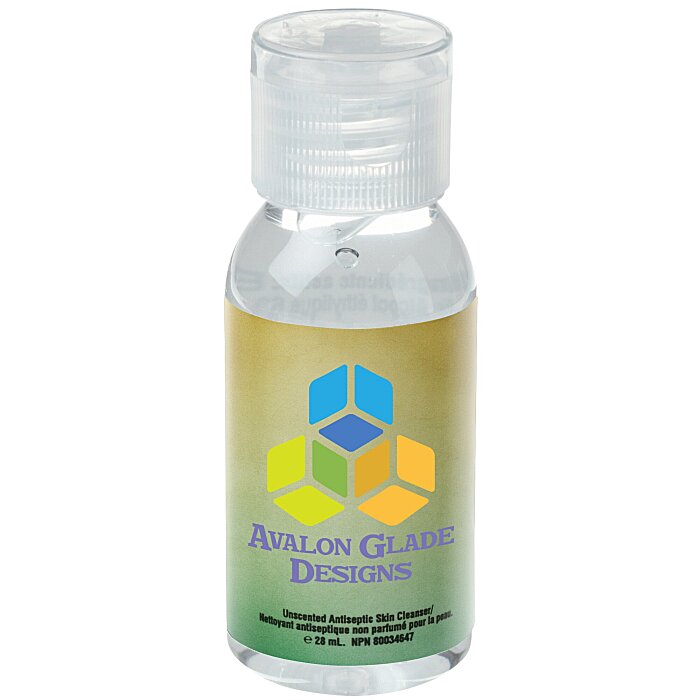
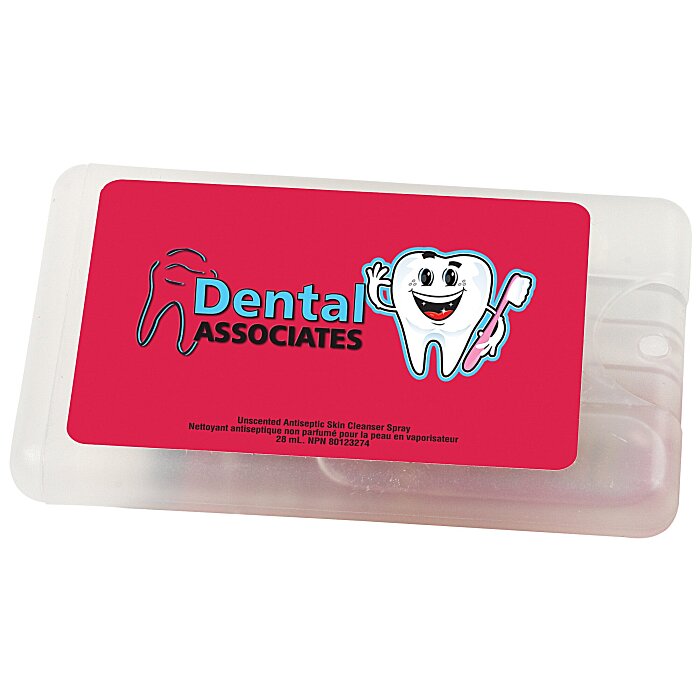
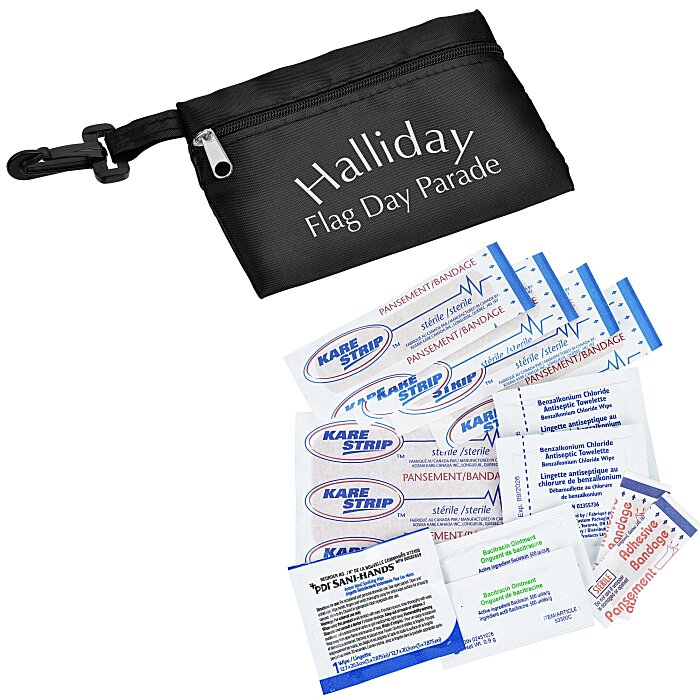
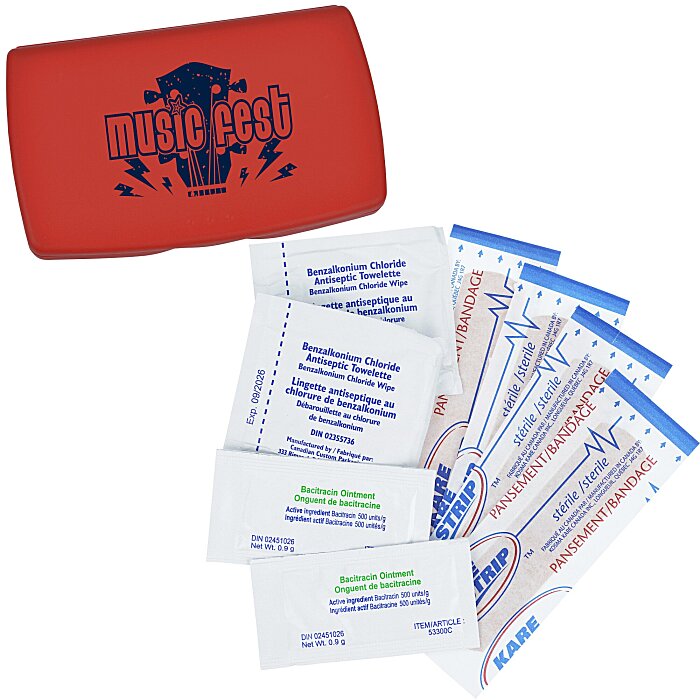
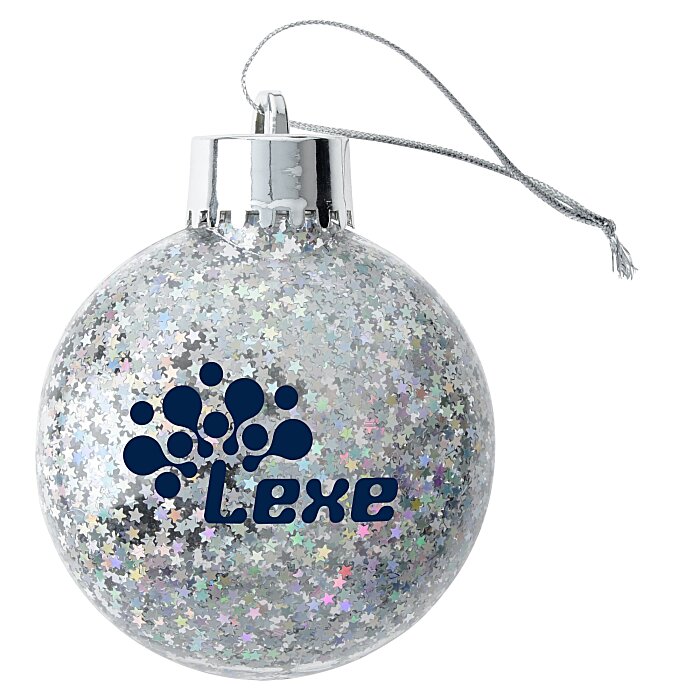
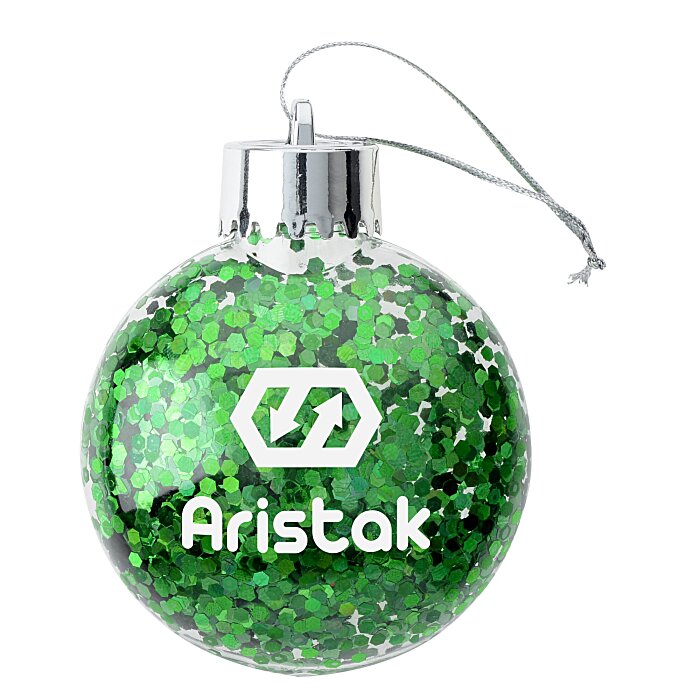
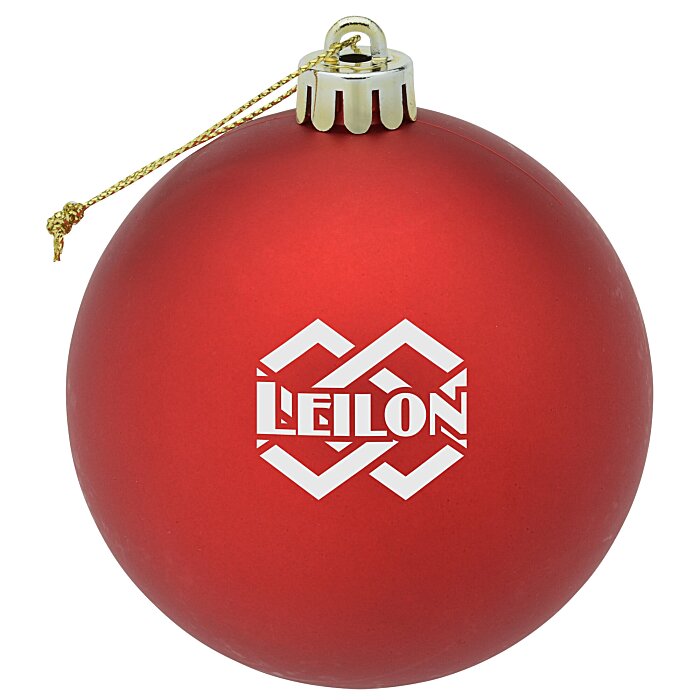
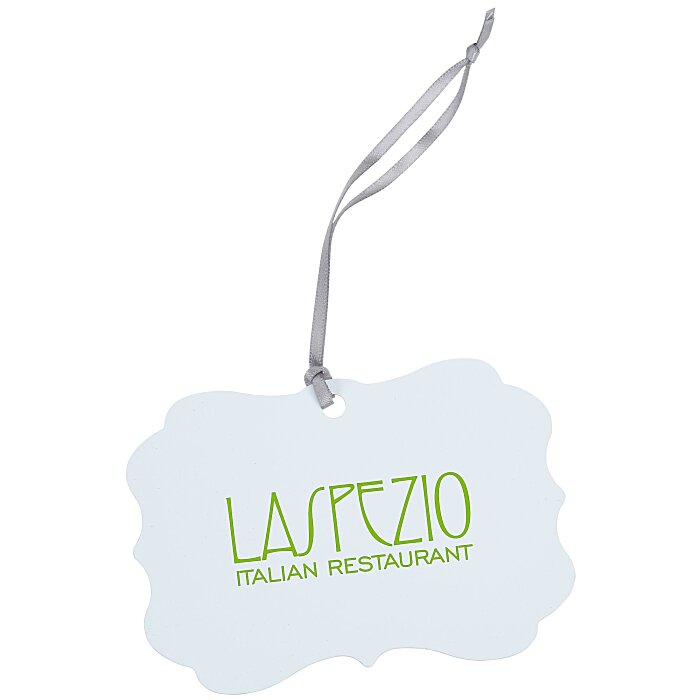
Promotional products are physical items customized with a company name, campaign message or visual identity. From drinkware and apparel to notebooks, bags and technology accessories, these products turn useful objects into repeated brand touchpoints. Understanding the industry helps marketers make better choices about product quality, suppliers, decoration methods, delivery schedules and campaign goals.
What Counts as a Promotional Product?
A promotional product can be almost any useful item that carries a brand identity. The strongest choices connect the product to the audience and the moment in which it will be received. A trade-show giveaway, an employee welcome kit and a premium customer gift may all serve different purposes even when they come from the same product category.
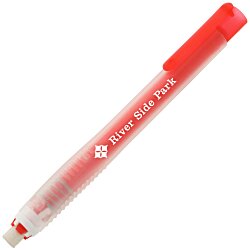
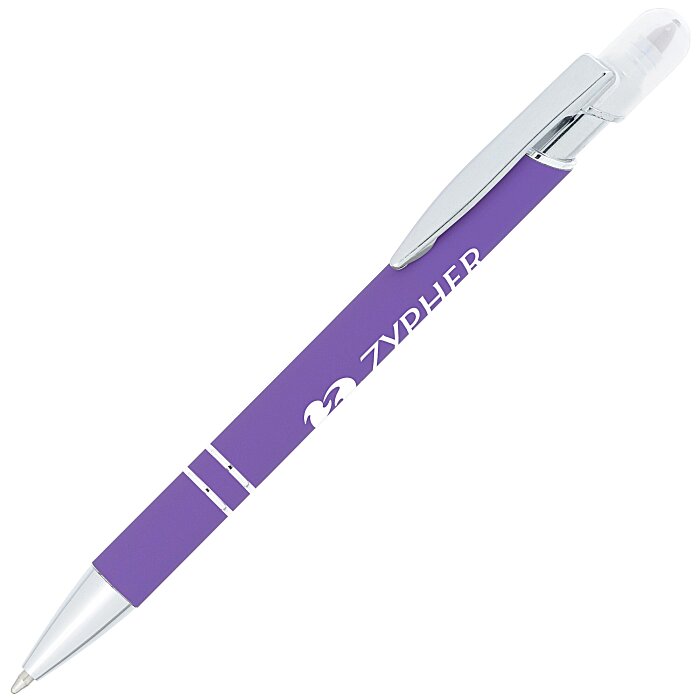
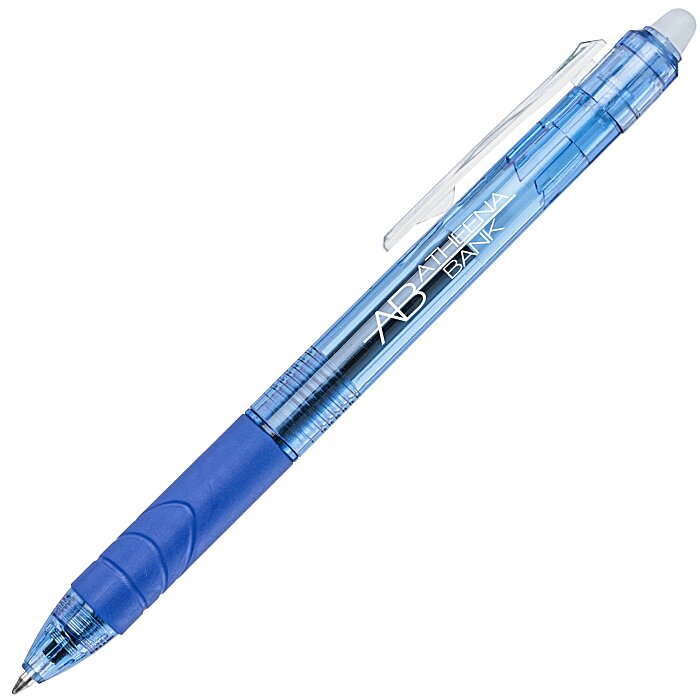
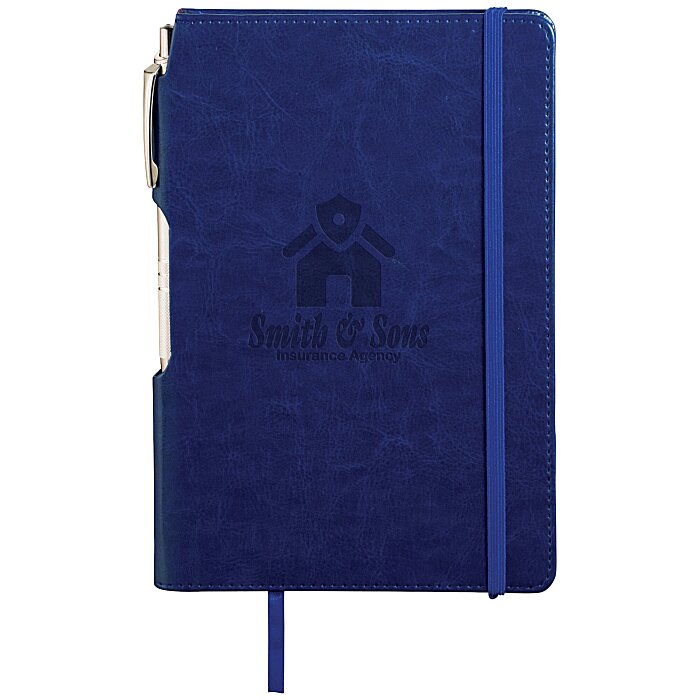
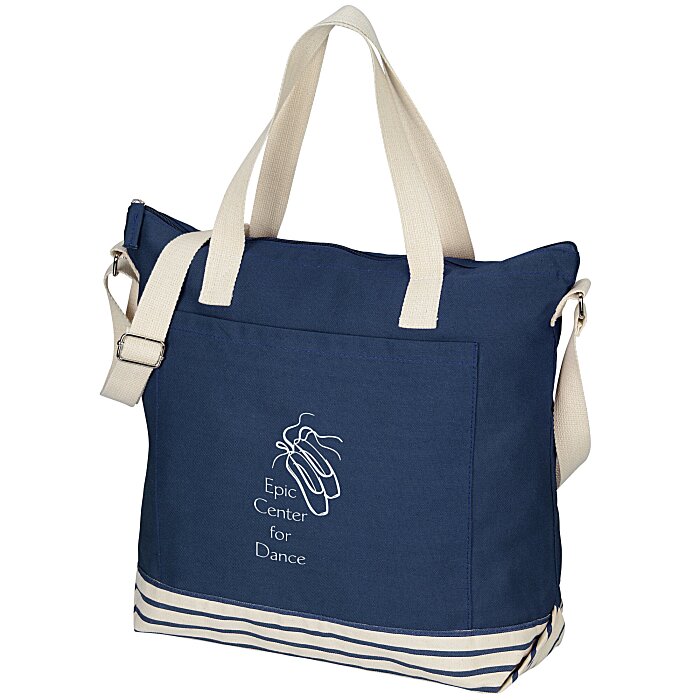
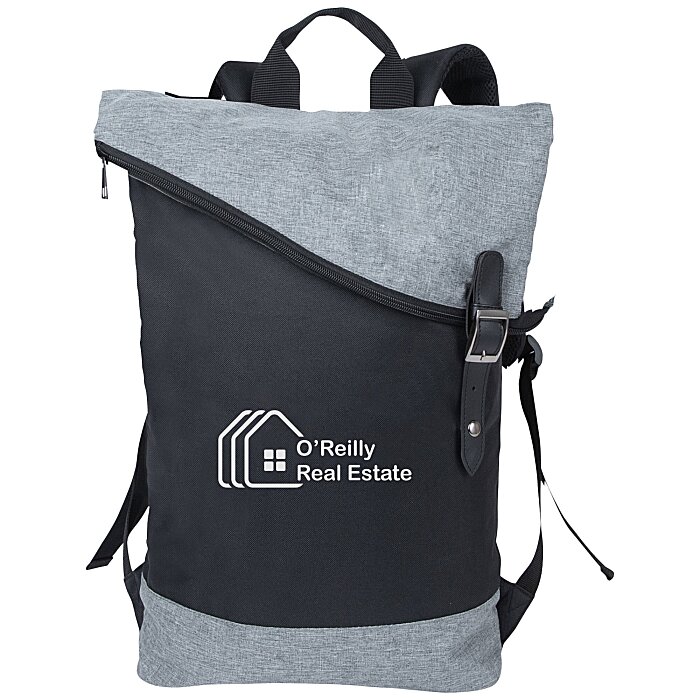
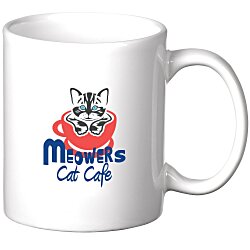
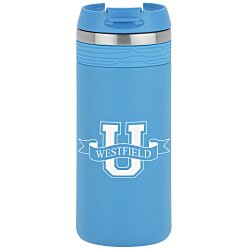
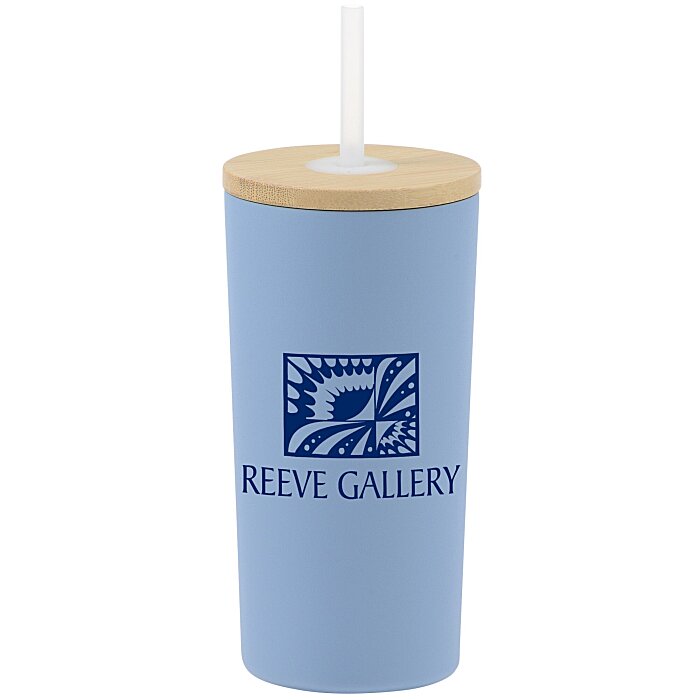
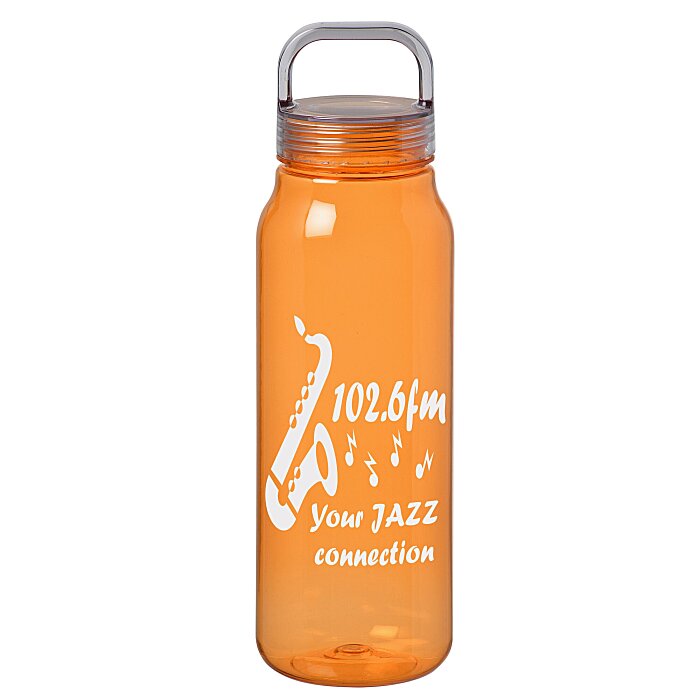
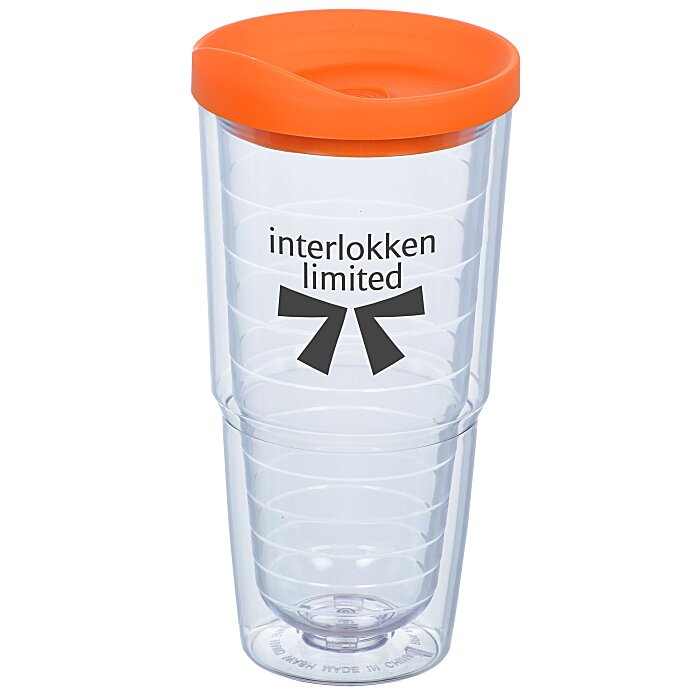
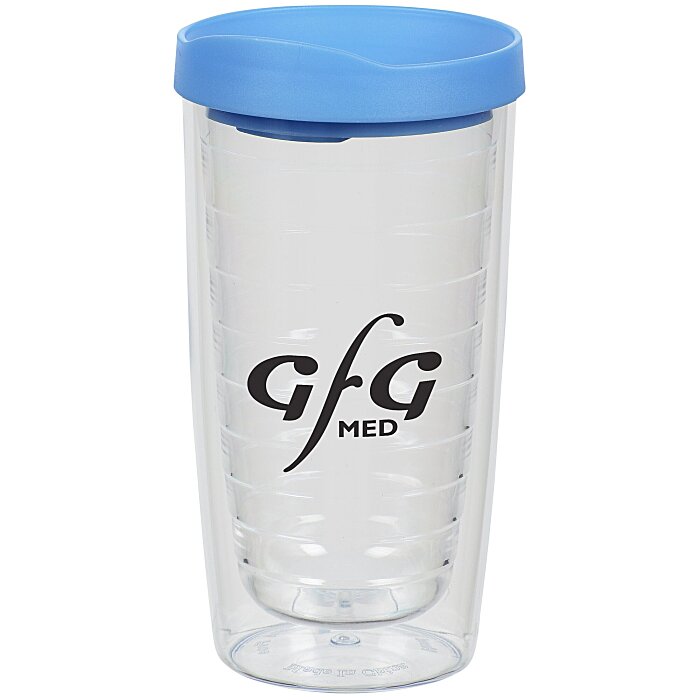
• Everyday essentials such as pens, notebooks, bags and drinkware
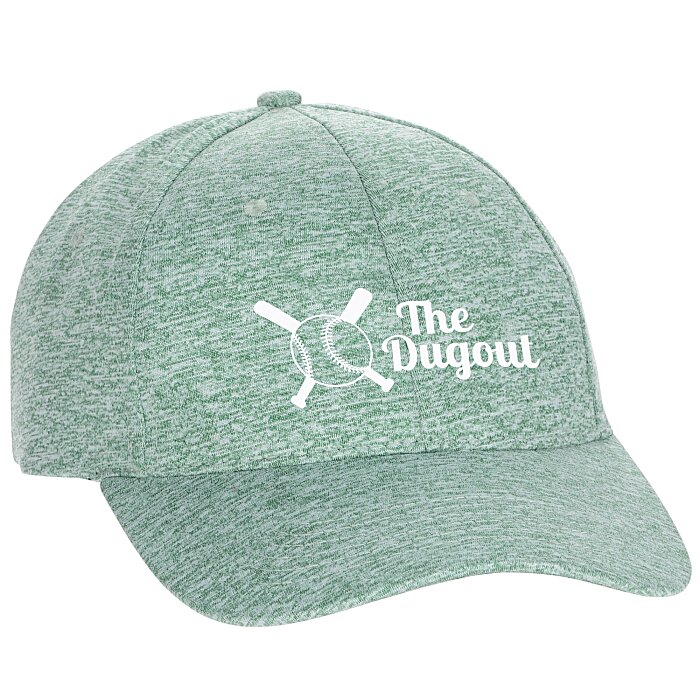
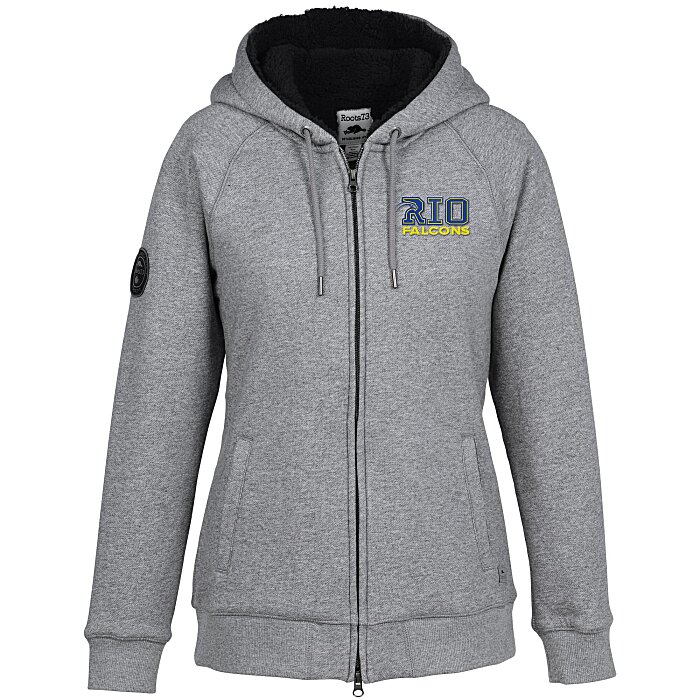
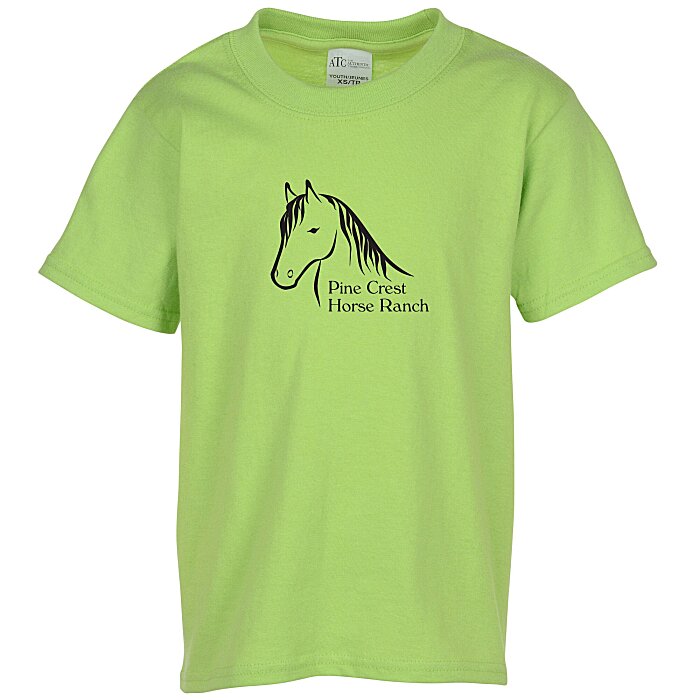
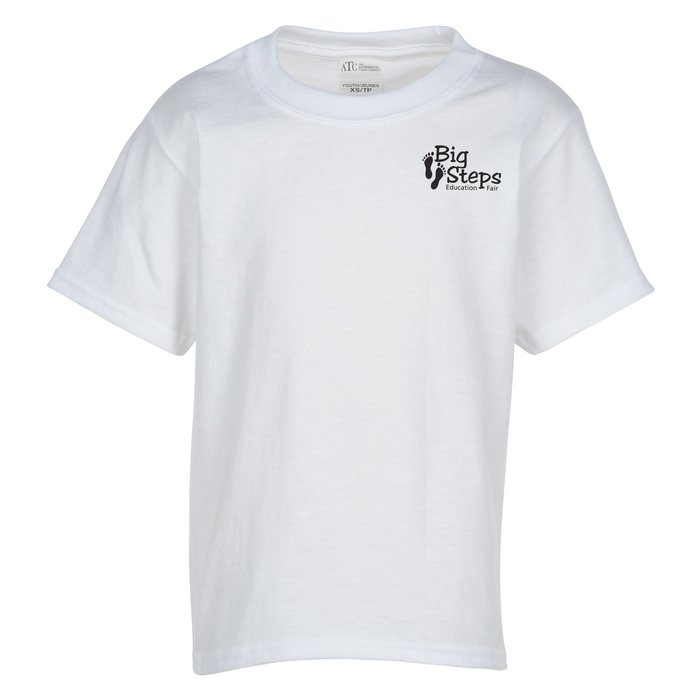
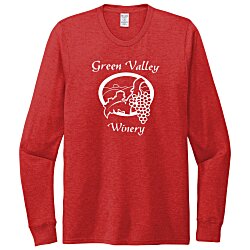
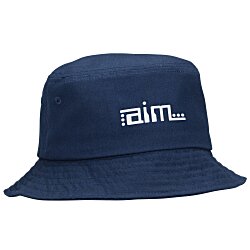
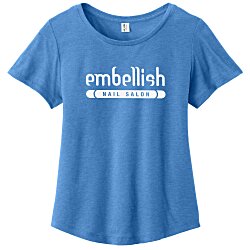
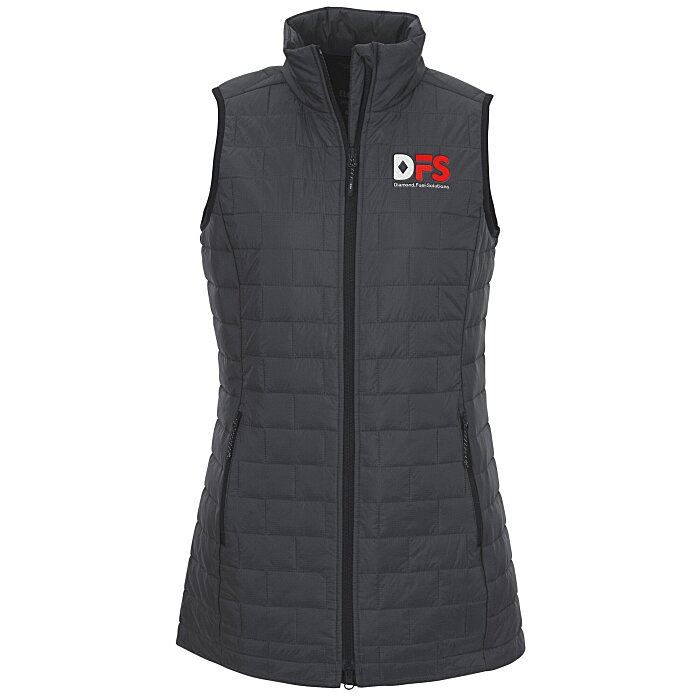
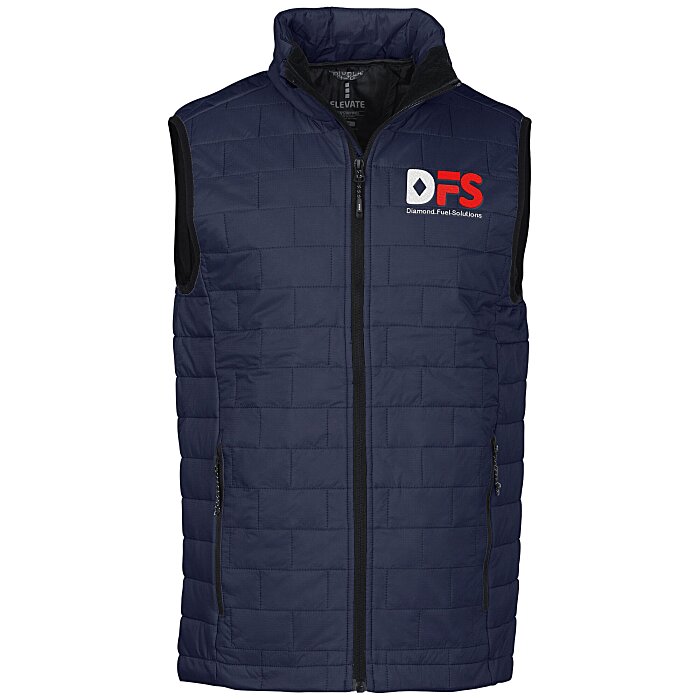
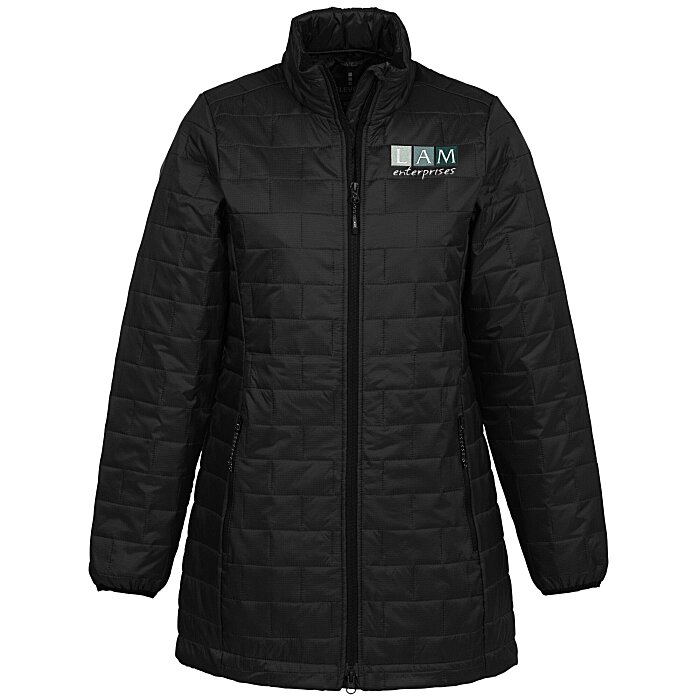
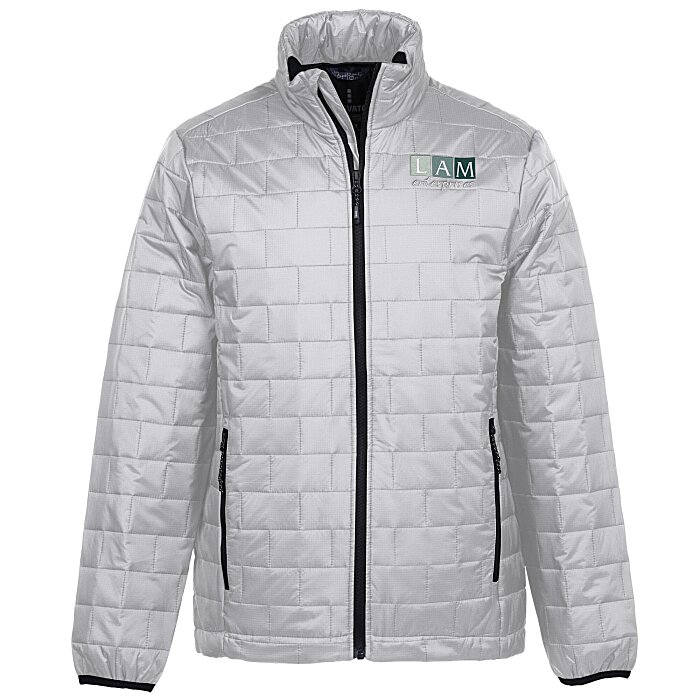
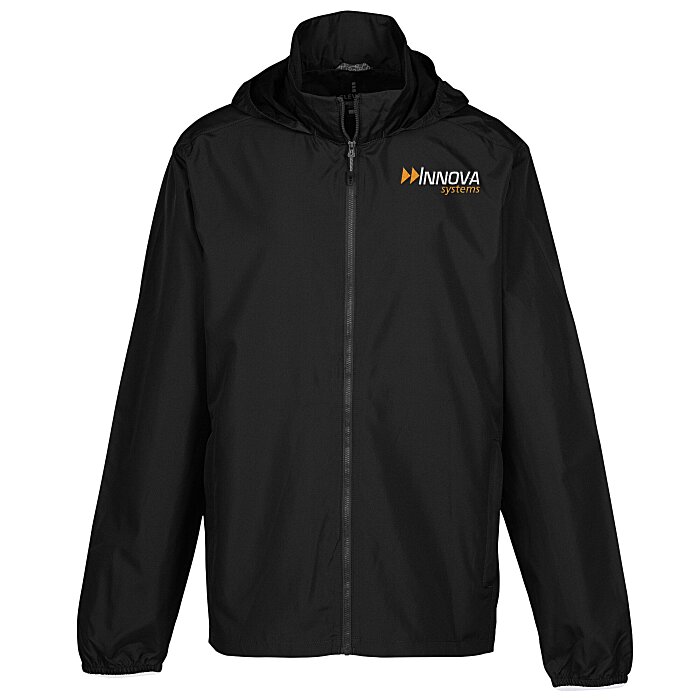
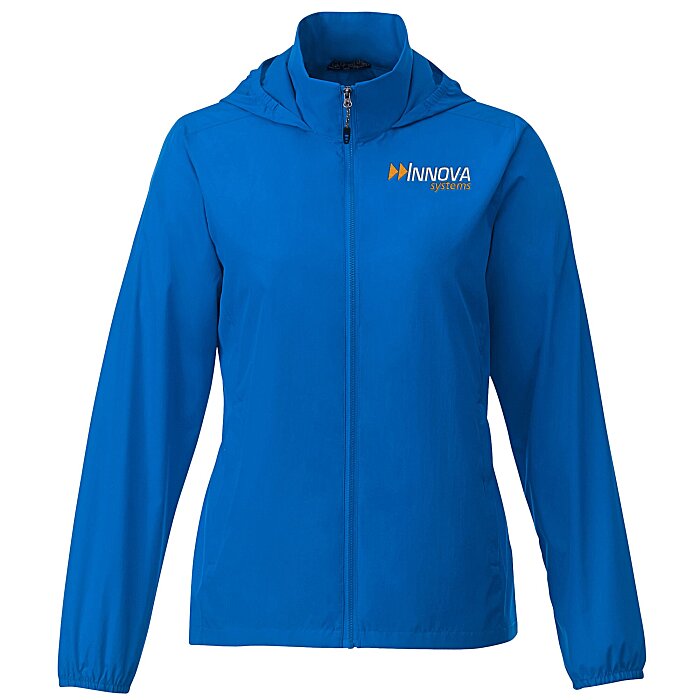
• Wearable products including T-shirts, jackets and caps
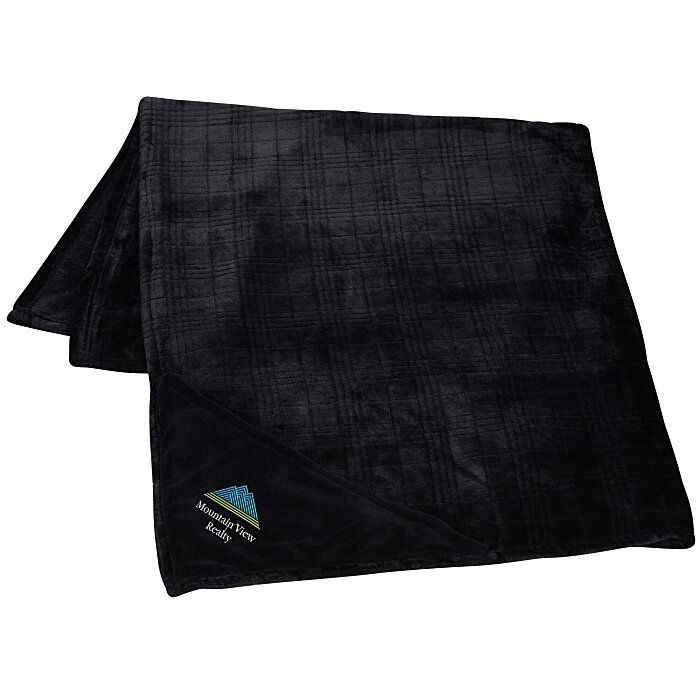
• Technology accessories, desk items and travel products
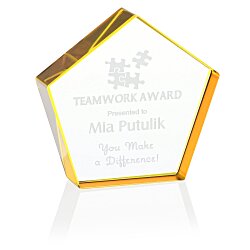
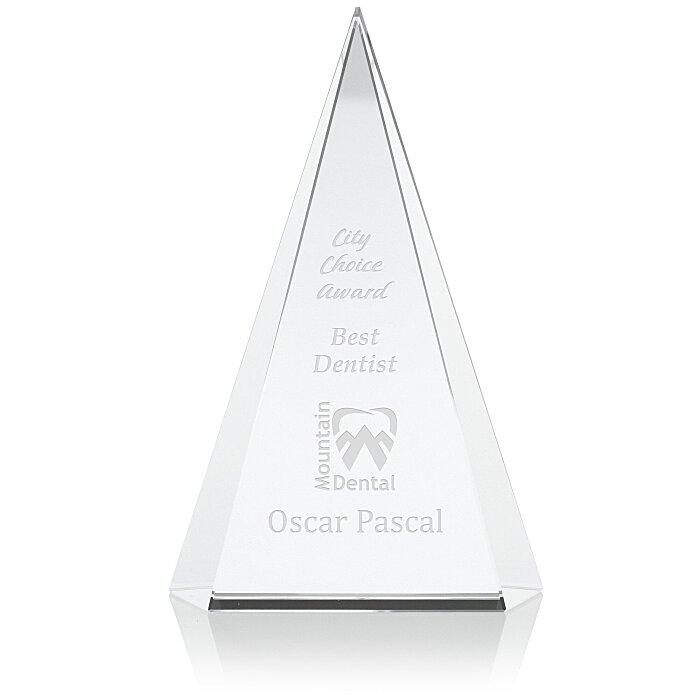
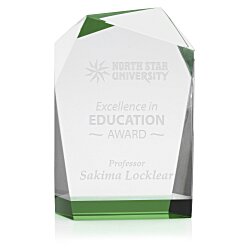
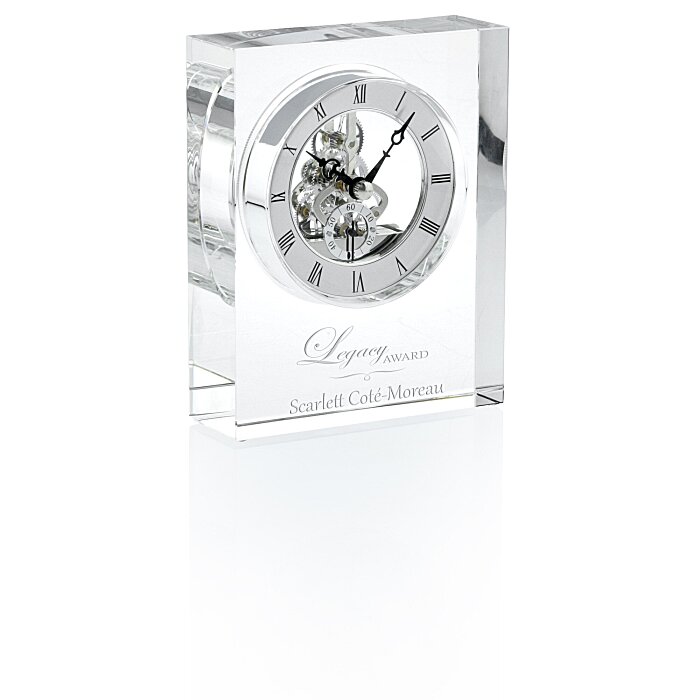
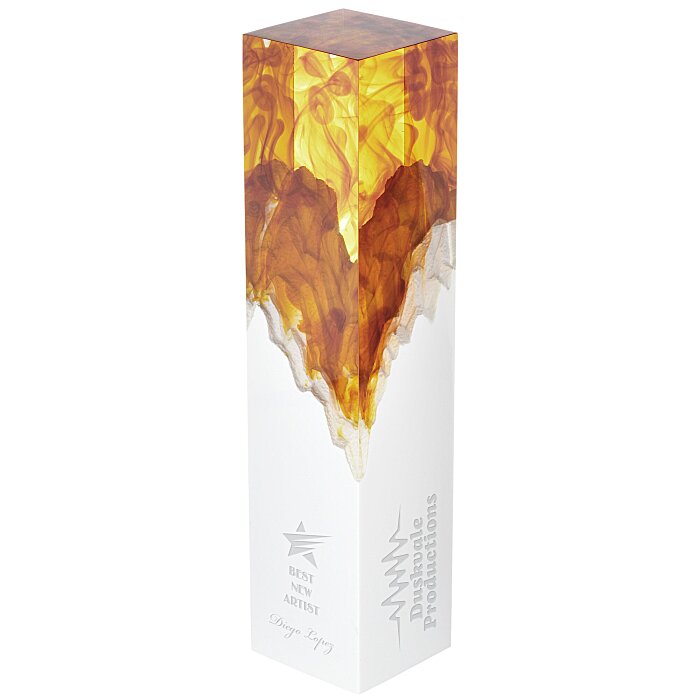
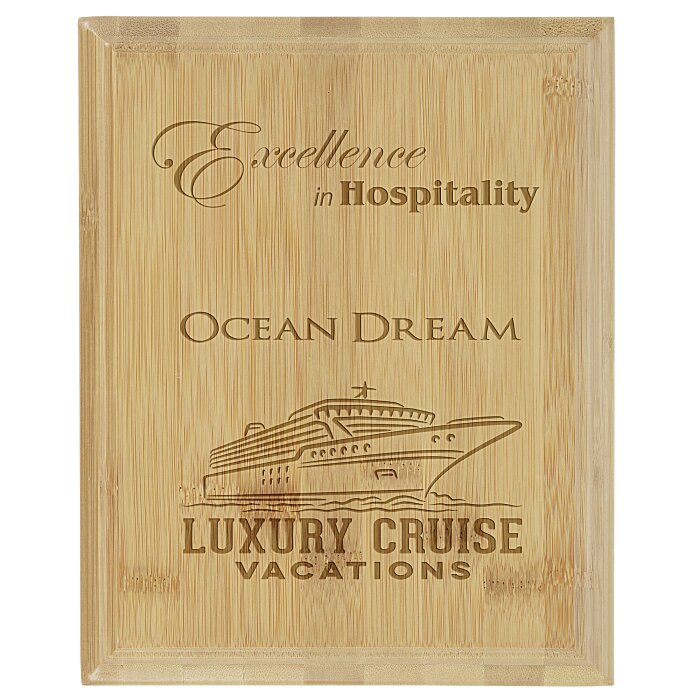
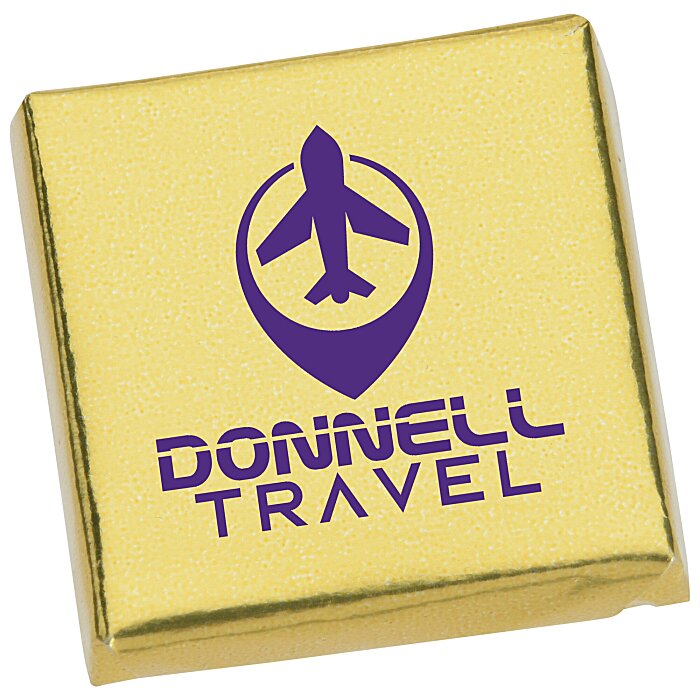
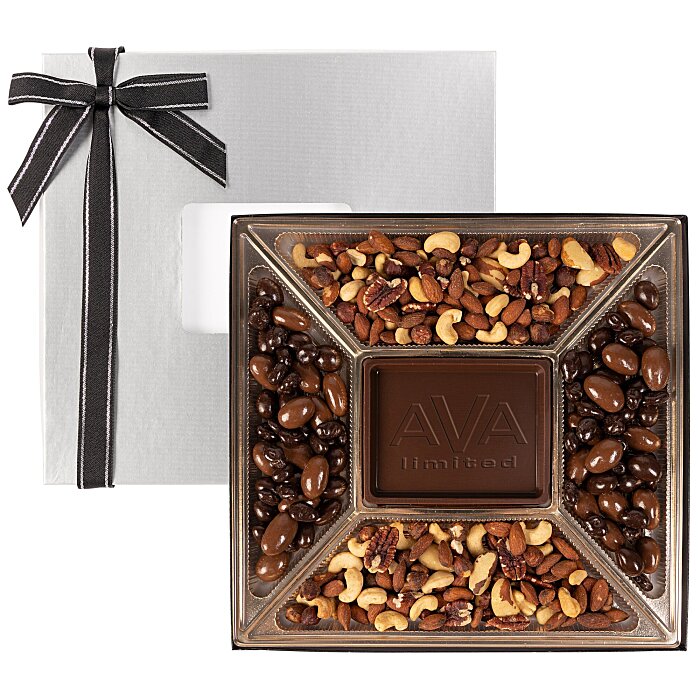
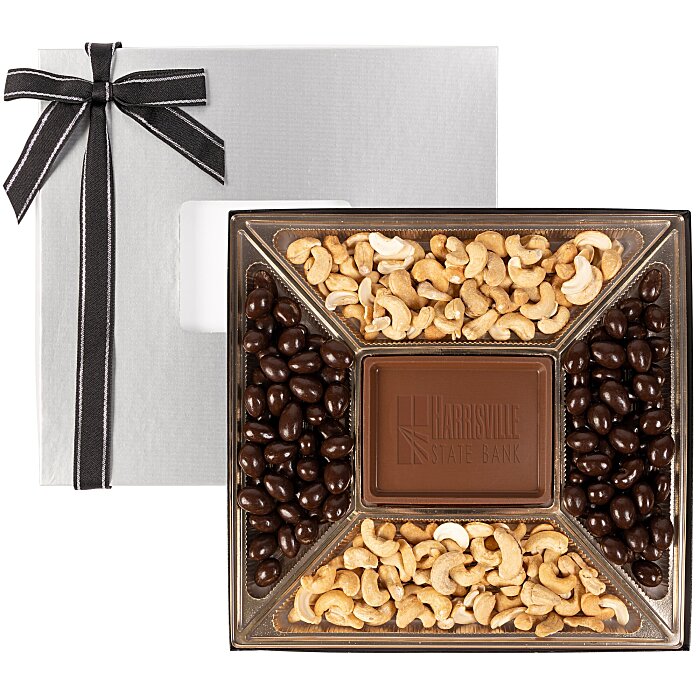
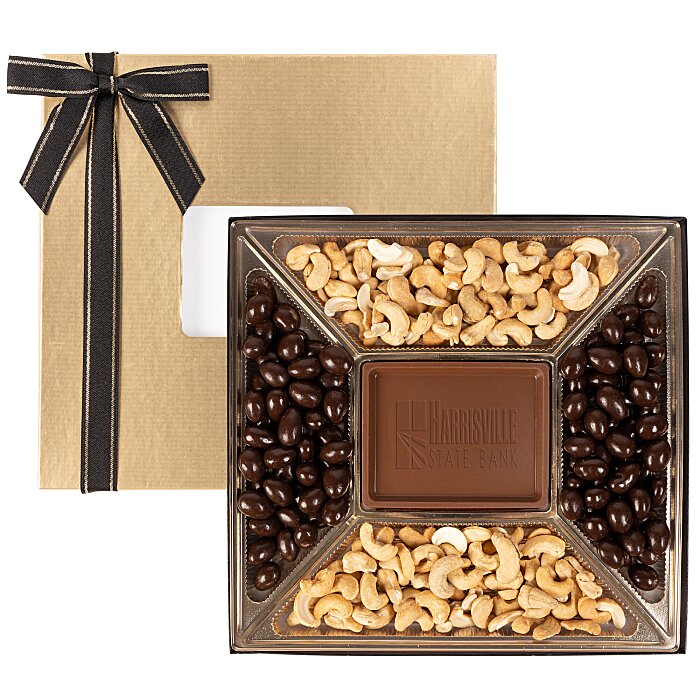
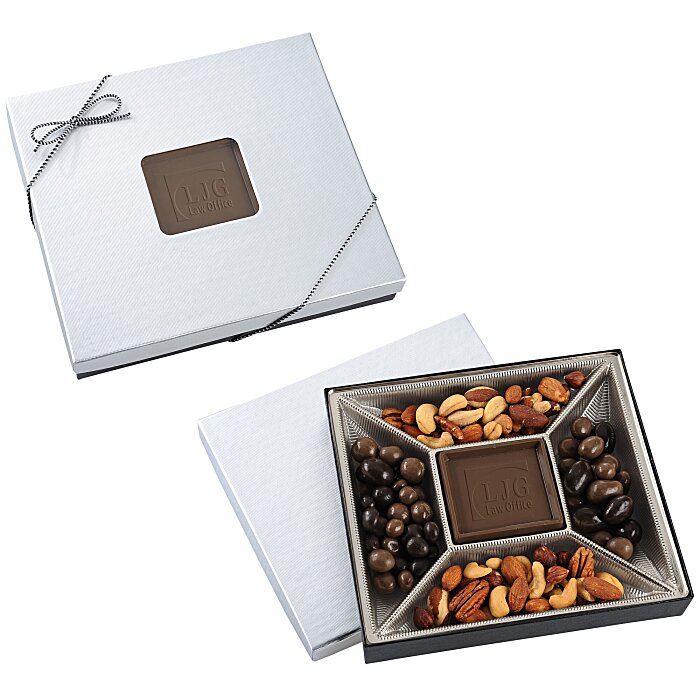
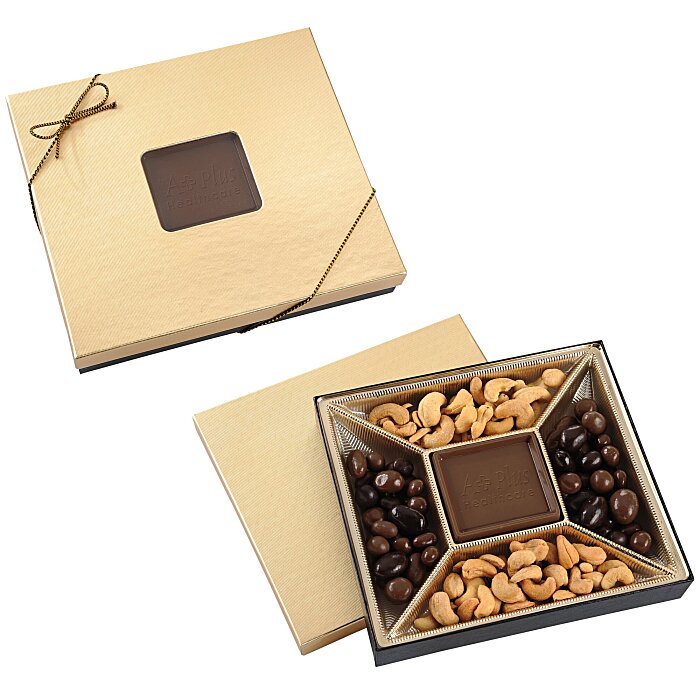
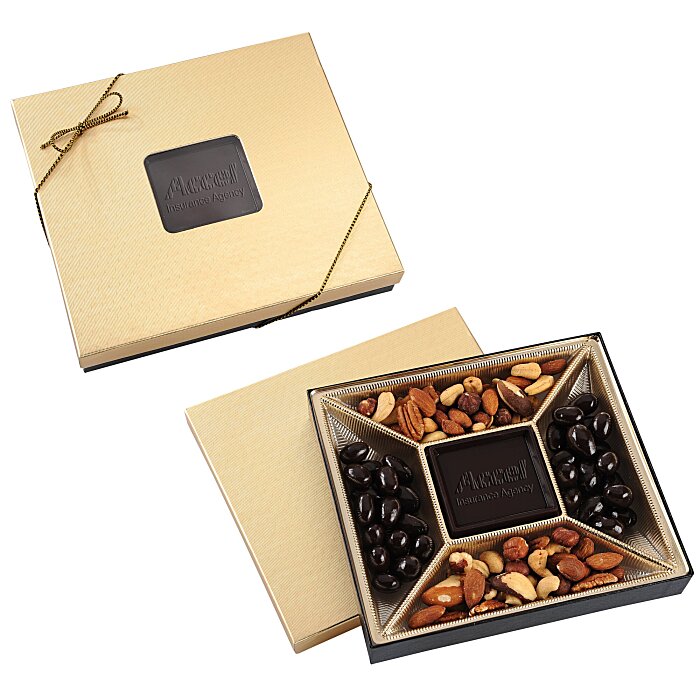
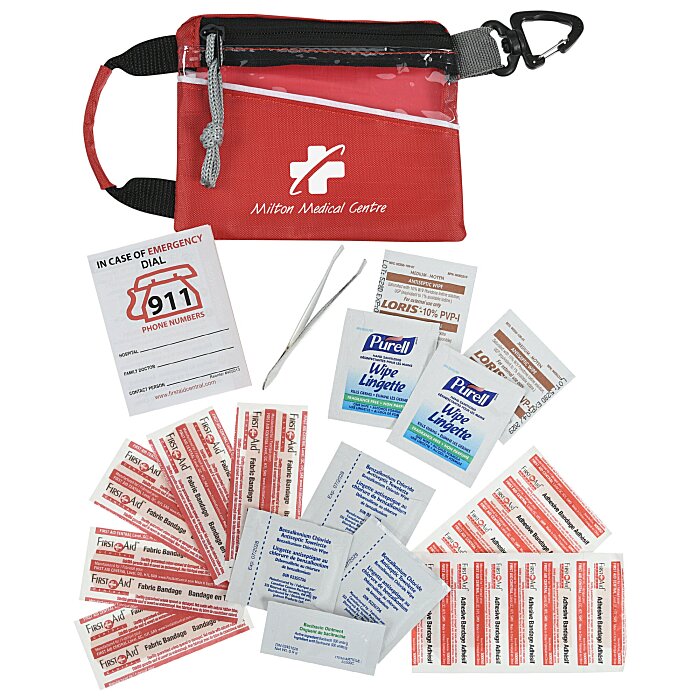
• Recognition gifts, event merchandise and curated kits
How the Industry Works
Most projects move through a connected supply chain. A distributor or promotional consultant helps define the objective, choose products and coordinate suppliers. The product is then decorated through printing, embroidery, engraving, transfer or another method. After proof approval and quality checks, the finished items are packed and shipped to one location or directly to recipients.
• Define the audience, objective, quantity, budget and delivery date.
• Select an appropriate product and confirm stock, color and decoration area.
• Prepare artwork and approve a digital or physical proof.
• Produce, inspect, pack and distribute the final merchandise.
Why Organizations Use Promotional Products
Unlike a short-lived digital impression, a useful physical product may remain in a customer's home, office or travel bag for months. That staying power can support brand recall, customer appreciation and employee belonging. Promotional products are especially effective when they are part of a broader campaign rather than an isolated giveaway.
• Increase repeated brand visibility
• Create a tangible reminder after meetings and events
• Support employee onboarding and recognition
• Encourage loyalty, referrals or campaign participation
Planning a Better Project
Start with the result you want, not with a catalog page. Consider who will use the item, how often it will be used, what quality level reflects the brand and whether the delivery schedule is realistic. Ask for samples when material, fit or color matters, and leave enough time for artwork revisions, production and freight.
Key Takeaways
• Choose products by audience and purpose, not price alone.
• Allow time for proofing, production and quality control.
• Treat branded merchandise as part of an integrated campaign.
Watch the video: Promotional Products Industry 101
 4:58
4:58Top Custom Promotional Products for 2025 | Best Branded Merchandise Ideas
A trend-focused selection of custom promotional products, covering modern merchandise ideas for events, employees, customers and branded campaigns.
 1:37
1:37Promotional Products That Help Spread the Word About Your Brand
An overview of how useful promotional merchandise can extend brand visibility and keep a business present in customers' everyday lives.
 4:24
4:24What Promotional Products Do Customers Really Want?
A customer-focused look at the qualities that make promotional products desirable, including usefulness, quality, relevance and thoughtful design.
 1:34
1:34What Are the Most Popular Promotional Products?
A quick introduction to popular promotional product categories and why useful, familiar merchandise remains a dependable choice for brand campaigns.