 Promotional Products


Why Most Custom Coasters Miss the Mark
Bad custom coasters usually fail for simple reasons: the artwork looks sharp on screen but muddy in print, the material does not match the setting, or the branding is so heavy-handed that people stop using them. That is a problem whether you are ordering for a wedding, a brewery, a coffee shop, a trade show, or an online store.
At Best Patches, we see the same pattern again and again. Clients often come in with a decent logo and a vague idea, but not a full design system for coaster size, texture, moisture resistance, edge treatment, and readability from arm’s length. Once those details are handled correctly, the difference is dramatic: the coaster stops being filler and starts acting like a brand touchpoint.
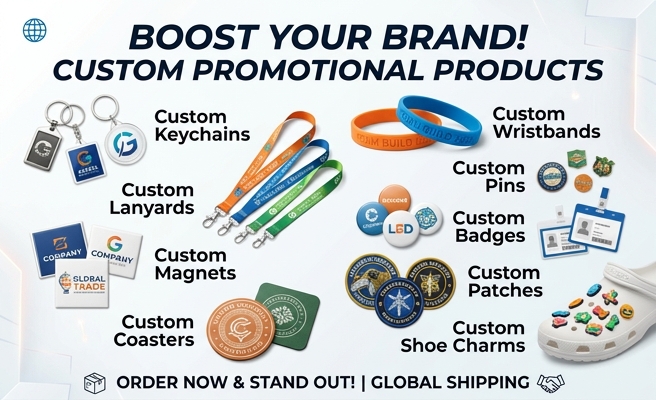
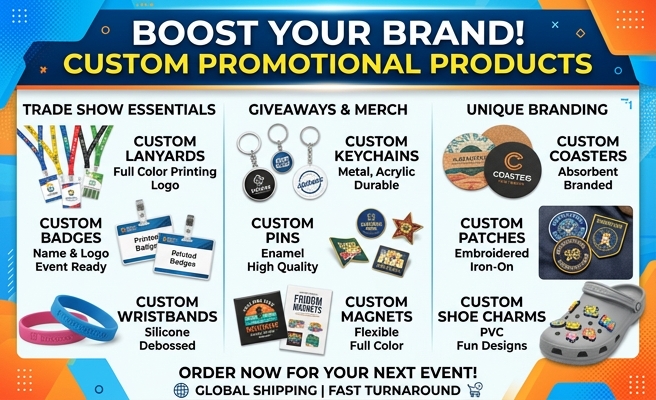
Custom coasters are personalized drink mats made from materials such as paperboard, cork, wood, rubber, acrylic, or absorbent stone. They protect surfaces from moisture and heat, while also giving brands, hosts, and creators a compact space to communicate identity, style, and offers.
If you want flawless results, keep it simple: define the job, choose the right material, and build artwork for real-world use instead of just visual appeal. The rest of this article shows exactly how to do that without wasting budget or settling for a forgettable design.
Table of Contents
- Start with the real job your coaster needs to do
- Choose materials based on use, not trends
- Design artwork that prints clearly and looks intentional
- Catch production mistakes before they become expensive
- See how Best Patches handles real client projects
- Understand budget, quantity, and timeline trade-offs
- Follow the trends shaping coaster design in 2026
- Take the next move with confidence
Start with the Real Job Your Coaster Needs to Do
A coaster is not just a small printed circle or square. It is a functional object that lives in a very specific environment. Before you pick colors or upload a logo, define the setting and the goal. A wedding favor needs a different design logic than a bar coaster, and a subscription-box insert needs a different durability profile than an Etsy product line.
Match the design brief to the use case
Ask these questions first:
- Will the coaster be used once, occasionally, or daily?
- Does it need to absorb condensation or simply resist it?
- Is the design meant to sell, commemorate, decorate, or drive repeat business?
- Will people see it in dim lighting, on crowded tables, or in product photos?
- Does it need to support a QR code, menu link, event hashtag, or care message?
A 2024 PwC consumer survey reported that people are willing to pay more for products they perceive as sustainably produced. That matters here because material choice is no longer a back-end production issue; it is part of the brand story. If your coaster says “eco-conscious” but arrives as a flimsy laminated board that cannot be recycled, customers notice.
Choose context before style
One of the easiest ways to ruin a coaster is to start with style references instead of performance requirements. Minimalist art may look elegant, but if the logo contrast is weak and the tabletop lighting is warm and low, the brand disappears. Likewise, highly detailed illustrations can look great online and collapse into visual noise on a 4-inch surface.
My rule is simple: a flawless coaster should still feel clear when it is wet, partially covered by a glass, and seen from a seated angle. If your concept cannot survive that test, it needs revision.
Choose Materials Based on Use, Not Trends
Material is where design and operations meet. It affects cost, print method, shipping weight, durability, tactile feel, and whether customers keep the coaster or toss it after one use.
Use this comparison before you order
| Business Scenario | Best Material | Why It Works | Watch-Out |
|---|---|---|---|
| Craft brewery taproom | Pulpboard or thick absorbent paper | Low cost, high absorbency, easy bulk ordering | Short lifespan and limited color depth |
| Wedding favors | Cork-backed ceramic or wood | Premium feel and keepsake value | Higher shipping cost and breakage risk |
| Coffee shop merchandise | Cork or rubber-backed MDF | Durable, warm tactile feel, easy branding | Can look generic if the finish is cheap |
| Corporate event giveaway | Silicone or EVA rubber | Reusable, durable, strong logo retention | Less premium unless color and embossing are handled well |
Balance feel, function, and sustainability
According to the 2024 Adobe brand research on content performance and consistency, audiences respond better when physical brand assets feel intentional and aligned with the wider identity system. That applies directly to coasters. If your brand tone is rustic and handmade, polished acrylic may feel off. If your brand is modern hospitality, raw pulpboard may undercut the experience.
“The best promotional piece is the one people keep using without thinking about it. Utility creates memory far more effectively than over-branding.”
Here is the trade-off most buyers need to hear: premium materials raise perceived value, but they also raise expectations. A stone coaster with poor print alignment feels worse than a basic paper coaster with crisp typography. Flawless design is not about choosing the fanciest substrate; it is about making the material and artwork feel like they belong together.
Design Artwork That Prints Clearly and Looks Intentional
This is where “simple steps” actually help. You do not need dozens of rules. You need a disciplined sequence that keeps aesthetics tied to use.
- Define the focal point. Pick one primary message: logo, monogram, slogan, artwork, or call to action. A coaster is too small for multiple competing priorities.
- Build for distance and obstruction. Assume part of the design will sit under a cup. Put critical text and marks away from the center if a drink will cover them.
- Prepare files for production. Use vector files when possible, convert fonts to outlines, include bleed, and request a physical proof for bulk orders.
Use shape, spacing, and contrast strategically
Round coasters soften logos and work well for cafes, breweries, and events. Square coasters feel more structured and often give you better text placement. Die-cut shapes can be powerful for mascots, product outlines, or wedding crests, but they require cleaner edge logic and often cost more.
Spacing matters more than most buyers expect. If your logo is crammed to the edge, it will feel amateur even if the print quality is high. Leave breathing room. On most coaster formats, the safest approach is to keep essential elements within an inner margin and reserve the outer area for background color, pattern, or texture.
Keep print limitations in mind from the start
Fine script fonts, tiny legal text, subtle gradients, and low-contrast palettes are common failure points. They are not always wrong, but they are risky. If your coaster will be used in bars, restaurants, or outdoor events, prioritize readability over ornament.
At Best Patches, we often tell clients to print one test version at actual size on a home printer before sending production art. It sounds basic, but it catches oversized text, muddy icons, and weak spacing faster than another round of screen revisions.
Catch Production Mistakes Before They Become Expensive
Most coaster disappointments are not caused by creativity. They are caused by preventable production errors. A smart proofing process saves both money and reputation.
Review the technical details that people skip
- Bleed and safe zone for trimmed edges
- CMYK color shifts versus RGB screen colors
- Ink absorption on uncoated and pulp materials
- Double-sided alignment for text-heavy layouts
- Edge finish consistency on wood, stone, or acrylic
- Moisture testing for absorbent versus water-resistant stock
Gartner’s 2024 guidance on customer experience emphasized that consistency across touchpoints shapes trust more than isolated moments of creativity. A coaster may be small, but it is still a customer touchpoint. If your website is polished and your in-person materials feel sloppy, the customer notices the gap.
Know the legal and brand risks
Custom coasters can also create trouble when teams move too fast. Restaurant groups may print unlicensed artwork. Event planners may use copyrighted illustrations found on social platforms. Small brands may include QR offers without checking whether the landing page is mobile-friendly. None of that feels serious until the order arrives and the whole batch becomes unusable.
The practical solution is to approve three things separately: artwork rights, production proof, and final packaging plan. Treat them as different checkpoints, not one rushed signoff.
How Best Patches Handles Real Client Projects
I recently worked with a small craft beverage brand that wanted custom coasters for a regional product launch. Their first design had everything packed into one side: logo, tagline, social handles, flavor notes, and a QR code. On a laptop screen it looked exciting. On an actual coaster, it felt cramped and hard to scan.
We stripped the layout down to one hero graphic, moved the QR code to the reverse, increased contrast, and switched from a glossy concept to an absorbent pulpboard format that fit the bar setting better. The final result looked less busy, but it performed much better in use. Staff liked handing them out, customers took them home, and the client came back to reorder with seasonal art variations.
In another project at Best Patches, a wedding client wanted elegant keepsake coasters with gold accents and a monogram. Their original idea used very thin script in a pale tone on natural wood. It looked refined on screen, but the legibility was weak. We adjusted the line weight, deepened the print color, and added a subtle border so the design held together in photos and on tables. The couple later told us guests kept asking where they had them made because they looked “finished,” not homemade.
“Flawless design is usually a subtraction process. When the coaster finally feels right, there is less on it, not more.”
That is the bigger lesson: expert production is often about editing. The brands and hosts that get the best results are not the ones adding extra details. They are the ones making the small surface work harder through clarity.
Understand Budget, Quantity, and Timeline Trade-Offs
Design quality does not live in a vacuum. It is tied to quantity, turnaround, and material availability. If you need 5,000 coasters in two weeks, your options narrow fast. If you need 50 premium coaster sets for gifting, the math changes completely.
Know what drives price
The biggest cost variables are material, print complexity, quantity, shape, and packaging. Simple round pulpboard coasters can be very cost-effective in bulk. Stone, ceramic, or laser-cut wood formats cost more per unit and also add freight expense. Custom inserts, sleeves, or retail-ready sets push costs up again.
For most projects, the smartest budget move is not choosing the cheapest unit price. It is choosing the format that prevents waste. If a cheap coaster curls, smears, or looks generic, the low price does not help.
Build time for proofing and revision
Rushed orders create the most expensive mistakes. Give yourself enough time for:
- Artwork cleanup and prepress checks
- Material sampling when finish matters
- Physical proof review for color and readability
- Packaging decisions for retail, gifting, or events
- Shipping buffer for fragile or heavy materials
If you are ordering for a launch event, holiday campaign, or wedding, work backward from the in-hand date rather than the ship date. That extra discipline protects the project.
Trends Shaping Custom Coasters in 2026
The coaster category is getting smarter, more tactile, and more brand-aware. The winning designs in 2026 are not necessarily louder. They are more intentional.
What is gaining traction now
- Eco-forward materials: cork, recycled fiber, and low-plastic formats with clear sustainability messaging
- Tactile finishes: embossing, debossing, laser engraving, and layered textures that make a small object feel premium
- Dual-purpose branding: one side for identity, the other for QR menus, loyalty offers, playlists, or event schedules
- Photo-friendly layouts: designs that look strong in user-generated content and tabletop social posts
- Short-run personalization: names, limited editions, local collaborations, and event-specific art
The common thread is relevance. People do not keep coasters because they are printed. They keep them because they are useful, attractive, and connected to a meaningful brand or memory.
What To Do Next
Flawless custom coasters come down to a few disciplined choices: define the job, pick the material for the real environment, and simplify the artwork until it performs in actual use. If you do those three things well, your coaster stops being disposable and starts becoming a durable part of the customer experience.
Best Patches recommends these next actions:
- Write a one-sentence design brief that states the setting, audience, and goal before you touch the artwork.
- Request material advice and a proof based on your use case, not just your preferred look.
- Print or sample the design at actual size and test it under a glass before approving production.
References
- PwC Voice of the Consumer 2024 — widely cited consumer data on sustainability and willingness to pay more for products perceived as responsibly made.
- Adobe 2024 brand and content research — supports the value of consistency, creative clarity, and audience perception across physical and digital brand assets.
- Gartner 2024 customer experience guidance — reinforces that trust is built through consistent, usable touchpoints rather than isolated visual moments.
FAQ
What is the best material for custom coasters?
-
It depends on how the coaster will be used. Absorbent pulpboard is great for bars and events, cork works well for warm, natural branding, and stone or ceramic feels premium for gifts and retail sets. If durability matters most, rubber or silicone is a strong option.
How thick should custom coasters be?
-
For disposable paper coasters, around 1.4mm to 2mm is common. Reusable cork, MDF, rubber, or stone coasters are often 3mm to 6mm thick. Thicker usually feels more premium, but it can also increase weight and shipping costs.
How much do custom coasters usually cost?
-
Pricing varies by material, shape, print method, and quantity. A rough range looks like this:
Bulk paper coasters: often under $1 each at higher volumes
Cork or MDF coasters: commonly $1 to $4 each
Stone or ceramic gift sets: often $3 to $10+ per coaster depending on packaging
Short-run custom shapes: usually cost more because setup is less spread out
What file format should I use for coaster artwork?
-
Vector files are usually the safest choice for clean printing:
.AI or .SVG for logos and scalable artwork
.PDF if it preserves vectors and outlined text
.PNG at high resolution for raster art with transparency
Include bleed and convert fonts to outlines before submission
Are custom coasters good for small business branding?
-
Yes, especially for hospitality, events, gifting, and tabletop retail. Custom coasters are practical, low-clutter brand assets that can carry a logo, campaign art, QR code, or offer without feeling intrusive. Their value goes up when the design is clear and the material matches the brand experience.
How do I make custom coasters look premium instead of cheap?
-
Focus on restraint and finish quality rather than adding more graphics. The best upgrades are usually:
Higher contrast and cleaner spacing
Better materials such as cork-backed, stone, or well-finished wood
Embossing, engraving, or subtle edge detail
Retail-ready packaging if the coaster is being sold or gifted