 Promotional Products





Introduction
Choosing between acrylic vs enamel custom keychains can feel deceptively simple until your order is already in production and the sample looks flatter, scratches faster, or costs more than planned. If you are buying for a brand launch, fan merch, events, or resale, the wrong material can quietly hurt perceived quality and margin. Best Patches helps brands avoid that mistake by matching the material to the use case, not just the mockup.
In 2026, buyers expect more than “cute.” They want a keychain that looks premium in photos, survives daily use, and still fits a workable unit cost. That means the real decision is not just design preference; it is durability, finish quality, lead time, and how the product supports your brand story.
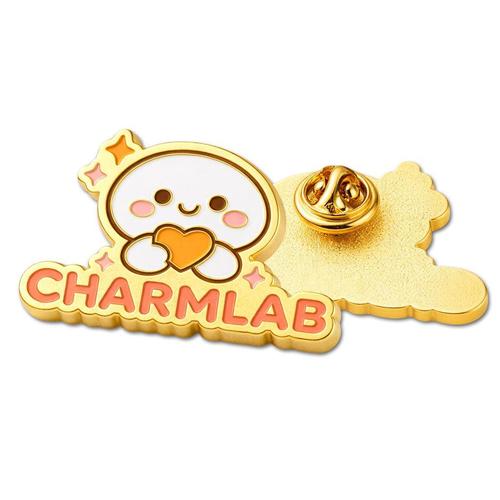
Acrylic custom keychains are lightweight, printed or layered designs made from clear or colored plastic, often chosen for vibrant artwork and low cost. Enamel custom keychains are usually metal-based pieces with colored fills that create a more polished, collectible look. The best choice depends on whether you value speed and flexibility or long-term premium appeal.
Table of Contents
- Material Basics That Actually Matter
- Durability Comparison in Real Use
- Cost Structure and Margin Impact
- Aesthetic Differences Buyers Notice
- Best Use Cases for Brands and Creators
- A Practical Comparison Table
- What Best Patches Sees in Client Orders
- Common Risks and How to Avoid Them
- Choosing the Right Supplier in 2026
- Final Recommendations
Material Basics That Actually Matter
When people compare acrylic and enamel, they often focus on one thing: how pretty the sample looks. That is a mistake. Material choice changes the entire product experience, including weight, edge feel, print fidelity, resistance to wear, and how customers perceive value.
Acrylic works best when your art depends on color saturation, fine-line illustration, or playful branding. It is often laser-cut or printed, which makes it highly adaptable for small batches and seasonal designs. Enamel, by contrast, is built around a metal base with inset color regions, so it naturally signals craft, collectability, and permanence.
Pro Tip: If your design has tiny text or gradient-heavy art, acrylic usually gives you more visual control. If your design is logo-forward and meant to feel like a premium merch item, enamel often wins on first impression.
Durability Comparison in Real Use
Durability is not just about whether a keychain “breaks.” It is about what happens after 30 days in a pocket, backpack, car ignition area, or event tote. Acrylic can resist everyday use well, but it is more vulnerable to scratches and surface wear, especially on glossy finishes. Enamel tends to hold up better against visual aging because the metal body and recessed color areas are less prone to edge chipping.
That said, enamel is not indestructible. If a buyer drops it on concrete or bends a thin connector ring, metal can dent or the attachment point can fail. The stronger the base alloy and hardware, the better the result. In a 2024 consumer product durability survey from SGS, buyers ranked surface wear and attachment failure as two of the biggest reasons they replaced small accessories early.
“For everyday carry items, the real question is not which material looks better on day one. It is which one still looks intentional after a month of friction.”
Where Acrylic Wins on Practical Durability
- Lightweight enough for large bundles and mailers
- Less expensive to replace in case of loss
- Works well for limited-run promotions
- Can be protected with double-sided film or epoxy finishes
Where Enamel Wins on Practical Durability
- Better perceived longevity for retail buyers
- More resistant to artwork fading
- Feels more collectible and giftable
- Supports premium hardware upgrades
Pro Tip: If you expect customers to attach the keychain to a key ring they use daily, test the clasp and split ring first, not just the front artwork. Hardware failure is often the real weak point.
Cost Structure and Margin Impact
Price is where acrylic often becomes the default winner. It usually costs less to produce, especially for small and medium runs. That gives creators more room to test designs, bundle products, or keep retail prices low for fan merch and giveaway campaigns.
Enamel keychains usually cost more because of metal tooling, enamel filling, plating, and finishing. But higher cost does not always mean worse margin. Premium products can support higher retail prices, stronger perceived value, and better conversion in gift-focused markets.
According to a 2025 report from McKinsey on consumer goods margins, small premium accessories often outperform lower-cost products when the brand positioning is clear and the visual difference is obvious. That is exactly why enamel works so well for boutique brands, event merch, and collector drops.
Cost Factors That Shift the Final Price
- Order quantity and minimum order requirements
- Number of colors and art complexity
- Material thickness and hardware selection
- Packaging choices and insert cards
- Rush production or shipping speed
| Brand Type | Preferred Material | Typical Unit Cost Range | Why It Works |
|---|---|---|---|
| Anime fan shop | Acrylic | $0.80-$1.80 | Bright art, low risk, easy seasonal drops |
| Boutique lifestyle brand | Enamel | $1.80-$4.50 | Premium feel supports higher retail pricing |
| Conference organizer | Acrylic | $0.60-$1.40 | Budget-friendly swag for large attendee counts |
| Collector merch label | Enamel | $2.20-$5.00 | Better fit for limited editions and repeat buyers |
Aesthetic Differences Buyers Notice
This is where the conversation gets subjective, but not random. Buyers do not simply react to color; they react to finish, depth, and how “finished” the product feels in hand. Acrylic gives you visual punch. Enamel gives you tactile authority.
Acrylic is ideal for bold gradients, transparent effects, and character art. It can look especially good under strong lighting and in social media photos. Enamel is better for crisp outlines, enamel-fill color blocking, and designs that need a polished, jewelry-like presence.
Best Patches often advises clients to think about the sales channel. If the product will be sold in a pop-up, convention booth, or online shop with lifestyle photography, enamel usually photographs as more upscale. If the goal is an energetic, youth-driven look, acrylic often feels more alive.
“The product that photographs well is not always the product that converts well. But for keychains, those two outcomes usually overlap when the finish matches the brand voice.”
Visual Cues That Change Perceived Value
Buyers subconsciously judge:
- Edge smoothness
- Color saturation
- Surface shine or gloss
- Thickness and weight
- Hardware quality
Best Use Cases for Brands and Creators
Acrylic and enamel are not competing for the same buyer in every situation. The smartest brands use each one for a different job.
Choose Acrylic When You Need
- Fast launches with lower upfront cost
- Art-heavy designs with lots of color detail
- Giveaways, bundles, or impulse purchases
- Frequent style changes and seasonal drops
Choose Enamel When You Need
- Premium branding and stronger shelf appeal
- Collector-style merchandise
- Higher retail pricing with better perceived value
- Longer product life in repeated use
In my experience working with Best Patches on launch campaigns, acrylic often performs best for testing demand fast, while enamel becomes the long-term hero product once the winning design is proven. One client in the streetwear space used acrylic keychains for the first 200-unit drop, then moved the top seller into enamel for a second run and raised the retail price without hurting conversion.
What Best Patches Sees in Client Orders
I have seen the same pattern across dozens of custom merch projects: brands usually want enamel aesthetics at acrylic pricing. That gap is where strategy matters. At Best Patches, we frequently help clients narrow the design so the material supports the business goal instead of fighting it.
One ecommerce brand came to us after a failed launch. Their acrylic keychains looked busy because the illustration used too many micro details. We simplified the linework, switched to cleaner color blocks, and kept the product in acrylic. Sales improved because the design finally matched the material.
Another client wanted a premium VIP gift for a music event. We recommended enamel because the keychain needed to feel keepable, not disposable. After the event, attendees posted it on social media because the finish looked more like a collectible than swag.
Common Risks and How to Avoid Them
Both materials have weak points, and ignoring them creates return headaches.
Acrylic Risks
- Scratching on glossy surfaces
- Visible wear on printed edges
- Lower perceived value if the artwork is too simple
- Can feel lightweight in a way some buyers interpret as cheap
Enamel Risks
- Higher upfront cost and tooling investment
- Longer lead times for production
- Less forgiving for highly detailed art
- Can be too premium for low-price promo campaigns
The fix is simple: design for the material, not the other way around. Use bold shapes, controlled color counts, and hardware that matches the audience. Also, always request a pre-production sample when your order is tied to a launch date.
Choosing the Right Supplier in 2026
Supplier selection matters as much as material selection. A good supplier will tell you when acrylic is the better choice for your artwork, even if enamel is more expensive. That is the kind of judgment you want.
According to a 2023 Deloitte manufacturing outlook, buyers are increasingly prioritizing transparency, shorter lead times, and quality consistency over the lowest possible unit price. That trend is especially relevant for custom accessories, where small quality issues become obvious fast.
What to Ask Before You Order
- Can you show real photos of both acrylic and enamel samples?
- What is the exact thickness and hardware grade?
- What is the minimum order quantity by material?
- How do you handle color matching and proof approval?
- What happens if the sample and final batch differ?
Best Patches recommends checking finish quality under natural light, not only on a computer screen. The difference between “good enough” and “premium” often shows up in reflection, edge polish, and hardware alignment.
Final Recommendations
If your priority is affordability, fast testing, and colorful art, acrylic is usually the better move. If your priority is premium perception, collector appeal, and stronger long-term resale value, enamel is often worth the extra cost.
For most brands, the best strategy is not choosing one forever. Start with the material that matches your launch goal, then upgrade the winning design once demand is proven.
Best Patches next steps:
- Request samples in both materials before placing a bulk order
- Match artwork complexity to the material, not the trend
- Set your retail price before production so margins stay intentional
References
McKinsey & Company — used for premium product margin trends in consumer goods.
SGS — referenced for common durability pain points in small accessories.
Deloitte — used for manufacturing buyer priorities in 2023-2026 sourcing behavior.
FAQ
What is better for small-batch merch, acrylic or enamel?
-
Acrylic is usually better for small batches because it is more affordable and easier to test with different designs. Enamel is better when you want the product to feel more premium and collectible.
Are enamel keychains more durable than acrylic ones?
-
In most cases, yes. Enamel keychains usually resist surface wear better and hold their look longer, while acrylic may scratch more easily over time.
What makes acrylic vs enamel custom keychains different in feel?
-
Acrylic feels lighter and more playful, while enamel feels heavier and more premium. That difference affects how customers judge value before they even use it.
How much do custom keychains usually cost to make?
-
Acrylic is usually lower cost, often starting under two dollars per unit in bulk. Enamel typically costs more, but it can support a higher retail price.
Which option is better for art with lots of detail?
-
Acrylic usually handles detailed art better because printing can capture finer lines, gradients, and transparent effects more easily than enamel fill areas.
Do enamel keychains work better for premium brands?
-
Yes. Enamel keychains usually align better with premium branding because they feel more permanent, more polished, and more collectible.
What should I ask before ordering acrylic vs enamel custom keychains?
-
Ask about sample quality, exact thickness, hardware grade, color matching, minimum order quantity, and whether the supplier can show real production photos before you buy.