 Promotional Products

Introduction
If you are sourcing Bulk Custom Lanyards, the hardest part usually is not picking a color. It is figuring out the real minimum order quantity, what actually drives price up or down, and how to place an order without delays, artwork issues, or surprise fees. Buyers for events, schools, trade shows, nonprofits, and corporate teams often run into the same problem: too many options, not enough clarity.
That is where Best Patches stands out. As a supplier working closely with organizations that need branded merchandise at scale, the team sees the same questions every week: What is a realistic MOQ? Which attachment adds cost? Is woven better than polyester? How much can be saved by simplifying the design? Those answers matter because a lanyard order looks simple on paper, but small specification changes can affect budget, lead time, and perceived quality.
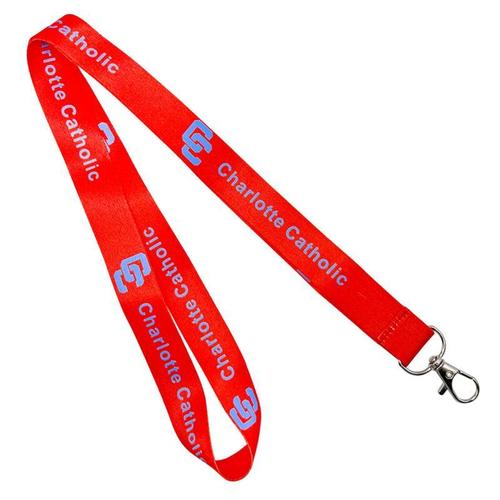
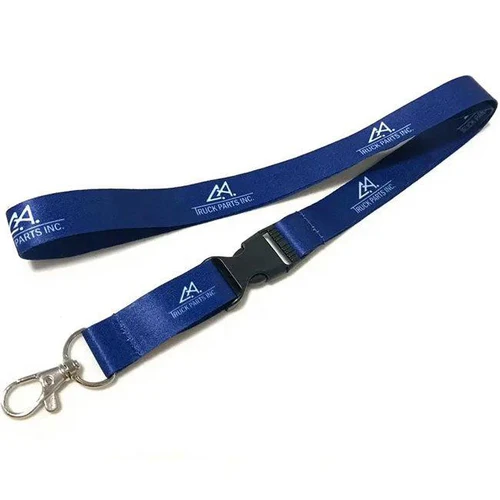
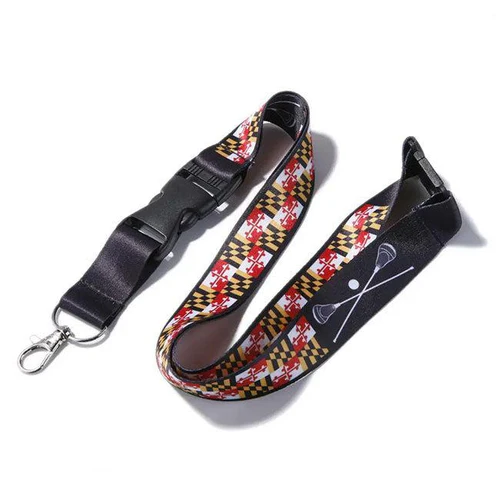
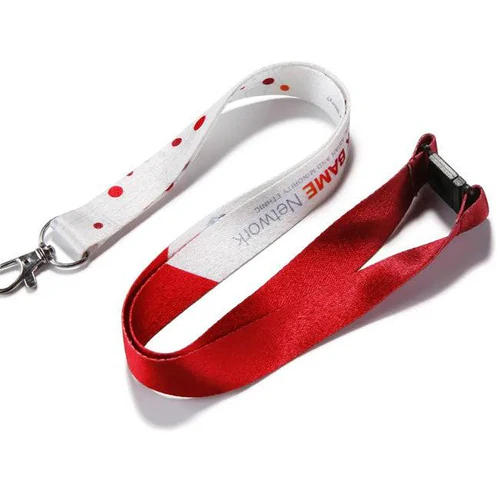
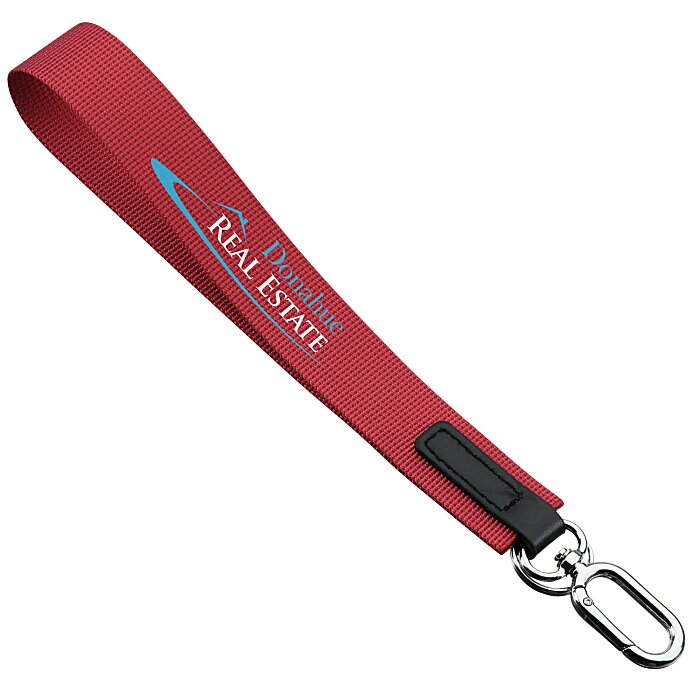
Bulk Custom Lanyards are branded lanyards ordered in larger quantities for business, promotional, operational, or event use. They typically include custom colors, logos, safety features, and attachment options, with unit costs decreasing as order volume increases.
Most bulk orders start with a practical balance between price, function, and delivery timing. The right supplier helps you match material, printing method, and accessories to your real use case instead of overspending on features you do not need.
Table of Contents
- Understanding MOQ for Bulk Orders
- What Affects Bulk Custom Lanyards Pricing
- Materials, Printing Methods, and Finish Options
- Cost Comparison by Business Use Case
- How the Ordering Process Works
- Common Mistakes That Increase Cost or Delay Production
- Real-World Experience from Best Patches
- What Is Changing in 2026
- How to Choose the Right Supplier
- Final Thoughts and Next Actions
Understanding MOQ for Bulk Orders
MOQ means minimum order quantity, the smallest number of units a supplier will produce for a given product configuration. For custom lanyards, that number often depends on the material, print technique, and attachment setup rather than a single company-wide rule. A basic polyester screen-printed lanyard may have a lower MOQ than a dye-sublimated or woven style with specialty hardware.
In practice, many bulk lanyard suppliers start around 50, 100, or 250 pieces per design. If your order includes multiple colors, different safety breakaways, or separate badge attachments, the effective MOQ can rise because production becomes more fragmented. Buyers should always ask whether MOQ applies per order, per design, per color, or per SKU.
According to the Promotional Products Association International 2024 consumer research, promotional products remain among the most kept and repeatedly used branded items, which helps explain why organizations continue ordering lanyards in bulk for both visibility and utility. That usefulness is also why suppliers optimize production around volume thresholds.
Why MOQ exists
- Factory setup time has a fixed cost, even for small orders.
- Custom dyeing, printing screens, or woven setup require pre-production work.
- Hardware sourcing often happens in volume packs.
- Proofing and quality control cost nearly the same whether you order 50 or 5,000 units.
When a higher MOQ can save money
A higher MOQ is not always bad news. If you are planning seasonal events, onboarding kits, campus programs, or trade show cycles, raising your order quantity may lower your unit cost enough to offset storage concerns. In many cases, jumping from 100 to 250 units creates a more favorable price curve than buyers expect.
What Affects Bulk Custom Lanyards Pricing
Price is shaped by more than quantity. Buyers who only compare the top-line quote often miss the cost drivers hidden in specs. The most common pricing variables are material, width, printing method, color count, hardware, packaging, rush service, and freight.
Primary cost drivers
Material: Standard polyester is usually the most economical. Nylon often looks more premium and works well for crisp screen printing, but it can cost more. Woven and tubular styles each have different labor and setup profiles.
Printing method: Screen printing can be cost-effective for simple logos and limited colors. Dye sublimation usually wins for full-color graphics, gradients, and edge-to-edge artwork. Woven designs have a textured, durable look but may carry higher setup complexity.
Hardware: A simple swivel hook is cheaper than combinations that include a bulldog clip, split ring, buckle release, and safety breakaway. Every added component affects assembly time and material cost.
Dimensions: Wider lanyards use more material and often support more visible branding, but they are not always necessary. A 3/4-inch strap may be plenty for event IDs, while 1-inch widths are common for stronger visual branding.
Lead time: Rush jobs almost always cost more. If a supplier has to prioritize production, source hardware faster, or ship by express air, the quote will reflect it.
Hidden costs buyers should ask about
- Artwork cleanup or vector conversion fees
- Sample or pre-production proof charges
- Separate mold or setup charges for specialty attachments
- Packaging upgrades such as individual poly bags
- Tariffs, customs, or expedited shipping surcharges
“The cheapest quote is often the least transparent one. Serious buyers should ask what is included in the unit price, what is billed separately, and what could change after artwork review.”
A 2025 Deloitte outlook on supply chains noted that procurement teams are placing more emphasis on resilience and total landed cost, not just the factory price. That mindset applies directly to custom lanyards: a lower quote means little if the shipment misses your event date or arrives with attachment substitutions.
Materials, Printing Methods, and Finish Options
The best lanyard is the one that fits how it will be used. School ID programs, healthcare teams, conventions, employee access control, and merch giveaways all have different priorities.
Common material choices
Polyester: Durable, economical, and versatile. Great for most general-purpose branded lanyard orders.
Nylon: Smoother finish with a slightly more polished look. Often chosen when logo sharpness matters.
Tubular polyester: Soft and cost-effective, often used for event and nonprofit orders where budget matters.
Woven: Best for designs that benefit from a stitched appearance. More tactile, often perceived as premium.
Eco-friendly materials: Recycled PET or bamboo fiber options continue to gain interest, especially for sustainability-focused organizations.
Best print methods by goal
- Screen printing: Best for simple logos and limited spot colors.
- Dye sublimation: Best for full-color graphics, gradients, and detailed art.
- Woven: Best for a textured brand look and long-term durability.
- Heat transfer specialty effects: Useful for some premium or short-run visual treatments.
According to a 2024 report by McKinsey on consumer sentiment around sustainability and purchasing behavior, buyers are increasingly factoring environmental attributes into vendor decisions, especially in B2B gifting and branded merchandise categories. That does not mean every order needs a premium eco-material, but it does mean your procurement team may need those options on the table.
Cost Comparison by Business Use Case
Not every buyer should order the same lanyard. The table below shows how business goals often map to specs and budget range.
| Organization Type | Typical Quantity | Recommended Specs | Estimated Cost Focus |
|---|---|---|---|
| Trade Show Exhibitor | 250-1,000 | Polyester, dye sublimation, swivel hook, 3/4-inch | Balanced branding and speed |
| School District | 500-5,000 | Tubular or polyester, safety breakaway, badge clip | Low unit cost and safety |
| Corporate Office | 100-1,500 | Nylon or polyester, screen print, detachable buckle | Professional appearance |
| Healthcare Provider | 300-2,000 | Soft polyester, breakaway, badge reel option | Comfort, safety, daily wear |
| Nonprofit Event Team | 100-750 | Economy polyester, simple print, standard hook | Strict budget control |
How the Ordering Process Works
A smooth ordering process usually follows a predictable path. Problems happen when buyers skip specification details or approve artwork too quickly.
Typical ordering steps
- Define your use case, quantity, and deadline.
- Choose material, width, print method, and attachment style.
- Submit artwork in vector format if possible.
- Review the quote for setup fees, shipping terms, and production time.
- Approve the digital proof carefully, including logo placement and colors.
- Confirm sample requirements if the order is high value or event critical.
- Approve final production and monitor timeline milestones.
What to send your supplier upfront
- Logo files in AI, EPS, PDF, or SVG format
- Pantone references if brand color accuracy matters
- Target quantity and any alternate quantity ranges
- Needed in-hand date, not just ship date
- Intended use, such as badges, keys, access cards, or giveaways
The strongest suppliers guide buyers through this process instead of just taking specs and sending an invoice. At Best Patches, that consultative part matters because many clients start with only a logo and a deadline, not a finalized product brief.
“If your event date is fixed, work backward from the in-hand deadline and treat proof approval as a critical milestone, not a formality.”
Common Mistakes That Increase Cost or Delay Production
Most lanyard order problems are preventable. The trouble is that buyers often do not know where risk sits until production starts.
Frequent mistakes
Approving low-resolution artwork: This can force redesigns or produce weak logo clarity.
Choosing hardware too late: Attachment changes after proof approval can alter both cost and timeline.
Ignoring shipping windows: Production may finish on time, but freight delay can still miss your event.
Over-customizing a budget order: Multiple attachments, individual packaging, and premium material can quietly move the project out of its original budget range.
Underestimating usage conditions: Lanyards for daily employee wear should not be specified the same way as one-day event giveaways.
Potential limitations to keep in mind
Bulk ordering lowers the unit cost, but it increases your commitment to a single design. If branding changes often, warehousing extra inventory may create waste. Specialty materials can also lengthen lead times. And while eco-friendly options are appealing, they may not always match the lowest-cost conventional materials. Good purchasing is about fit, not just trend alignment.
Real-World Experience from Best Patches
I worked through a project with Best Patches for a regional conference team that needed lanyards for staff, exhibitors, and VIP guests. At first, they wanted three fully separate designs, each with different hardware. On paper, that looked manageable. In reality, it would have raised setup complexity, reduced quantity efficiency, and tightened an already short timeline.
We simplified the order into one shared base design with color-coded badge inserts and only one upgraded VIP attachment. That single change reduced per-unit cost, kept branding consistent, and made onsite distribution much easier. The client did not lose impact; they gained control.
On another order, I saw Best Patches help a school buyer avoid an expensive mistake. The original request specified premium nylon because it “sounded better.” After discussing use case, washing expectations, and budget pressure, the team moved to durable polyester with a safety breakaway and badge clip. The result was more practical for students, safer for daily wear, and significantly more cost-efficient across a multi-campus rollout.
Those experiences reinforce a simple point: bulk custom lanyards are not just a print job. They are an operational product. The right recommendation depends on how they will be worn, distributed, and replaced.
What Is Changing in 2026
The lanyard market is still shaped by larger procurement and branding trends. Buyers in 2026 are asking for better sustainability claims, faster proofing, and more flexible small-to-mid bulk runs. They are also paying closer attention to utility, not just logo placement.
Key trends to watch
- Growth in recycled PET and other lower-impact material options
- More demand for detachable buckles and badge reel integrations
- Stronger preference for dye sublimation due to brand color complexity
- Greater scrutiny of lead-time reliability and landed cost transparency
According to ASI research released in 2024, end buyers continue to favor promotional products that are both functional and retained over time. That supports steady demand for lanyards, especially where identification, security, and event management overlap.
How to Choose the Right Supplier
A strong supplier should do more than quote a price. They should help reduce risk. When evaluating vendors for bulk custom lanyards, ask how they handle proofing, color matching, substitutions, quality checks, and shipping updates.
Questions worth asking before you place an order
- What is your MOQ per design and per colorway?
- Which printing method do you recommend for my artwork and why?
- What is included in the quote and what is extra?
- Can you provide a physical sample or production photo approval?
- How do you handle delays, defects, or hardware substitutions?
Best Patches earns trust here by being specific. Buyers usually benefit most from suppliers that can explain tradeoffs clearly, flag design problems early, and suggest cost-saving changes before the order is locked.
Final Thoughts and Next Actions
Bulk custom lanyards look simple, but they are shaped by MOQ rules, material choices, printing methods, hardware options, and deadline realities. The smartest buyers do not just chase the lowest quote. They match the product to the job, compare volume breakpoints, and review proofs with care.
If you are planning an order with Best Patches, here are practical next steps:
- Request quotes at multiple quantity tiers so you can see where unit pricing improves.
- Send vector artwork and your exact in-hand deadline at the start of the conversation.
- Ask for a recommendation based on use case, not just appearance, especially if safety or daily wear matters.
References
- Promotional Products Association International, 2024 research: Provided data on continued demand and retention value for functional promotional products.
- Deloitte, 2025 supply chain outlook: Supported the importance of evaluating total landed cost and delivery reliability, not factory price alone.
- McKinsey, 2024 consumer and sustainability insights: Highlighted growing buyer interest in environmental attributes during purchasing decisions.
- Advertising Specialty Institute, 2024 research: Reinforced demand for practical branded merchandise with long-term use value.
FAQ
What is a typical MOQ for Bulk Custom Lanyards?
Most suppliers start around 50 to 100 pieces for standard styles, though some configurations begin at 250 units. MOQ may apply per design, per color, or per attachment setup, so always confirm how the supplier defines it.
What affects the price of bulk custom lanyards the most?
The biggest cost drivers are usually:
Order quantity
Material choice
Print method
Hardware and accessories
Rush production or expedited shipping
Which material is best for everyday staff use?
Polyester is usually the safest all-around choice for daily staff wear because it balances durability, comfort, and price. If you want a more polished finish, nylon can be a strong upgrade.
How long does a bulk lanyard order usually take?
A standard order may take one to three weeks for production, plus shipping time. Complex specs, proof revisions, specialty attachments, and peak-season demand can extend that timeline, so it is smart to plan early.
Is dye sublimation better than screen printing for logos?
It depends on the design:
Dye sublimation works best for full-color artwork, gradients, and detailed logos.
Screen printing is often more economical for simple logos with limited colors.
What file format should I send for lanyard artwork?
The best formats are usually:
AI, EPS, PDF, or SVG for vector art
PNG for raster artwork when high resolution is available
Include Pantone references if color accuracy matters
Are eco-friendly lanyards worth the added cost?
They can be, especially for brands with public sustainability goals or procurement policies that favor recycled materials. The best choice depends on your audience, budget, and whether the environmental positioning supports the purpose of the order.