 Promotional Products






Introduction
If you are comparing Corporate Event Lanyards with promotional lanyards, you are probably trying to solve a practical problem, not a design problem. You need something that controls access, supports your brand, looks polished on-site, and does not create confusion at check-in. The wrong choice can slow entry lines, weaken your event image, and turn a simple badge system into an operational headache.
That is where experienced suppliers matter. Best Patches works with brands, organizers, and procurement teams that need lanyards to do more than carry a badge. For corporate conferences, trade shows, internal summits, and VIP events, the right lanyard has to function as part of the event system, not just as a giveaway.
Corporate Event Lanyards are branded neck straps designed for organized business events where identification, access control, professionalism, and attendee flow matter. Unlike generic promotional lanyards, they are usually built around event operations, security levels, sponsor visibility, and long wear during multi-hour or multi-day programs.
In short, promotional lanyards are often made to spread awareness, while corporate event lanyards are made to perform under real event conditions.
Table of Contents
- The Core Difference Between the Two
- Where Each Type Works Best
- Side-by-Side Business Comparison
- Design and Functional Specs That Change Results
- Security, Branding, and Attendee Experience
- Cost, ROI, and Procurement Trade-Offs
- What We Have Seen at Best Patches
- How to Choose the Right Lanyard for Your Event
- Common Mistakes Buyers Still Make
- Final Takeaways and Next Steps
The Core Difference Between the Two
The biggest difference is intent. Corporate event lanyards are operational tools with brand value. Promotional lanyards are branding tools with optional utility. That sounds subtle, but on the event floor it changes everything.
A corporate event lanyard is usually tied to badge display, attendee segmentation, sponsor placement, staff identification, and sometimes access control. It is chosen based on comfort, readability, attachment hardware, and how well it supports check-in and movement between spaces.
A promotional lanyard, by contrast, is often produced for broad distribution. It may be handed out at expos, college fairs, street campaigns, product launches, or as merch. The goal is maximum visibility at a manageable cost. Security, hierarchy, and long-wear comfort may be secondary.
“The best event lanyards do not call attention to themselves during operations. They quietly make the entire attendee journey smoother.”
That principle matters more in 2026 because events are becoming more hybrid, more segmented, and more brand-sensitive. According to Freeman’s recent event trend reporting from 2024, attendees increasingly expect streamlined, well-designed experiences rather than purely promotional environments. That expectation puts pressure on every physical touchpoint, including lanyards.
Where Each Type Works Best
Best uses for corporate event lanyards
These are built for structured business settings where people need to identify one another quickly and where the lanyard contributes to event order.
- Annual corporate conferences
- Sales kickoff meetings
- Investor events
- Industry trade shows with exhibitor badges
- Executive summits and VIP receptions
- Internal employee meetings with access zones
Best uses for promotional lanyards
These work well when the main objective is broad brand exposure at a lower unit cost.
- Campus marketing campaigns
- Retail giveaways
- Product launch swag bags
- Festival booths
- Community awareness events
- Low-security public events
The overlap is real, but the consequences of choosing incorrectly are different. If you use a promotional lanyard at a tightly managed conference, the result may be badge flipping, discomfort, poor sponsor presentation, and crowd confusion. If you use a highly specified corporate lanyard for a quick giveaway campaign, you may overspend without gaining extra impact.
Side-by-Side Business Comparison
| Lanyard Type | Primary Goal | Typical Business Scenario | Key Buying Priority |
|---|---|---|---|
| Corporate Event Lanyards | Identification and event flow | B2B conference with staff, VIP, and attendee badge tiers | Security, comfort, print clarity |
| Promotional Lanyards | Mass brand exposure | Trade show booth giveaway for lead generation | Low cost at volume |
| Corporate Event Lanyards | Professional brand presentation | Executive summit hosted by a finance or SaaS company | Premium finish and consistent brand standards |
| Promotional Lanyards | Casual merchandise or awareness | University recruiting fair or nonprofit street team campaign | Fast turnaround and simple logo placement |
| Corporate Event Lanyards | Role-based access support | Large expo with exhibitors, press, staff, speakers, and sponsors | Color coding and hardware options |
Design and Functional Specs That Change Results
Most buyers focus on artwork first. That is understandable, but function should come before style in corporate settings. A great-looking lanyard that twists, frays, irritates the neck, or fails to hold a badge correctly creates a bad experience fast.
Material and width matter more than many teams expect
For corporate use, polyester and satin blends are common because they balance durability, print quality, and comfort. Wider lanyards often improve logo visibility and reduce neck strain during long conferences. Narrower promotional styles may be cheaper, but they can feel less substantial and offer less room for sponsor or event messaging.
According to data published by the Advertising Specialty Institute in 2023, practical branded products tend to outperform novelty items in retention and repeated use. That finding helps explain why event buyers are paying closer attention to tactile quality and wearability rather than just unit price.
Attachment hardware affects usability
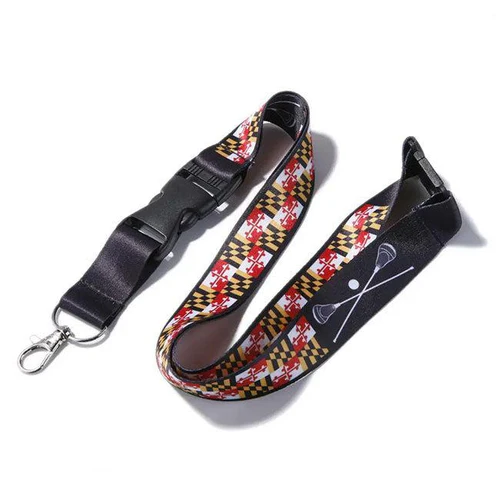
A standard swivel hook may be enough for a giveaway, but corporate event programs often need more specific configurations:
- Bulldog clips for badge stability
- Double clips for horizontal badge holders
- Breakaway safety clasps for compliance and comfort
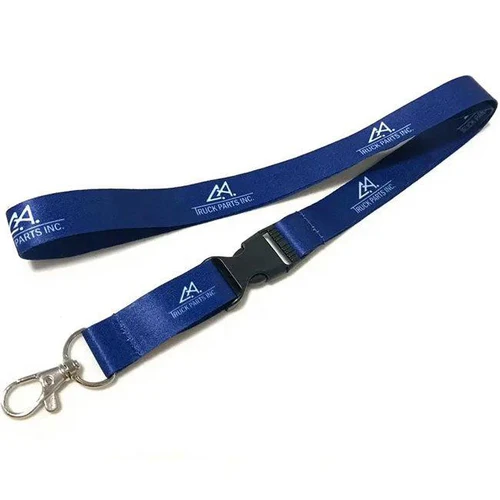
- Detachable buckle attachments for staff who scan or present badges frequently
Print method changes brand perception
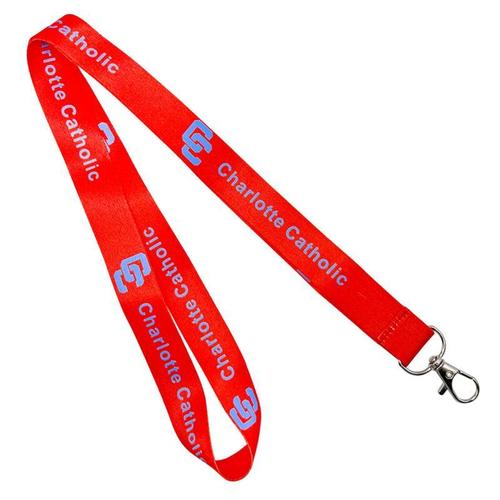
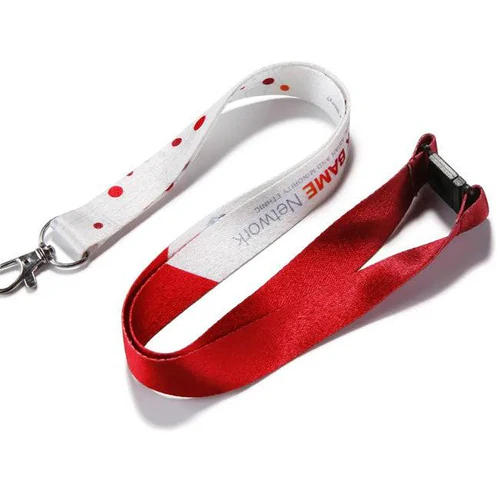
Screen printing can work well for simple promotional runs. Dye sublimation is often better for corporate events because it supports full-color branding, gradients, sponsor logos, and sharper consistency across a larger batch. When event branding is detailed, mismatched colors can make even an expensive event feel under-managed.
Security, Branding, and Attendee Experience
Corporate events often treat lanyards as visual infrastructure. The color, badge orientation, and print treatment can help attendees know who is staff, who is media, who is VIP, and who is general admission. That reduces reliance on verbal direction and speeds decision-making in crowded areas.
This becomes even more important in large venues. A 2024 report from PCMA highlighted that event planners are investing more in experience design and operational efficiency at the same time. Lanyards sit right at that intersection because they influence both navigation and perception.
How corporate event lanyards support experience design
- They make credentials visible from a distance
- They reinforce event hierarchy without awkward explanations
- They provide clean sponsor placement without overcrowding the badge
- They help security teams recognize access groups quickly
- They support photography and on-brand visual consistency
Where promotional lanyards can fall short
Promotional styles are not necessarily bad. They are just not always built for this job. Common limitations include thinner fabric, lower print fidelity, generic clip options, and less attention to badge behavior while walking. If the lanyard flips, curls, or hides the credential, it works against the event.
“When event teams treat lanyards like cheap accessories, they usually end up paying more in staff intervention, reprints, and attendee friction.”
Cost, ROI, and Procurement Trade-Offs
It is tempting to choose the least expensive option, especially for large attendee counts. But cost alone is a weak decision model. Buyers should think in terms of cost per useful outcome: smoother entry, stronger branding, fewer badge issues, better sponsor visibility, and lower onsite confusion.
What affects the final price
- Material type and softness
- Lanyard width and length
- Print method and color complexity
- Hardware type
- Safety breakaway features
- Packaging and kitting
- Rush production timelines
When higher spend pays off
A premium corporate event lanyard can be worth the extra cost if your event depends on executive perception, sponsor relationships, or security segmentation. On the other hand, if the item is mainly a booth handout, paying for premium fabric and specialized hardware may not produce measurable returns.
I have seen teams make both mistakes. They either underbuy for a high-stakes conference or overbuy for a general brand awareness campaign. The better question is not “What is the cheapest lanyard?” but “What job does this lanyard need to do?”
What We Have Seen at Best Patches
At Best Patches, we have worked with clients who came to us after a previous event used generic promotional lanyards for a corporate summit. One team in the software sector told us their first-day check-in looked fine on paper, but on-site staff could not quickly distinguish speakers from sponsors and premium guests because all lanyards looked nearly identical. Badge holders also tilted too much, which made scanning slower.
We helped them redesign the program with wider dye-sublimated corporate event lanyards, distinct colorways for attendee classes, and detachable buckles for staff and speakers. I remember how clear the feedback was after the next event: registration moved faster, sponsors liked the cleaner logo treatment, and the event photos looked far more polished.
In another case, I worked with a client preparing for an internal leadership meeting across multiple departments. They initially planned to order a low-cost promotional style because the audience was “just employees.” After reviewing agenda flow, room permissions, and all-day wear time, we recommended a more structured corporate event setup instead. That adjustment reduced role confusion and made department leads easier to identify during breakout sessions. It was a small change, but it improved the whole day.
How to Choose the Right Lanyard for Your Event
A simple selection process can prevent costly errors. Use this framework before approving artwork or requesting quotes.
- Define the event objective. Is the lanyard for access management, branding, giveaways, or all three?
- Map attendee groups. Staff, speakers, exhibitors, media, VIPs, and guests may need different identifiers.
- Match hardware to badge behavior. Consider how often badges will be scanned, removed, or displayed.
- Choose material based on wear time. A six-hour expo and a three-day summit do not need the same comfort level.
- Set branding rules early. Include sponsor hierarchy, logo spacing, and color accuracy requirements.
- Request a pre-production proof. This is where many print and readability issues get caught.
- Plan contingency inventory. Always order extra for replacements, late registrations, and staff additions.
Common Mistakes Buyers Still Make
Using one lanyard style for every event
Not every brand touchpoint needs the same product specification. A lanyard that works for a public giveaway may not work at an investor meeting.
Prioritizing logo size over comfort
Overloaded artwork can make a lanyard feel cheap and visually noisy. Clean branding often looks more premium and performs better.
Ignoring security and role identification
If your staff has to stop and ask people where they belong, your lanyard system is not doing enough work.
Ordering too late
Rush timelines reduce your options and increase the chance of settling for a generic promotional solution when you actually need a corporate event product.
Skipping user experience testing
Wear samples. Attach actual badges. Walk around. Sit down. Scan them. Small issues show up fast when you test in real conditions.
Final Takeaways and Next Steps
Corporate event lanyards and promotional lanyards may look similar at first glance, but they serve different business functions. Corporate event lanyards are built for structure, identity, professionalism, and flow. Promotional lanyards are better suited for broad visibility and lower-cost brand distribution.
If the event matters operationally, the lanyard matters strategically. That is especially true for multi-group events, sponsor-heavy conferences, leadership meetings, and environments where first impressions carry real value.
Best Patches recommends these next steps:
- Audit your upcoming event needs by attendee type, security level, and wear time.
- Request a lanyard specification that fits the event function, not just the budget target.
- Review proofs early so branding, hardware, and badge compatibility are aligned before production.
References
- Freeman — Recent event trend reporting on attendee expectations and experience design in business events.
- Advertising Specialty Institute — 2023 promotional product data supporting the value of practical branded items.
- PCMA — 2024 event industry insights on operational efficiency and attendee experience priorities.
FAQ
What are Corporate Event Lanyards used for?
They are mainly used for badge display, attendee identification, access control, sponsor branding, and creating a more organized professional event environment. They are common at conferences, expos, internal meetings, and executive gatherings.
How are corporate event lanyards different from promotional lanyards?
Corporate event lanyards are designed for performance in structured business settings, with more attention to comfort, print quality, badge stability, and role identification. Promotional lanyards are usually optimized for lower-cost distribution and general brand exposure.
What material is best for a corporate conference lanyard?
For most corporate events, soft polyester or dye-sublimated satin-style polyester offers a strong balance of comfort, durability, and sharp branding. The best material depends on event length, budget, and the finish your brand wants to present.
Are breakaway clasps necessary for business event lanyards?
Not always, but they are a smart choice for many corporate environments. Breakaway clasps improve safety and comfort, especially for staff, exhibitors, and attendees who will wear the lanyard for long periods or move through busy spaces.
How many extra lanyards should I order for an event?
A practical rule is to order at least 5% to 10% extra, depending on late registrations, lost badges, on-site staff additions, and replacement needs. Larger or multi-day events often benefit from a stronger buffer.
Can one lanyard design work for staff, VIPs, and attendees?
It can, but it usually should not. Separate colors or clear visual distinctions make it much easier to manage access, provide support, and maintain a polished event flow. A shared base design with role-specific color changes often works best.