 Promotional Products






Introduction
Choosing the right custom lanyard manufacturer can feel simple until your bulk order arrives with faded colors, weak clips, late delivery, or branding that looks nothing like the approved proof. For distributors, event buyers, schools, agencies, and corporate procurement teams, the wrong supplier creates more than inconvenience. It can trigger missed launch dates, compliance issues, and wasted budget.
That is why experienced buyers look beyond unit price. They evaluate material quality, attachment safety, print durability, production stability, and communication speed. At Best Patches, we have worked with businesses that needed lanyards for trade shows, access control, employee onboarding, retail promotions, and licensed merchandise, and the pattern is always the same: the best results come from a manufacturer that can balance customization, QC discipline, and dependable scale.
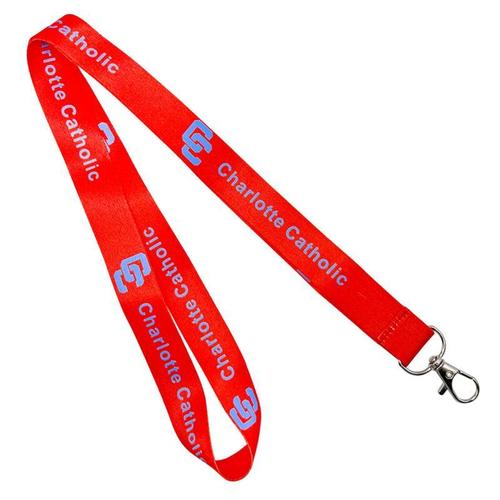
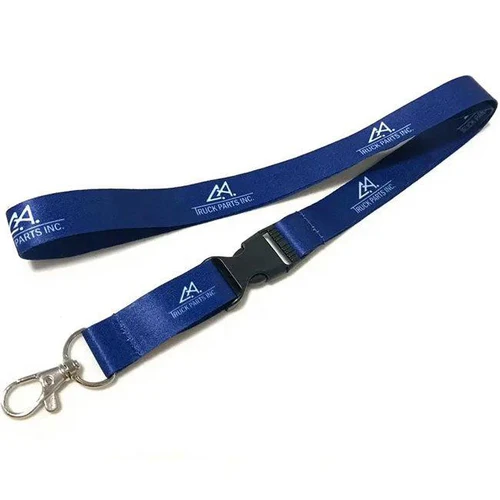
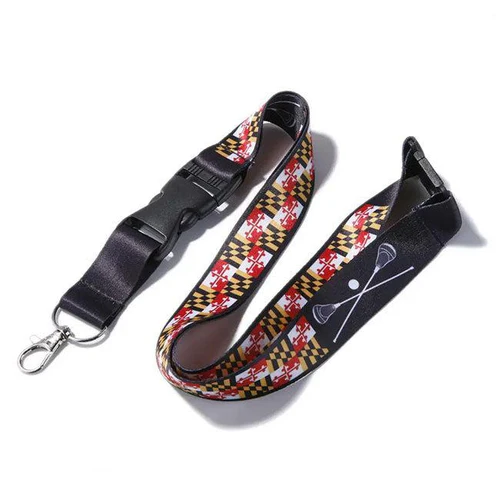
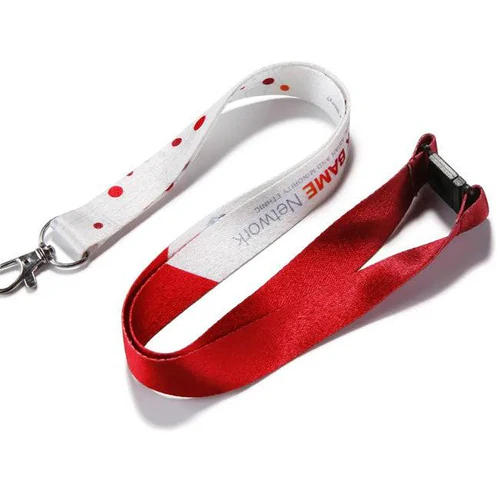
A custom lanyard manufacturer is a supplier that produces branded neck straps, badge lanyards, wrist lanyards, and related accessories tailored to a buyer’s logo, colors, material specs, and attachment requirements. In B2B buying, that usually means managing artwork setup, sampling, bulk production, packaging, and shipping at commercial volume.
The strongest manufacturer is not always the cheapest. It is the partner that can consistently translate brand standards into repeatable production outcomes while protecting lead time and product safety.
Table of Contents
- What Makes a Strong Manufacturing Partner
- Materials, Printing, and Construction Choices
- How B2B Buyers Should Source Suppliers
- Customization Options That Affect Cost and Performance
- Bulk Production, Lead Times, and Quality Control
- Pricing and Use-Case Comparison
- Risks, Limitations, and Common Buying Mistakes
- Best Patches Case Study and First-Hand Lessons
- How to Place a Smarter Bulk Order
What Makes a Strong Manufacturing Partner
Not every lanyard supplier is a true manufacturer. Some are trading companies. Some outsource every production step. Others can handle weaving, dye-sublimation, assembly, and packaging under one system. For B2B buyers, the difference matters because it affects consistency, lead time, and issue resolution.
A strong manufacturing partner usually shows several signs:
- Clear material specs for polyester, nylon, tubular, woven, satin, or eco fibers
- Ability to recommend the right print method instead of pushing a single option
- Documented QC checks for color, stitching, accessory strength, and count accuracy
- Stable communication during proofing, sampling, and production
- Realistic lead times rather than aggressive promises that collapse under pressure
- Flexible packaging options for retail, corporate kits, or event distribution
- Experience with safety breakaways, badge reels, buckle releases, and compliance-sensitive accessories
According to the 2024 Deloitte Global Chief Procurement Officer Survey, supply continuity and supplier resilience remain top priorities for procurement leaders, which is highly relevant for promotional and identity products that are often tied to fixed event dates or onboarding cycles. In practical terms, resilience means your supplier can still perform when artwork revisions, freight delays, or seasonal volume spikes hit the schedule.
“A lanyard is a low-cost item with high visibility. Buyers often focus on cents per piece, but the real cost comes from failure rates, missed deadlines, and brand inconsistency.”
Materials, Printing, and Construction Choices
Material selection is where many buyers either protect margin or create hidden problems. The right substrate depends on brand finish, wear conditions, comfort, and print detail.
Polyester
Polyester remains the default choice for many commercial programs because it offers a solid balance of cost, printability, and durability. It works well for screen printing and dye-sublimation, especially in mid- to high-volume programs.
Nylon
Nylon tends to have a smoother, slightly shinier finish and can create a more premium look for bold logos and solid colors. It is often chosen for corporate identity programs where appearance matters more than the lowest possible price.
Tubular and woven options
Tubular lanyards are often selected for budget-conscious promotional use. Woven lanyards are useful when buyers want the logo integrated into the fabric rather than printed on the surface. Woven styles can last longer visually, but they limit fine-detail artwork.
Recycled and eco-focused materials
Recycled PET and bamboo-fiber blends continue to gain traction, especially among universities, NGOs, and sustainability-led brands. According to IBM’s 2024 consumer research on sustainability-related purchase behavior, a meaningful share of buyers still considers environmental factors in brand choice, even as price sensitivity stays high. For B2B buyers, eco materials can support internal ESG messaging, but claims should be documented rather than assumed.
Attachment and safety hardware
The hardware can determine whether the product succeeds in daily use. Common options include swivel hooks, bulldog clips, split rings, badge reels, buckle releases, and breakaway safety clasps. For schools, hospitals, factories, and public-facing workplaces, safety breakaways are often non-negotiable.
How B2B Buyers Should Source Suppliers
Sourcing should not start with a quote request alone. It should start with a specification brief. When buyers send vague requests like “Need custom lanyards ASAP,” they usually get vague pricing back, and vague pricing often turns into surprise costs later.
Your sourcing brief should cover width, finished length, material, print method, logo placement, attachment type, breakaway requirement, packaging style, target quantity, in-hands date, destination country, and any compliance needs.
Questions to ask before approving a supplier
- Are you the manufacturer, a trading company, or a hybrid operation?
- What print method do you recommend for this artwork and why?
- What is your standard production lead time and your rush capacity?
- Can you provide a pre-production sample or photo approval before bulk run?
- How do you handle color matching and accessory pull testing?
- What percentage overrun or underrun should we expect on bulk orders?
- What packaging and labeling options are available for our distribution model?
According to McKinsey’s 2024 procurement insights on supplier management and risk, buyers are increasing their emphasis on transparency, digitized communication, and measurable supplier performance. That applies directly here. A manufacturer that cannot clearly explain its process usually cannot control it well either.
Customization Options That Affect Cost and Performance
Customization is where buyers shape both branding impact and total landed cost. Small changes can materially affect pricing, especially in bulk.
Width, length, and imprint area
Standard widths such as 15 mm, 20 mm, and 25 mm cover most business use cases. Wider lanyards create more logo presence, but they consume more material and can slightly increase shipping volume. For event lanyards, comfort often matters more than maximum imprint size.
Single-sided versus double-sided branding
Double-sided printing improves visibility during wear, especially at conferences and exhibitions, but it adds production cost. Some buyers justify that premium because photos from the event will capture the brand from multiple angles.
Attachments and modular features
Adding detachable buckles, badge reels, phone tabs, or card holders can raise unit cost, but it can also expand product usefulness. In employee access environments, modular functionality often beats bare-minimum pricing.
Packaging and kitting
Retail-ready packaging, barcode labels, insert cards, and multi-item kits can dramatically simplify downstream fulfillment. This matters for agencies, franchise systems, and corporate HR teams that want each branch or employee to receive a ready-to-use pack.
“The best customization choices are not the flashiest ones. They are the ones aligned with where, how, and how often the lanyard will actually be used.”
Bulk Production, Lead Times, and Quality Control
Once the sample is approved, the real challenge begins: repeatability at scale. A supplier that can make one good sample may still struggle with a 20,000-piece run if stitching, assembly, trimming, and packing are not controlled carefully.
Where production issues usually happen
- Color drift between sample and bulk run
- Uneven logo placement on long straps
- Weak stitching near metal hooks
- Mixed hardware in the same carton
- Incorrect counts across packaged bundles
- Late completion caused by accessory shortages
According to the 2025 ASCM supply chain priorities coverage, companies continue to focus on quality visibility and operational reliability as core drivers of supplier choice. For lanyards, that means the manufacturer should inspect not just fabric printing, but also assembly points and final packing accuracy.
What reliable QC looks like
Reliable QC starts before production. Artwork files should be checked for vector quality, line thickness, Pantone references, and any small text that may fail in print. During production, operators should confirm material roll consistency, print registration, stitch strength, and hardware match. Before shipment, cartons should be spot-counted, visually checked, and linked to the approved spec sheet.
Pricing and Use-Case Comparison
Buyers often ask for a universal “best” option, but there is no single winner. The right choice depends on budget, wear environment, and brand expectations.
| Business Scenario | Recommended Material | Best Print Method | Why It Fits |
|---|---|---|---|
| Trade show organizer needing 10,000 pieces | Polyester | Dye-sublimation | Balances cost, speed, and full-color branding for high-volume events |
| Corporate headquarters employee ID program | Nylon | Screen printing | Creates a cleaner premium look for simple logos and everyday office use |
| Hospital or school needing safety-focused wear | Polyester with breakaway clasp | Screen printing | Prioritizes safety, easy identification, and durable daily handling |
| University sustainability campaign | Recycled PET | Dye-sublimation | Supports eco messaging while preserving vibrant school branding |
| Retail merch brand selling branded accessories | Woven polyester | Woven logo integration | Delivers a textured, longer-lasting branded look for resale products |
Pricing usually moves based on five drivers: material, print method, attachment complexity, packaging, and order volume. Freight can become a sixth driver when timing is tight and air shipment replaces sea or consolidated courier methods.
Risks, Limitations, and Common Buying Mistakes
Even a good supplier relationship can go wrong if the buying process is weak. Most avoidable failures come from poor specs, rushed approvals, or unrealistic delivery expectations.
Common mistakes
- Choosing by unit price alone without checking hardware quality
- Approving artwork without confirming scale and logo repetition spacing
- Ignoring accessory safety requirements for school or industrial use
- Waiting too long to order before a major event
- Assuming eco claims are verified without asking for supporting details
- Overcomplicating a budget item with too many add-ons that add little user value
There are also practical limitations. Fine text and intricate logos may not reproduce well on narrow woven lanyards. Metallic finishes can look premium but increase cost and lead time. Very low MOQs may limit material and hardware options. If you need exact Pantone matching across multiple branded items, lanyards can show slight variation depending on substrate and print method.
Best Patches Case Study and First-Hand Lessons
I worked with a client through Best Patches that needed lanyards for a multi-city technology expo. Their first supplier had quoted aggressively, but sample photos exposed inconsistent print edges and clips that did not match the approved style. The event dates were fixed, so we rebuilt the project around a cleaner specification: 20 mm polyester, double-sided dye-sublimation, black swivel hook, individual polybag, and a realistic production window with a photo checkpoint before final packing.
What changed the result was not just switching factories. It was tightening the process. We simplified the attachment choice, standardized the logo repeat, and required a pre-production confirmation under normal lighting. The final shipment arrived on time, and the buyer told us their registration team had zero complaints from on-site staff. That was a sharp contrast to the previous year, when they had clips breaking during setup.
In another project, I supported a school system order where safety mattered more than visual bells and whistles. The team initially wanted a premium metal attachment with a detachable buckle, but after reviewing the day-to-day wear environment, we recommended a breakaway safety clasp and a simpler hook. The finished product cost less, reduced risk, and fit the use case better. That experience reinforced a lesson we apply often at Best Patches: a better order is not always a more complex order.
How to Place a Smarter Bulk Order
If you want a smoother sourcing cycle, use a structured buying flow. It saves time, reduces revision loops, and gives the manufacturer a real chance to quote accurately.
A practical ordering workflow
- Define the use case: event giveaway, employee ID, retail merch, school safety, or promotional campaign.
- Select core specs: material, width, print method, attachment, breakaway, and packaging.
- Send artwork with brand references, Pantone targets, and required logo spacing.
- Request a formal quote with production time, sample timing, shipping method, and overrun policy.
- Approve a proof and, when possible, a photographed or physical sample.
- Confirm QC checkpoints before bulk production starts.
- Track production and shipping against your in-hands date, not just factory completion date.
This approach is especially useful if you manage recurring orders across branches, campuses, franchise locations, or annual events. Once a style is standardized, repeat purchasing becomes faster and less error-prone.
Conclusion
The right custom lanyard manufacturer does more than print a logo on fabric. It helps you control quality, match the product to the real use case, and protect the timeline that your campaign or operation depends on. Material choice, print method, hardware, packaging, and QC discipline all shape the final result.
Best Patches recommends three practical next steps for B2B buyers:
- Create a detailed specification sheet before requesting quotes.
- Approve a pre-production sample with hardware visible, not just artwork.
- Choose a supplier based on repeatability and communication, not price alone.
References
- Deloitte Global Chief Procurement Officer Survey 2024 — provided current insights into procurement priorities, supplier resilience, and risk management.
- McKinsey procurement and supplier management insights, 2024 — informed the discussion around transparency, supplier performance, and strategic sourcing discipline.
- IBM sustainability-related consumer research, 2024 — supported the analysis of why recycled and eco-positioned materials matter in brand purchasing decisions.
- ASCM supply chain priorities coverage, 2025 — reinforced the importance of quality visibility and operational reliability in supplier selection.
FAQ
How do I choose the right custom lanyard manufacturer for a bulk order?
Start with capability, not just price. Review material options, print methods, hardware choices, sample quality, lead times, and communication speed. A strong supplier should also explain QC procedures and provide realistic delivery windows.
What materials are most common for custom lanyards?
The most common materials are polyester, nylon, tubular fabric, woven polyester, and recycled PET. Polyester is usually the best all-around option for cost and print flexibility, while nylon is often chosen for a smoother premium finish.
What is the usual MOQ for a custom lanyard manufacturer?
MOQ varies by factory, material, and customization level, but many suppliers start around 100 to 500 pieces for standard styles. More specialized attachments, woven designs, or custom packaging may require higher minimums.
Which print method is best for detailed logo artwork?
For gradients, multi-color branding, and tight detail, dye-sublimation is usually the best option. For simple spot-color logos, screen printing can be more cost-effective and still look sharp.
How long does bulk lanyard production usually take?
Standard production often takes around one to three weeks after proof approval, depending on quantity and complexity. Shipping time is separate, so buyers should plan backward from the in-hands date rather than the factory finish date.
Are eco-friendly lanyards a practical option for B2B buyers?
Yes, especially for universities, nonprofits, and brands with sustainability goals. Recycled PET lanyards are widely available and can still support strong full-color branding, though buyers should ask for documentation behind environmental claims.
What files should I send to a custom lanyard manufacturer?
Vector files such as AI, EPS, or SVG are usually best because they preserve sharp edges and color control. If vector files are not available, send the highest-resolution PNG possible and include brand color references and sizing notes.