 Promotional Products







Introduction
Choosing a Lanyard Supplier sounds simple until late deliveries, weak clips, color mismatches, or poor print quality start affecting your event, school program, employee onboarding, or retail campaign. A low-cost vendor can become an expensive problem when badge holders break, branding looks off, or reorders arrive too late to be useful.
That is why buyers now look beyond price. They want a partner who can manage production quality, branding consistency, compliance, and repeatability at scale. Best Patches has built its reputation by helping businesses source custom promotional products with tighter quality control, clearer communication, and more practical guidance before an order goes into production.
A Lanyard Supplier is a company that manufactures or sources custom lanyards for business, event, school, healthcare, nonprofit, and retail use. The right supplier does more than print a logo; it helps you choose materials, attachment hardware, safety options, packaging, turnaround times, and reorder systems that fit your real business needs.
If your goal is to avoid waste, protect brand standards, and get products that actually perform in the field, supplier selection is a procurement decision, not just a design choice.
Table of Contents
- What a Strong Lanyard Supplier Actually Delivers
- Key Evaluation Criteria Before You Request a Quote
- Materials, Printing Methods, and Hardware Choices
- Questions to Ask Before Placing an Order
- Comparing Supplier Types by Business Scenario
- Common Risks, Delays, and Quality Problems
- How Best Patches Approaches Real Client Orders
- Pricing, MOQs, and Total Cost of Ownership
- How to Build a Repeatable Supplier Selection Process
What a Strong Lanyard Supplier Actually Delivers
The best supplier is not always the cheapest or the largest. A reliable lanyard partner should be able to meet your functional, branding, compliance, and logistics needs at the same time. That means understanding how your lanyards will be used, by whom, and under what conditions.
For example, a trade show organizer may care most about fast delivery, readable branding, and attachment compatibility with badge sleeves. A hospital may prioritize breakaway safety, durable clips, and easy color coding by department. A university bookstore may need retail-ready packaging and accurate team colors.
At minimum, a dependable supplier should offer:
- Consistent print quality across production runs
- Multiple material options such as polyester, nylon, woven, tubular, or eco-focused alternatives
- Clear proofing before production begins
- Hardware choices for badges, keys, whistles, USB drives, or access cards
- Transparent turnaround times and shipping expectations
- Support for bulk reorders and artwork updates
- Responsive customer service when specs change
According to the Promotional Products Association International 2024 industry outlook, buyers continue to place a premium on product usefulness and long-term brand visibility. That matters because lanyards are practical items people keep using, which makes quality a branding issue, not just a sourcing issue.
Key Evaluation Criteria Before You Request a Quote
A quote only helps if you already know what to compare. Many businesses make the mistake of sending a logo and asking for a unit price without defining the variables that influence product performance and cost.
Production Capability
Ask whether the supplier actually manufactures, operates through a vetted network, or simply brokers orders. None of these models is automatically bad, but each affects speed, quality control, and communication. A broker may offer flexibility, while a direct manufacturer may provide stronger process control.
Quality Assurance Process
Good suppliers can explain how they inspect color, stitching, print alignment, attachment strength, and packaging accuracy. If the answer is vague, that is a warning sign. Strong vendors usually provide digital proofs, pre-production samples for larger runs, and documented correction steps if defects appear.
Communication Standards
Fast replies are helpful, but precise replies are better. You want a supplier that confirms dimensions, PMS color matching expectations, imprint area, attachment type, safety release options, and ship dates in writing.
Compliance and Safety
If your lanyards are used in schools, healthcare, manufacturing, or government environments, safety features may be mandatory. Breakaway closures, non-toxic materials, and secure hardware are not minor details. They may determine whether the product is acceptable for use at all.
“A supplier should be able to tell you not only what they can make, but what they would refuse to recommend for your use case. That’s usually where experience shows up.”
Materials, Printing Methods, and Hardware Choices
Your choice of supplier should depend in part on whether they are strong in the product style you actually need. Not every vendor excels across every lanyard category.
Common Material Options
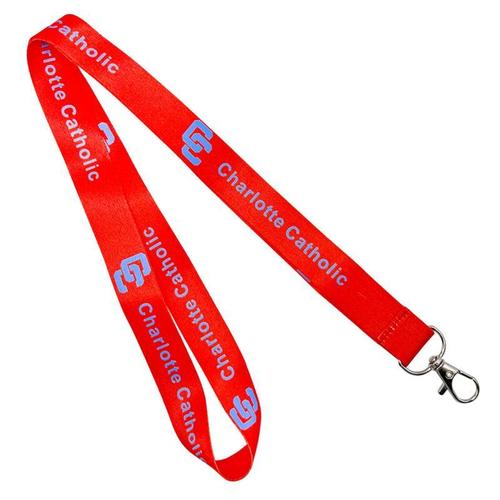
Polyester is the all-around standard for affordability, full-color decoration, and general event use. Nylon offers a smoother, shinier look and works well for premium corporate branding. Tubular lanyards are often chosen for budget-focused campaigns. Woven lanyards are durable and good for simpler text-based branding. Eco-friendly materials such as recycled PET are increasingly requested by brands with sustainability goals.
Printing and Branding Methods
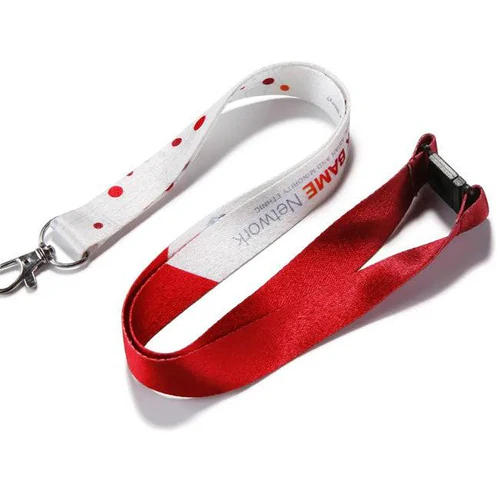
Screen printing works well for bold, simple logos. Dye sublimation is ideal for gradients, complex artwork, and edge-to-edge graphics. Woven designs suit text-heavy or lower-color branding where durability matters. The right supplier will explain which method fits your artwork instead of pushing one default option.
Attachment Hardware
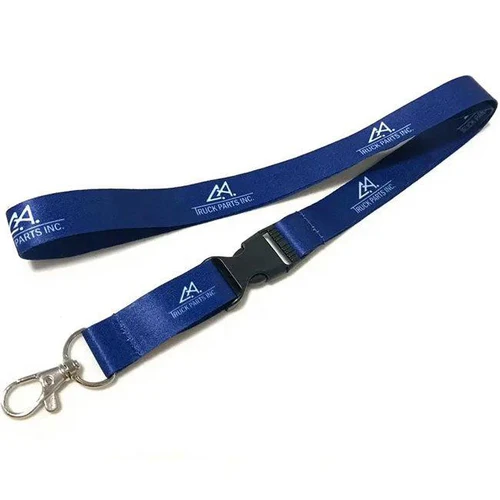
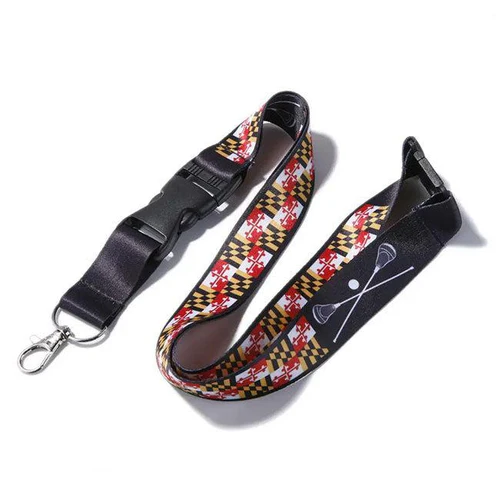
Hardware can make or break usability. Typical options include swivel hooks, bulldog clips, split rings, lobster clasps, detachable buckles, badge reels, and safety breakaways. A generic quote that ignores attachment details is rarely a complete quote.
According to a 2025 McKinsey report on consumer sentiment around sustainability and purchasing behavior, buyers increasingly expect environmental claims to be specific and verifiable. If a supplier promotes recycled or eco-conscious lanyards, ask what the material is, what percentage is recycled, and whether documentation exists.
Questions to Ask Before Placing an Order
Before you approve any supplier, get direct answers to these points. This step separates polished sales language from operational competence.
- What material and print method do you recommend for my use case, and why?
- What is the exact production timeline, including proof approval and shipping?
- Can you provide a pre-production sample for larger or repeat-sensitive orders?
- What color variation should I expect between digital proof and final product?
- How do you handle defects, shortages, or shipping damage?
- What are the minimum order quantities for each style and attachment type?
- Can you save my artwork and specifications for repeat orders?
If a supplier cannot answer these clearly, they may still be able to produce your order, but they are less likely to manage your risk well.
Comparing Supplier Types by Business Scenario
Different supplier models fit different buying situations. The best option for a startup event team may not be the best fit for a multi-location enterprise brand.
| Business Scenario | Best Supplier Type | Main Advantage | Main Tradeoff |
|---|---|---|---|
| Trade show company needing 2,000 units fast | High-volume promotional product specialist | Speed and bulk fulfillment | Less customization flexibility |
| University ordering department-color lanyards | Custom branding supplier with proofing support | Better brand accuracy | Slightly longer approval cycle |
| Hospital requiring breakaway safety lanyards | Compliance-aware specialty supplier | Safer spec recommendations | Higher unit pricing |
| Retail brand testing a new merch line | Low-MOQ custom supplier | Small-batch flexibility | Higher per-unit cost |
| Corporate buyer standardizing nationwide reorders | Managed account supplier | Repeatable specs and reorder ease | Less room for one-off experimentation |
Common Risks, Delays, and Quality Problems
Every supplier can talk about quality. The better question is whether they can prevent the common failures that buyers see over and over.
Color Drift and Artwork Issues
Digital mockups often look cleaner than fabric printing in real life. Fine lines, tiny text, and gradients may not translate well depending on the print method. That is why proofing standards matter.
Weak Attachments
It is common for buyers to focus on strap design and overlook hardware. Cheap clips can snap, rust, or fail under daily use. If your lanyard holds security badges or keys, the attachment is part of the core product, not an accessory.
Shipping and Timing Surprises
Production time and delivery time are separate issues. A supplier may promise a quick production schedule but fail to account for customs delays, weather disruptions, or seasonal shipping congestion. According to the 2024 DHL Logistics Trend Radar, supply chain visibility and lead-time transparency remain major decision factors for business buyers because unexpected delays continue to affect promotional and event-driven products.
Overbuying the Wrong Spec
A low unit price can push teams into ordering too much inventory before testing user preferences. If employees dislike a thick strap, if attendees want detachable buckles, or if your badge holders do not fit the attachment, savings disappear fast.
“The cheapest quote is often built on assumptions the buyer never intended. If the supplier does not restate the spec in detail, your price comparison may be meaningless.”
How Best Patches Approaches Real Client Orders
At Best Patches, we have seen the same pattern repeatedly: clients come to us after a previous order looked fine on screen but failed in use. In one case, a regional events company needed lanyards for a three-city conference series. Their prior supplier delivered units with inconsistent logo placement and clips that jammed when staff tried to attach badge sleeves. We rebuilt the spec from the ground up, recommended dye sublimation for cleaner branding, upgraded the hardware, and created a repeat-order reference file so each city received matching inventory.
I remember one particular call with that client because their biggest concern was not the initial event. It was the second and third events, where inconsistency would make the brand look disorganized. We walked them through material feel, attachment stress points, and packing logic by venue. The result was not just a better product; it was a more repeatable ordering system.
In another project, we worked with a school-affiliated organization that wanted student-safe lanyards with breakaway closures and color-coded role identification. I advised them to avoid an overly glossy finish because their staff wanted easy readability rather than a premium shine. That small adjustment reduced glare and improved function in daily use. It also cut down on complaints from staff members who wore the lanyards all day.
These projects reinforce a simple truth: the right supplier is part product expert, part process manager. If they only talk about price, they are solving too small a part of the problem.
Pricing, MOQs, and Total Cost of Ownership
Smart buyers compare more than quoted unit cost. The real expense includes sampling, shipping, defect rates, reprint risk, rush fees, and admin time spent fixing avoidable mistakes.
What Usually Affects Price
- Material type and width
- Printing method and number of colors
- Attachment hardware
- Safety breakaways or detachable buckles
- Packaging requirements
- Order volume and reorder frequency
- Shipping method and delivery urgency
Why MOQs Matter
Low minimum order quantities are useful for testing, but they often come with higher per-unit costs and fewer customization options. Higher MOQs can reduce unit pricing but increase the risk of carrying stock you may not use. The best supplier will help you choose the point where inventory efficiency and cash flow make sense.
How to Build a Repeatable Supplier Selection Process
If your company will buy lanyards more than once, build a short internal selection framework now. It saves time and prevents future inconsistency.
Use a scorecard based on quality, communication, lead time, proof accuracy, hardware options, sustainability transparency, and reorder support. Ask at least two suppliers to quote the same specification. Review their written responses, not just the final number.
A practical selection process usually looks like this:
- Define your use case, quantity, and must-have features
- Shortlist suppliers with relevant product experience
- Request matched quotes using one shared specification sheet
- Review proofing process, sample options, and delivery commitments
- Test a first order before moving to a long-term relationship
This approach is especially useful for companies with multiple departments, campuses, or event teams. Standardizing the spec means your brand does not shift every time a different staff member places an order.
Conclusion
The right Lanyard Supplier should protect your timeline, your brand, and your budget. That means evaluating materials, print methods, hardware, safety options, communication quality, and reorder reliability rather than chasing the lowest quote.
Best Patches recommends three next steps for buyers who want fewer sourcing surprises:
- Create a one-page lanyard specification sheet before requesting quotes
- Test one supplier with a sample or pilot run before committing to a large order
- Choose a partner that can document your approved spec for easy, consistent reorders
When the supplier understands how your product will actually be used, your lanyards stop being a commodity and start working like a reliable part of your brand system.
References
- Promotional Products Association International, 2024 industry outlook — Provided insight into buyer priorities around useful branded merchandise and long-term brand exposure.
- McKinsey, 2025 consumer sustainability research — Supported the point that buyers increasingly expect specific, credible environmental claims.
- DHL, 2024 Logistics Trend Radar — Reinforced the importance of supply chain visibility and realistic delivery planning for business purchases.
FAQ
What should I look for in a Lanyard Supplier?
Look for consistent print quality, clear proofing, material and hardware options, realistic lead times, defect handling policies, and strong communication. A good supplier should also understand your use case, whether that is events, schools, healthcare, or retail.
Which lanyard material is best for business use?
Polyester is the most common choice because it balances cost, comfort, and print quality. Nylon works well for a more premium appearance, while woven lanyards are a good fit for simpler, highly durable designs.
Are low-MOQ suppliers a good choice?
Yes, especially if you are testing a new design, event format, or merchandise concept. Just keep in mind that lower MOQs often mean higher per-unit pricing and fewer customization options.
How important are breakaway safety features?
They are very important in schools, healthcare, manufacturing, and other environments where snagging or pulling is a concern. If safety matters in your setting, treat breakaways as a required spec rather than an optional upgrade.
How can I compare supplier quotes fairly?
Use one shared specification sheet with the same material, width, print method, hardware, quantity, packaging, and delivery target for every supplier. Then compare not only unit cost but also shipping, sampling, proofing, and remake policies.
Can a supplier help with repeat orders and brand consistency?
A strong supplier should save your approved artwork, dimensions, colors, hardware choices, and packaging notes so future orders stay consistent. This is especially valuable for companies with multiple offices, campuses, or recurring events.