 Promotional Products
Introduction
If you are comparing Custom Lanyard Printing options, you are probably dealing with a familiar problem: you need lanyards that look sharp, hold up under daily use, and actually support your brand instead of feeling like cheap giveaway clutter. The challenge is not just choosing a color or adding a logo. It is matching the right print method, material, attachment, and design layout to a real use case such as trade shows, schools, hospitals, corporate security, or retail promotions.
That is where experienced suppliers matter. Best Patches has built its reputation by helping businesses, teams, and organizations turn simple neck straps into practical branded tools. A well-produced lanyard can improve visibility, simplify identification, and create a more polished customer or staff experience, but only if the production method fits the job.
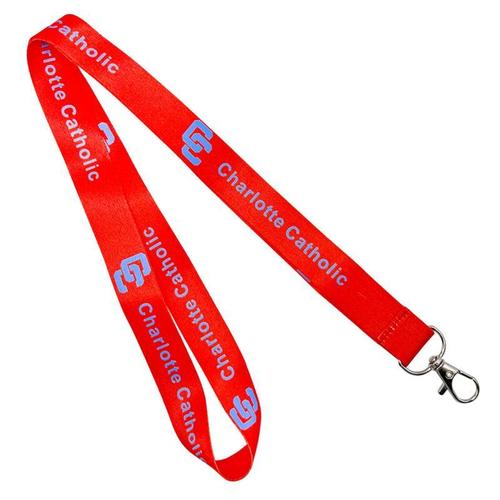
Custom Lanyard Printing is the process of adding logos, text, colors, and graphics to lanyards for branding, identification, or promotional use. It includes several techniques such as screen printing, dye sublimation, woven branding, and heat transfer, each with different strengths in color quality, durability, detail, and cost.
The short version: there is no single best printing option for every order. The right choice depends on artwork complexity, budget, wear conditions, turnaround time, and the image your brand wants to project.
Table of Contents
- What Makes Lanyard Printing Effective
- Main Printing Methods for Custom Lanyards
- Design Rules That Improve Results
- Materials, Attachments, and Finishes
- Best Applications by Industry
- Cost, Quality, and Order Planning
- Common Mistakes and Limitations
- Best Patches Case Study
- How to Choose the Right Option
What Makes Lanyard Printing Effective
A lanyard works best when it solves three jobs at once: it identifies, it promotes, and it survives regular wear. Many buyers focus only on logo placement, but performance depends on a wider mix of decisions. Width, fabric, print method, clasp type, breakaway safety, and readability all affect whether the final product feels premium or disposable.
According to the Promotional Products Association International 2024 research on promotional product effectiveness, useful branded items tend to generate stronger retention than novelty items with limited function. Lanyards fit that pattern because they stay visible for hours at events, offices, campuses, and controlled-access facilities.
Good lanyard printing usually includes:
- High contrast between text and strap color
- Repeat logo spacing that remains readable when worn
- A method that matches artwork detail level
- Fabric selected for comfort and durability
- Hardware chosen for the badge, key, or credential load
- Safety features where required, such as breakaway clasps
When any one of those factors is ignored, the lanyard may still look acceptable in a flat digital mockup but fail in real-world use.
“The best custom lanyard is not the one with the most decoration. It is the one people can wear all day, read at a glance, and associate with a credible brand.”
Main Printing Methods for Custom Lanyards
Screen Printing
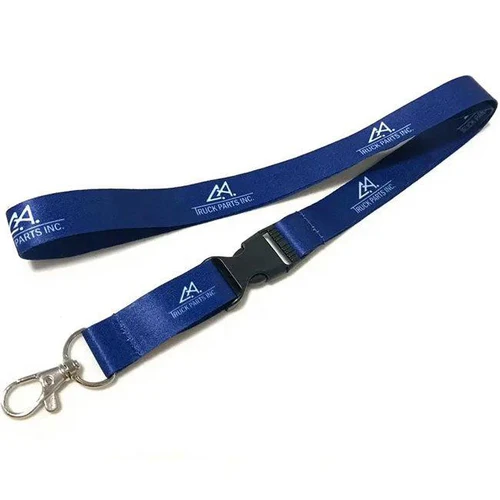
Screen printing is one of the most common choices for simple logos and text. Ink is applied directly onto the lanyard surface, usually on polyester or nylon. It is cost-effective for straightforward one-color or two-color branding and works especially well for bulk orders.
Best for: clean logos, event lanyards, employee IDs, and budget-sensitive campaigns.
Strengths: lower setup cost for simple artwork, good visibility, reliable repeat branding.
Limitations: not ideal for gradients, photo-style images, or very fine detail.
Dye Sublimation
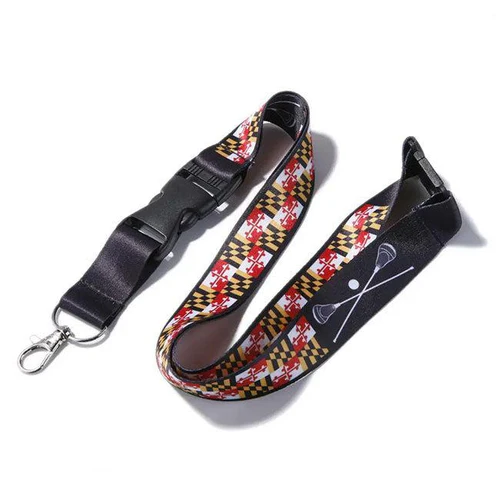
Dye sublimation produces full-color graphics by infusing ink into polyester fibers. The result is vibrant, durable, and excellent for edge-to-edge printing. If your artwork includes gradients, complex illustrations, multi-color logos, or background patterns, sublimation is often the strongest option.
Best for: branded retail merchandise, conferences, sports events, detailed artwork, and premium visuals.
Strengths: full-color printing, smooth finish, strong fade resistance, excellent detail reproduction.
Limitations: usually requires polyester material and may cost more than basic screen print for very simple designs.
Woven Lanyards
With woven lanyards, the logo or text is stitched into the fabric rather than printed on top. This creates a textured look that many buyers associate with long-term professional use. It is a solid option for organizations that want understated branding and durability.
Best for: schools, staff identification, corporate environments, and organizations that prefer a classic finish.
Strengths: durable branding, premium feel, less surface wear visibility.
Limitations: reduced detail compared with sublimation and less suitable for complex artwork.
Heat Transfer and Specialty Printing
Heat transfer methods can be used for more detailed logos on specific materials, while specialty finishes may include reflective ink, glow effects, or metallic accents. These are niche solutions, but they can be powerful in safety programs, nightlife promotions, or limited-edition campaign runs.
According to the 2025 ASI Ad Impressions study, utility and visual distinction both influence whether a promotional product is retained. Specialty lanyards can help in high-competition environments where many brands are distributing similar items.
Design Rules That Improve Results
The most common design mistake is treating a lanyard like a poster. A strap is narrow, curved in use, and partially hidden when worn. That changes how branding should be arranged.
Keep Branding Repeatable and Readable
Instead of placing one oversized logo in the center, repeat a smaller logo and short text sequence along the full length. This improves visibility from different angles and prevents blank sections.
Choose Contrast Over Decoration
Dark text on a light strap or light text on a dark strap almost always works better than low-contrast combinations. If identification matters, readability wins over subtle brand styling.
Use Safe Artwork Dimensions
Thin lines, tiny taglines, and crowded logos often disappear in production. Simplify before approval. If the logo contains a detailed crest, icon cluster, or dense typography, sublimation or a wider lanyard may be necessary.
Materials, Attachments, and Finishes
Print quality matters, but material choice affects comfort, lifespan, and visual tone just as much.
Common Lanyard Materials
- Polyester: versatile, affordable, and ideal for sublimation or screen printing
- Nylon: smoother, shinier, and often used for a slightly more upscale finish
- Tubular fabric: softer and economical, often selected for simple event use
- Eco materials: recycled PET or bamboo-style options for sustainability-focused brands
Popular Attachments
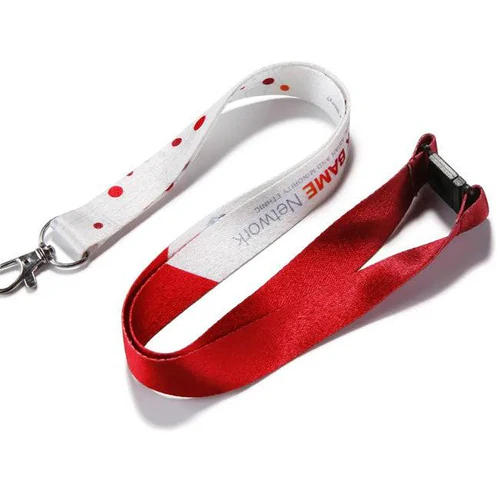
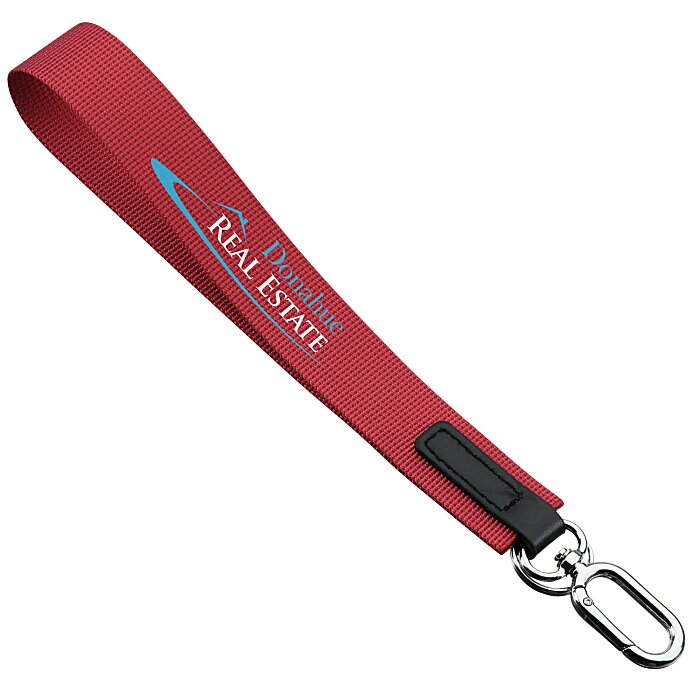
Attachments should match the item being carried. Badge reels, swivel hooks, bulldog clips, split rings, and safety breakaways all serve different purposes. A sleek printed strap can still fail if the end fitting is wrong for the credential system.
| Business Scenario | Recommended Print Method | Best Material | Why It Fits |
|---|---|---|---|
| Tech conference badges | Dye sublimation | Polyester | Supports full-color sponsor logos and fast visual recognition |
| Hospital staff IDs | Woven or screen print | Polyester with breakaway | Durable, readable, and safer for daily wear |
| University orientation kits | Screen printing | Tubular fabric | Affordable for large student volumes |
| Retail brand merchandise | Dye sublimation | Premium polyester or nylon | Better color richness and shelf appeal |
| Security access programs | Screen printing | Nylon with metal hook | Clear branding with stronger hardware support |
Best Applications by Industry
Lanyards may look universal, but the smart approach is industry-specific.
Events and Trade Shows
At large events, lanyards do more than hold badges. They become moving ad placements. Sponsors often want dominant logo placement, while organizers need attendee names and pass categories easy to identify. Full-color sublimation usually wins here because it supports visual hierarchy better than simpler methods.
Corporate and Office Use
For offices, consistency and professionalism matter more than flashy design. Woven or crisp screen-printed lanyards with subtle logos, neutral tones, and secure badge attachments tend to feel more aligned with professional environments.
Schools and Universities
Education buyers often balance budget, safety, and order size. Breakaway features are important, especially for younger students, while color-coded departments or access levels can streamline daily operations.
Healthcare and Facilities
In healthcare settings, comfort, hygiene, and quick identification matter. Printed text should stay readable under constant use, and lanyards should support retractable reels or card holders that reduce handling friction.
Retail and Fan Merchandise
This is where visual impact matters most. Fan-oriented or branded merchandise often performs better when the lanyard feels collectible rather than purely functional. Full-print patterns, bold color stories, and premium clasps can push perceived value higher.
“When a lanyard is part of merchandise, buyers judge it like an accessory. When it is part of security or staffing, they judge it like equipment. That difference should shape every production choice.”
Cost, Quality, and Order Planning
Price depends on more than quantity. Artwork setup, number of colors, width, accessories, packaging, shipping speed, and proof revisions all affect the final quote. Buyers who compare only unit cost often end up with avoidable quality issues.
What Drives Cost
- Print method complexity
- Material grade and width
- Attachment type and metal quality
- Special features such as breakaways or buckles
- Number of logo colors
- Production speed and shipping requirements
What Drives Value
A cheaper lanyard is not necessarily more economical if the print fades, the clasp fails, or the branding looks soft. According to a 2024 Deloitte report on brand experience, tangible brand touchpoints shape trust and quality perception more strongly when they are repeatedly used in daily routines. A lanyard falls exactly into that category.
For many organizations, the smarter move is to optimize for total outcome:
- Define the actual wear environment and use frequency.
- Match artwork complexity to the print method.
- Request a digital proof and, for larger orders, a physical sample.
- Check attachment compatibility with badges, keys, or access cards.
- Approve only after readability and durability concerns are resolved.
Common Mistakes and Limitations
Even strong designs can run into practical limits. That is why balanced buying advice matters.
Overcomplicated Artwork
Small logos with intricate details can blur or lose clarity, especially on narrow straps. If the design depends on micro-elements, the lanyard format may not be the best place to force full brand identity.
Ignoring Safety Requirements
Some settings require breakaway closures or specific attachments. Skipping these details can create compliance issues or reduce user comfort.
Choosing Method by Price Alone
Screen printing can be perfect for simple designs, but it is not the right answer for every order. If you need gradients, layered color, or premium merchandising appeal, choosing the cheapest route may lower the final impact.
Expecting Every Fabric to Behave the Same
Nylon, tubular, polyester, and recycled materials each interact with print differently. Texture, sheen, softness, and ink absorption all influence final appearance.
It is also worth noting that sustainability claims should be verified. Buyers increasingly ask for recycled content and lower-impact packaging. As environmental scrutiny rises, suppliers need to be transparent about what “eco” actually means.
Best Patches Case Study
I have seen how much difference method selection can make when a client starts with the wrong assumption. One of the clearest examples involved an event organizer that came to Best Patches wanting low-cost screen-printed lanyards for a multi-sponsor technology expo. Their original artwork included gradient sponsor bars, QR accents, and color-coded access tiers. On paper, the budget choice looked reasonable. In practice, the design would have lost most of its value.
We recommended switching to dye sublimation on polyester and simplifying the sponsor arrangement into repeating zones. That one adjustment improved logo clarity, made VIP tiers easier to identify, and gave the event a more polished look. The organizer later reported that sponsor feedback improved because logos were more visible in attendee photos and on-site video.
In another project, I worked through a staff identification order where the client wanted a sleek premium feel for a corporate office rollout. They initially leaned toward full-color printing because it sounded more modern. But their brand system was minimalist: one dark logo, one neutral strap, and a focus on durability. Best Patches guided the order toward woven lanyards with metal attachments. The finished product matched the office environment far better than a glossy, highly printed strap would have.
These examples show the real value of expert consultation. The right choice is rarely about trends alone. It is about fit.
How to Choose the Right Option
If you need a practical decision framework, use this:
Choose Screen Printing When
- Your design is simple
- You need large quantities on a tighter budget
- Your priority is clean logo repetition rather than full-color art
Choose Dye Sublimation When
- Your artwork uses gradients, patterns, or multiple colors
- You want edge-to-edge decoration
- The lanyard is part of a visual branding or merchandise strategy
Choose Woven Branding When
- You want a textured and durable finish
- Your brand style is more conservative or classic
- You are producing lanyards for long-term daily use
Ask Your Supplier These Questions
Before approving production, ask about print longevity, proofing, attachment options, fabric feel, packaging, safety features, and shipping risk windows. Strong suppliers welcome those questions because they reduce errors and returns.
Conclusion
The best custom lanyard is not simply the cheapest or the most colorful. It is the one that aligns print method, material, attachment, and brand purpose. Screen printing is efficient for simple, high-volume needs. Dye sublimation delivers the strongest visual flexibility. Woven lanyards bring durability and a more classic finish. Each has a clear place when chosen strategically.
Best Patches recommends these next steps:
- Audit your use case first: event, staff ID, retail merchandise, or security access
- Match your artwork complexity to the print method instead of forcing one-size-fits-all production
- Request a proof or sample before full approval, especially for large or brand-sensitive orders
References
- Promotional Products Association International, 2024 research: Provided insight into the effectiveness of useful promotional products and long-term brand retention.
- Advertising Specialty Institute Ad Impressions Study, 2025: Offered context on how utility and visual distinction affect promotional product recall.
- Deloitte, 2024 brand experience reporting: Supported the point that repeated physical brand touchpoints influence trust and perceived quality.
FAQ
What is the best method for Custom Lanyard Printing?
It depends on your artwork and use case. Dye sublimation is usually best for full-color designs, gradients, and branded merchandise. Screen printing is strong for simple logos and large budget-focused runs. Woven lanyards work well when you want a durable, textured, and more classic finish.
Which lanyard material is best for daily use?
Polyester is the most versatile choice for daily use because it balances comfort, cost, and print compatibility. Nylon can feel more premium, while tubular fabric is often chosen for economical event use. If sustainability matters, ask for recycled PET options and verify the material specification.
Are printed lanyards durable enough for staff IDs?
Yes, if the right method and hardware are selected. For everyday staff wear, focus on:
Fade-resistant print methods like dye sublimation or woven branding
Strong attachments that match the badge or access card weight
Breakaway features where safety policies require them
Readable logo and text spacing that still looks clean after repeated use
How should I prepare artwork for a custom lanyard order?
Use clean, high-resolution artwork and simplify small details. Best practices usually include:
Vector files such as AI, EPS, or SVG when possible
Strong contrast between text and strap color
Repeated logo placement instead of one oversized centered mark
Outlined fonts to avoid substitution problems
What attachments are most common for custom lanyards?
The most common options include:
Swivel hooks for badges and keys
Bulldog clips for ID holders
Split rings for key access
Retractable badge reels for workplaces with frequent scans
Breakaway clasps for added safety
Are custom lanyards good for brand marketing?
Yes. Lanyards combine function with repeated visibility, which makes them more useful than many one-time giveaways. They work especially well at conferences, campuses, retail promotions, and workplaces where people wear them for extended periods.