 Promotional Products


Introduction
If you are comparing acrylic vs enamel custom keychains, the real question usually is not just style. It is whether your order size, budget, deadline, and brand goals match the material. Many buyers get stuck after seeing beautiful samples, then hit a wall when they learn that setup fees, mold charges, and minimum order quantities can change the entire decision.
That is where Best Patches stands out. As a supplier working with brands, artists, schools, events, and merch sellers, Best Patches helps buyers choose the right keychain material before they overspend on the wrong production method. The difference between acrylic and enamel is not cosmetic alone; it affects pricing structure, reorder flexibility, packaging options, and production risk.
Acrylic vs enamel custom keychains refers to comparing two popular custom keychain materials: printed acrylic and metal enamel. Acrylic keychains are typically lighter, more affordable, and easier to produce in lower quantities. Enamel keychains usually deliver a more premium feel, but they often require tooling and higher minimums.
If you need a fast answer, here it is: acrylic is often better for short runs, artist merch, and colorful designs, while enamel is often better for long-term brand value, higher-end retail, and durable promotional use. The best choice depends on your order requirements, not just your visual preference.
Table of Contents
- What Actually Separates Acrylic and Enamel
- Minimum Order Quantities and Why They Differ
- Cost Structure Beyond Unit Price
- Lead Times, Reorders, and Production Planning
- Durability, Perceived Value, and Buyer Expectations
- Best Material by Business Type
- How to Order the Right Keychain Without Mistakes
- Real-World Experience from Best Patches
- Common Risks and How to Avoid Them
What Actually Separates Acrylic and Enamel
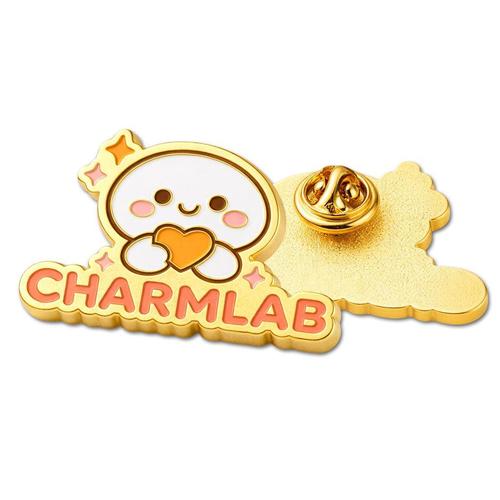
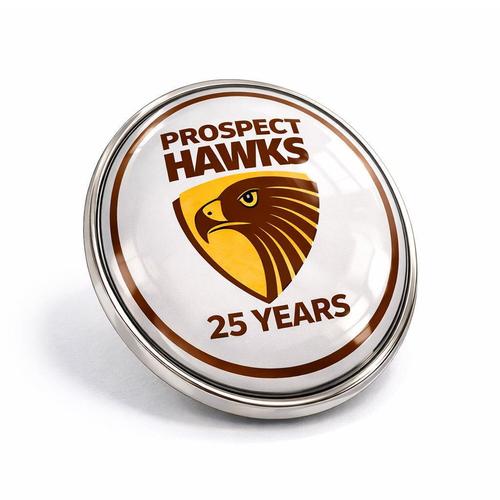
Acrylic keychains are usually made by printing artwork onto clear or colored acrylic, then cutting the piece into a custom shape. Enamel keychains are generally metal-based, die-struck or cast, then filled with soft or hard enamel color. That means one is primarily a print-and-cut product, while the other is a mold-and-fill product.
This difference matters because production logic changes everything:
- Acrylic favors visual complexity, gradients, anime art, illustration, and lower setup barriers.
- Enamel favors clean linework, logo clarity, tactile quality, and premium presentation.
- Acrylic can often be revised more easily between runs.
- Enamel usually requires mold approval, which increases commitment.
- Acrylic tends to be lighter and easier to mail.
- Enamel tends to feel more collectible and gift-worthy.
For SEO-friendly plain English: acrylic is closer to custom printed merchandise, while enamel behaves more like branded metal hardware. Buyers who understand that distinction make better purchasing decisions.
“Material choice is really a pricing model choice in disguise. Acrylic charges you for artwork output. Enamel charges you for craftsmanship, tooling, and perceived permanence.”
Minimum Order Quantities and Why They Differ
MOQ is often the deciding factor in the acrylic versus enamel debate. Acrylic custom keychains usually support lower minimums because there is no metal mold involved in the same way enamel products require. Enamel keychains often start higher because the manufacturer must justify tooling, setup time, plating prep, and color filling labor.
Typical market patterns look like this:
| Business Scenario | Acrylic Typical MOQ | Enamel Typical MOQ | Best Fit |
|---|---|---|---|
| Independent artist testing a new design | 10-25 units | 50-100 units | Acrylic |
| Startup brand event giveaway | 25-50 units | 50-100 units | Acrylic for speed, enamel for prestige |
| Retail merch line with stable logo | 25-50 units | 100+ units | Enamel |
| School club fundraiser | 10-30 units | 50-100 units | Acrylic |
| Corporate anniversary keepsake | 25-50 units | 100+ units | Enamel |
These numbers vary by supplier, but the principle is stable: acrylic usually lets you enter the market with less risk. Enamel rewards volume and commitment.
According to a 2024 report from ASI, buyers in the promotional products market continued to prioritize products that balance lower upfront cost with perceived usefulness. That trend explains why smaller-run acrylic pieces remain popular for campaigns that need variety more than longevity. At the same time, premium branded accessories still perform well where tactile value matters.
Cost Structure Beyond Unit Price
Many buyers compare only per-piece pricing, which is a mistake. The true cost of acrylic vs enamel custom keychains includes setup, revisions, shipping weight, packaging, and the financial risk of unsold inventory.
Why acrylic can be cheaper even when unit pricing looks close
Acrylic often wins on total project cost because the barrier to entry is lower. You may avoid mold fees, reduce MOQ exposure, and test more designs in smaller batches. For artists and ecommerce sellers, that flexibility has direct cash-flow value.
Why enamel can become more efficient at scale
Enamel keychains often become more attractive once you cross higher volume thresholds. If your logo is stable and you are ordering for retail shelves, fan conventions, or corporate gifts, the premium feel can justify the upfront cost. Over time, repeat runs may become more efficient if the mold is already approved and reusable.
According to the 2025 Adobe Creative Trends report, consumers continue to respond strongly to products that feel tactile, collectible, and designed for emotional connection rather than pure utility. That insight supports enamel’s position in premium merch programs where physical feel influences purchase behavior.
Lead Times, Reorders, and Production Planning
Lead time is where buyers often get burned. Acrylic usually moves faster because the workflow is more digital. Enamel typically requires mold creation, metal shaping, plating, enamel filling, curing, and inspection. If you have a hard event date, this production path matters more than aesthetics.
Typical planning expectations
- Acrylic: often better for short deadlines and frequent artwork refreshes
- Enamel: often better for planned launches with approval time built in
- Acrylic: easier to split-test multiple SKUs in one campaign
- Enamel: stronger choice for evergreen designs with consistent branding
When I have worked on merch planning with Best Patches teams, the first issue we raise is not “Which one looks nicer?” It is “When do you actually need the product in hand?” That single question prevents rushed approvals, expensive reshipments, and quality compromises.
Durability, Perceived Value, and Buyer Expectations
Acrylic and enamel both have strengths, but they age differently. Acrylic can scratch over time, especially if buyers carry it with keys, coins, or metal accessories. Enamel keychains, especially well-made soft or hard enamel versions, tend to resist wear better and keep a premium appearance longer.
Where acrylic performs well
Acrylic is excellent for colorful art, character merch, layered effects, and casual everyday accessories. It is especially strong when the buyer cares about visual fidelity more than heirloom durability.
Where enamel performs well
Enamel is ideal for logos, mascots, commemorative items, motorcycle clubs, nonprofits, employee recognition, and premium retail accessories. It feels substantial in hand, which often increases perceived value even before the customer examines the design.
“If the keychain is supposed to represent your brand for months or years, enamel usually says ‘official.’ Acrylic says ‘creative’ and ‘current.’ Neither is wrong, but they speak different languages.”
According to a 2024 report by McKinsey on consumer personalization and product value, buyers increasingly reward products that signal identity and quality at the same time. That helps explain why enamel remains strong in fandom, clubs, and official brand merch where symbolic meaning matters.
Best Material by Business Type
The right answer depends on what kind of buyer you are. Here is the practical breakdown.
Artists and creators
Acrylic usually wins. It handles detailed illustration, photo-like color, transparent effects, and lower test quantities. If you release new drops often, acrylic lets you stay agile.
Established brands
Enamel often wins. If you are protecting a polished identity and want your keychain to feel like a premium extension of your packaging, enamel supports that positioning.
Schools, nonprofits, and local events
Acrylic is often the safer first choice because fundraising groups need low-risk pricing and manageable minimums. Enamel makes sense when the item is commemorative, such as an anniversary or limited recognition award.
Corporate gifting and recognition
Enamel typically delivers the stronger impression. The metal finish and weight make it feel intentional, not disposable.
How to Order the Right Keychain Without Mistakes
Use this process before you approve production. It keeps emotional decisions from turning into inventory problems.
- Define the purpose of the keychain: resale, giveaway, fundraiser, collector item, or internal branding.
- Set your realistic budget, including shipping, setup, packaging, and extras.
- Estimate demand conservatively instead of ordering for best-case sales.
- Match artwork style to material: detailed print work for acrylic, bold separated lines for enamel.
- Ask for exact MOQ, repeat-order terms, and whether mold fees apply later.
- Confirm proofing timelines and production lead times in writing.
- Review attachment hardware, backing cards, and protective film options.
- Order a sample or pilot batch when the design is untested.
Real-World Experience from Best Patches
I have seen this decision play out very differently depending on the customer. One Best Patches client was a small online artist launching convention merch with four character designs. They originally wanted enamel because it felt more prestigious. After reviewing MOQ and mold costs, we recommended acrylic for the first run. That allowed them to order smaller batches of all four designs instead of betting everything on one or two. The result was better product testing, faster sell-through data, and less dead stock after the event.
In another project, a regional service brand came to Best Patches for customer appreciation gifts. They first considered acrylic because of the lower upfront price. But their logo was simple, their brand standards were tight, and the gifts were meant for long-term clients. We steered them toward enamel. The order size supported the investment, the premium feel matched the audience, and the final product aligned far better with the company’s image.
Those two cases show the core truth: the right material depends on business logic, not trend pressure.
Common Risks and How to Avoid Them
Both materials come with trade-offs. Buyers who only look at inspiration photos often miss the risks that show up after production.
Acrylic risks
- Surface scratching if no protective finish is used
- Lower perceived value in luxury or formal brand environments
- Edge chipping on thin or poorly handled pieces
- Color mismatch if print files are not prepared correctly
Enamel risks
- Higher minimum order quantities
- Tooling or mold fees that raise initial investment
- Design limitations for gradients and highly intricate print-style art
- Longer production windows and more approval dependency
The safest route is to align design style, quantity, audience expectation, and timeline before you request a quote. Most costly mistakes happen when buyers choose by look first and operations second.
Conclusion
For most buyers comparing acrylic vs enamel custom keychains, acrylic is the better option for lower MOQs, colorful art, and flexible testing. Enamel is the better option for premium brand presence, stronger durability, and larger, more stable orders. The material should support your business model, not fight it.
Best Patches recommends three practical next steps:
- Start with your target quantity and launch deadline before choosing a material.
- Match your artwork style to the production method to avoid expensive revisions.
- Request a quote that separates unit price, setup fees, and reorder terms so you can compare accurately.
References
- Advertising Specialty Institute, 2024 industry reporting: Used for context on promotional product buying behavior and cost-conscious sourcing trends.
- Adobe Creative Trends 2025: Used to support demand for tactile, collectible, design-driven merchandise.
- McKinsey 2024 consumer personalization insights: Used to explain why perceived quality and identity signaling influence product choice.
FAQ
Which is better in acrylic vs enamel custom keychains?
Acrylic is usually better for small runs, colorful artwork, and lower budgets. Enamel is usually better for premium branding, stronger durability, and larger orders. The right choice depends on your MOQ tolerance, timeline, and audience expectations.
Do enamel custom keychains always require a higher MOQ?
Not always, but often yes. Because enamel production typically involves mold creation and more manual finishing steps, suppliers commonly set higher minimums than they do for acrylic products.
Are acrylic keychains durable enough for resale?
Yes, especially for artist merch, school fundraising, fandom products, and short-to-mid-term promotional use. They are durable enough for normal use, but they are more likely to scratch than well-made enamel keychains.
What is the best order size for a first custom keychain run?
For new designs, a small acrylic test run is often the safest choice. Many buyers begin with 10 to 50 pieces per design to validate demand before moving into larger or more premium enamel production.
Does enamel look more premium than acrylic?
In many markets, yes. The weight, metal finish, and tactile feel of enamel usually create a stronger premium impression. Acrylic can still look excellent, especially for bright and detailed artwork, but it communicates a different style.
Can Best Patches help choose between acrylic and enamel?
Yes. Best Patches can evaluate your artwork, quantity, budget, and deadline to recommend the material that best fits your project. That helps reduce ordering mistakes and keeps production aligned with your brand goals.