 Promotional Products







Why Most Lanyard Orders Go Sideways
If you have ever ordered custom lanyards and felt blindsided by fuzzy printing, weak clips, delayed shipping, or surprise setup charges, you are not alone. Buyers usually compare price first, but factories know the real margin lives in material substitutions, attachment swaps, packaging shortcuts, and artwork loopholes. That is exactly where projects drift off budget and off schedule.
Best Patches has spent years helping brands, schools, event teams, nonprofits, and resellers source lanyards that actually hold up in real use. The hard truth is simple: many factories will gladly say yes to your specs, then quietly adjust details that most buyers never think to verify until cartons arrive.
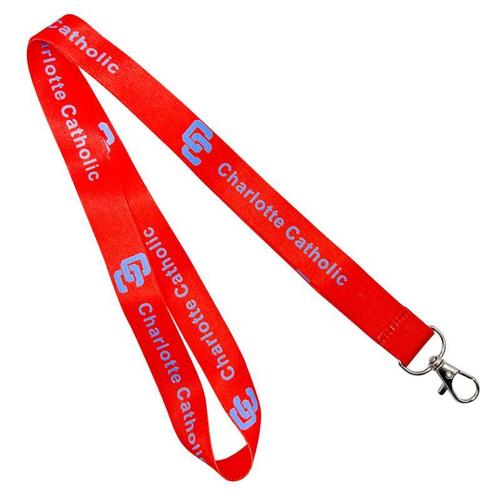
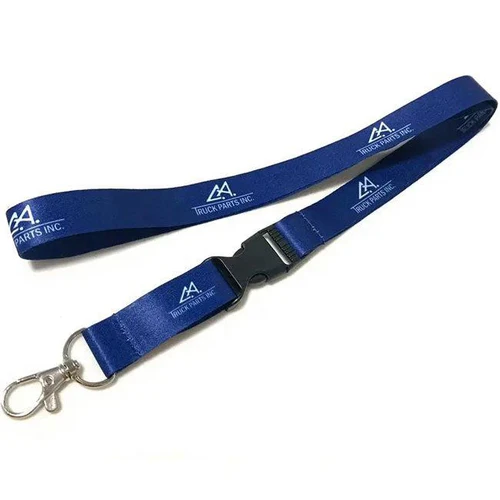
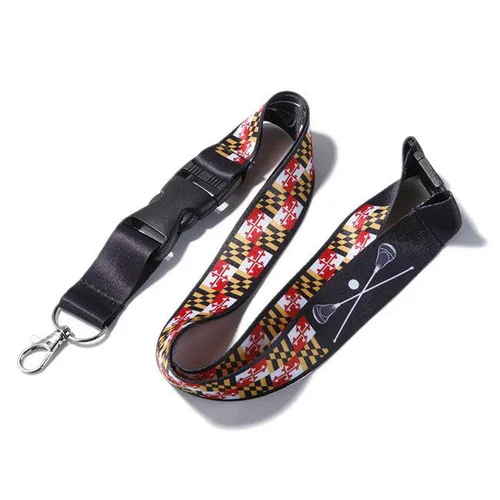
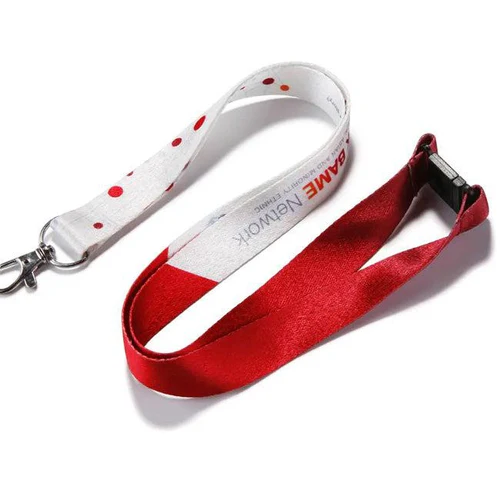
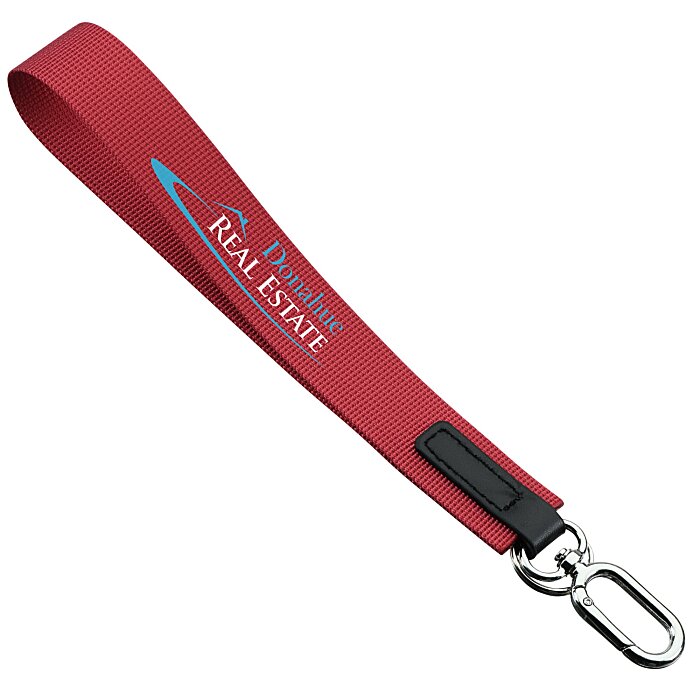
Custom lanyards are wearable straps made to hold badges, keys, access cards, ID holders, or small tools while promoting a brand or improving daily convenience. They can be produced in polyester, nylon, woven, tubular, dye-sublimated, or eco-minded materials, then finished with clips, buckles, safety breaks, and custom add-ons.
What makes them tricky is that small production choices have a big effect on comfort, durability, safety, and branding. A lanyard that looks great in a mockup can still twist, shed ink, irritate skin, or fail at the clip if the factory cuts corners.
Table of Contents
- What factories rarely explain before quoting
- How material choice changes feel, print quality, and lifespan
- Where hidden costs usually appear
- Which attachments fail most often in real use
- How to review proofs like a buyer who has done this for years
- When cheap production becomes expensive
- What sustainability claims actually mean
- Case notes from Best Patches after years in production
- How to choose the right supplier for your use case
What Factories Rarely Explain Before Quoting
The first quote you receive for custom lanyards is almost never the final cost. Many suppliers quote a base strap with a standard metal hook, one-color imprint, and bulk packing, then layer on charges later for PMS color matching, safety breaks, buckle release, badge holders, individual polybags, upgraded clips, and rush production. The quote looks clean because it is missing the decisions that matter.
Another common issue is width substitution. A factory may price 20 mm and deliver something closer to 18 mm tolerance, hoping you will not measure it. That sounds minor until your logo scales down, the neck feel changes, or your card holder hangs awkwardly. The same thing happens with strap thickness, especially in lower-cost polyester.
According to Deloitte’s 2025 supply chain outlook, procurement teams still rank supplier transparency and lead-time reliability among the biggest challenges in low-complexity promotional goods. Lanyards fit that pattern perfectly: they look simple, but inconsistency shows up fast because they are worn, handled, and seen at close range all day.
How Material Choice Changes Feel, Print Quality, and Lifespan
Polyester Is Not All the Same
Standard polyester is popular because it is affordable and versatile. It works for screen printing, heat transfer, and many event orders. But “polyester” covers a wide quality range. Lower-grade versions can feel scratchy, crease easily, and produce muddy edges on fine logo details. Better polyester has a tighter weave, smoother hand feel, and more stable color reproduction.
Nylon Looks Sharper but Costs More
Nylon lanyards usually deliver a smoother, glossier face, which helps simple logos look crisp and premium. The tradeoff is price. Nylon also tends to work best when your artwork is straightforward rather than heavily detailed. If a factory recommends nylon for a highly complex print, ask why and request a preproduction sample.
Dye-Sublimated Lanyards Win on Full-Color Branding
When clients want gradients, photos, color-rich mascots, or wraparound art, dye-sublimation is often the best route. The print becomes part of the surface rather than sitting heavily on top. That improves comfort and keeps the strap flexible. For schools, conventions, sports events, and creator brands, this method often gives the cleanest visual result.
Eco Claims Need Proof
Recycled PET lanyards can be a solid option, especially for brands with environmental reporting goals. Still, not every “eco” pitch means the same thing. Some factories use partially recycled yarn, some only eco-themed packaging, and some rely on vague language with no documentation. A 2024 McKinsey report on materials and circularity noted that buyers are putting more pressure on traceability in everyday consumer and promotional items. That pressure is justified.
- Ask whether the strap material itself is recycled or just the packaging
- Request certification details for recycled content when available
- Confirm whether dyes, inks, and attachments match your sustainability standards
- Check if the factory can separate eco lines from conventional production
Where Hidden Costs Usually Appear
Most buyers expect to pay for design, production, and shipping. The budget problems happen in the middle. Here are the line items that quietly raise the invoice:
- PMS color matching fees for brand-sensitive logos
- Upgrade charges for bulldog clips, swivel hooks, lobster clasps, or badge reels
- Additional charges for detachable buckles and breakaway safety features
- Artwork cleanup fees when the submitted file is not production-ready
- Individual packaging, barcode labeling, or retail-ready inserts
- Split shipments to multiple locations
- Air freight chosen late because sea transit became too slow
According to Gartner’s 2024 supply chain research, visibility gaps at the quoting stage remain a direct cause of avoidable procurement overruns. In lanyard production, the fix is not complicated: make the quote as operationally specific as the purchase order.
Which Attachments Fail Most Often in Real Use
The strap gets the attention, but the hardware usually determines whether custom lanyards feel dependable. A weak clip turns a branded accessory into a daily annoyance. This matters even more for hospitals, warehouses, schools, and conferences where credentials must stay accessible.
| Use Case | Best Material | Recommended Attachment | Main Risk to Watch |
|---|---|---|---|
| Trade show exhibitor badges | Dye-sublimated polyester | Swivel hook with buckle release | Late artwork changes delaying print approval |
| School staff IDs | Soft polyester with safety break | Bulldog clip or key ring combo | Rough edges causing all-day discomfort |
| Gym and fitness membership tags | Tubular polyester | Lobster clasp | Clip plating wearing down with sweat exposure |
| Corporate visitor passes | Nylon | Premium swivel hook and buckle | Brand color mismatch under office lighting |
The most frequent hardware problems I see are spring hooks that lose tension, split rings that open too easily, and buckle joints that crack after repeated use. If your lanyards will hold RFID cards, keys, or mini tools, ask for pull testing or at least a hardware grade breakdown. A one-cent saving on metal quality can ruin a full run.
“The buyer who checks the clip first usually gets the best result. Most complaints come from the part of the product that was treated like an accessory rather than a component.”
How to Review Proofs Like a Buyer Who Has Done This for Years
Proof approval is where most preventable errors slip through. A digital mockup is not the product. It is only a communication tool. You need to review it with production logic, not just brand logic.
- Check the repeat distance of the logo so the pattern does not look crowded or sparse.
- Verify width, finished length, and print area against the actual purpose of the lanyard.
- Ask how seam placement affects logo visibility near the neck and attachment points.
- Confirm Pantone matching or acceptable variance if your brand team is strict.
- Review hardware finish, plating color, and buckle style in writing.
- Request a physical sample when the order is large, time-sensitive, or client-facing.
At Best Patches, I once worked on a rush order for a regional tech expo where the organizer approved a proof too quickly. The logo looked centered on screen, but the repeated art would have been swallowed by the fold near the hook. We flagged it before production, adjusted the repeat spacing, and avoided what would have been thousands of lanyards with half-visible branding.
That same project taught another lesson: the client wanted detachable buckles because exhibitors needed to scan credentials without removing the lanyard. The original quote from another supplier did not include the buckle upgrade, which partly explained the lower price. After revising the spec, the “cheap” option was not cheap at all.
When Cheap Production Becomes Expensive
There is a place for low-cost custom lanyards. Short-lived event giveaways, internal use, and broad awareness campaigns do not always need premium construction. Problems start when buyers apply giveaway specs to mission-critical use.
For example, visitor management programs need consistent readability, staff IDs require comfort over long shifts, and campus security programs need breakaway safety. If the product touches compliance, access control, or daily wear, the wrong specification creates replacement cost, support headaches, and brand damage.
A 2024 PPAI industry report noted that recipients keep practical promotional items longer than novelty products when those items fit regular routines. Lanyards fall into that category. That is a useful reminder: the product gets more impressions when it actually works, not when it simply costs less up front.
“A lanyard is a tiny supply chain decision with an outsized brand effect. People touch it all day. If it twists, scratches, fades, or breaks, they notice every time.”
What Sustainability Claims Actually Mean
Buyers ask for eco options more often now, but many factories still market sustainability with very loose language. One says “green material,” another says “RPET,” another highlights compostable packaging while the product itself remains conventional. If your procurement team reports on ESG goals, broad claims are not enough.
Ask three specific questions. What percentage of the strap material is recycled? What documentation exists? Which non-fabric components, such as clips and buckles, remain standard? Those answers will quickly separate serious suppliers from sales talk.
There is also a practical tradeoff to discuss. Some recycled materials feel slightly different from premium nylon or high-grade polyester. That does not make them worse. It means you should align the material with the use case rather than forcing one sustainability narrative onto every order.
Case Notes From Best Patches After Years in Production
I have seen some of the most expensive lanyard mistakes come from perfectly reasonable clients who assumed the factory would guide them. One nonprofit ordered a large volunteer run for a city event and focused almost entirely on unit price. Their first supplier proposed a narrow strap with basic clips and no safety break. On paper, it looked efficient. In practice, volunteers were carrying keys, whistles, and laminated credentials for full-day outdoor shifts. The strap would have twisted constantly, and the clips would have worn out fast.
At Best Patches, we rebuilt the spec around use rather than quote aesthetics. We moved them to a wider dye-sublimated polyester strap, added breakaway safety, upgraded the hook, and simplified the artwork so sponsor logos stayed legible at distance. The per-unit price increased modestly, but the organization avoided replacements during the event and reused leftover stock for later programs.
In another case, a mid-sized company wanted premium welcome kits for new hires. Their main concern was image: clean color, smooth feel, and hardware that matched other branded accessories. We recommended nylon with a refined metal attachment and tested the navy tone under office lighting conditions. That sounds excessive until you see how often “brand blue” shifts under fluorescent light. The final product looked intentional, not generic, and the client turned the same build into a standing reorder.
How to Choose the Right Supplier for Your Use Case
Not every supplier is wrong for every project. The key is fit. A factory that is excellent for simple giveaway runs may not be the right partner for high-visibility retail packaging or compliance-oriented ID programs.
Choose Based on Operational Fit
Ask whether the supplier is strongest in bulk event production, branded merchandise, school programs, or custom finishing. Their answer should sound specific. If every product page promises everything for everyone, that usually means the details are being pushed downstream.
Check Process, Not Just Portfolio
Nice photos are easy. Clear process is rarer. You want to know how artwork is reviewed, how color is matched, what production tolerances are accepted, whether physical samples are available, and how defects are handled. The best suppliers are comfortable answering operational questions without getting vague.
Watch How They Handle Pushback
If you ask for sharper print on a low-grade woven strap and the supplier says yes immediately, that is not always a good sign. Experienced teams will tell you when a method does not fit the design. Honest friction early usually saves money later.
Conclusion
After a decade around custom lanyards, the pattern is clear: most disappointments do not come from one catastrophic factory mistake. They come from small unspoken assumptions about material grade, attachment quality, proofing, safety features, and finishing charges. The buyers who get strong results are the ones who specify the product like an operator, not just a shopper.
Best Patches recommends three next actions. First, lock your exact build before comparing prices. Second, ask for a sample or at minimum a production-ready proof review when the order matters. Third, match the lanyard to the real environment where people will wear it, not just the budget line where it gets approved.
References
- Deloitte 2025 supply chain outlook — used for context on procurement transparency, supplier reliability, and lead-time risk.
- Gartner 2024 supply chain research — referenced for the role of quote-stage visibility in controlling cost overruns.
- McKinsey 2024 materials and circularity reporting — cited for growing buyer pressure around traceability and recycled inputs.
- PPAI 2024 industry reporting — referenced for the retention value of practical promotional products used in daily routines.
FAQ
What material is best for custom lanyards?
-
It depends on the job. Dye-sublimated polyester is usually the best all-around choice for full-color branding and comfort. Nylon looks more polished for premium corporate use, while tubular polyester is a practical budget option for simple event orders.
How much do custom lanyards usually cost?
-
Pricing varies by width, material, print method, hardware, and quantity. A basic bulk run may start under a dollar per piece, while premium builds with buckle releases, safety breaks, custom packaging, or brand-matched colors cost more. Always ask whether setup fees and shipping are included.
What width should I choose for custom lanyards?
-
Most buyers choose between 15 mm and 20 mm. Narrower widths work for simple logos and lightweight badge use. Wider lanyards feel more substantial, show branding better, and usually carry accessories more comfortably over long wear periods.
Do I need a safety break on a lanyard?
-
For schools, healthcare settings, active workplaces, and many public events, a breakaway safety feature is a smart choice. It helps reduce risk if the lanyard gets pulled or snagged. If your lanyards are purely promotional and lightly used, it may be optional.
What file format should I send for lanyard artwork?
-
.AI, .EPS, or .SVG files are best because they preserve vector quality. A high-resolution .PNG can work for some dye-sublimated designs, but avoid low-resolution files and keep fonts outlined to prevent production issues.
Do lanyard manufacturers have minimum order quantities?
-
Yes, most do. Typical MOQs range from 50 to 100 pieces for standard custom lanyards, though some suppliers allow smaller runs at a higher per-unit price. Specialty materials, custom hardware, or retail packaging may raise the minimum.
How long does production usually take?
-
Standard production often takes one to three weeks after proof approval, depending on volume and complexity. Shipping can add several more days or much longer if you choose economy freight. Rush orders are possible, but they usually increase the chance of skipped checks and added fees.
Can custom lanyards be made with recycled materials?
-
Yes. Many suppliers offer RPET lanyards made from recycled plastic sources. If sustainability matters for reporting or compliance, ask what part of the product is recycled, whether documentation is available, and whether the attachments and packaging also meet your standards.