 Promotional Products









Why Global Sourcing Feels Harder Than It Should
If you are buying custom lanyards for events, schools, retail programs, or employee ID systems, the hard part is rarely finding a factory. The hard part is finding a supplier that gets the details right: color consistency, attachment strength, imprint clarity, packaging accuracy, and shipping timelines that do not slip the week before your launch.
That pressure gets worse when you source globally. A quote can look great on paper, then fall apart once you ask about PMS matching, recycled materials, safety breakaways, or import timing. That is why many buyers turn to Best Patches early in the process: not just for production help, but for supplier screening, spec control, and practical decisions that reduce rework.
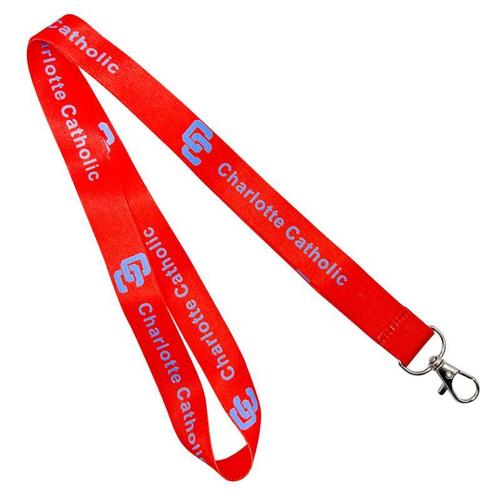
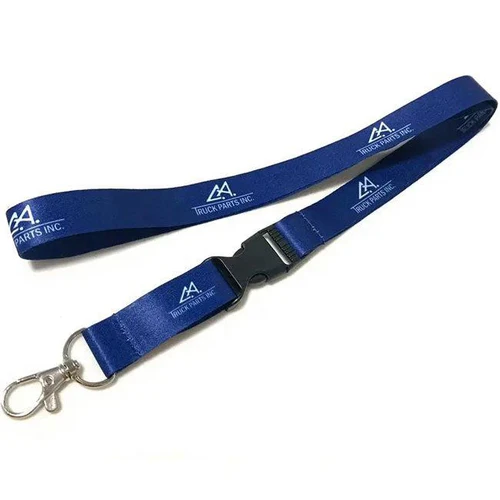
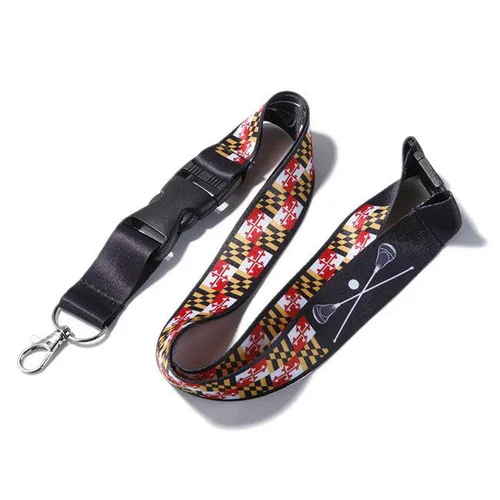
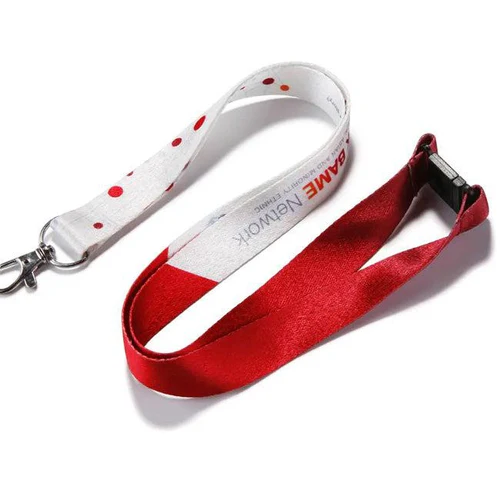
Custom lanyards are branded or functional neck straps used to carry badges, keys, access cards, USB drives, or event credentials. They are usually made from polyester, nylon, woven fabric, tubular material, or eco-focused alternatives, then finished with clips, buckles, and safety features based on use case.
When sourced well, custom lanyards are low-cost, high-visibility products that keep your brand in motion. When sourced poorly, they become a quality-control problem that affects safety, usability, and brand perception.
Table of Contents
- What Quality Really Means in Lanyard Sourcing
- Define the Product Before You Contact Suppliers
- Vet Global Suppliers Beyond Price
- Control Samples, Production, and Delivery
- Materials, Printing, and Hardware Comparison
- Real Buying Scenarios by Brand Type
- Risks That Cause Delays and Quality Failures
- How Best Patches Handles Complex Orders
- Final Takeaways and Next Actions
- References
What Quality Really Means in Lanyard Sourcing
Buyers often say they want “high quality,” but that phrase is too vague to protect a purchase order. In lanyard production, quality should be measured across five areas: material feel, print accuracy, hardware durability, safety compliance, and fulfillment reliability.
A premium-looking strap that sheds color, frays at the edge, or uses a weak swivel hook is not a premium product. A low-cost lanyard that arrives on time, carries clear branding, and survives daily use may be the smarter buy. That is why experienced sourcing teams define quality by application first.
- For trade shows: focus on visual impact, comfort, and badge compatibility.
- For schools: prioritize safety breakaways, soft hand feel, and easy reorder capability.
- For hospitals: prioritize hygiene, durable clips, and role-based color coding.
- For retail resale: focus on stitching, packaging, and attachment style.
- For corporate access: prioritize secure card holders, reliability, and consistent branding across locations.
According to Deloitte’s 2024 Global Chief Procurement Officer Survey, resilience and supplier performance remain core procurement concerns alongside cost. That matters here because lanyards are simple products only until one weak process breaks the timeline.
Define the Product Before You Contact Suppliers
The first sourcing move is internal, not external. Before you request quotes, build a product brief detailed enough that two different suppliers would price nearly the same item. This prevents a common problem: one factory quoting dyed polyester with a lobster claw and silk screen, while another quotes nylon with a split ring and heat transfer. The price gap looks dramatic, but the products are not comparable.
Your brief should include:
- Width and total length
- Material type
- Printing method
- One-sided or two-sided artwork
- Pantone color requirements
- Attachment type and metal finish
- Breakaway or buckle requirements
- Packaging method
- Target delivery date and shipping destination
- Acceptable defect tolerance
If your design includes gradients, tiny text, or edge-to-edge logos, say so upfront. Screen printing, dye sublimation, woven construction, and jacquard techniques all behave differently. The more specific the art direction, the fewer surprises you will see in sampling.
Use a Simple Buying Workflow
- Create one master specification sheet with artwork, dimensions, and hardware notes.
- Send the same brief to at least three qualified suppliers.
- Request landed pricing, sample timing, mass-production timing, and packaging details.
- Compare not only price, but also response quality and exception handling.
- Approve a pre-production sample before releasing the full order.
“The best lanyard buyers do not start with ‘What is your cheapest option?’ They start with ‘Here is the performance standard.’ That single shift improves supplier behavior immediately.”
Vet Global Suppliers Beyond Price
The second sourcing move is supplier validation. A professional-looking catalog does not mean a factory can execute your order at scale. You need evidence of production capability, communication discipline, and process control.
When evaluating overseas suppliers, ask for:
- Factory or production partner details
- Material certifications for recycled or specialty fabrics
- Photos or videos of recent lanyard runs
- Print method recommendations based on your artwork
- AQL or internal QC process notes
- References from event, school, corporate, or promotional clients
- Clear incoterms and shipping responsibilities
A supplier’s email behavior also tells you a lot. Fast replies are good, but useful replies are better. If a vendor flags artwork risks before you ask, suggests a stronger clip for heavier badges, or recommends a better packaging setup for kitting, that is usually a sign of real category experience.
According to McKinsey’s 2024 work on supply chain resilience, companies that improve visibility across suppliers and logistics nodes respond faster when disruption hits. For custom lanyards, that translates into a practical question: does your vendor only own the quote, or do they control the production handoff, QC checkpoint, and freight escalation path?
Questions That Separate Reliable Suppliers from Risky Ones
Ask these before you pay a deposit:
- What lanyard material do you recommend for my artwork, and why?
- What is your most common defect on this product type?
- How do you verify attachment strength?
- Can you match Pantone colors, and what variance should I expect?
- What changes after sample approval trigger extra cost or delay?
- What happens if cartons arrive short or mixed?
If the answers are vague, your production experience probably will be too.
Control Samples, Production, and Delivery
The third sourcing move is process control. This is where many buyers lose money: they approve digital artwork, skip a physical sample, and assume the factory will “figure it out.” Lanyards are not complicated, but they are detail-sensitive. Small misses scale fast in bulk production.
Sample control should cover more than the strap itself. Review print placement, backside appearance, stitching, breakaway function, buckle alignment, clip movement, and packaging count. If your lanyards pair with badge holders or cards, test them together. A great strap with a bad badge fit still creates a bad user experience.
DHL’s 2025 logistics outlook points to persistent lead-time variability across international shipping lanes, especially for lower-margin goods moving during peak periods. That means buyers should build buffer time into lanyard orders even when production itself looks fast.
What to Check Before Final Approval
- Color match under normal indoor lighting
- Readable logo placement on the worn portion of the lanyard
- Clean seams and no exposed threads
- Attachment type matches badge weight
- Breakaway opens correctly and reconnects firmly
- Carton labeling, master pack counts, and inner bag counts
Materials, Printing, and Hardware Comparison
Not every custom lanyard should be built the same way. The right combination depends on budget, visual goals, daily wear, and end-user environment.
| Business Scenario | Best Material | Recommended Print Method | Why It Works |
|---|---|---|---|
| Tech conference badges | Polyester | Dye sublimation | Supports full-color branding, gradients, and fast bulk runs |
| Hospital staff IDs | Soft tubular polyester | Silk screen | Comfortable for daily wear and easy role-based color coding |
| University bookstore resale | Nylon | Screen print or woven | Higher sheen and stronger retail shelf appearance |
| Eco-conscious nonprofit event | Recycled PET | Dye sublimation | Balances sustainability messaging with strong print flexibility |
Hardware matters just as much as fabric. Standard clips may work for lightweight badge holders, but not for heavier credential wallets, keys, or tools. If users move constantly, swivel hooks usually outperform rigid clips. If the lanyard will be worn around machinery or in schools, breakaways are not optional add-ons; they are safety requirements.
When Premium Materials Are Worth the Spend
Nylon often looks sharper than basic polyester, and woven lanyards can feel more substantial in retail or alumni merchandise programs. But if your artwork relies on gradients, photos, or multiple colors, dye-sublimated polyester usually delivers a better visual result for less money. Premium should mean fit for purpose, not simply more expensive.
Real Buying Scenarios by Brand Type
Different buyers make different mistakes. Event teams often underbuild their timeline. Schools sometimes choose low-cost hardware that fails under everyday use. Retail brands may focus on logo presentation but overlook packaging and barcode requirements.
At Best Patches, I once worked on a rush order for a regional convention that had already been delayed by a previous vendor. The client had approved a digital mockup, but no one had tested the actual clip against the badge sleeve they planned to use. We insisted on a quick physical sample review, and the clip opening turned out to be too narrow. That 48-hour delay at the sample stage prevented thousands of unusable units from reaching the registration desk.
In another project, we supported a school district that needed color-coded staff and visitor lanyards across multiple campuses. I pushed the team to standardize width, attachment type, and breakaway placement before reorders began. That sounds basic, but it changed everything. Reorders became faster, substitutions dropped, and the district finally had a repeatable spec that different campuses could use without confusion.
“Most sourcing failures happen before production starts. If the spec is weak, the factory fills in the blanks. And factories fill blanks in ways that protect their margin, not your brand.”
Risks That Cause Delays and Quality Failures
Global sourcing creates leverage, but it also introduces friction. Buyers who expect zero risk usually react too late when problems show up. Better results come from naming the likely failure points in advance.
Common Risk Areas
- Artwork mismatch: small logos, gradients, or fine text reproduced with the wrong method
- Color drift: especially when matching corporate brand standards across repeat orders
- Hardware substitution: similar-looking clips used without approval to protect margin
- Packing errors: mixed colors or wrong counts inside cartons
- Freight timing: production may finish on time while shipment still misses the window
- Compliance gaps: unsupported claims around recycled content or safety features
There is also a strategic limitation: the cheapest global source is not always the best long-term partner. If you need frequent replenishment, coordinated packaging, or design changes every quarter, a slightly higher-cost supplier with consistent communication can save more than a rock-bottom quote ever will.
How to Reduce Risk Without Overcomplicating the Order
Keep the first order narrower than your full ambition. Start with one attachment style, one packaging format, and one approved color system. Once the supplier proves stable, then expand into variants, retail sets, or region-specific runs.
How Best Patches Handles Complex Orders
Best Patches approaches custom lanyards the same way strong merch and patch programs should be handled: spec first, sourcing second, approval discipline throughout. That means clarifying the end use, narrowing the material and print path, and making sure the quote reflects the product you actually need.
For buyers managing international production, that support matters in three places:
- Pre-quote alignment: turning rough ideas into a sourcing-ready brief
- Factory coordination: matching artwork and hardware choices to performance needs
- Order control: checking samples, timelines, and packaging details before mass production moves forward
What clients usually appreciate most is the practical pushback. If a requested material will not hold color well, if a clip is too weak, or if the schedule is unrealistic, the right answer is not silence. The right answer is a correction before money gets locked into the wrong plan.
That editorial discipline is part of why sourcing support matters. You are not only buying a lanyard. You are buying fewer preventable mistakes.
Final Takeaways and Next Actions
High-quality global sourcing for custom lanyards comes down to three moves: define the product precisely, vet suppliers beyond price, and control the sample-to-delivery process. When those three pieces are handled well, costs become more predictable, quality becomes repeatable, and urgent orders become far less stressful.
If you are ready to move, Best Patches recommends these next actions:
- Build a one-page lanyard spec sheet before requesting any quote.
- Shortlist suppliers based on category knowledge, not just unit cost.
- Approve a physical sample and lock packaging details before full production.
References
- Deloitte, 2024 Global Chief Procurement Officer Survey — used for procurement priorities around resilience, supplier performance, and cost pressure.
- McKinsey, 2024 supply chain resilience research — used to support the value of supplier visibility and disruption response planning.
- DHL, 2025 logistics outlook — used to frame lead-time variability and freight risk in international delivery planning.
- Advertising Specialty Institute, 2024 promotional products research — supports the marketing value of practical branded merchandise with repeat visibility.
FAQ
What are the best materials for custom lanyards?
-
It depends on use case. Polyester is the most versatile for bulk branding, nylon gives a smoother premium finish, tubular lanyards are comfortable for daily wear, and recycled PET is a strong fit for eco-focused programs. Match the material to artwork, wear frequency, and budget rather than picking the cheapest option by default.
How long does it take to source custom lanyards globally?
-
A typical international order can take two to five weeks depending on sampling, order size, print method, and freight mode. If you have a hard event date, leave extra room for approvals and shipping variability instead of counting only factory production days.
What should I send a supplier when requesting a quote for custom lanyards?
-
Send a clear spec sheet that includes:
Width and length
Material preference
Print method or artwork file
Attachment type, breakaway, and buckle needs
Packaging details and delivery deadline
Do custom lanyards usually have minimum order quantities?
-
Yes. Many suppliers set MOQs based on material, print setup, and hardware combination. Basic styles may start low, while woven, jacquard, or custom-packaged orders often require higher minimums. Always confirm whether the MOQ applies per design, per color, or per total order.
Are recycled custom lanyards actually durable?
-
In many cases, yes. Recycled PET lanyards can perform very well for events, schools, and corporate use when sourced from a reliable manufacturer. The key is to verify material claims, print quality, and attachment strength rather than assuming every eco-labeled product performs the same way.
Which attachment is best for badge holders and keys?
-
For most ID setups, a swivel hook is the safest all-around choice because it moves easily and works with common badge holders. For heavier uses, buyers often add:
Bulldog clips for flat badge sleeves
Split rings for keys or small tools
Quick-release buckles for gear that needs frequent detaching