 Promotional Products

















Why This Cost Question Matters
If you are comparing custom lanyards for a trade show, school district, staff rollout, or resale program, the real issue is not simply the price per piece. It is whether a bulk order lowers your total cost enough to offset storage, slower design changes, and the risk of ordering too many. That is where many buyers get stuck.
Best Patches works with organizations that need branding products to perform in the real world, not just look cheap on a quote sheet. In 2026, buyers are facing higher labor costs, variable freight rates, and stronger expectations around sustainability and print quality. A small run can feel safer, but it often becomes expensive once setup fees, repeat shipping, and rush production are added back in.
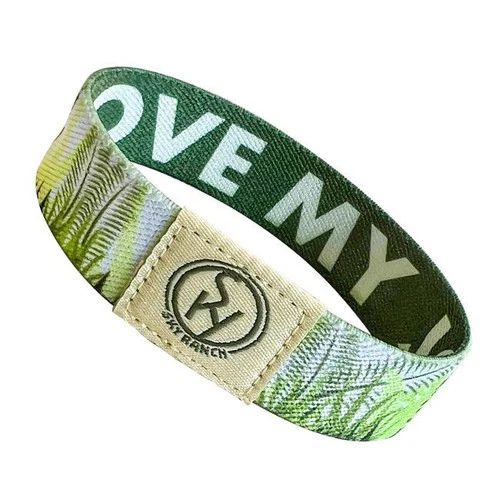
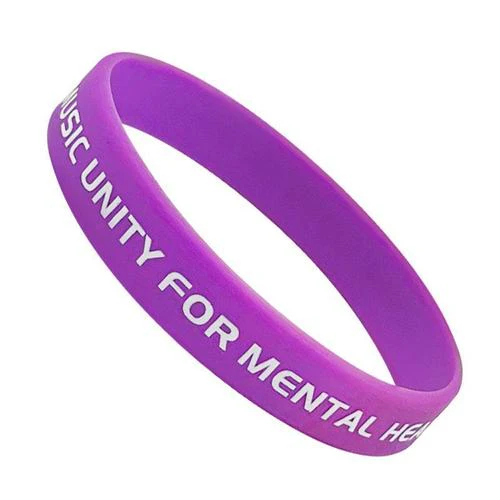
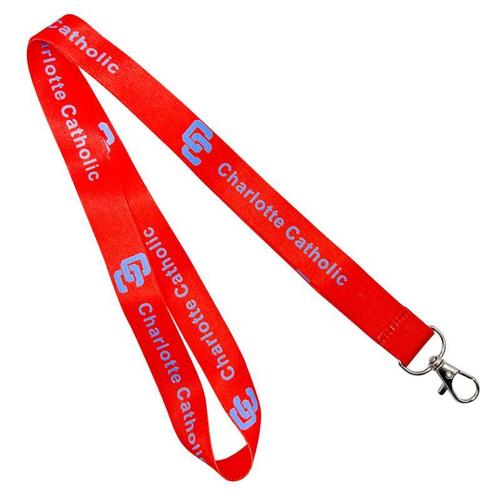
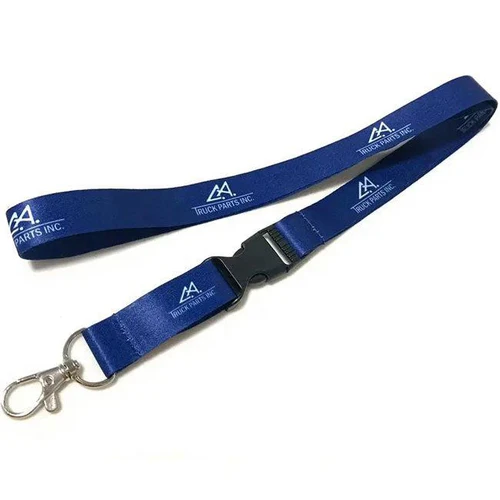
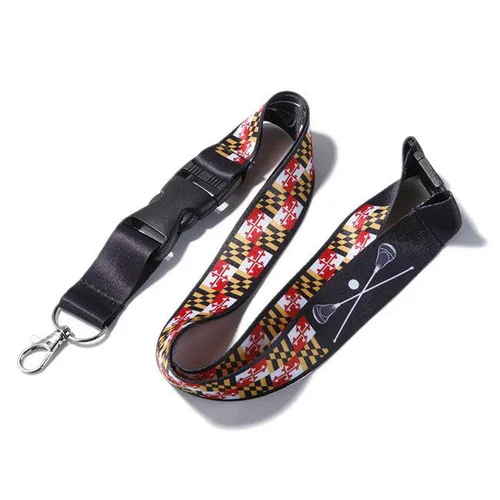
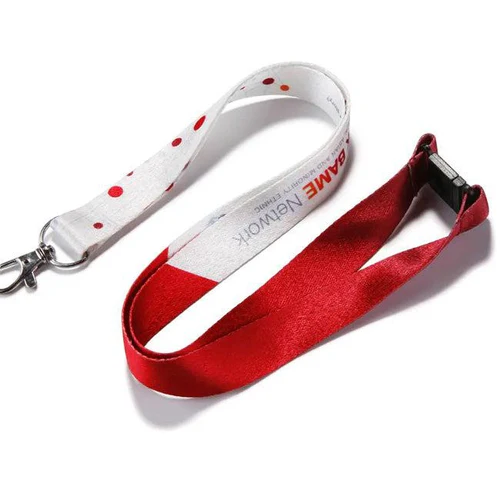
Custom lanyards are branded neck straps used to hold ID badges, access cards, keys, or event credentials. They are commonly ordered by businesses, schools, hospitals, nonprofits, sports teams, and conference organizers. Buyers can choose different materials, attachments, print methods, and safety features based on use case and budget.
The short answer: bulk orders usually win on unit cost, while small orders win on flexibility. The better choice depends on your reorder frequency, design stability, storage capacity, and how costly a stockout would be.
Table of Contents
- Bulk vs small orders at a glance
- What actually drives lanyard pricing in 2026
- Cost comparison by business scenario
- When bulk becomes cheaper
- Hidden costs buyers often miss
- What we learned at Best Patches
- How to choose the right order size
- Risks, limitations, and quality concerns
- What will shape lanyard buying in 2026
- Best next steps
Bulk vs Small Orders at a Glance
Bulk ordering usually means buying enough units to dilute setup, tooling, and print preparation costs across a larger quantity. Small orders do the opposite. They preserve agility but keep fixed costs concentrated in fewer pieces. That is why a 50-piece order may look manageable at checkout, while a 1,000-piece order often looks dramatically better on a per-unit basis.
Still, price per unit is only one line item. If your team changes logos often, if employee counts fluctuate, or if you run multiple short events with different branding, small batches can be smarter. On the other hand, if your artwork is stable and your organization consumes lanyards every month, bulk often cuts total annual spend.
“The cheapest quote is rarely the lowest total cost. Buyers need to price the full lifecycle: setup, freight, reorders, spoilage, storage, and missed deadlines.”
- Bulk orders are best for: conferences, universities, healthcare systems, warehouses, and retail chains with steady demand
- Small orders are best for: pilot campaigns, local events, startup teams, and design testing
- Hybrid purchasing is best for: brands with one core design plus seasonal or department-specific variants
What Actually Drives Lanyard Pricing in 2026
Lanyard pricing is shaped by more than quantity. Material, imprint method, width, accessory choices, packaging, and shipping route all matter. In 2026, procurement teams are also paying closer attention to recycled polyester, breakaway safety features, and domestic versus offshore lead times.
Material and construction
Polyester remains the most common low-to-mid-cost option, while woven, tubular, bamboo fiber, and RPET lanyards shift the price based on feel, durability, and environmental claims. A simple flat polyester lanyard with a swivel hook costs much less than a premium woven lanyard with buckle release, safety breakaway, and card holder attachment.
Print method and color complexity
Silkscreen, dye-sublimation, woven text, and jacquard-style construction all price differently. Dye-sublimation is often the better choice for complex logos and full-color graphics, but very simple one- or two-color prints may be cheaper with screen printing at scale.
Freight and lead time pressure
According to the 2025 UPS Business Shipping Trends analysis, small businesses and procurement teams continued to rank freight predictability as a top concern because shipping volatility can erase margin gains from overseas sourcing. That is especially relevant for rush lanyard programs where production savings disappear under expedited air shipping.
Minimum order quantities and setup fees
Small orders often trigger either an MOQ premium or a flat setup charge. If your supplier charges $60 to prepare screens, artwork, or machine setup, that fee hurts far more on 50 units than on 500.
Cost Comparison by Business Scenario
The examples below reflect realistic 2026-style buying logic rather than generic placeholders. Exact prices vary by supplier, decoration method, and shipping lane, but the pattern is consistent across the market.
| Buyer Type | Order Size | Estimated Cost Per Lanyard | Best Choice and Reason |
|---|---|---|---|
| Local coffee chain staff rollout | 75 units | $2.40-$3.20 | Small order works if branding may change within one quarter |
| Regional hospital visitor badge program | 1,000 units | $0.78-$1.25 | Bulk wins due to stable usage and repeated need |
| Comic convention weekend event | 500 units | $1.05-$1.70 | Mid-bulk is ideal because attendance is forecastable |
| University orientation season | 5,000 units | $0.52-$0.95 | Bulk strongly wins because setup and freight spread well |
| Startup product launch with uncertain headcount | 30 units | $3.10-$4.60 | Small order is safer despite higher unit cost |
When Bulk Becomes Cheaper
The break-even point depends on your setup fee, unit discount curve, and reorder frequency. If a supplier quotes 100 units at $2.80 each with a $50 setup fee, and 500 units at $1.10 each with the same setup fee, the larger order becomes cheaper very quickly if you know you will reorder within the year.
Here is a practical way to think about it. If your team is likely to place three separate 100-unit orders over six months, you may pay the setup cost three times, shipping three times, and rush fees once. That can easily cost more than one 500-unit order, even if some inventory sits on a shelf.
A simple evaluation method
- Estimate your annual usage, not just your next event.
- Add all fixed costs such as setup, design prep, proofing, and freight.
- Compare one larger order against two or three smaller orders over the same period.
- Subtract expected waste from logo changes or staff turnover.
- Choose the option with the lower total landed cost, not just lower unit price.
According to a 2024 Deloitte outlook on supply chain cost discipline, organizations that model total landed cost instead of item cost alone make stronger procurement decisions under volatile logistics conditions. That principle applies directly to custom accessories such as lanyards, where repeat handling charges quietly add up.
Hidden Costs Buyers Often Miss
This is where many lanyard budgets go off track. The quote may be clean, but the real invoice is not.
Storage and obsolescence
Bulk saves money until a rebrand, compliance update, or event cancellation leaves boxes unused. If your organization changes visual identity often, excess stock can turn into dead inventory.
Rush fees
Small orders often lead to “just one more quick reorder.” That may mean expedited production and overnight freight, both of which can destroy the savings of ordering less upfront.
Attachment upgrades
A standard lobster clip may be included, but badge reels, detachable buckles, safety breakaways, or eco packaging often add more than buyers expect. These add-ons matter because they scale directly with quantity.
Quality inconsistency between batches
Ordering small runs from different production windows can create slight color shifts, material changes, or hardware substitutions. That may not matter for informal events, but it absolutely matters for hospitals, franchises, and enterprise brand systems.
What We Learned at Best Patches
I have seen this play out with clients who initially focused only on the lowest opening quote. One event organizer came to Best Patches needing custom lanyards for a multi-city expo series. Their first instinct was to buy 150 pieces per city because attendance estimates felt uncertain. On paper, that seemed cautious.
After reviewing the program, I recommended a split strategy: one larger run for the evergreen branded lanyards and a smaller run for city-specific VIP credentials. That reduced their blended per-unit cost, eliminated repeated setup charges, and kept the variable portion flexible. By the third event, the client had already spent less than their original small-batch plan would have cost, even after warehousing a modest reserve.
In another project, I worked with a school network that wanted a premium feel but had strict budget caps. We tested a 50-piece sample run for administrator approval, then moved to a district-wide production batch once colors and attachment preferences were locked. That approach kept stakeholder risk low while still capturing bulk economics on the final order. The lesson was simple: small orders are excellent for validation, but poor as a permanent purchasing habit when demand is stable.
“Use small runs to verify design. Use bulk runs to fund efficiency. Mixing the two is often the strongest procurement move.”
How to Choose the Right Order Size
There is no universal answer, but there is a repeatable decision framework.
Choose bulk when these signals are present
- Your logo and messaging are unlikely to change for 6-12 months
- You have recurring events, ongoing staff needs, or year-round badge programs
- You can store inventory safely and track usage
- Freight costs are material enough that repeated shipments hurt your budget
Choose small orders when these signals are present
- You are testing a new brand look or campaign
- Attendance or staffing is highly uncertain
- You need multiple niche variations rather than one standard design
- You cannot risk leftover stock due to tight cash flow
Use a hybrid strategy when you want both savings and agility
This is often the smartest route. Order the core lanyard body in bulk, then hold back on specialized inserts, packaging, or department labels until closer to use. That structure preserves scale efficiency while reducing the risk of obsolete inventory.
Risks, Limitations, and Quality Concerns
Bulk is not automatically better. If your supplier has weak quality control, a large order multiplies the impact of one mistake. A typo, inaccurate Pantone match, or weak attachment point becomes a much bigger problem at 5,000 units than at 100.
Small orders have their own downside: you may normalize high pricing without realizing how much annual spend is leaking away. This happens frequently with decentralized buyers such as schools, branch offices, and local managers who reorder independently.
According to the 2024 Gartner research on procurement priorities, supplier reliability and spend visibility remain central to cost control. That is highly relevant here. If your organization buys custom branded goods through scattered one-off purchases, it becomes difficult to benchmark quality, enforce brand standards, or negotiate better pricing tiers.
What Will Shape Lanyard Buying in 2026
Three trends are reshaping the market. First, eco-material demand continues to grow, especially for recycled PET and lower-waste packaging. Second, buyers want shorter proofing cycles and clearer digital mockups before production. Third, supplier selection is shifting from pure unit price to a wider mix of reliability, fulfillment speed, and consistency across repeat orders.
That means the 2026 buyer should not only ask, “How much is each lanyard?” The better question is, “How much does this sourcing model cost us over a full year, with our real operational constraints?” Once you ask that, the answer becomes much more strategic.
Best Next Steps
Bulk custom lanyards usually deliver the best unit economics, especially for organizations with stable demand and consistent branding. Small orders remain valuable when flexibility, testing, or uncertain usage matter more than scale. The strongest buying decisions come from evaluating total landed cost, not just headline pricing.
Best Patches recommends these next actions:
- Request side-by-side quotes for your expected quantity and the next volume tier up.
- Map your annual lanyard usage before placing another short-run reorder.
- Test one sample or pilot batch first, then scale the approved design into a bulk production run.
References
- Gartner, 2024 procurement research — highlighted the importance of supplier reliability, spend visibility, and disciplined purchasing decisions.
- Deloitte, 2024 supply chain outlook — reinforced the value of total landed cost modeling over item-price-only comparisons.
- UPS, 2025 Business Shipping Trends — emphasized freight predictability and shipping cost pressure for business buyers.
FAQ
Are bulk custom lanyards always cheaper?
Usually, yes on a per-unit basis. But they are not always cheaper in total if you overbuy, rebrand soon, or pay for storage on unused inventory.
What is a good minimum quantity for custom lanyards?
For testing, 25 to 100 units is common. For cost efficiency, many buyers start seeing more attractive pricing at 250, 500, or 1,000 units depending on style and decoration method.
How do I calculate the real cost of custom lanyards?
Add more than the unit quote. Include:
Setup and artwork fees
Shipping and rush charges
Attachment upgrades
Storage and expected waste
Repeat order frequency across the year
Which lanyard material is most cost-effective?
Standard polyester is often the most cost-effective for general business use. Dye-sublimated polyester also balances price, comfort, and graphic flexibility well for many brands.
Should I place one large order or several small orders?
Choose one large order when your design is stable and usage is predictable. Choose several small orders when brand changes, uncertain attendance, or cash flow limits make flexibility more valuable than unit savings.