 Promotional Products












Introduction
If you are ordering custom lanyards for a school, trade show, hospital, corporate office, or retail brand, quality mistakes get expensive fast. A lanyard that frays, fades, twists, or breaks does more than look bad. It weakens brand perception, creates safety concerns, and turns a practical item into waste.
That is why buyers increasingly look for suppliers that understand materials, print methods, hardware, and compliance as a connected system rather than a simple promo product. Best Patches has built its reputation by helping clients evaluate those details before production, not after a shipment arrives with preventable defects.
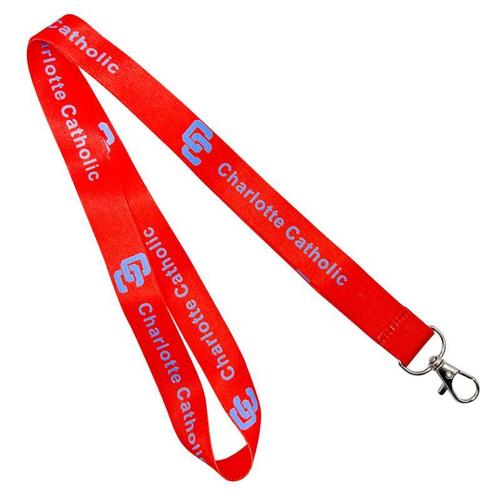
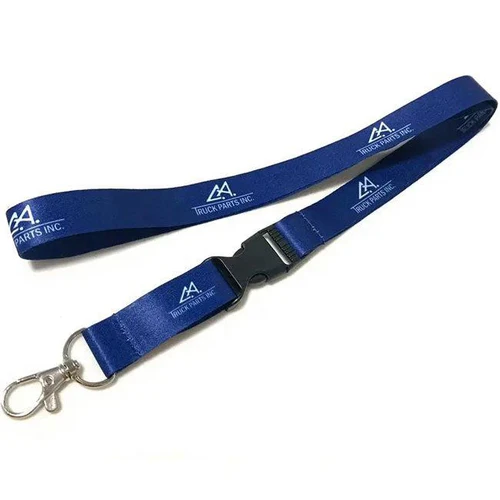
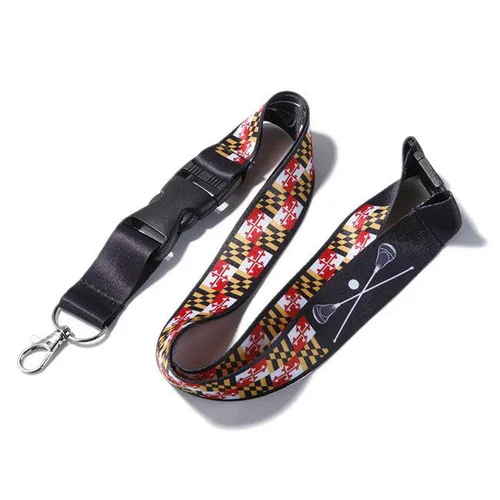
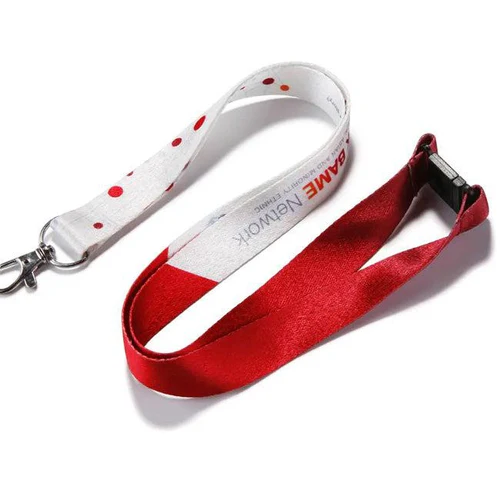
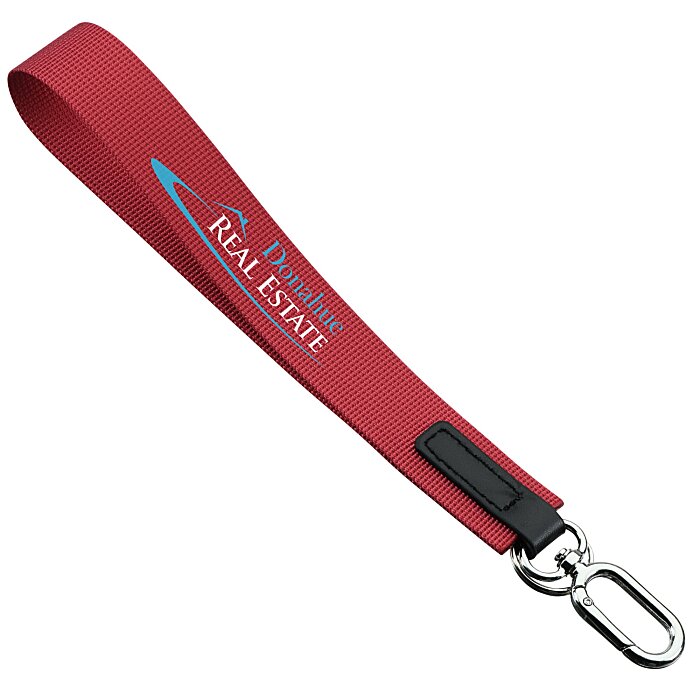
Custom lanyards are branded neck straps or attachment cords made to hold ID badges, keys, event passes, or tools. They can be customized by material, width, color, print method, safety breakaway, and hardware, which means quality varies widely depending on how they are specified and manufactured.
The hard part is that many flaws are not obvious in a digital mockup. They show up only after wear, washing, sunlight exposure, or repeated pulling on the clip. Knowing what to inspect upfront is what separates a smart order from a disappointing one.
Table of Contents
- Why custom lanyard quality fails so often
- How material choice affects durability and feel
- Print and color problems buyers miss
- Weak hardware and attachment risks
- Safety, compliance, and real-world performance
- How to inspect samples before bulk approval
- What we learned from client projects
- Comparing lanyard options by business use case
- How to choose the right supplier
Why Custom Lanyard Quality Fails So Often
Most quality failures happen long before production starts. The buyer requests a low price, the supplier chooses a cheaper substrate or lighter hardware, and the final item technically matches the proof but not the real-world use case. That gap is where disappointment begins.
Another common issue is treating all lanyards as interchangeable. They are not. A giveaway lanyard for a one-day convention can tolerate compromises that would be unacceptable for hospital staff wearing badges every day, or manufacturing teams carrying access cards and small tools through long shifts.
According to the Advertising Specialty Institute’s 2024 ad impressions research, promotional products generate repeated brand exposure over time, especially functional items people keep using. That matters here because a lanyard is rarely judged once. It is judged every day it is worn.
According to a 2024 report from McKinsey on consumer sentiment and value perception, buyers are increasingly willing to reject low-cost goods that feel disposable when durability affects trust. In a branded product, that trust transfers directly to your business.
- Vague material specs such as “polyester” without denier, weave, or finish details
- Artwork approved without Pantone matching or print method review
- Hardware selected by cost rather than pull strength or corrosion resistance
- No wear testing for abrasion, sweat, UV, or repeated clip use
- No pre-shipment inspection standard for stitching, edge finish, and alignment
How Material Choice Affects Durability and Feel
Material is the foundation of lanyard quality. The same logo can look premium on one fabric and cheap on another. The wrong base can also make colors muddy, edges rough, and daily wear uncomfortable.
Polyester can be reliable, but not all polyester is equal
Standard polyester remains one of the most popular choices because it balances cost, print compatibility, and durability. But buyers often overlook thickness, weave tightness, and surface texture. A loosely woven polyester strap may feel soft at first, yet pill or fuzz quickly around the edges.
If you need consistent logo reproduction and practical longevity, ask whether the polyester is intended for screen printing, dye sublimation, or woven construction. Each route changes the final look and lifespan.
Nylon looks sharper, but it exposes flaws faster
Nylon often delivers a smoother, glossier finish that can make logos appear cleaner and more premium. The tradeoff is that production mistakes become easier to see. Uneven ink laydown, poor heat control, or slightly off-center prints stand out more on nylon than on textured polyester.
Eco materials need extra scrutiny
Recycled PET, bamboo fiber blends, and other lower-impact options are in growing demand. According to a 2025 sustainability update from the United Nations Environment Programme, procurement teams are under more pressure to validate product-level environmental claims rather than rely on generic eco language. That means “recycled” should not be accepted without material disclosure and, where relevant, certification support.
Eco-friendly should not mean fragile. Some recycled webbing performs very well, but buyers should still test edge stability, print clarity, and breakaway consistency.
Print and Color Problems Buyers Miss
Many lanyards fail visually, not structurally. The strap stays intact, but the logo fades, the colors drift, or the copy becomes unreadable after a few weeks. Since lanyards sit close to the face and chest, print quality is impossible to ignore.
Fading usually starts with the wrong print method
Screen printing can be cost-effective for simple graphics, but it can crack or wear if the ink, curing, or fabric prep is poor. Dye sublimation can produce excellent full-color results, especially for gradients and all-over graphics, but only if the base fabric and heat transfer process are tightly controlled.
Woven designs hold up well for text and simple branding, though they may lose detail in intricate logos. Tubular lanyards can save money, but they are not the best choice when branding precision matters.
Color drift creates a brand mismatch
One of the most frequent complaints from marketing teams is that the delivered lanyard color does not match the brand kit. This happens when buyers approve RGB artwork for a physical textile product without Pantone references, substrate review, or sample confirmation.
“A screen mockup is not a color standard. For branded merchandise, textile color behavior has to be managed from artwork through production, or the product will miss the brand even if the logo file was correct.”
Pay attention to these visual warning signs in samples:
- Blurry logo edges or fuzzy text
- Ink sitting unevenly on raised fibers
- Back-side color bleed on sublimated straps
- Washed-out black that looks charcoal in normal light
- Inconsistent print registration from one sample to another
Weak Hardware and Attachment Risks
Hardware is where many low-cost lanyards quietly fail. The strap may be acceptable, but the swivel hook jams, the split ring opens too easily, or the badge clip snaps under normal use. Buyers who focus only on strap printing often miss the part that takes the most stress.
Look at metal finish, spring tension, and rotation
A clip should open smoothly, close fully, and rotate without grinding. Thin plating can chip. Weak springs can stop closing tightly. Rough edges can scratch keycards, phones, or skin. If users clip and unclip multiple times per day, these issues surface quickly.
Attachment style should match the job
A lobster clasp may be fine for event credentials. A bulldog clip may suit lightweight badges. A detachable buckle is better when users frequently remove an access card. There is no universal best option, only the best option for the way the lanyard will be used.
- Check the clip opening and closing action at least 20 times.
- Pull-test the hardware connection to the strap using realistic force.
- Rotate the swivel attachment to feel for stiffness or grinding.
- Inspect plating for chips, rough spots, or color inconsistency.
- Test the clip with the actual badge, key set, or tool it will carry.
Safety, Compliance, and Real-World Performance
For schools, healthcare, manufacturing, logistics, and event operations, quality also means safety. Breakaway closures, skin comfort, and clean assembly matter just as much as graphics.
Breakaway closures must release consistently
A breakaway that opens too easily frustrates users. One that does not open when snagged can create a hazard. Consistency matters more than the simple presence of the feature. Ask how the breakaway is tested and whether the same component is used throughout the full batch.
Skin feel and edge finish affect daily wear
Lanyards worn all day should not have abrasive seams, stiff edges, or chemical odors. If a sample feels scratchy after five minutes in your hand, it will feel worse after eight hours on the neck.
According to the Occupational Safety and Health Administration guidance on workplace personal items and snag risks, attachment products used around machinery or moving environments should be selected with release and entanglement considerations in mind. While lanyards are not all regulated the same way, the operating environment should influence the spec.
“The biggest mistake is assuming all breakaways perform alike. In field use, the quality difference between a secure release and a decorative plastic piece becomes obvious very quickly.”
How to Inspect Samples Before Bulk Approval
The sample stage is where smart buyers protect margins. Do not inspect a lanyard as a souvenir. Inspect it as an item that will be worn, pulled, clipped, sweated on, and seen at close range for months.
Use a structured checklist
Here is a practical inspection flow that works well before approving a bulk order:
- Verify width, length, and logo placement against the approved spec sheet.
- Compare colors under natural light and office light, not just a phone flashlight.
- Rub the printed area with dry and slightly damp cloth to check for transfer or weak curing.
- Inspect stitching, seam alignment, edge finish, and buckle attachment points.
- Wear the sample for at least half an hour to check comfort and twist behavior.
- Load the hardware with the real badge or keys intended for use.
- Take photos of any issues and request corrective action before deposit release.
Ask for batch consistency evidence
A perfect sample means little if production drifts. Ask whether the supplier performs in-line inspections, final random inspections, and color control checks. A trustworthy vendor will not treat these questions as a nuisance.
What We Learned From Client Projects
I have seen quality assumptions break down in very ordinary orders. One client came to Best Patches after receiving event lanyards from another supplier that looked fine in the box but began fraying at the edges during badge stuffing. Their event staff noticed threads pulling before attendees even arrived. The immediate problem was visible quality, but the deeper issue was that the original supplier had substituted a lower-grade strap construction without calling it out clearly.
We rebuilt the order spec around tighter woven polyester, cleaner edge finishing, and stronger swivel hooks because the credentials also carried sponsor add-ons. Before rerunning the order, we tested a production sample by loading it with the actual badge sleeve and inserts. That small adjustment prevented the strap twist and clip stress that caused the first batch to look sloppy.
In another project, I worked with a healthcare-related client that needed ID lanyards comfortable enough for long shifts and consistent enough for department color coding. Their previous run had two issues: one blue batch skewed purple under fluorescent light, and the breakaway connectors varied in release strength. At Best Patches, we pushed for a stricter color approval process and requested component consistency across the run. The final result was not just better looking. It reduced complaints from staff who wore the lanyards daily.
Those projects reinforced a simple rule: a low unit price means very little if reorders, replacement, and credibility damage erase the savings.
Comparing Lanyard Options by Business Use Case
| Business Use Case | Recommended Lanyard Type | Common Quality Pitfall | What to Check Before Ordering |
|---|---|---|---|
| Trade show exhibitor badges | Dye-sublimated polyester with swivel hook | Blurry sponsor logos and weak clips | Logo sharpness, clip spring tension, twist resistance |
| Hospital staff IDs | Soft polyester with breakaway and detachable buckle | Scratchy edges and inconsistent breakaways | Neck comfort, breakaway release consistency, clean stitching |
| University campus credentials | Woven or screen-printed polyester | Faded school colors after frequent use | Pantone match, wash resistance, edge wear |
| Manufacturing access badges | Breakaway safety lanyard with reinforced hardware | Unsafe snag performance and clip failure | Release function, pull strength, hardware durability |
| Retail brand giveaways | Tubular or sublimated budget lanyard | Cheap feel that hurts brand perception | Hand feel, print saturation, packaging presentation |
How to Choose the Right Supplier
The best supplier is not the one with the fastest quote or the lowest line-item price. It is the one that helps you define the right specification for your use case and is willing to document what they are making.
Ask direct questions. What material is being used? What print method is recommended for this artwork? What hardware options are available? What are the failure points they have seen in similar orders? Suppliers with real experience usually answer with specifics, not vague reassurance.
When evaluating vendors, look for these signals:
- They ask how and where the lanyards will be used
- They provide material and hardware recommendations based on that use
- They offer physical samples or production sample approval
- They discuss color standards and realistic tolerances
- They explain lead times, QC steps, and remake policies clearly
Best Patches stands out when the order has real stakes: staff wear, public-facing branding, event deadlines, or recurring procurement. That is where process discipline matters more than promotional language.
Conclusion
Poor-quality lanyards usually fail in predictable ways: weak materials, mismatched print methods, unreliable hardware, and rushed approvals. The smartest buyers do not wait for those flaws to show up in use. They inspect them out of the process before bulk production starts.
If you want stronger results from your next order, Best Patches recommends three practical next steps:
- Request a fully assembled sample that matches your real end use, not just the artwork.
- Create a written spec sheet covering material, print method, hardware, color targets, and safety features.
- Choose a supplier that can explain quality controls clearly and adjust the build when your use case requires it.
References
- Advertising Specialty Institute, 2024 ad impressions research — used for context on the repeated brand exposure value of functional promotional products.
- McKinsey, 2024 consumer sentiment and value perception reporting — used to support the importance of durability in perceived brand trust.
- United Nations Environment Programme, 2025 sustainability updates — referenced for the growing importance of verified environmental claims in procurement.
- Occupational Safety and Health Administration guidance — referenced for safety considerations related to wearable items in active work environments.
FAQ
What are the most common quality problems in custom lanyards?
The most common issues are fraying edges, faded or blurry printing, weak clips, inconsistent breakaway closures, rough stitching, and colors that do not match the approved brand standard. Most of these problems can be caught during sample review if you inspect both the strap and the hardware carefully.
How do I know if custom lanyards are high quality before bulk ordering?
Ask for a fully assembled sample and test it like a real user would. Focus on:
Print sharpness and color accuracy
Comfort around the neck
Clip strength and smooth operation
Stitching, seams, and edge finish
Breakaway consistency if safety is required
Which material is best for durable custom lanyards?
For many business uses, tightly woven polyester offers a strong balance of durability, comfort, and print flexibility. Nylon can look more premium, while recycled materials can be a strong option when sustainability matters. The best choice depends on wear frequency, branding detail, and safety requirements.
Are breakaway lanyards always necessary?
Not always. They are especially important in schools, healthcare, manufacturing, logistics, and other environments where snag risk matters. For short-term events or low-risk uses, they may be optional. The decision should be based on the setting, not habit.
Why do some lanyard logos fade so quickly?
Fast fading usually comes from poor ink quality, weak curing, the wrong print method for the fabric, or low-grade base material. Heavy friction, sunlight, and sweat can speed up the problem. A proper sample test can reveal these weaknesses before mass production.