 Promotional Products


Introduction
If you are stuck comparing acrylic vs enamel custom keychains, you are not alone. Buyers usually want three things at the same time: sharp design, reliable durability, and a price that still leaves room for margin. The problem is that soft enamel, hard enamel, and acrylic each perform differently once they move from a screen mockup into real-world use.
At Best Patches, we have seen this choice affect everything from event giveaway results to ecommerce sell-through and repeat orders. A keychain that looks perfect in artwork form can feel too light, too expensive, too scratch-prone, or too formal once produced. That is why material selection should come before final artwork approval, not after.
Acrylic vs enamel custom keychains refers to the decision between printed acrylic pieces and metal-based enamel pieces, including both soft enamel and hard enamel styles. Acrylic usually favors color flexibility and lower cost, while enamel usually favors premium feel, weight, and long-term perceived value.
The right answer depends on your use case. A fan artist selling 50-character designs has different needs than a brewery, school, nonprofit, or corporate merch team ordering one hero design in bulk.
Table of Contents
- Soft enamel, hard enamel, and acrylic at a glance
- Why the material decision matters more in 2026
- Acrylic vs enamel custom keychains side by side
- When soft enamel is the smartest choice
- When hard enamel earns the extra budget
- When acrylic wins on speed, color, and variety
- How to balance cost, quality, and resale margin
- How to choose the right material step by step
- What we learned at Best Patches from real orders
- Common mistakes that lead to expensive reorders
Soft Enamel, Hard Enamel, and Acrylic at a Glance
These three materials may all end up on the same keyring, but they are built differently and communicate different brand signals.
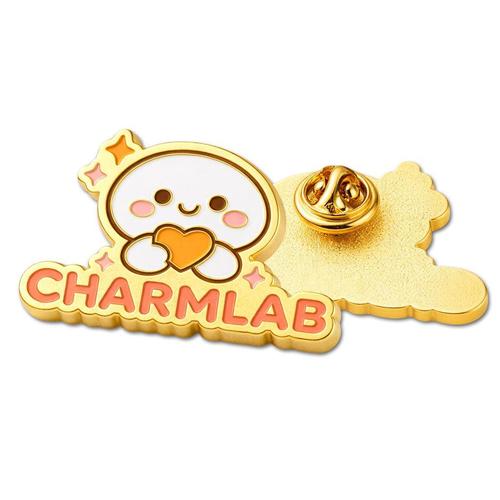
- Soft enamel keychains use a metal base with recessed color fill. You can feel the raised metal lines, which gives the piece texture and contrast.
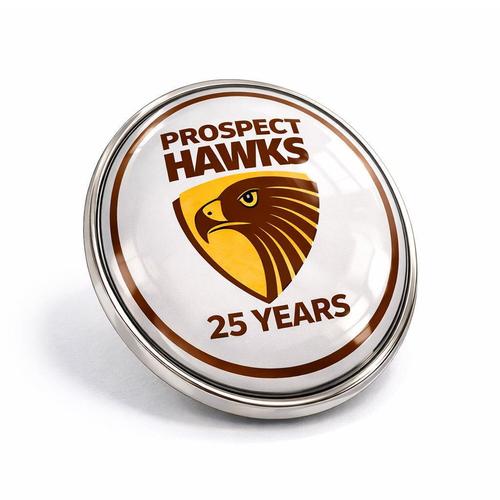
- Hard enamel keychains are polished until the enamel and metal sit flush. The finish feels smoother, cleaner, and more refined.
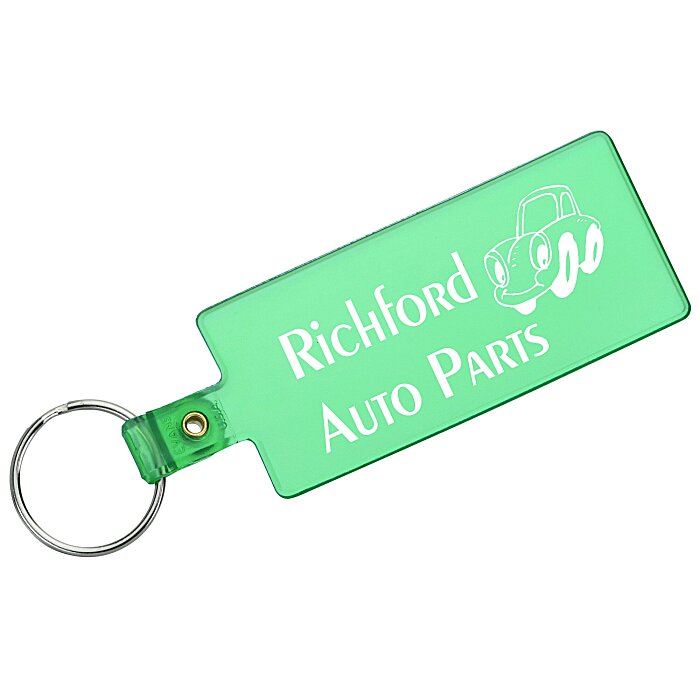
- Acrylic keychains are usually clear or printed acrylic cut into shape. They are lightweight, highly colorful, and ideal for artwork-heavy designs.
From a buyer’s perspective, soft enamel tends to feel expressive and collectible, hard enamel feels premium and executive, and acrylic feels modern, playful, and highly visual.
“Material is never just a production detail. It changes how people judge quality in the first three seconds of handling a product.”
Why the Material Decision Matters More in 2026
Merch buyers are more demanding than they were a few years ago. They compare products across Etsy, TikTok Shop, Shopify stores, conventions, and brand activations. If your keychain does not look good on camera, survive pocket wear, and justify its price, customers move on fast.
According to the 2024 ASI Ad Impressions Study, promotional products continue to deliver strong recall compared with many other ad formats, which means small items like keychains still have serious brand value when produced well. According to Deloitte’s 2024 consumer trends reporting, buyers also continue to place a premium on products that feel personalized and design-led rather than generic. That puts more pressure on choosing the right material for the exact audience.
There is also a practical shift. Short-run creator merch, fandom products, and event-based drops have made acrylic more attractive because it handles complex art and lower setup friction. At the same time, premium corporate gifting and retail souvenir programs still lean toward enamel because perceived value matters.
Acrylic vs Enamel Custom Keychains Side by Side
| Material | Best For | Main Strength | Possible Limitation |
|---|---|---|---|
| Soft Enamel | Streetwear brands, clubs, breweries, event merch | Textured look with strong metal definition | Raised lines can collect wear over time |
| Hard Enamel | Corporate gifts, luxury retail, schools, official programs | Smooth premium finish and strong perceived value | Higher cost and less forgiving for ultra-fine art detail |
| Acrylic | Artists, anime merch shops, nonprofits, fast-turn campaigns | Excellent color range and easy shape freedom | Can scratch if no protective finish is added |
| Soft Enamel with Epoxy | Mid-tier retail, youth brands, schools | Balances texture with added surface protection | Still not as glass-smooth as hard enamel |
If your art depends on gradients, facial expressions, or print-like detail, acrylic usually has the edge. If your design depends on outlines, metallic finish, and a more substantial hand-feel, enamel usually performs better.
When Soft Enamel Is the Smartest Choice
Soft enamel sits in a sweet spot between cost and premium appearance. It has enough metal weight to feel valuable, but it usually stays more budget-friendly than hard enamel. The raised metal borders also help logos and icons stand out from a distance.
Where soft enamel works best
Soft enamel is especially effective for:
- Bold logos with a few flat colors
- Sports teams and school spirit programs
- Craft beverage merch
- Motorcycle, auto, and outdoor brands
- Commemorative event keychains
The biggest advantage is visual character. Soft enamel feels less formal than hard enamel and often has more attitude. If your brand wants texture and energy, this matters.
The tradeoff is wear profile. Because the metal lines are raised, heavy daily use can make contact points more noticeable over time. That does not make the product bad; it just means the aging pattern is different.
When Hard Enamel Earns the Extra Budget
Hard enamel keychains are usually the most polished option of the three. The surface is smooth, the finish feels denser, and the result often lands closer to jewelry-grade merch than simple giveaway merchandise.
Why buyers choose hard enamel
Hard enamel is a strong fit when your keychain has to support a premium brand position. It often works well for:
- University and alumni merchandise
- Museum gift shops
- Hospitality and resort retail
- Executive gifts and recognition items
- Brands that want a clean, timeless aesthetic
It also tends to photograph well under controlled product lighting because the smooth finish reads as clean and high-end. For ecommerce, that can help improve conversion if your audience expects a more elevated product.
The downside is not just price. Hard enamel also requires thoughtful design simplification. If the artwork contains tiny gradients, many micro-elements, or print-style detail, forcing it into hard enamel can reduce clarity. This is where buyers often overspend for the wrong result.
“Premium does not always mean more expensive material. Premium means the material matches the design language and customer expectation.”
When Acrylic Wins on Speed, Color, and Variety
Acrylic has become one of the most versatile options in custom merch because it handles high-detail art extremely well. For creators, illustrators, fandom sellers, and campaigns that rely on visual storytelling, acrylic solves problems enamel cannot.
Why acrylic has grown so fast
According to Etsy’s 2024 marketplace trend reporting, personalized and artist-led accessories continue to attract strong consumer interest, especially in categories driven by color, individuality, and giftability. Acrylic fits that environment because it supports:
- Full-color printing
- Character art and fine line illustration
- Double-sided designs
- Special effects like glitter, holographic film, or shaker inserts
- Faster prototyping across many SKUs
For sellers with large design catalogs, acrylic is often the only sensible answer. Producing 20 different character designs in enamel can push setup costs too high. Acrylic lowers that barrier.
The main concern is surface wear. Acrylic can scratch, especially if it is tossed into bags or pockets with metal objects. Protective films, quality printing methods, and thoughtful packaging help, but the risk is real. That is why acrylic works best when design complexity and price accessibility matter more than metal prestige.
How to Balance Cost, Quality, and Resale Margin
The best material is rarely the one with the lowest unit cost. It is the one that fits your selling price, customer expectations, reorder potential, and artwork style.
How each material affects margin
As a general rule:
- Acrylic often gives the best flexibility for lower retail price points and wide design variation.
- Soft enamel often gives the best middle ground for branded merchandise with a stronger tactile feel.
- Hard enamel often supports the highest perceived value, which can justify a higher retail price if the audience is right.
According to the 2025 PwC consumer sentiment outlook, buyers remain value-conscious but are still willing to spend on products that feel distinctive and durable. That is the key. Customers do not reward “cheap.” They reward “worth it.”
At Best Patches, we tell clients to calculate three numbers before approving production:
- Your target landed cost per unit after production and shipping
- Your realistic selling price based on your audience
- Your expected complaint or replacement risk based on use case
A school fundraiser can tolerate different economics than an artist booth at a comic convention. A hotel gift shop has different standards than a startup handing out swag at a trade show.
How to Choose the Right Material Step by Step
If you need a practical way to decide, use this process.
- Start with the artwork. If your design uses gradients, tiny facial features, or many colors, test acrylic first. If it relies on bold outlines and metallic impact, test enamel.
- Define the use case. Daily carry, collectible display, event giveaway, and retail souvenir all demand different durability and finish priorities.
- Set the target price. Reverse-engineer material choice from your ideal retail or campaign budget.
- Choose the brand tone. Fun and expressive often leans acrylic or soft enamel. Formal and polished often leans hard enamel.
- Ask for a proof review focused on weakness points. Look at edge detail, color translation, scratch risk, and attachment hardware.
What We Learned at Best Patches From Real Orders
I remember working with a small fandom seller who came to Best Patches convinced that enamel was the only way to look professional. Her artwork featured layered hair highlights, tiny eyes, blush gradients, and multiple costume variants. We built sample recommendations and showed why enamel would force simplification that would weaken the appeal of the characters. She switched to acrylic with double-sided printing and a protective finish.
The result was not just better-looking product. Her booth display became easier to scale because she could offer many character variants without a huge setup burden. She later reordered with additional designs because acrylic let her test new SKUs with less risk.
In another project, I worked with an organization preparing donor appreciation gifts. They initially considered acrylic because of budget concerns, but the artwork was a clean crest with limited colors and a formal tone. We recommended hard enamel instead. Once the sample arrived, the difference was obvious: the weight, smooth polish, and plated border gave it the kind of official look that donors expected. In that case, spending more per unit protected the brand message.
These two jobs taught the same lesson from opposite sides. Material should serve the artwork and audience, not ego or assumption.
Common Mistakes That Lead to Expensive Reorders
Most disappointing keychain orders come from predictable planning errors rather than bad manufacturing.
What to avoid
- Choosing enamel for print-heavy artwork. This can flatten expression and remove nuance.
- Choosing acrylic for high-abrasion use without protection. This increases scratch complaints.
- Ignoring hardware quality. A great charm with a weak clasp or ring still feels cheap.
- Overcomplicating small designs. Tiny details often look better enlarged or simplified.
- Using the same material across all channels. Retail, giveaways, and collector drops may need different builds.
One under-discussed issue is customer expectation mismatch. If your product photos make acrylic look like metal, returns become more likely. If you price soft enamel like a luxury collectible without explaining the finish, buyers may feel underwhelmed. Clear positioning matters as much as production quality.
Conclusion
Choosing between soft enamel, hard enamel, and acrylic is really about matching product physics to business goals. If you want bright art, speed, and broad SKU variety, acrylic is usually the strongest option. If you want tactile texture and balanced value, soft enamel is often the most practical pick. If you want a refined, premium impression, hard enamel is usually worth the added cost.
Best Patches recommends three next steps:
- Review your design and identify whether its strength is fine printed detail or bold metal-defined shape.
- Set a real target for budget, retail price, and expected usage before picking the material.
- Request a production proof or sample path that tests finish, durability, and hardware together.
References
- ASI Ad Impressions Study 2024 — Provided context on the continued branding power of promotional products.
- Deloitte 2024 consumer trends reporting — Supported the shift toward personalized, design-led purchasing behavior.
- Etsy 2024 marketplace trend reporting — Helped explain demand for creator-focused and highly visual accessories.
- PwC 2025 consumer sentiment outlook — Added insight into value-conscious buyers who still spend on products that feel worth the price.
FAQ
What is the best material for custom keychains?
It depends on your goal. Hard enamel is excellent for a polished premium look, soft enamel works well for textured branded merch, and acrylic is a favorite for colorful artwork, creator merch, and lower-cost variety.
Is acrylic vs enamel custom keychains mainly a budget decision?
No. Budget matters, but artwork style, customer expectation, durability needs, and brand tone matter just as much. Acrylic often wins for detailed full-color art, while enamel wins when weight, metal finish, and perceived value are priorities.
Which lasts longer, acrylic or enamel keychains?
Enamel keychains, especially hard enamel, usually hold up better in rough daily carry because of their metal construction. Acrylic can still perform well, but it is more vulnerable to visible scratches unless it has added protection and careful handling.
When should I choose soft enamel over hard enamel?
Choose soft enamel when you want visible texture, stronger cost efficiency, and a slightly more casual or expressive look. Choose hard enamel when you want a smooth surface and a more formal premium presentation.
Are acrylic keychains good for selling artist merchandise?
Yes. Acrylic is one of the best choices for artist merch because it supports full-color artwork, multiple character designs, custom shapes, and lower-risk testing across many SKUs.
What file setup helps avoid production issues?
Vector files such as AI or SVG are best for enamel designs. High-resolution PNG files can work well for acrylic printed artwork. In both cases, outlined text, clear cut lines, and separated layers help reduce approval delays and production mistakes.