 Promotional Products




Introduction
If you are ordering branded lanyards for a corporate event, the pressure is real. You need them to look polished, arrive on time, stay on budget, and actually support the attendee experience instead of becoming another forgettable giveaway. The wrong material frays, the wrong clip breaks, and the wrong design makes your brand look cheaper than it is.
That is why many event teams turn to experienced promotional product partners like Best Patches when planning branded lanyards for conferences, trade shows, internal summits, and client-facing events. A good supplier does more than print a logo. They help you match product specs to security needs, audience expectations, and event operations.
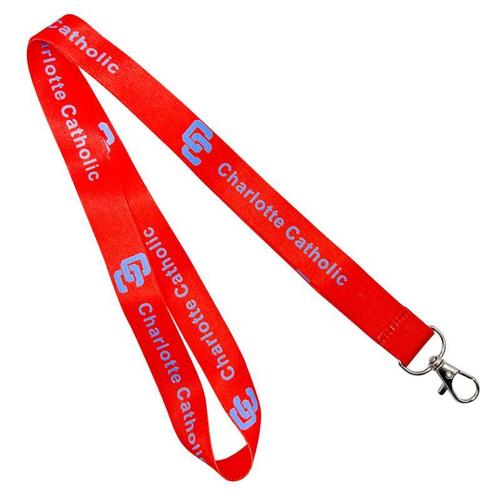
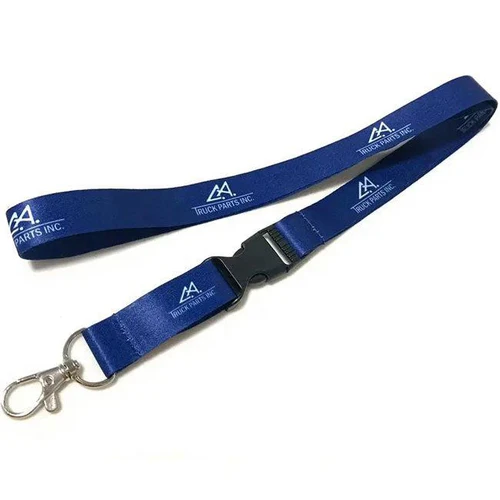
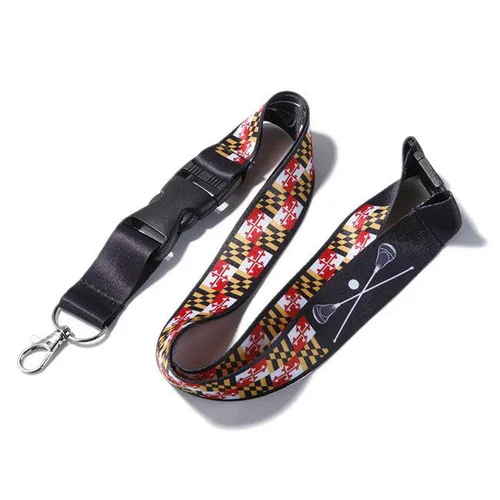
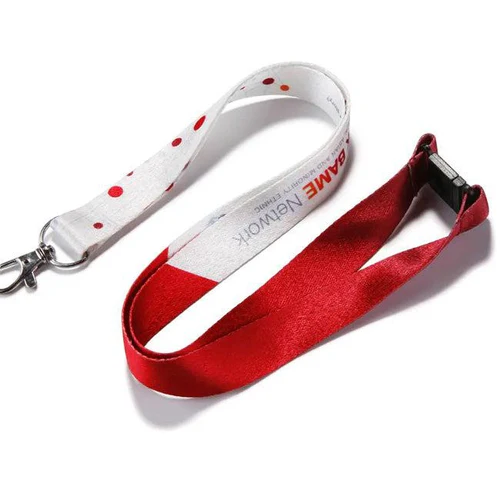
Branded lanyards are custom neck straps printed or woven with a company name, logo, message, or event identity. They are typically used to hold badges, keys, access cards, or credentials while reinforcing brand visibility throughout an event.
At corporate events, branded lanyards serve two jobs at once: they make identification easier and they act as a moving brand asset. When chosen well, they improve check-in flow, support security, and give sponsors or organizers repeat exposure all day long.
Table of Contents
- Why Branded Lanyards Still Matter at Corporate Events
- How to Choose the Right Type of Lanyard
- Design Decisions That Affect Brand Perception
- Materials, Attachments, and Safety Features
- Budgeting, Pricing, and Quantity Planning
- The Ordering Process From Artwork to Delivery
- Common Mistakes, Risks, and Limitations
- What We Learned at Best Patches
- Lanyard Trends Shaping 2026 Events
Why Branded Lanyards Still Matter at Corporate Events
Event buyers sometimes underestimate lanyards because they are so common. That is exactly why they matter. A common item gets more scrutiny, not less. Every attendee wears it, staff handle it, sponsors see it, and photos capture it. If the lanyard looks premium, your event feels more organized. If it looks flimsy, people notice that too.
According to Freeman’s 2024 event trends reporting, attendee expectations continue to rise around seamless, well-designed in-person experiences. That does not just apply to stages and apps. It applies to the basics, including badge visibility, comfort, and wayfinding. Branded lanyards help create consistency from registration to networking to breakout sessions.
They also provide practical business value:
- Improve badge visibility for security and access control
- Reduce lost credentials and key cards
- Create sponsor inventory for event revenue
- Support team identification for staff, vendors, and VIPs
- Increase repeated logo exposure in hallways, booths, and photos
"The most effective event merchandise is the item attendees use continuously, not the one they stuff into a tote bag. Lanyards remain one of the highest-visibility products in live events."
That visibility is why lanyards deserve the same level of planning as signage or printed collateral.
How to Choose the Right Type of Lanyard
Not every event needs the same lanyard. A tech conference, hospital symposium, nonprofit fundraiser, and manufacturing expo all have different use cases. Start with function before aesthetics.
Printed polyester lanyards
These are the most popular option for general corporate events. They are cost-effective, comfortable, and suitable for full-color branding. If you need a balance of affordability and clean visual presentation, this is often the safest choice.
Woven lanyards
Woven styles have the logo stitched into the strap rather than surface printed. They offer a textured, durable look, but the design detail is less precise. These work well for simple logos and organizations that want a more traditional feel.
Dye-sublimated lanyards
For gradient-heavy branding, multicolor art, or sponsor-heavy designs, dye sublimation usually gives the best visual result. It allows edge-to-edge printing and handles more complex graphics well.
Tubular lanyards
Tubular styles are usually the budget option. They resemble shoelace material and are commonly used for large internal events, school functions, or high-volume trade show distribution.
When comparing options, ask these practical questions:
- Will attendees wear them for one day or several days?
- Do you need premium visual impact or basic utility?
- Will they hold light badges only, or keys and access cards too?
- Does your design include small text, gradients, or sponsor logos?
- Are you targeting eco-conscious attendees or procurement standards?
Design Decisions That Affect Brand Perception
The biggest design mistake is treating the lanyard like a miniature billboard. Your logo does not need to appear oversized every inch. The best designs are readable at a glance and visually balanced from several feet away.
Color contrast matters more than many buyers realize. Dark logos on dark straps disappear in event lighting. Fine text becomes unreadable. Repeating a short brand name or icon often performs better than forcing a full tagline onto a narrow surface.
Best practices for layout
- Use a high-contrast background and logo combination.
- Repeat the logo at consistent intervals.
- Keep text short enough to remain legible while worn.
- Allow for hardware interruptions near clips and buckles.
- Review a digital proof at full scale before approving production.
When sponsor branding makes sense
If your event has tiered sponsorships, lanyards can be premium inventory. But there is a limit. One host brand plus one sponsor usually works. More than that can make the piece look crowded and reduce the perceived prestige of both brands.
According to a 2024 report by ASI, useful promotional products tend to generate stronger retention than novelty items, especially when they are integrated into daily or event-specific use. That makes readability and comfort more important than excessive branding.
Materials, Attachments, and Safety Features
Material choice changes both the look and the user experience. A rough or stiff strap can irritate attendees during long sessions. A weak swivel hook can fail when badges include RFID cards or extra accessories.
Popular material choices
Polyester is versatile and durable. Nylon can feel smoother and look more premium, though it may cost more. Recycled PET appeals to organizations with sustainability goals. For many event buyers in 2026, eco positioning is not just a branding bonus; it is part of procurement requirements.
Attachments and add-ons
Attachment selection should match use. Common options include swivel hooks, bulldog clips, split rings, badge reels, and detachable buckles. If your attendees need to tap access cards frequently, a detachable buckle can save time and reduce wear.
Safety and compliance considerations
Breakaway clasps are often essential in workplaces, healthcare settings, schools, and active expo environments. They reduce the risk of pulling or snagging. If your event involves machinery demos, crowded floor traffic, or physical activity, breakaway features are a smart safeguard.
| Business Scenario | Recommended Lanyard Type | Best Attachment | Primary Goal |
|---|---|---|---|
| Tech conference with sponsor exposure | Dye-sublimated polyester | Swivel hook with buckle | High visual impact and easy badge scanning |
| Healthcare training event | Recycled PET with breakaway | Bulldog clip | Safety and all-day comfort |
| Internal employee summit | Printed polyester | Standard J-hook | Cost control and staff identification |
| Luxury brand client event | Nylon or woven premium style | Black metal swivel hook | Elevated brand perception |
| Manufacturing expo floor | Tubular with breakaway | Detachable buckle | Durability and safety in motion |
"Procurement teams often focus on unit price first, but event operations teams care about failure rate. A broken clip during badge pickup creates friction that costs more than the savings from a cheaper spec."
Budgeting, Pricing, and Quantity Planning
Lanyard pricing depends on material, width, print method, hardware, customization, packaging, and order volume. The lowest quote is rarely the best value if it excludes setup fees, proof revisions, freight upgrades, or breakaway safety features.
As a general rule, unit cost drops as quantity rises, but overordering can waste budget. For corporate events, many planners make the mistake of ordering exactly to registration count. That leaves no room for speakers, sponsors, onsite staff additions, damaged units, or last-minute attendees.
How much should you order
A practical buffer is usually 5 percent to 12 percent above expected attendance, depending on event complexity. A tightly controlled leadership summit may need a smaller overage. A public expo or multi-day conference usually needs more.
What drives cost up
- Multiple attachments or detachable buckles
- Premium woven or nylon materials
- Rush production timelines
- Complex artwork or many sponsor marks
- Special packaging or individual bagging
According to the Promotional Products Association International 2024 market insights, buyers continue to prioritize product usefulness and measurable brand exposure when selecting promotional items. That is one reason lanyards remain a staple: the cost-per-impression tends to be favorable when every attendee wears them all day.
The Ordering Process From Artwork to Delivery
The smoothest orders come from teams that finalize event logistics early. Lanyards touch registration, security, sponsorship, and branding, so delays often happen when multiple departments approve the product in sequence instead of together.
What a strong ordering workflow looks like
- Confirm your attendee count, event dates, and operational use case.
- Select material, width, print style, and attachment type.
- Prepare vector artwork and sponsor placement rules.
- Review proofs for spelling, spacing, and logo orientation.
- Approve a timeline that includes production and shipping buffer.
- Inspect samples or pre-production images if the order is complex.
- Plan onsite distribution by attendee type or access level.
Lead times matter more than buyers expect
Standard production timelines can work for routine orders, but event calendars create seasonal bottlenecks. Fall conference season and spring trade show periods can compress production windows fast. If customs clearance or international freight enters the picture, your risk climbs sharply.
Gartner noted in 2024 supply chain analysis that organizations remain exposed to disruption from supplier concentration, transportation variability, and demand spikes. For event merchandise, that means one simple lesson: build more time into the schedule than you think you need.
Common Mistakes, Risks, and Limitations
Branded lanyards are useful, but they are not foolproof. Event buyers should understand where they can underperform.
Overbranding
If every inch is filled with logos, the result can look noisy and low-end. Premium design usually means restraint.
Weak alignment with attendee needs
A stylish lanyard that cannot support a heavy badge holder or RFID card is a functional miss. Utility comes first.
Late approvals
Artwork delays are one of the most common reasons event merchandise becomes a rush order. Rush fees and shipping upgrades can erase your budget gains.
Ignoring safety requirements
Some venues or industries require breakaway features or specific identification standards. Skipping those details can create compliance issues.
Sustainability claims without proof
Eco-friendly messaging needs supplier clarity. If recycled content or sustainability language matters to your brand, verify material specs rather than relying on vague marketing terms.
The limitation to remember is simple: branded lanyards are support tools, not a substitute for strong event design. They work best when tied to an overall attendee journey that includes smart registration, clear badging, and consistent visual identity.
What We Learned at Best Patches
At Best Patches, we have seen that the most successful lanyard orders begin with operational questions, not print questions. I remember working with a mid-sized software company preparing for its annual user conference. Their first request focused entirely on logo size and sponsor placement. Once we asked how attendees would move through check-in and session access, the project changed. They switched from a basic clip to a detachable buckle so badges could be scanned faster, and they simplified the artwork to improve readability. The result was a cleaner product and smoother registration lines.
In another project, I worked with a manufacturing client hosting distributors and plant visitors at the same event. At first, they wanted one universal design to save money. We recommended two color-coded branded lanyards instead: one for staff and one for guests, both with breakaway safety features. That small shift improved floor visibility for supervisors and reduced confusion around restricted access zones. The client later told us the color distinction helped security staff solve credential questions in seconds instead of minutes.
Those experiences reinforced a pattern. Good branded lanyards do not win because they are flashy. They win because they make events easier to run while keeping the brand polished.
Lanyard Trends Shaping 2026 Events
The lanyard category is evolving in subtle but meaningful ways. Buyers in 2026 are paying more attention to sustainability, hybrid identity systems, and premium finishing details.
Eco-focused materials
Recycled PET and other lower-impact material options continue gaining traction, especially among organizations with public ESG commitments.
Smarter credential integration
As RFID and NFC use grows in event environments, lanyards are increasingly selected based on how they support touchpoints, access control, and credential durability.
Premium minimalist branding
Many corporate brands are shifting away from loud, repetitive logo walls toward cleaner, more editorial design. A subtle pattern, a restrained logo repeat, and better hardware often create a stronger premium impression.
Shorter procurement cycles with higher expectations
Teams still want faster turnarounds, but they are less willing to accept generic product quality. That puts more pressure on suppliers to guide specification decisions well.
Conclusion
Ordering branded lanyards well comes down to four things: fit for purpose, strong design, reliable production, and enough lead time. The best choices support security, improve attendee flow, and reflect your brand without trying too hard.
If you are planning an upcoming event, Best Patches recommends three next steps:
- Define the operational job of the lanyard before choosing colors or print style.
- Request proofs and compare at least three spec levels before approving a final order.
- Build in buffer time and quantity so your event team is not forced into expensive rush decisions.
References
- Freeman — 2024 event trend insights on attendee expectations and in-person experience quality.
- ASI — 2024 promotional product reporting on usefulness, retention, and product effectiveness.
- PPAI — 2024 market insights related to buyer priorities and promotional product value.
- Gartner — 2024 supply chain analysis highlighting production and logistics risk factors relevant to event merchandise ordering.
FAQ
What are branded lanyards used for at corporate events?
Branded lanyards are typically used to hold badges, credentials, access cards, or keys while reinforcing event branding. They also help with attendee identification, sponsor visibility, and smoother event operations.
How many branded lanyards should I order for an event?
A good rule is to order slightly above your expected attendance count. Many event planners add a 5 percent to 12 percent buffer to cover staff, speakers, damaged units, and last-minute attendees.
Which material is best for corporate event lanyards?
For most events, polyester is the most balanced option because it combines durability, comfort, and good print quality. If sustainability is a priority, recycled PET is a strong choice. For a more premium feel, nylon may be worth the added cost.
Do I need breakaway lanyards for a business event?
Not always, but they are highly recommended for healthcare, education, manufacturing, active expo floors, and any setting where snagging or pulling could be a safety issue. They are also helpful when venues or internal policies require them.
How far in advance should I order branded lanyards?
Order as early as possible, especially during busy conference seasons. Give yourself enough time for artwork revisions, proof approval, production, shipping, and a safety buffer in case of delays.
Can branded lanyards include sponsor logos?
Yes, and lanyards are often strong sponsorship assets. The best results usually come from limiting the design to the event host plus one sponsor or a carefully structured co-branding layout so the lanyard does not feel overcrowded.