 Promotional Products



Introduction
At a busy expo, most attendees forget half the booths they pass, but they keep noticing what people wear around their necks. That is why branded lanyards matter more than many exhibitors realize. A weak lanyard design blends into the crowd, while a smart one extends your booth branding across the entire show floor.
For marketers, event managers, and operations teams, the challenge is not just printing a logo on fabric. You need branded lanyards that are readable from a distance, comfortable for all-day wear, durable enough for multi-day events, and polished enough to reflect your company’s quality. Best Patches has worked with brands that needed exactly that balance: visibility, function, and brand consistency under real event conditions.
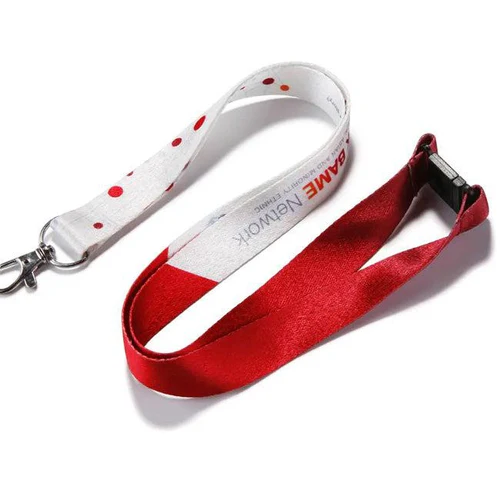
Branded lanyards are custom neck straps printed or woven with a company’s logo, colors, message, or event identity. They are commonly used to hold badges, credentials, keys, or access cards while also serving as portable brand exposure throughout a trade show or conference.
When designed well, they do more than identify staff. They improve wayfinding, reinforce trust, support security, and give your brand repeated exposure in hallways, keynote sessions, networking lounges, and social posts.
Table of Contents
- Why Trade Show Lanyards Matter More Than Most Brands Think
- Core Design Elements That Make Branded Lanyards Pop
- Materials and Construction Choices That Affect Perception
- Matching Lanyards to Your Event Goals
- Common Design Mistakes That Kill Visibility
- A Practical Workflow for Designing Better Lanyards
- Real Brand Scenarios and What Works Best
- Risks, Limitations, and Compliance Issues
- Trade Show Lanyard Trends for 2026
Why Trade Show Lanyards Matter More Than Most Brands Think
Trade show branding is often judged in seconds. Booth architecture matters, but the people standing in and around the booth create far more impressions over the course of a day. Lanyards travel. They move into coffee lines, breakout rooms, elevators, after-hours mixers, and attendee photos.
According to the Center for Exhibition Industry Research, in-person exhibitions continue to be one of the strongest channels for face-to-face buyer engagement because they compress awareness, evaluation, and conversation into a short window. That makes every wearable brand touchpoint more valuable, especially when buyers are scanning crowded environments.
There is also a trust factor. At large events, attendees need fast visual cues to identify staff, speakers, sponsors, and vendors. A clear, professional lanyard reduces friction. It tells people who belongs where and who they can approach.
“The best event branding works at three distances: across the aisle, at handshake range, and in photos. Lanyards are one of the few assets that can do all three.”
Core Design Elements That Make Branded Lanyards Pop
Color contrast is the first battle
If your logo disappears into the strap color, the lanyard fails before anyone reads it. High contrast combinations such as white on navy, black on yellow, or deep blue on light gray tend to perform well in convention lighting. Mid-tone on mid-tone pairings usually do not.
When your brand palette is subtle, use a strategic adaptation rather than forcing your exact website colors into a fabric format that lacks enough contrast. That adjustment protects brand integrity better than an unreadable design.
Logo scale and repeat spacing matter
A lanyard is a narrow canvas. Large logos that repeat at even intervals are usually more effective than tiny logos packed next to long taglines. If your mark is complex, simplify it for the lanyard version. Fine details often blur during motion or at distance.
Good repeat spacing keeps the brand visible regardless of how the strap twists. If a logo only appears once every foot, large portions of the lanyard may look blank.
Typography should be bold, not clever
Thin fonts, script lettering, and compressed type often become unreadable on fabric. Sans-serif fonts with strong weight generally perform best. If your legal name is long, use the primary brand mark or abbreviated version that your audience already recognizes.
Hardware influences perceived quality
The clip, buckle, and safety breakaway are not minor details. Cheap metal plating or brittle plastic can make even a good design feel disposable. Strong hardware signals professionalism and prevents awkward failures during the event.
Materials and Construction Choices That Affect Perception
Different materials communicate different things. A satin-finish polyester lanyard may feel sleek and corporate. A woven option can feel textured and durable. Eco-conscious materials may align better with sustainability messaging, but only if they still look premium and hold print well.
- Polyester: cost-effective, durable, good for vibrant printing
- Nylon: smoother finish, often chosen for a slightly more premium look
- Woven: excellent for simpler logos and durable identity-focused designs
- RPET or recycled materials: useful for sustainability-minded brands and green events
- Tubular lanyards: budget-friendly, softer, but usually less refined visually
According to PwC’s 2024 Voice of the Consumer survey, consumers increasingly say they are willing to reward brands that demonstrate sustainability in practical ways. A recycled lanyard alone will not transform brand perception, but when it aligns with your packaging, booth materials, and messaging, it strengthens credibility.
The caveat is simple: eco-friendly should not mean flimsy. A lanyard that frays or prints poorly undercuts the sustainability story by looking low quality.
Matching Lanyards to Your Event Goals
Not every exhibitor needs the same type of lanyard. The design should follow the event objective.
| Brand Type | Primary Goal | Best Lanyard Style | Why It Works |
|---|---|---|---|
| B2B SaaS company | Professional credibility | Matte polyester with bold white logo on navy | Clean, readable, corporate without looking generic |
| Consumer beverage brand | High-energy awareness | Bright sublimated strap with oversized icon pattern | Strong visual recall in crowded halls |
| Healthcare exhibitor | Trust and clarity | Light background with dark text and safety breakaway | Readable, compliant, approachable |
| University or nonprofit | Community identity | Woven lanyard in school or campaign colors | Feels durable and belonging-focused |
| Luxury retail brand | Premium image | Soft-touch black strap with metallic hardware | Minimal but elevated presentation |
Before finalizing artwork, ask what the lanyard must actually do. Is it for booth staff only? VIP attendees? Lead retrieval devices? Security access? Sponsored giveaway use? Each answer changes the design brief.
Common Design Mistakes That Kill Visibility
Most bad lanyards are not ugly. They are just ineffective. They carry too much information, rely on weak contrast, or prioritize brand guidelines over real-world readability.
- Using a long slogan that no one can read while walking
- Printing a detailed logo too small
- Choosing trendy pastel combinations with poor visibility
- Ignoring hardware color and finish
- Skipping breakaway features when safety matters
- Ordering without testing print proofs under indoor lighting
- Forgetting that the strap twists and folds during wear
One of the most common failures is trying to make the lanyard act like a brochure. It is not. Its job is fast recognition, not exhaustive explanation.
“If your event lanyard needs more than a second to understand, it is asking too much from the viewer.”
A Practical Workflow for Designing Better Lanyards
Strong results usually come from a disciplined process rather than artistic luck. Here is a simple workflow teams can follow.
- Define the use case. Decide whether the lanyard is for staff, attendees, VIPs, media, or sponsors.
- Pick the visibility priority. Choose whether logo recognition, role identification, or campaign promotion matters most.
- Create two or three contrast-first concepts. Keep the artwork simple and test larger logo repeats.
- Match material to brand tone. Choose polyester, woven, nylon, or recycled stock based on budget and positioning.
- Select functional hardware. Add clips, badge attachments, buckles, or breakaway closures as needed.
- Review physical proofs. Check legibility, comfort, print sharpness, and how the design looks when worn.
- Order with timing buffer. Build in extra time for revisions, shipping, and event prep.
Real Brand Scenarios and What Works Best
I once worked with a team at Best Patches on a trade show package for a client that had excellent booth graphics but weak wearable branding. Their first lanyard concept used a dark logo on a dark green strap because it matched the brand book perfectly. On screen, it looked polished. In person, it disappeared. We shifted to a lighter base, enlarged the mark, and repeated the logo more frequently. At the event, the client told us attendees were using the team’s lanyards as a visual anchor to find booth staff in the crowd.
In another case, I reviewed a design for a multi-day industry expo where the client wanted the lanyard to carry a slogan, website, QR reference, and sponsor mark. It was overloaded. At Best Patches, we recommended splitting the functions: keep the lanyard clean with the core logo and move the campaign messaging to badge inserts and booth signage. The final result looked more premium and converted better in person because people could identify staff instantly.
These examples matter because trade show environments are brutally honest. If a design is unclear, attendees will not give it extra attention out of politeness. They simply move on.
Risks, Limitations, and Compliance Issues
Branded lanyards are useful, but they are not without challenges. First, low-cost production shortcuts can damage your brand more than having no lanyard at all. Poor edge finishing, faded print, weak clasps, and uncomfortable texture all register subconsciously with attendees.
Second, some venues or industries require specific safety and security considerations. Healthcare, manufacturing, education, and access-controlled events may require breakaway closures, color coding, or badge orientation rules. If your lanyard interferes with scanners or obscures credentials, function will outweigh style very quickly.
Third, there is the issue of overproduction. Ordering too many highly event-specific lanyards can create waste if branding changes or attendance is lower than expected. This is where a more evergreen visual system can help. Generic core branding with event-specific badge inserts often gives you more flexibility.
According to McKinsey’s 2024 research on consumer sentiment and sustainability, buyers continue to scrutinize whether a company’s environmental claims align with actual operational choices. If you market a sustainability story, avoid disposable-feeling event merchandise that contradicts it.
Trade Show Lanyard Trends for 2026
The strongest 2026 trend is not louder branding. It is smarter branding. Event teams are moving toward lanyards that balance clean aesthetics, comfort, sustainability, and clearer role communication.
Key shifts to watch include:
- Role-coded systems: different colors for sales, support, media, and leadership teams
- Premium minimalism: fewer words, larger marks, cleaner spacing
- Recycled materials: especially for brands with ESG reporting goals
- Photo-aware design: lanyards optimized for social coverage and event recap content
- Integrated utility: detachable buckles, secure badge holders, and comfort-focused widths
According to Deloitte’s 2025 marketing and commerce outlook, brands continue to look for more measurable value from in-person activations. That means every event asset has to justify itself. Lanyards that improve recognition, staff approachability, and sponsor visibility will keep earning budget. Generic giveaway-style straps will not.
Conclusion
Great branded lanyards stand out because they do a few things exceptionally well: they are readable, comfortable, aligned with the brand, and built for the realities of a crowded trade show floor. The strongest designs avoid clutter, use confident contrast, and treat material and hardware as part of the message, not afterthoughts.
If you want better results at your next event, Best Patches recommends three practical next steps:
- Audit your current lanyard against distance readability, comfort, and print contrast.
- Create two simplified design options with larger logo repeats and stronger hardware.
- Order a physical sample before bulk production so your team can test it in real lighting and on real clothing.
References
- Center for Exhibition Industry Research: Industry research on the value and performance of in-person exhibitions.
- PwC Voice of the Consumer 2024: Consumer insights related to sustainability preferences and brand expectations.
- McKinsey 2024 sustainability and consumer sentiment research: Context on how buyers evaluate environmental claims and operational credibility.
- Deloitte 2025 marketing and commerce outlook: Insight into how brands measure the ROI of event and marketing investments.
FAQ
What makes branded lanyards effective at trade shows?
Effective branded lanyards are easy to read from a distance, comfortable enough for all-day wear, and consistent with your booth and brand identity. Strong contrast, repeated logo placement, and reliable hardware make the biggest difference on a crowded show floor.
What is the best material for branded lanyards?
Polyester is the most versatile choice for many events because it balances cost, durability, and print quality. Nylon can look more premium, woven styles work well for simpler logos, and recycled RPET is a smart option for sustainability-focused brands.
How wide should trade show lanyards be?
A width of 3/4 inch to 1 inch is common for trade shows. Narrower lanyards can limit readability, while wider options often feel more premium and give your logo more room to stand out.
How many branded lanyards should I order for an event?
Order enough for your full booth team, backups, and any planned attendee or sponsor use. A practical rule is to add 10% to 20% above your expected need in case of last-minute staffing changes, damaged items, or unexpected demand.
Should branded lanyards include a slogan or just a logo?
In most cases, just the logo or a very short brand name works better. Lanyards are a quick-recognition tool, so long slogans often create clutter and reduce readability.
Are eco-friendly branded lanyards worth it?
Yes, if they still meet your standards for print quality, comfort, and durability. Recycled materials can support your sustainability message, but only when the final product still feels professional and consistent with the rest of your event presence.
How long does it take to produce custom branded lanyards?
Production times vary by supplier, material, and order size, but many custom orders take one to three weeks plus shipping. For trade shows, it is smart to build in extra time for proof approval and possible revisions.