 Promotional Products


Introduction
If you are comparing branded lanyards, the material choice matters more than most buyers expect. A lanyard is not just a strap for badges or keys. It is a daily-use branding tool that affects comfort, print quality, durability, event logistics, and even how polished your company looks in person. Choose the wrong fabric, and you may end up with faded logos, rough texture, unhappy staff, or giveaway items that get tossed after one event.
At Best Patches, we have seen this decision play out across trade shows, schools, hospitals, retail chains, and corporate offices. Buyers often come in asking for the cheapest option, then realize they actually need the best balance of feel, finish, and long-term wear. Nylon and polyester are the two most common materials for custom lanyards, but they perform differently under real business conditions.
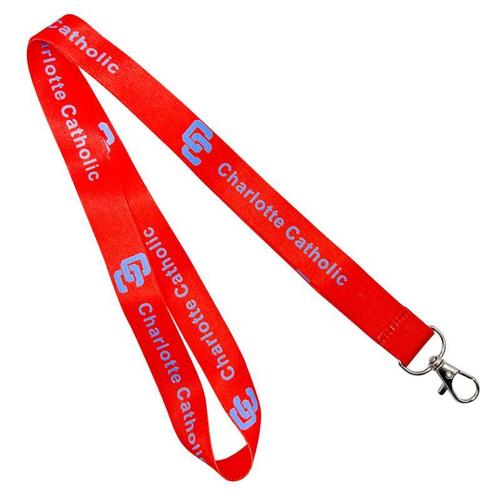
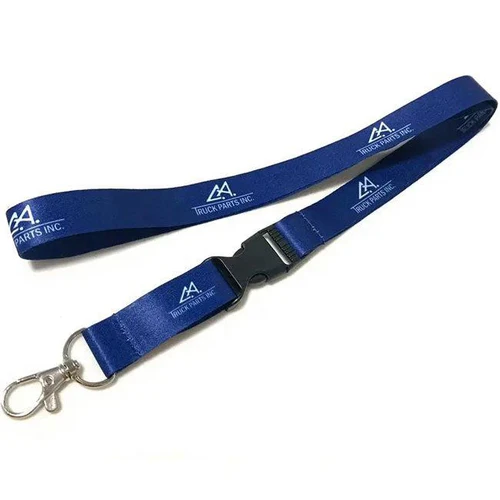
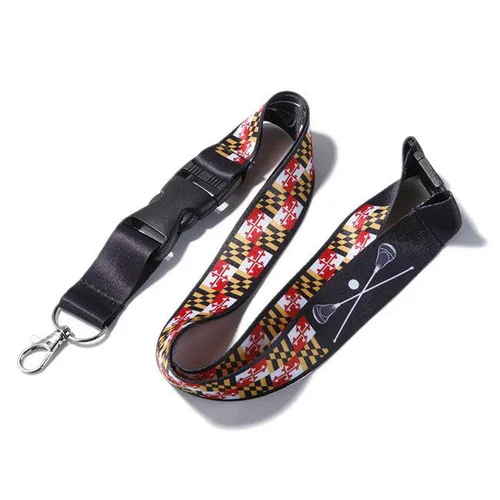
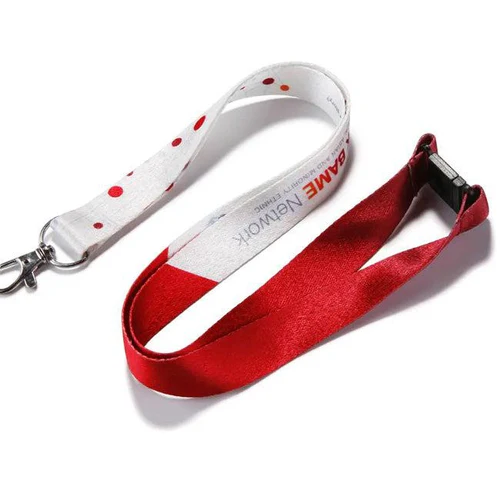
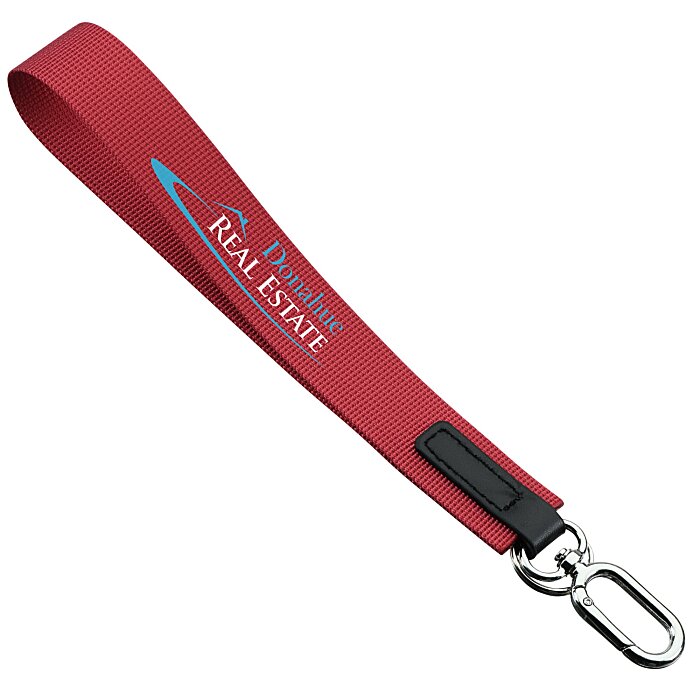
Branded lanyards are custom neck straps printed or woven with a company logo, slogan, event name, or visual identity. Businesses use them to hold ID badges, access cards, keys, and credentials while reinforcing brand visibility in offices, conferences, campuses, and public venues.
The short answer is simple: polyester is usually the better all-around choice for cost, print versatility, and bulk orders, while nylon is often the better premium choice when you want a smoother finish and sharper-looking artwork. The better material depends on how, where, and how often the lanyard will be used.
Table of Contents
- What Makes Nylon and Polyester Different
- The Quick Answer for Most Buyers
- Nylon vs. Polyester Comparison Table
- How Each Material Performs for Branding
- Best Use Cases by Industry and Event Type
- Cost, Quality, and Long-Term Value
- Common Buying Mistakes and Material Risks
- How to Choose the Right Branded Lanyards
- What We Have Seen at Best Patches
- Final Verdict and Next Steps
What Makes Nylon and Polyester Different
Nylon and polyester may look similar at a glance, but they create very different outcomes once logos, attachment hardware, and repeated use enter the picture. Nylon is known for its soft hand feel, slight sheen, and smooth surface. That smoothness often helps graphics appear crisp, especially when a premium look is important. Polyester, by contrast, is more commonly used in promotional products because it is dependable, cost-effective, and flexible across multiple printing methods.
In practical terms, nylon often feels more upscale in the hand. Polyester usually wins on budget, scalability, and broad availability. If you are ordering for a major conference, a school district, or a security team, polyester often makes procurement easier. If you are building executive welcome kits or polished retail staff accessories, nylon may justify the added spend.
“The best lanyard material is rarely the one with the nicest sample photo. It is the one that still looks good after sweat, friction, repeated badge swipes, and a hundred workdays.”
The Quick Answer for Most Buyers
For most organizations in 2026, polyester branded lanyards are the better choice. They offer a strong mix of affordability, durability, color retention, and compatibility with screen printing, heat transfer, and woven styles. They are especially effective for large-volume programs where consistency matters.
Nylon is better when your priorities are tactile quality, a slightly more refined finish, and a cleaner visual presentation for simple or bold logo treatments. It is not automatically better; it is better for specific goals.
- Choose polyester for bulk orders, school IDs, trade shows, nonprofit events, and standard employee badges.
- Choose nylon for premium staff kits, polished hospitality branding, upscale corporate environments, and situations where feel matters.
- Choose based on print method, because some logo styles simply perform better on one material than the other.
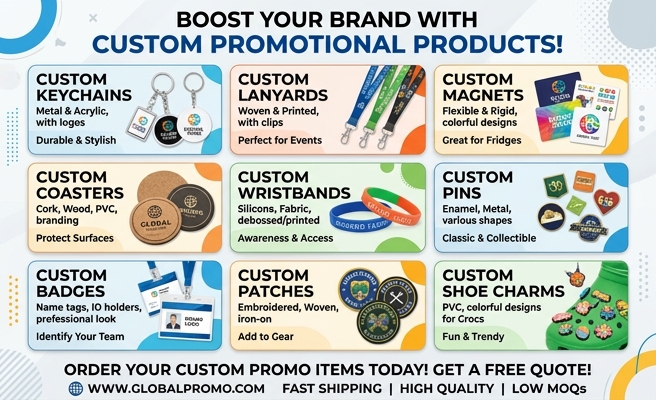
Nylon vs. Polyester Comparison Table
| Factor | Nylon Lanyards | Polyester Lanyards | Best Business Fit |
|---|---|---|---|
| Surface Feel | Smooth, soft, slightly glossy | Textured to medium-smooth, depending on weave | Nylon for premium branding; polyester for everyday utility |
| Print Appearance | Clean for bold logos and simple layouts | Strong with screen print, dye-sublimation, and woven options | Polyester for design flexibility across campaigns |
| Cost Range | Usually higher per unit | Usually lower and easier to source in bulk | Polyester for large events and procurement-controlled budgets |
| Daily Durability | Good, but finish can matter by use intensity | Very dependable for repeated office and event use | Polyester for schools, hospitals, warehouses, and conferences |
| Brand Perception | More premium feel | More practical and versatile | Nylon for hospitality and executive kits; polyester for scale |
How Each Material Performs for Branding
Logo clarity and visual impact
Your logo does not live in a vacuum. It is affected by fabric texture, print method, color absorption, and movement during wear. Nylon’s smoother face can make simple logos look cleaner, especially in one- or two-color prints. Polyester is often better when brands need more complex color work, edge-to-edge effects, or all-over artwork through dye-sublimation.
According to the Promotional Products Association International 2024 consumer research, usefulness remains one of the biggest drivers of promotional product retention. That matters because a lanyard that is actually worn creates repeat brand impressions. A slightly prettier material that gets left in a drawer is a weak branding investment.
Color performance and finish
Polyester tends to be the safer route when vibrant multi-color graphics are essential. It supports a wide range of production styles and can deliver consistent results across larger runs. Nylon often looks excellent with cleaner, simpler branding, but buyers should confirm artwork compatibility before production.
Pro Tip: If your brand standards require exact PMS matching, ask for a pre-production proof and a physical sample when the order is mission-critical. Digital mockups can hide how thread, sheen, and print density affect the final look.
Comfort for all-day wear
Comfort sounds secondary until people wear lanyards for eight to twelve hours. Nylon often feels softer against the skin, which can matter in hospitality, education, and corporate environments. Polyester is still comfortable in most standard widths, but the overall experience depends on weave quality, edge finish, and hardware weight.
Best Use Cases by Industry and Event Type
When polyester is the smarter choice
Polyester is often the workhorse material. It is a smart fit for:
- Trade show badge holders with high-volume attendee counts
- School and university ID programs
- Hospital staff and visitor credential systems
- Municipal departments and security teams
- Nonprofit fundraising events with strict budgets
These use cases prioritize quantity, consistency, and cost control. In these environments, polyester usually wins without much debate.
When nylon makes more sense
Nylon is a better fit when touch and presentation help signal quality. We recommend it more often for:
- Hotel and resort staff accessories
- Executive onboarding kits
- Retail teams with polished in-person brand standards
- Premium sponsor credentials
- VIP event access programs
In these situations, the lanyard is part of a visible brand system. The better feel can support a more elevated impression.
“If the lanyard will be photographed, worn in client-facing spaces, or handed to VIP guests, material choice stops being a procurement detail and becomes a branding decision.”
Cost, Quality, and Long-Term Value
Price per unit matters, but replacement frequency, user adoption, and visual lifespan matter too. A low-cost lanyard that frays early or prints poorly can cost more in reorders and brand damage. Polyester usually offers the strongest value equation because it balances acceptable feel, strong print adaptability, and lower bulk pricing.
In 2025, Deloitte reporting on consumer and operational pressures highlighted how organizations continue to seek products that balance cost efficiency with perceived quality. That pattern is highly relevant in promotional sourcing. Buyers are not just looking for the cheapest SKU. They want fewer complaints, longer wear, and stronger event presentation without blowing the budget.
Nylon can still produce better value when your order size is smaller and each impression carries more weight. For example, premium hospitality teams may wear the same branded lanyards daily for months. If that visual detail supports guest perception, the higher unit cost can be justified.
What drives actual lanyard cost
Material is only one line item. Your final price is also shaped by:
- Order quantity
- Lanyard width and length
- Attachment hardware such as swivel hooks or badge clips
- Safety breakaway features
- Print method and color complexity
- Rush production timelines
- Packaging requirements for events or kits
Common Buying Mistakes and Material Risks
Choosing based only on sample feel
One of the most common mistakes is touching two samples and choosing the softer one without thinking about use conditions. A nice hand feel does not guarantee the best performance for crowded events, outdoor heat, badge friction, or repeated laundering.
Ignoring print method compatibility
Not every logo style belongs on every fabric. Buyers with gradients, photographic elements, or dense design systems often do better with polyester-based production methods. Simpler marks may look great on nylon. The material decision should follow the artwork, not the other way around.
Overlooking compliance and safety
For schools, factories, hospitals, and public venues, breakaway safety features can be just as important as material. According to the Occupational Safety and Health Administration guidance on workplace hazards, wearable items in certain environments should be assessed for snag and entanglement risk. That means a beautifully printed lanyard is still the wrong choice if it fails workplace safety needs.
Forgetting the user experience
Heavier hardware, rough edges, and poor stitching can ruin the experience regardless of fabric. Ask how the lanyard will feel after a full shift, not just how it looks in a catalog image.
Pro Tip: If your team will wear lanyards every day, request a test run of 25 to 50 units before committing to a full enterprise order. A one-week field test usually reveals more than a polished sales sheet.
How to Choose the Right Branded Lanyards
If you want a practical buying framework, use this process before placing an order:
- Define the use case. Is this for a one-day event, daily employee wear, VIP access, or student IDs?
- Review the artwork. Simple bold logos may suit nylon; full-color or complex graphics often favor polyester production options.
- Set the budget range. Decide whether you are optimizing for lowest cost, best feel, or the best middle ground.
- Choose hardware carefully. Badge reels, clips, buckles, and breakaways affect comfort and safety.
- Request a proof or sample. This is essential for color-sensitive brands or large runs.
- Test for real wear. Have staff wear the sample in actual conditions before final approval.
This method reduces expensive second-guessing and helps align the purchase with both operational and branding goals.
What We Have Seen at Best Patches
I once worked with a regional conference organizer that initially wanted nylon because the sample felt better in the hand. On paper, that sounded right. But after we reviewed the event setup, the decision changed. They needed 4,000 lanyards, full-color sponsor logos, fast production, and durable badge support over three crowded days. We recommended polyester instead. The final result held up better under friction, printed more consistently across sponsor artwork, and kept the order inside budget.
In another project, I helped a boutique hotel group refine staff accessories for guest-facing teams. They had already tried low-cost polyester lanyards from another supplier and felt the overall presentation looked too generic for their brand. For that rollout, we moved them toward a nylon-based solution with cleaner logo placement and upgraded hardware. The difference was immediate. Managers said the lanyards looked more polished with uniforms and felt better during long shifts. That order was not about reducing cost. It was about matching the tactile experience to the guest experience.
These two projects point to the same truth: there is no universal winner unless you define the job first. At Best Patches, the best material decision almost always comes from aligning wear conditions, artwork, budget, and brand perception.
Final Verdict and Next Steps
If you want the clearest answer, polyester is the better material for most branded lanyards because it delivers the strongest combination of affordability, scalability, durability, and print flexibility. Nylon is the better option when a softer feel and more premium presentation are central to the buying decision.
The right choice is not about which material is more popular. It is about which material fits your logo, your users, and your environment.
Best Patches recommends these next steps:
- Audit your lanyard use case before choosing material, especially if the items will be worn daily.
- Match the material to the artwork and print method instead of selecting by feel alone.
- Request a pre-production sample for any large or brand-sensitive order.
References
- Promotional Products Association International, 2024 research: Provided context on promotional product usefulness and retention, which supports the branding value of practical lanyards.
- Deloitte, 2025 consumer and operations reporting: Helped frame how buyers balance cost efficiency with perceived quality in procurement decisions.
- Occupational Safety and Health Administration guidance: Informed the discussion around wearable safety considerations such as breakaway features and workplace risk.
FAQ
Which is better for branded lanyards, nylon or polyester?
-
For most organizations, polyester is the better all-around option because it is cost-effective, durable, and flexible for different print styles. Nylon is often better when you want a softer texture and a more premium presentation.
Are polyester branded lanyards durable enough for daily use?
-
Yes. High-quality polyester lanyards are commonly used for employee IDs, school badges, conferences, and hospital credentials. They hold up well when paired with solid stitching and appropriate hardware.
Do nylon lanyards print better than polyester?
-
Not always. Nylon can look excellent with simple, bold logos because of its smooth surface. Polyester often performs better for full-color, detailed, or dye-sublimated designs. The best material depends on the artwork and production method.
Are branded lanyards still effective for marketing in 2026?
-
Yes. They remain useful because they combine function with repeated brand exposure. At events, campuses, offices, and secure facilities, lanyards stay visible for hours at a time, which makes them one of the more practical promotional items.
What features should I add besides the material?
-
Look beyond fabric alone. Important features often include:
Breakaway safety clasp
Detachable buckle for convenience
Swivel hook or badge clip matched to your credential type
Width that balances comfort with logo visibility