 Promotional Products







Introduction
Ordering branded lanyards sounds simple until the quote arrives and the price varies wildly from one supplier to another. Businesses often expect a low-cost promotional item, then run into setup fees, attachment upgrades, rush charges, and material differences that change the total fast. If you are planning for events, staff IDs, school programs, or retail resale, cost control starts with understanding what really drives pricing.
That is where Best Patches stands out. As a custom branding partner serving businesses that care about both presentation and budget, Best Patches helps buyers compare material, print method, accessory options, and order volume so they do not overpay for features they do not need or underbuy for high-visibility use cases.
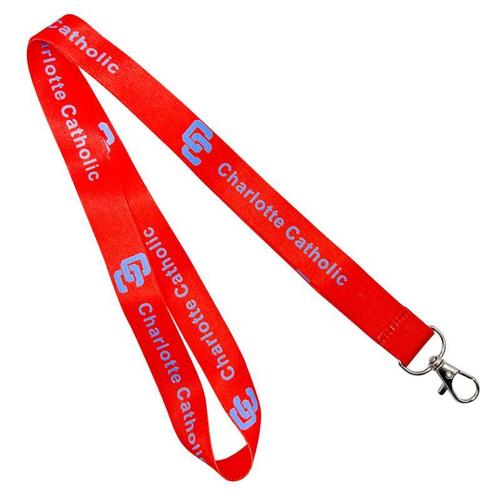
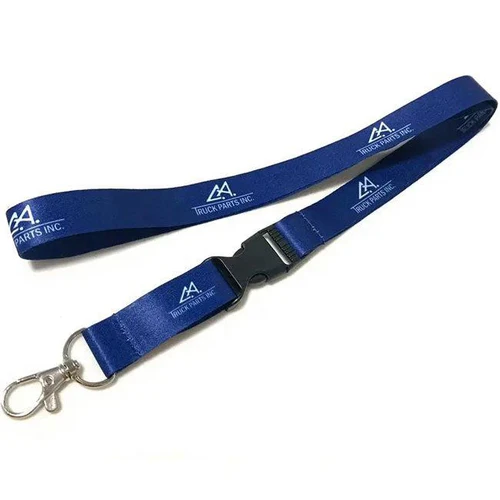
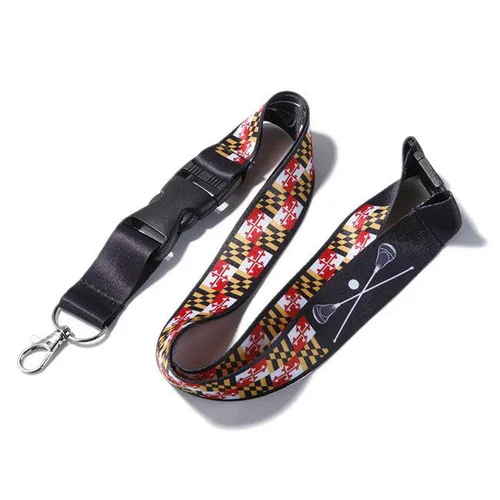
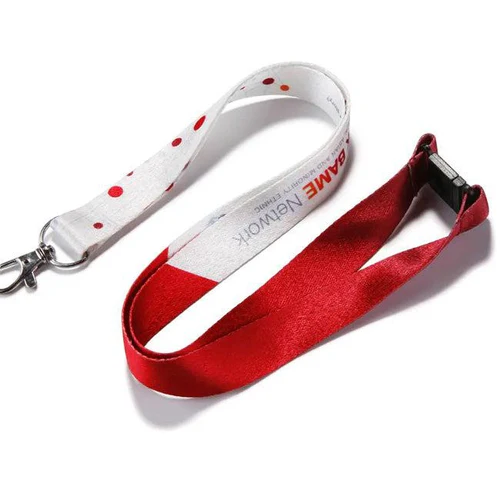
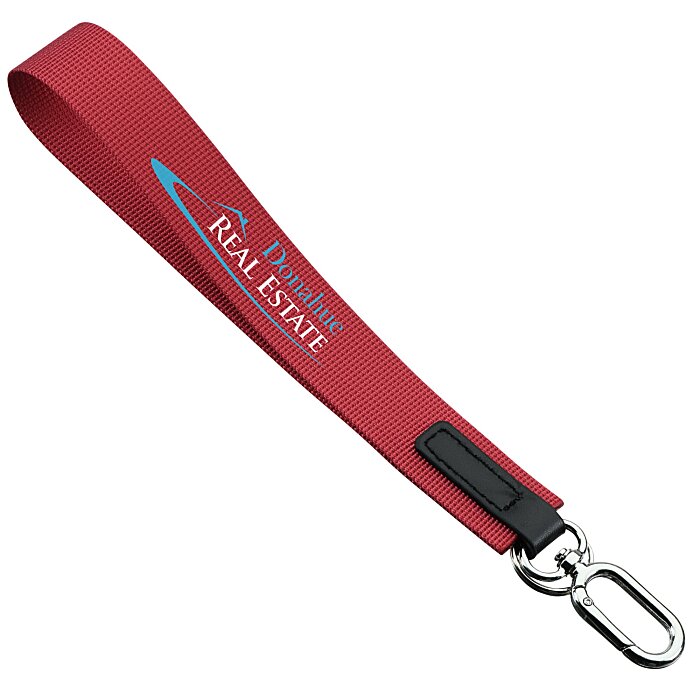
Branded lanyards are customized neck straps or badge holders that display a company name, logo, slogan, or event identity. Businesses use them for employee identification, trade shows, security access, campus programs, and merchandise. Their cost depends on materials, printing method, hardware, quantity, and fulfillment speed.
For most organizations, the smartest purchase is not the cheapest unit price. It is the option that balances durability, readability, brand impact, and total landed cost.
Table of Contents
- What Affects the Cost of Branded Lanyards
- Typical Price Ranges for Business Orders
- Material Choices and Their Budget Impact
- Printing Methods and Setup Costs
- Hidden Fees Buyers Often Miss
- Cost Comparison by Business Scenario
- What We Learned at Best Patches
- How to Lower Costs Without Looking Cheap
- Risks, Limitations, and Buying Mistakes
- Best Next Steps for Buyers
What Affects the Cost of Branded Lanyards
The biggest pricing mistake buyers make is treating all lanyards as the same product. They are not. Two items may look similar in a thumbnail image, yet one is built for a one-day conference while the other is designed for daily employee use over many months.
The main cost drivers include:
- Material: polyester, nylon, tubular, woven, satin, bamboo fiber, and recycled PET all price differently
- Printing method: screen print, dye sublimation, woven text, heat transfer, or jacquard construction
- Width and length: wider straps use more material and may need different print alignment
- Attachments: split rings, bulldog clips, lobster claws, badge reels, and safety breakaways add cost
- Quantity: higher volume usually lowers per-unit cost but increases total cash outlay
- Color complexity: multiple logo colors and edge-to-edge designs can increase setup and production time
- Packaging and shipping: individual polybags, kitting, and international freight can move the final bill significantly
- Lead time: rush production almost always costs more
According to the Promotional Products Association International 2024 consumer research, useful promotional products tend to retain attention longer than disposable print pieces, which helps explain why businesses keep investing in wearable utility items like lanyards. The usefulness factor matters because it shifts the buying question from “What is the lowest price?” to “What will people actually wear and keep?”
“A lanyard is a tiny brand surface with outsized repetition. If it is worn every day, the cost per impression can become extremely efficient.”
Typical Price Ranges for Business Orders
Most business orders fall into a predictable range, but those ranges only make sense when tied to specifications. For a basic custom polyester lanyard with a standard metal hook and one-color print, many mid-volume orders land around $0.60 to $1.50 per piece. Premium finishes, recycled materials, woven construction, detachable buckles, or complex full-color art can raise that to $1.75 to $4.00 or more per piece.
Small runs are where many buyers get surprised. If you need only 50 to 100 pieces, the unit price can jump because setup, proofing, and machine preparation are spread across fewer items. A large order of 2,500 pieces may deliver a lower per-unit figure even when the overall specification is better.
- Define the use case first: event giveaway, employee ID, school security, or retail merchandise.
- Choose the minimum acceptable durability.
- Select only the hardware needed for real-world use.
- Compare landed cost, not just unit price.
- Ask for proofs and attachment samples before approving volume production.
As a rough planning guide, here is how many companies budget:
- Short-term event use: prioritize affordability and readable branding
- Daily workplace use: prioritize comfort, safety breakaways, and print durability
- Retail or fan merchandise: prioritize feel, design quality, and premium attachment choices
Material Choices and Their Budget Impact
Material is one of the clearest levers in lanyard pricing. It affects cost, print quality, comfort, and perceived brand value all at once.
Polyester
Polyester is the standard option for most branded lanyards because it balances price and performance. It supports strong print visibility, works well for event programs and employee credentials, and usually provides the best value at scale.
Nylon
Nylon often costs more than polyester, but it offers a smoother, shinier finish. That makes logos pop, especially with clean corporate marks. For brands that want a more polished look, nylon can justify the premium.
Tubular
Tubular lanyards are often budget-friendly and comfortable. They are common for simple one-color designs, especially for nonprofits, schools, and local event organizers.
Woven and Jacquard
Woven lanyards typically cost more because the design is built into the strap rather than printed on top. They can look upscale and wear well over time, but very detailed logos may lose clarity compared with dye-sublimated designs.
Eco Materials
Recycled PET, bamboo fiber, and other sustainability-forward materials often come at a modest premium. Still, many brands accept that premium because procurement goals increasingly include environmental standards. A 2024 Deloitte sustainability survey found that executives continue to face pressure to show measurable progress on sustainable sourcing, and branded accessories are one visible place to do it.
Printing Methods and Setup Costs
Print method affects both aesthetics and economics. A cheap material with the right print process can outperform a premium material with the wrong one.
Screen Printing
Screen printing is widely used for simple logos and limited color counts. It can be cost-effective for straightforward branding, but each color may add setup complexity. For basic text and clean logos, it remains a strong budget option.
Dye Sublimation
Dye sublimation is ideal for full-color artwork, gradients, and edge-to-edge designs. It may cost a bit more than basic one-color printing, but it often becomes the better value when the design is complex because it avoids some of the layering limitations of screen printing.
Woven Text and Logos
Woven production creates durability and texture, but setup can be more specialized. This works best for simple lettering, institutional branding, and clients who want a tactile finish rather than a photographic one.
According to a 2024 report by ASI, end buyers continue to prioritize products that combine utility with visible branding. That trend benefits lanyards, but it also raises buyer expectations: print quality is no longer optional if the item will be worn in public-facing settings.
“The print method should match the logo, not the other way around. A low-cost print choice can become expensive if the finished product weakens brand perception.”
Hidden Fees Buyers Often Miss
This is where many budgets break down. Suppliers may advertise an attractive base rate, but your actual invoice can climb after accessories, proofs, and fulfillment details are added.
Common hidden or underdiscussed costs include:
- Artwork cleanup fees for low-resolution or improperly formatted logo files
- Mold or setup fees for special attachments or custom fittings
- Safety breakaway upgrades for workplace and school compliance
- Detachable buckle charges for convenience features
- Individual packaging for retail, kits, or event distribution
- Freight surcharges on rush shipments or overseas deliveries
- Tariff exposure depending on sourcing region and timing
- Reorder inconsistency if exact materials are unavailable later
For larger businesses, the procurement cost is not just what the supplier charges. It is also the internal labor spent reviewing proofs, managing approvals, receiving shipments, and dealing with production errors. Cheap sourcing becomes expensive when the process is messy.
Cost Comparison by Business Scenario
The best lanyard option depends on where and how it will be used. A startup at a trade show has different needs than a hospital, university, or apparel brand.
| Business Type | Typical Lanyard Spec | Estimated Unit Cost | Best Buying Priority |
|---|---|---|---|
| Trade Show Software Company | Polyester, full-color dye sublimation, swivel hook | $0.90-$1.60 | Logo visibility and fast turnaround |
| Private School | Tubular or polyester, one-color print, safety breakaway | $0.75-$1.40 | Safety and easy badge use |
| Hospital System | Nylon or polyester, breakaway, detachable buckle, badge reel | $1.80-$3.40 | Daily durability and compliance |
| University Bookstore | Woven or premium sublimated fan design, keyring attachment | $1.50-$3.20 | Retail appeal and school spirit |
| Manufacturing Company | Polyester, simple print, breakaway, metal clip | $0.85-$1.70 | Employee identification and wear resistance |
These ranges are not universal quotes, but they reflect realistic market behavior for business-grade orders. The real lesson is that a “cheap” lanyard for one use case may be a poor-value purchase for another.
What We Learned at Best Patches
I worked with a regional events company that initially wanted the lowest possible price on branded lanyards for a three-city conference series. Their first plan was a narrow tubular strap with one-color print. On paper, it looked efficient. In practice, the event sponsor logos were too small to read, and the lanyard did not support the premium look they promised exhibitors.
At Best Patches, we recommended shifting to a slightly wider polyester lanyard with dye sublimation and a standard swivel hook. The unit cost rose by a small margin, but sponsor satisfaction improved because branding became visible in photos and on the show floor. The client later told us the better lanyard helped support sponsorship renewals, which made the higher spec the cheaper business decision overall.
I also remember a school client focused almost entirely on price. They were replacing worn staff ID lanyards and wanted to stretch a tight budget. We reviewed daily use patterns and saw that breakaways were essential for safety, but detachable buckles were not. By removing the unnecessary buckle while keeping the breakaway and choosing a practical polyester strap, Best Patches cut avoidable cost without compromising function. That project reinforced a simple truth: cost savings come from removing the wrong features, not the important ones.
How to Lower Costs Without Looking Cheap
You do not need to choose between affordability and brand quality. Most cost savings come from smarter specification, not from sacrificing visual impact.
Standardize Hardware
Using one attachment style across departments or events simplifies reorders and often reduces pricing complexity.
Increase Volume Strategically
If your brand uses lanyards year-round, combining event orders or annual staff orders can improve unit economics. Just make sure branding will not change before the inventory is used.
Use Better Artwork Upfront
Vector files reduce revision cycles and cleanup fees. They also improve final print sharpness, which protects brand appearance.
Avoid Overengineering
Many buyers add premium upgrades because they sound useful, not because they are necessary. Evaluate every accessory against a real use case.
Match Product to Audience
A giveaway lanyard does not need the same build as a daily credential for a nurse, teacher, or factory employee. Spend where the wear cycle is longest.
Risks, Limitations, and Buying Mistakes
Branded lanyards are practical, but they are not perfect for every objective. If the item is uncomfortable, too wide, too stiff, or visually cluttered, people may not wear it. That reduces your return on spend immediately.
There are also compliance and operational concerns. Schools, healthcare systems, and industrial sites may require safety breakaways or specific badge configurations. If those are missed during ordering, the entire batch can become unusable.
Another limitation is branding complexity. Some logos with tiny text or subtle color transitions simply do not translate well at lanyard scale. Businesses that force highly detailed art onto a narrow strap often end up with muddy execution.
Finally, sustainability claims require scrutiny. If eco-positioning matters to your brand, ask what the recycled content actually is and whether the supplier can document it. Green marketing without procurement verification creates reputational risk.
Best Next Steps for Buyers
The cost of branded lanyards is never just about the base price. It is shaped by material, print quality, attachments, order size, and operational needs. The best buyers define the use case first, compare landed cost instead of teaser pricing, and avoid paying for features that do not improve real-world performance.
Best Patches recommends three practical next steps:
- Audit your use case: separate event, employee, school, and retail needs before requesting quotes.
- Request an itemized estimate: ask suppliers to break out material, print, hardware, packaging, and shipping.
- Test one approved sample: verify comfort, logo clarity, and attachment function before committing to bulk production.
References
- Promotional Products Association International, 2024 consumer research — provided context on the staying power and utility value of promotional items.
- Advertising Specialty Institute, 2024 industry reporting — supported the market emphasis on useful branded merchandise with visible identity value.
- Deloitte, 2024 sustainability survey — informed the discussion around procurement pressure and the premium attached to sustainable material choices.
FAQ
How much do branded lanyards usually cost for businesses?
For most business orders, basic custom lanyards run around $0.60 to $1.50 each, while premium options with better materials, full-color printing, breakaways, or detachable buckles often land between $1.75 and $4.00+ per piece. Small orders usually cost more per unit than bulk orders.
What affects the price of branded lanyards the most?
The biggest factors are usually:
Material choice such as polyester, nylon, or recycled PET
Printing method such as screen print or dye sublimation
Attachments like breakaways, badge reels, or detachable buckles
Order quantity and shipping speed
Are polyester branded lanyards better than nylon for most companies?
Usually, yes. Polyester is the go-to choice for many companies because it offers a solid mix of affordability, print clarity, and durability. Nylon can look more polished, but it often costs more, so it makes the most sense when premium presentation is a priority.
Do branded lanyards have minimum order quantities?
Most suppliers do set minimums, especially for custom production. Common MOQs range from 50 to 100 units, though some vendors offer smaller runs at a higher unit price. Large-volume orders usually provide the best value.
What is the best print method for branded lanyards with detailed logos?
For detailed logos, gradients, or full-color artwork, dye sublimation is usually the best choice. It handles complex designs better than basic screen printing and often creates a cleaner final look on wider lanyards.
Can businesses reduce lanyard costs without hurting quality?
Yes. The best ways to save money are usually:
Choosing polyester instead of higher-cost materials
Removing accessories that are not actually needed
Submitting clean vector artwork to avoid setup fees
Combining orders to increase volume pricing