 Promotional Products








Introduction
If you are sourcing branded lanyards for a conference, nonprofit fundraiser, campus program, or trade show, the pressure is higher than it used to be. Attendees notice waste. Sponsors ask harder questions about materials. Procurement teams want costs under control without creating a pile of plastic that ends up in the trash by the end of the day.
That is exactly where sustainable product selection matters. Best Patches has worked with organizations that wanted event merchandise to do more than carry a logo. They wanted their lanyards to support brand credibility, reduce unnecessary waste, and still look polished enough for VIP badges, exhibitor access, and staff uniforms.
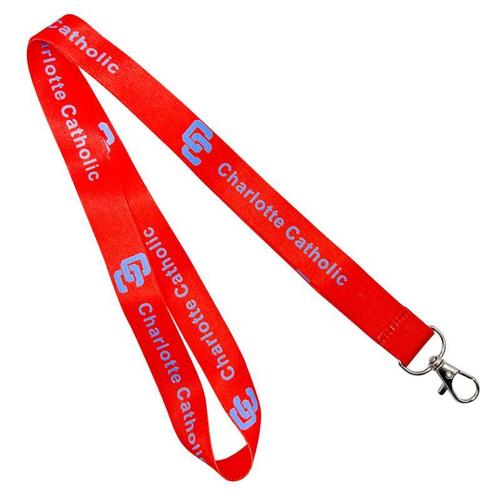
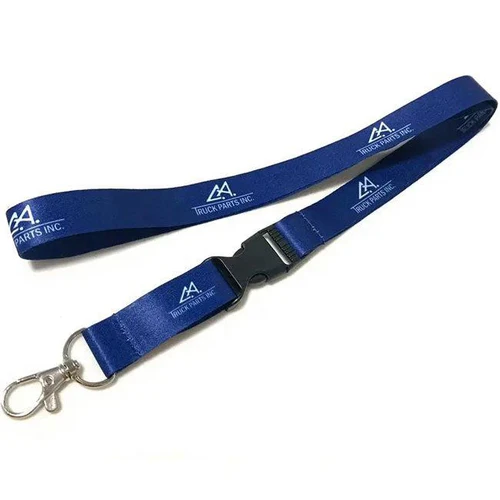
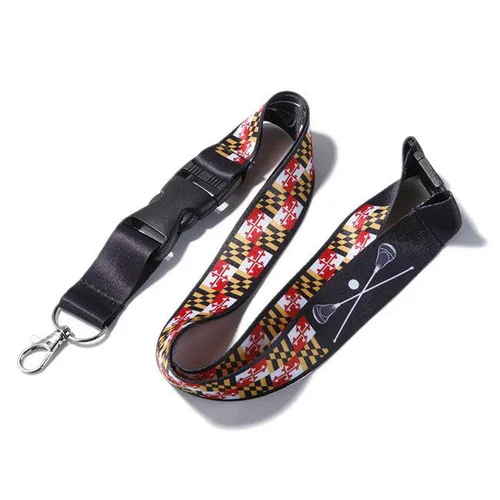
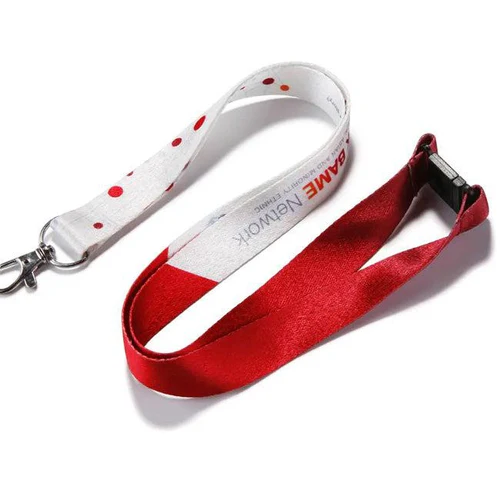
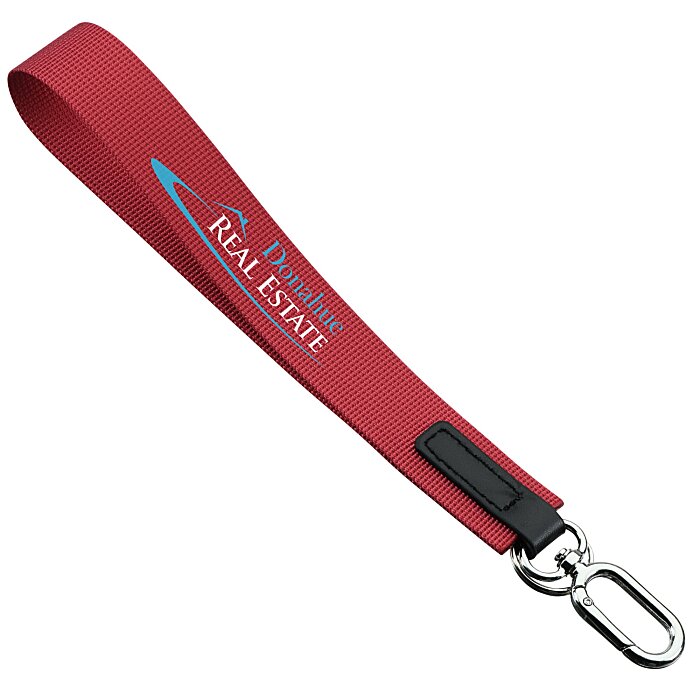
Branded lanyards are customized neck straps used to hold ID cards, badges, keys, or passes while displaying a company, school, or event logo. Eco-friendly branded lanyards use lower-impact materials, cleaner production choices, or reusable designs to reduce environmental harm without sacrificing function.
The smart move in 2026 is not choosing the “greenest sounding” option. It is choosing the material, print method, attachment style, and order quantity that fit your actual event goals. That is where many teams either save money and build trust, or overspend on a sustainability claim that does not hold up under scrutiny.
Table of Contents
- Why sustainable lanyards matter more in 2026
- Best eco-friendly materials for branded lanyards
- How the top options compare for real events
- Design choices that improve both branding and sustainability
- Cost, MOQ, and procurement realities
- What worked for our clients at Best Patches
- Risks, tradeoffs, and greenwashing concerns
- How to choose the right lanyard for your next event
- Future trends shaping sustainable event merchandise
Why sustainable lanyards matter more in 2026
Event buyers are no longer judged only on price and delivery speed. They are judged on whether the products they choose align with the values their brands talk about on stage, in campaigns, and in ESG reports. A recyclable booth display paired with cheap virgin-polyester lanyards sends a mixed message.
According to the Global Sustainability Study published by Simon-Kucher in 2024, a significant share of consumers say sustainability influences purchasing decisions, even when cost remains a major factor. That same tension shows up in events: people want practical, attractive products, but they also expect less waste and better material transparency.
On the business side, event budgets are being scrutinized more closely. A 2024 Deloitte report on consumer and enterprise sustainability behavior noted that organizations are under pressure to show measurable environmental progress, not just make broad claims. For event teams, that means your giveaway table has become part of your reputation management.
There is also a simple user-experience argument. Better-made branded lanyards are more likely to be reused at offices, schools, hospitals, warehouses, and future events. Reuse is often more meaningful than a weak “eco” claim on a product that breaks after one day.
“The best sustainable promo item is the one people keep using. Material choice matters, but long-term utility matters just as much.”
Best eco-friendly materials for branded lanyards
Not all sustainable lanyards are equal. Some reduce virgin plastic use. Some rely on renewable fibers. Others improve recyclability or compostability under specific conditions. Here are the main options worth serious consideration.
Recycled PET lanyards
Recycled PET, often made from post-consumer plastic bottles, remains one of the most practical choices for large events. It offers good print quality, strong color retention, and a soft hand feel that is familiar to attendees. For brands that need thousands of units quickly, rPET tends to balance sustainability messaging with operational reliability.
The limitation is that rPET is still plastic. It may reduce virgin material demand, but it does not automatically solve end-of-life issues unless your event also supports collection and reuse.
Bamboo fiber lanyards
Bamboo-based lanyards appeal to brands that want a more natural look and feel. They often present well for wellness events, education programs, and eco-conscious nonprofits. The texture is slightly different from polyester, and the finish can feel more organic and less glossy.
Still, buyers should ask how the bamboo fiber is processed and blended. Some “bamboo” textiles are heavily engineered and may include synthetic components, which changes the sustainability profile.
Organic cotton lanyards
Organic cotton works well when comfort is a priority. It is often a strong fit for multi-day wear, volunteer teams, and school communities. The branding style tends to feel understated and premium rather than flashy.
The tradeoff is print sharpness and stain resistance. Cotton can show wear faster than synthetic blends, especially in rainy or high-friction environments.
Cork and cork-blend lanyards
Cork lanyards stand out visually and instantly communicate an eco-forward message. They suit boutique events, creative festivals, and premium brand activations where uniqueness matters. They are less common, which can help a brand feel more intentional.
The downside is cost and availability. Lead times may be longer, and not every supplier can deliver consistent quality at scale.
Seed-infused or biodegradable options
These products attract attention because they feel innovative. In niche campaigns, they can work well as a conversation starter. However, this category requires extra caution. “Biodegradable” can mean very different things depending on industrial composting access, additives, and actual disposal conditions.
For most mainstream events, these options are better treated as specialty products than default choices.
How the top options compare for real events
A sustainable lanyard decision should be based on use case, not trends. This table shows how common materials perform in real business settings.
| Material | Best Event Use | Main Advantage | Main Limitation |
|---|---|---|---|
| Recycled PET | Trade shows, conventions, expos | Scalable, durable, strong logo printing | Still plastic-based |
| Organic Cotton | Schools, nonprofits, volunteer programs | Comfortable, natural feel, credible eco story | Can absorb moisture and wear faster |
| Bamboo Fiber | Wellness events, campus programs, green expos | Soft texture, good sustainability perception | Fiber blends may reduce purity of claim |
| Cork Blend | Premium activations, boutique conferences | Distinctive appearance, high perceived value | Higher price and narrower supplier base |
| Biodegradable Specialty Material | Short campaigns with strong sustainability education | Memorable concept and story potential | Often misunderstood disposal requirements |
Design choices that improve both branding and sustainability
A greener material can be undermined by poor design choices. The smartest branded lanyards are built for longer use, cleaner communication, and lower waste.
Choose a design people will actually reuse
If your lanyard screams “Annual Sales Summit 2026” in huge text, most recipients will toss it after the event. If it includes subtle branding, strong color contrast, and a clean pattern, users are more likely to keep wearing it for work badges or keys.
- Use a timeless color palette instead of event-specific visual clutter
- Keep logos visible but not overpowering
- Add practical features like a safety breakaway or detachable buckle only when needed
- Use clear badge hardware that matches security requirements
- Reduce one-time inserts and excess packaging
Print methods matter
Dye-sublimation usually performs very well on rPET and gives vibrant, all-over color. Screen printing can be a good option for simpler artwork and budget-sensitive campaigns. For natural fibers, ask for print tests before approving the order, since fine details may render differently than on synthetic material.
Minimize unnecessary components
Extra clips, bulky plastic packaging, and decorative add-ons may make a product look more premium at first glance, but they can raise cost and environmental impact. A cleaner build usually travels better, costs less, and creates less disposal friction after the event.
Cost, MOQ, and procurement realities
Sustainable does not always mean expensive, but it rarely means careless. Unit price depends on material, attachment type, print complexity, lead time, and volume. Recycled PET often wins on cost-efficiency for medium and large orders, while cork or specialty biodegradable lines usually carry a premium.
According to the 2025 ASI Ad Impressions Study, promotional products deliver repeated brand exposure when they are useful and retained over time. That matters because a reusable, well-made lanyard may outperform a cheaper item that gets discarded within hours. Price per piece is only one part of the ROI equation.
Buyers should also factor in hidden costs:
- Rush production fees for late approvals
- Freight differences between domestic and overseas sourcing
- Packaging and kitting labor
- Waste from overestimating attendance
- Reorder challenges if you choose an unstable specialty material
MOQ is another practical concern. If you are ordering for a local fundraiser with 150 attendees, a premium material with a high minimum may not make financial sense. For a national conference with 8,000 badges, scalable recycled options may be the better fit.
“Procurement teams should ask two questions before approving a sustainability claim: Can we verify the material, and will the product be useful long enough to justify its footprint?”
What worked for our clients at Best Patches
I have seen this play out in real event planning cycles. One client came to Best Patches ahead of a regional healthcare conference. Their original plan was a low-cost polyester lanyard because they assumed attendees would not care. But their sponsors had already started requesting more responsible event materials, and the conference theme focused on community well-being. The mismatch was obvious.
We recommended recycled PET branded lanyards with a softer finish, simplified badge hardware, and a cleaner two-color design instead of a heavy all-over print. The result was subtle but important: the lanyards looked more professional, they held up during a three-day event, and leftover stock was reused by the client’s internal staff rather than discarded. Their team later told us sponsor feedback was noticeably stronger because the event details felt aligned.
In another project, I worked with an arts nonprofit preparing for a donor event and volunteer weekend. They initially wanted a novelty material because “biodegradable” sounded marketable. After reviewing timelines, weather conditions, and budget, we shifted to organic cotton branded lanyards with a modest logo lockup and detachable clips for volunteers who needed keys and access cards. That choice fit the tone of the event better and reduced the risk of a gimmicky product failing in use.
What these projects had in common was not a single “best” material. It was fit. Best Patches helped match the lanyard to the event, the audience, and the brand story instead of chasing the loudest sustainability label.
Risks, tradeoffs, and greenwashing concerns
Eco-friendly branded lanyards can absolutely improve your event strategy, but there are limits buyers should take seriously.
Not every claim means the same thing
Terms like recycled, biodegradable, compostable, and natural are often used loosely in the promotional products market. Ask for material specifics, certification details when available, and plain-language explanations of what the claim really means in practice.
Supply consistency can vary
Specialty materials may have color variation, longer lead times, or less predictable availability. If your event is high-stakes, test samples early and build extra time into approvals.
Function still comes first
A lanyard that frays, prints poorly, or irritates the wearer is not sustainable just because the fiber source sounds better. Product life, comfort, and reuse potential matter.
Over-ordering cancels out good intentions
One of the least discussed sustainability failures in events is quantity inflation. Teams often order far more than they need “just in case,” then dispose of outdated inventory because the event name or date is printed too prominently.
How to choose the right lanyard for your next event
The best buying process is structured, not rushed. Use this framework before requesting quotes.
Match the material to the event reality
Ask yourself whether this is a one-day public expo, a premium leadership retreat, a student orientation, or an internal operations rollout. The answer should shape the material more than trend language does.
Define success before you design
Do you want the lowest footprint story, the highest reuse rate, the cleanest brand presentation, or the most budget-stable option? You can optimize for more than one goal, but not all of them equally.
Ask suppliers the right questions
- What exactly is the material composition?
- Is the lanyard intended for short-term or repeated use?
- Which print method works best for this material?
- What attachments are necessary versus optional?
- Can leftover stock be reused for future programs?
- What is the realistic lead time with proof approval included?
If you want a simple rule, start with recycled PET for scale, organic cotton for comfort and community-focused events, bamboo for a softer natural-branding angle, and cork for premium differentiation where budget allows.
Future trends shaping sustainable event merchandise
Three shifts are likely to define the next wave of branded lanyards.
First, material transparency will become more visible in B2B buying. Clients increasingly want clear sourcing information rather than vague environmental language. Second, modular event products will gain traction. That means detachable pieces, reusable badge systems, and simpler refills instead of fully disposable kits. Third, design restraint will become a competitive advantage. Minimal, reusable branding will outperform loud, date-stamped event graphics in both sustainability and brand longevity.
According to McKinsey’s 2024 research on consumer sentiment and sustainable purchasing, interest remains strong, but buyers are more skeptical and more value-conscious than before. That is a useful reality check for event marketers. Sustainability messaging still matters, but it has to be credible, practical, and worth the spend.
Conclusion
Eco-friendly branded lanyards are not a niche upgrade anymore. They are part of how attendees, sponsors, and procurement teams judge the quality and credibility of an event. The strongest options balance material responsibility with comfort, durability, print performance, and realistic end use.
Best Patches recommends three practical next steps:
- Start by choosing the event goal first, then select the lanyard material that fits it.
- Request samples of at least two sustainable material options before approving bulk production.
- Use evergreen branding so extra inventory can be reused instead of thrown away.
References
- Simon-Kucher Global Sustainability Study 2024 — Provided insight into how sustainability influences buyer decisions alongside price sensitivity.
- Deloitte 2024 sustainability and consumer behavior research — Helped frame the business pressure on organizations to show measurable environmental action.
- ASI Ad Impressions Study 2025 — Supported the point that useful promotional products can deliver long-term brand exposure.
- McKinsey 2024 consumer sentiment research — Added context on growing buyer skepticism and value-driven sustainable purchasing.
FAQ
What are branded lanyards used for at events?
Branded lanyards are commonly used to hold badges, ID cards, keys, and access passes while keeping a company or event logo visible. They are popular at trade shows, schools, healthcare conferences, festivals, and staff-only programs because they combine security, organization, and brand exposure.
What is the most eco-friendly material for branded lanyards?
There is no single best answer for every event. Recycled PET is often the most practical large-scale option, organic cotton is strong for comfort and community-focused use, and cork or bamboo can work well for premium or natural-branding goals. The right choice depends on budget, event type, durability needs, and whether the lanyard is likely to be reused.
Are eco-friendly branded lanyards more expensive?
Sometimes, but not always. Recycled PET can be very cost-competitive in bulk. Organic cotton, bamboo, and cork often cost more, especially in smaller quantities or with specialty hardware. A better question is total value: if the lanyard lasts longer and gets reused, it may deliver better ROI than a cheaper disposable option.
How do I avoid greenwashing when buying sustainable lanyards?
Ask direct questions about material composition, recycled content, production method, and expected product lifespan. Be cautious with vague labels like “green” or “eco” unless the supplier can explain the claim clearly. Also check whether the product is reusable and whether your branding design makes leftover stock usable after the event.
What print method works best for branded lanyards?
Dye-sublimation is often the best choice for recycled PET because it allows vivid full-color printing and strong durability. Screen printing can be a solid option for simple logos and lower budgets. For cotton, bamboo, or cork-based materials, always request a sample proof because texture can affect detail and color sharpness.
How many branded lanyards should I order for an event?
Base your quantity on confirmed attendance, staff count, VIP needs, and a modest overage for registration errors or walk-ins. Many planners add a small buffer rather than ordering far above expected turnout. If possible, use evergreen branding so extra inventory can be reused later instead of wasted.