 Promotional Products






Why Bulk Lanyard Orders Go Wrong
Ordering branded lanyards in bulk sounds straightforward: choose a strap color, upload a logo, approve a proof, and wait for delivery. In practice, small decisions about artwork, attachment hardware, materials, quantity, and timing can affect the final appearance, comfort, and usefulness of every piece.
That matters when lanyards will represent your company at a trade show, identify staff at a conference, support a school program, or serve as part of a long-term employee badge system. A low unit price does not compensate for unreadable branding, weak clips, late delivery, or hundreds of products that do not fit the event workflow.
At Best Patches, we help organizations turn brand files into wearable products that work in real settings. The most reliable results come from treating branded lanyards as part of an identity system rather than as disposable promotional merchandise.
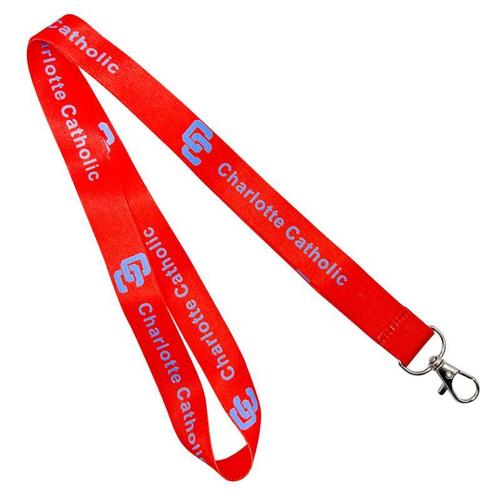
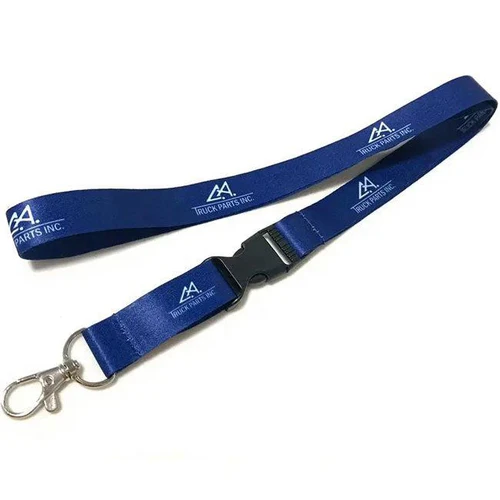
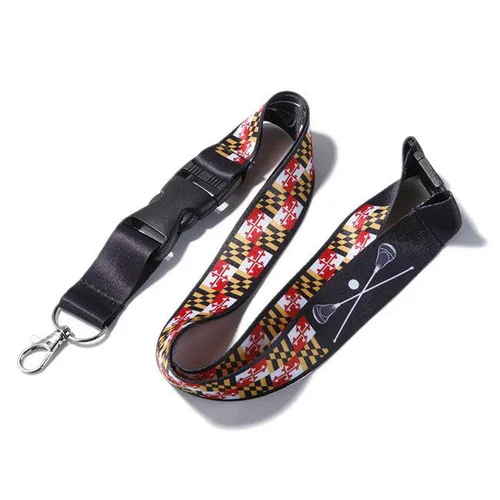
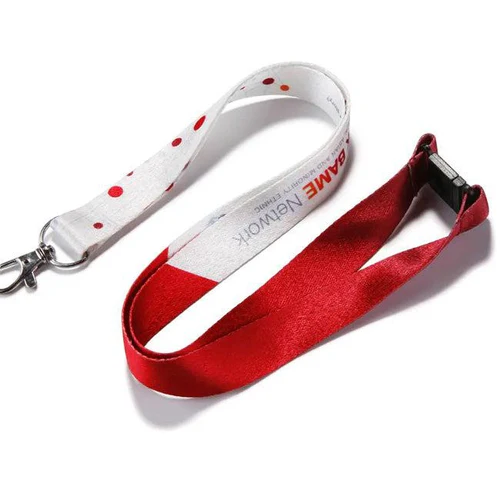
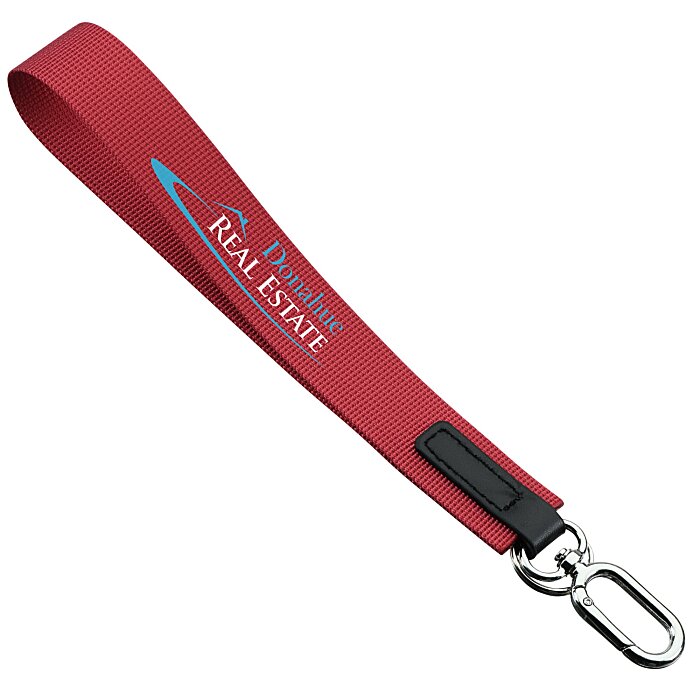
Branded lanyards are wearable straps customized with a company name, logo, colors, message, or other visual identity elements. They commonly hold ID cards, access badges, event credentials, keys, or small tools. Their value depends on both visual branding and practical performance.
Table of Contents
- Using Artwork That Is Not Production-Ready
- Choosing Material by Price Alone
- Overlooking Hardware and Safety Features
- Ordering the Wrong Quantity
- Leaving Approval and Delivery Too Late
- A Better Ordering Process
- Which Lanyard Setup Fits Your Use Case?
- How to Check a Proof Before Production
- Recommended Next Actions
- References
Using Artwork That Is Not Production-Ready
The first common mistake is sending a logo file that looks acceptable on a laptop but cannot reproduce cleanly on a narrow fabric surface. A lanyard may be only three-quarters of an inch wide, so intricate details, thin lines, small type, and low-contrast colors can disappear during production.
Why Logo Files Need Special Attention
Brand guidelines are usually designed for websites, signage, packaging, and large-format print. Lanyards create a different visual problem. The artwork repeats around the strap, may be viewed from several angles, and must remain legible when the fabric bends or twists.
Before requesting a quote, inspect these elements:
- Minimum text size for the selected strap width
- Contrast between the background and printed logo
- Spacing between repeated logos or messages
- Whether the design requires more colors than the chosen printing method supports
- Whether small icons and fine outlines will remain recognizable
- Whether the logo includes a transparent area that needs a specific background color
Vector artwork in formats such as AI, EPS, or SVG is usually easier to scale than a compressed JPEG. A high-resolution PNG may work for some processes, but it should have a transparent background and enough resolution for the supplier’s production requirements. Your vendor should confirm the accepted file formats before the order is finalized.
“The strongest lanyard designs are not necessarily the most detailed. They are the designs that preserve brand recognition at the actual size people will see.”
Best Patches production guidance
Another frequent issue is color expectation. A color displayed on a backlit monitor may not match dyed or printed fabric. If your company has strict brand colors, provide Pantone references or an approved color specification where possible. Ask whether the supplier can provide a physical sample or a digital proof that clearly identifies any color limitations.
Pro Tip: Print your proposed artwork at its actual lanyard size before approving production. If the phone number, URL, or tagline cannot be read on paper at that scale, it will not become clearer on fabric.
Choosing Material by Price Alone
The lowest quoted price can be attractive when an order involves several hundred or several thousand units. However, material affects how the lanyard feels against the neck, how sharply the colors appear, how long the print lasts, and whether the product matches the audience and event.
Common Material Tradeoffs
Polyester is widely used for promotional and event lanyards because it offers a practical balance of cost, availability, and printability. Nylon tends to have a smoother, slightly shinier surface that can make colors appear vibrant, although its finish may not suit every brand. Woven materials create a more integrated texture and can produce a premium appearance, but very fine details may require design adjustments.
Recycled polyester can support sustainability messaging, but the environmental claim should be specific. Ask what percentage of the material is recycled, whether the supplier can provide documentation, and whether the rest of the product, including hardware and packaging, aligns with the claim. A vague “eco-friendly” label is not a substitute for verifiable information.
Comfort also deserves attention. A soft, smooth strap may be suitable for a two-day conference, while a rough or overly stiff strap can become irritating during a full work shift. For schools, hospitals, factories, and security teams, the lanyard may be worn daily. In those settings, durability and comfort should carry more weight than a small difference in unit cost.
Match the Material to the Use
A trade show team may prioritize bright colors and a polished finish. A warehouse may need a washable, durable strap with a reliable badge attachment. A university may want multiple colors for departments or access levels. Each use case changes the correct material decision.
| Business Scenario | Recommended Material | Important Feature | Primary Risk |
|---|---|---|---|
| Trade show booth staff | Polyester or nylon | High-contrast repeating logo | Brand details becoming unreadable |
| Corporate employee badges | Soft polyester or woven fabric | Comfort for daily wear | Fraying and fading over time |
| School identification program | Durable polyester | Breakaway safety feature | Inappropriate hardware for younger users |
| Industrial or warehouse team | Heavy-duty polyester | Strong clip and washable finish | Attachment failure during active work |
The Promotional Products Association International has continued to emphasize product usefulness and responsible sourcing in its recent industry research. That trend is relevant here: a lanyard that is worn repeatedly can create more brand impressions than an item that is discarded after one event, but only when it remains comfortable and functional.
Overlooking Hardware and Safety Features
A lanyard is not only a strap. The attachment hardware determines how the badge hangs, how easily it can be removed, and how well the item performs under daily use. Buyers often spend considerable time reviewing colors and artwork while giving only a few seconds to the clip.
Hardware Questions to Ask
Start by identifying what the lanyard must hold. A thin plastic badge may work with a standard swivel hook. A heavier access card holder may need a stronger attachment. A key ring, phone holder, or multi-card sleeve may require a different connector altogether.
Common options include swivel hooks, bulldog clips, split rings, badge reels, plastic clips, and detachable buckles. Detachable buckles can be useful when a user needs to remove a badge without taking off the lanyard. Breakaway connectors are important in environments where a lanyard could catch on equipment, furniture, or another person.
Hardware finish also influences appearance. Silver-tone metal can look formal and neutral, while black hardware may support a modern or industrial brand style. Plastic components may reduce weight and cost, but they can feel less premium or become brittle under stress or temperature changes.
“A branded lanyard should make the user’s job easier. The attachment should match the badge, the environment, and the way people actually move through the workplace.”
Best Patches customer fitting guidance
Safety Is Part of the Specification
For schools, childcare programs, healthcare settings, and active workplaces, ask whether a breakaway design is appropriate. A breakaway feature can reduce the risk of choking or pulling injuries, but it can also separate under force when a standard fixed connection would be preferred. Neither option is universally correct.
Review the intended use with the supplier and document the decision in the purchase order. If the lanyard will be used with security credentials, also confirm that the hardware does not interfere with card access, scanning, or badge orientation.
A useful test is to attach the actual badge holder and walk through the user’s routine. Check whether the badge faces forward, whether the clip opens easily, whether the card swings excessively, and whether the strap catches on clothing. This simple test often reveals problems that a flat product photo cannot show.
Ordering the Wrong Quantity
Bulk ordering creates savings, but it also creates inventory risk. Ordering too few can lead to rush fees and inconsistent replacements. Ordering too many ties up budget in unused products and may leave you with outdated contact information, old branding, or discontinued event details.
Build a Realistic Quantity Model
Begin with the number of people who will use the lanyards, not the number of people invited to an event. Then account for replacements, late registrations, internal staff, contractors, and damaged units. A modest reserve is sensible, but the correct percentage depends on the setting.
For a fixed employee badge program, a reserve of roughly 5% to 10% may be appropriate when staffing is stable. For a public event where attendance is uncertain, the reserve may need to be higher. If the lanyard includes a date, campaign slogan, or event-specific URL, excess inventory is less reusable and should be calculated carefully.
Separate reusable branding from temporary messaging. A logo-only lanyard can support future events, onboarding, and recruiting. A lanyard that says “Annual Sales Summit 2026” has a narrower useful life but may deliver stronger event identity. The choice should reflect your distribution plan.
Do Not Assume a Larger MOQ Is Automatically Better
Manufacturers may offer lower prices at higher quantities, but the unit price is only one part of total cost. Include design setup, proofing, shipping, customs where relevant, storage, replacement stock, and disposal of unused products. A lower per-unit price can produce a higher total cost if half the order becomes obsolete.
Request tiered pricing for the quantities you can realistically use. Compare the total landed cost, not only the advertised unit rate. Also ask whether multiple strap colors or attachment types count as separate production runs, because variations may affect minimum order quantities and setup costs.
Leaving Approval and Delivery Too Late
Production schedules become stressful when a buyer treats artwork approval as a minor administrative task. The clock often starts after the final proof is approved, not when the first inquiry is sent. Shipping time, seasonal demand, weekends, and revisions can add meaningful delays.
A practical schedule includes time for:
- Collecting brand files and confirming specifications
- Receiving and reviewing the first proof
- Requesting artwork or hardware revisions
- Approving the final proof in writing
- Manufacturing and quality inspection
- Transit to the correct delivery address
- Sorting and distributing the finished order
Trade shows and school openings are fixed deadlines. A shipment that arrives the day before an event leaves no room to correct a color mismatch, missing clip, or address error. Build a buffer into the schedule and communicate the true in-hand date rather than only the event date.
Use a Written Approval Trail
Verbal approval can create confusion when multiple people are involved. A clear final approval should identify the strap width, material, color, imprint method, artwork, hardware, quantity, packaging, shipping address, and requested delivery date.
Ask whether the quoted lead time changes when you select a different material or hardware combination. Some options may be standard and readily available, while others require additional sourcing. Confirm the cancellation and change policy before production begins.
According to Gartner’s 2024 research on procurement priorities, organizations continue to place greater value on resilience, supplier visibility, and risk management. The lesson for promotional purchasing is practical: a dependable supplier relationship and documented specifications can be more valuable than a marginally lower quote.
A Better Ordering Process
Once the five common mistakes are understood, the ordering process becomes easier to control. The goal is not to create unnecessary paperwork. It is to make important decisions early, while changes are still inexpensive.
- Define the use case. Identify who will wear the lanyards, how long they will wear them, what the lanyard must hold, and whether safety features are required.
- Choose the strap format. Confirm width, length, material, printing method, color, and whether the design is one-sided or double-sided.
- Prepare production-ready artwork. Supply vector files when possible, simplify small details, and specify approved brand colors.
- Select the attachment hardware. Test the actual badge holder, card, key ring, or accessory before approving the final configuration.
- Calculate the quantity. Include current users, expected growth, replacements, event staff, and a reasonable reserve.
- Review the proof at actual size. Check logo spacing, text legibility, color contrast, seam placement, and hardware position.
- Confirm the total cost and schedule. Review setup fees, shipping, taxes, production time, proof approval deadlines, and the in-hand date.
- Inspect the shipment. Count the units, test attachments, compare colors with the approved proof, and record any defects promptly.
This process is especially useful when several departments share responsibility. Marketing may own the logo, operations may choose the hardware, procurement may negotiate the price, and security may approve the badge configuration. Assign one person to provide final approval so conflicting instructions do not reach production.
What to Include in a Supplier Brief
A concise supplier brief can include the following information:
- Finished strap width and approximate length
- Primary and secondary brand colors
- Logo files and minimum clear-space requirements
- Text to be printed, including capitalization and punctuation
- Attachment type and the approximate weight of the item it will hold
- Breakaway or detachable requirements
- Quantity by color or variation
- Packaging and labeling instructions
- Delivery address and required in-hand date
Clear information makes the quote more accurate and reduces the chance that a supplier fills in missing details based on assumptions.
Which Lanyard Setup Fits Your Use Case?
There is no single best branded lanyard for every organization. The correct configuration depends on how frequently it will be worn and what the product must do.
Trade Shows and Conferences
Event lanyards should be visually clear from several feet away. Use a strong contrast between strap and logo, avoid long paragraphs of text, and ensure the badge hangs at a readable height. If attendees will receive lanyards at registration, choose an attachment that allows quick badge insertion and removal.
Employee Identification
Daily-use lanyards should prioritize comfort, durability, and a professional finish. A subtle repeating logo may be more appropriate than oversized promotional text. Consider detachable hardware for employees who need to remove their badge while keeping the strap around their neck.
Schools and Youth Programs
Color coding can help distinguish visitors, staff, volunteers, and students, but color should not be the only identification method. Select hardware and breakaway features based on the age group and supervision requirements. Avoid sharp edges and confirm that the finished product is appropriate for the environment.
Industrial and Healthcare Settings
These environments may expose lanyards to frequent movement, cleaning, moisture, or contact with equipment. Ask about material durability and cleaning limitations. A lanyard that looks attractive at a trade show may not withstand repeated operational use.
The limitation is that customization can increase complexity. More colors, specialty hardware, multiple sizes, and separate packaging may improve the user experience while increasing cost and lead time. Prioritize the features that solve a real operational problem.
How to Check a Proof Before Production
A proof review should be deliberate, even when the design looks familiar. Most preventable errors are small: a missing word, an incorrect web address, a logo printed too close to the clasp, or a color that is noticeably different from the brand standard.
Visual Review
Read every letter and number. Confirm the logo proportions, spacing, orientation, and repeat pattern. Check whether the design remains clear near the stitched area or buckle. For a double-sided lanyard, confirm that both sides are oriented correctly when worn.
Functional Review
Attach the intended badge and assess its weight. Make sure the clip opens without excessive force and closes securely. Check whether the badge faces outward and whether a detachable buckle creates a comfortable connection. If the lanyard is intended for active work, test it with normal movement rather than leaving it on a desk.
Commercial Review
Compare the proof with the purchase order. The final review should confirm:
- Quantity and breakdown by color or design
- Material and strap width
- Printing method and number of imprint colors
- Attachment hardware
- Packaging requirements
- Total approved price
- Production and delivery dates
Pro Tip: Have someone outside the design team review the proof. A fresh reader is more likely to notice a misspelled URL, confusing abbreviation, or detail that is technically present but difficult to recognize.
Recommended Next Actions
The five most expensive mistakes are usually avoidable: approving weak artwork, selecting material only by price, ignoring hardware, miscalculating quantity, and waiting too long to approve production. Each decision affects the others, so the strongest order begins with the real use case and ends with a documented proof review.
Best Patches recommends these practical next actions:
- Gather your final logo files, brand colors, user count, and required delivery date.
- Request a quote that separates material, hardware, setup, shipping, and any quantity-based pricing.
- Review a full-size proof and test the selected attachment with the actual badge before approving production.
A well-specified lanyard can support identification, improve event organization, and keep your brand visible long after a single interaction ends. The best result is not simply the cheapest strap. It is a product that people are willing to wear, that performs as required, and that represents the brand accurately.
References
- Gartner, 2024 procurement research: Provides insight into supplier resilience, visibility, and risk management priorities that support better purchasing decisions.
- Promotional Products Association International industry research, 2024: Offers context on the continued role of useful promotional products, responsible sourcing, and product value in branded merchandise programs.
- U.S. Consumer Product Safety Commission guidance: Provides consumer safety context relevant to products with wearable straps, detachable components, and potential entanglement considerations.
FAQ
What are branded lanyards used for?
Branded lanyards are used to hold employee badges, event credentials, access cards, keys, and small workplace accessories. They also provide repeated brand visibility during conferences, schools, healthcare programs, and corporate operations.
What is the best material for branded lanyards?
Polyester is a practical choice for many bulk orders because it balances cost, durability, and printability. Nylon can provide a smoother, brighter finish, while woven materials may suit premium branding. The best material depends on comfort, frequency of use, cleaning needs, and budget.
How many branded lanyards should I order?
Order for the actual number of users, then add a reserve for replacements, late registrations, staffing changes, and damaged pieces. A reserve of about 5% to 10% can work for stable employee programs, while uncertain public events may require more flexibility.
Should branded lanyards have breakaway connectors?
A breakaway connector may be appropriate for schools, healthcare settings, childcare programs, and active workplaces where a lanyard could catch on equipment or furniture. The correct choice depends on the user, environment, and security requirements. Confirm the intended use with your supplier before ordering.
What file format should I use for custom lanyard artwork?
Vector formats such as AI, EPS, and SVG are usually preferred because they scale cleanly. A high-resolution transparent PNG may also work, depending on the production method. Ask the supplier for exact specifications and provide Pantone or approved color references when color accuracy is important.
How long does it take to produce bulk lanyards?
Lead time depends on the material, printing method, hardware, quantity, proof revisions, and shipping destination. Ask for the complete in-hand schedule, including proof approval, production, inspection, and transit. Allow additional time before fixed events or seasonal deadlines.