 Promotional Products




Introduction
If your branded lanyards are doing everything right except the clip, you are losing the last inch that matters most. A weak attachment can make a premium event badge feel cheap, create daily frustration for staff, and shorten the life of an otherwise well-designed accessory. That is why Best Patches treats clip selection as a branding decision, not a minor hardware choice.
The wrong attachment also creates hidden costs: badges swing too much, breakaway features get ignored, and your team ends up replacing hardware far sooner than expected. For organizations buying at scale, those small failures turn into complaints, reorders, and a look that no longer matches the brand standard you paid for.
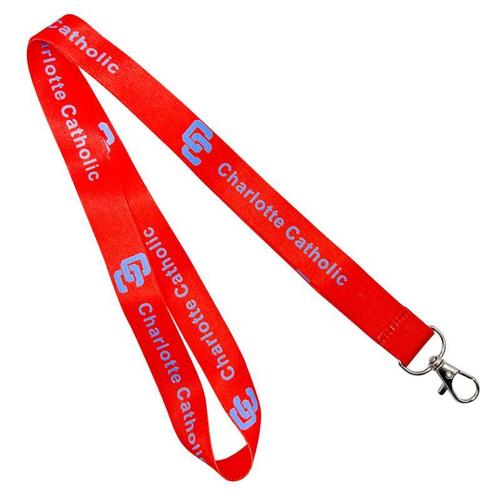
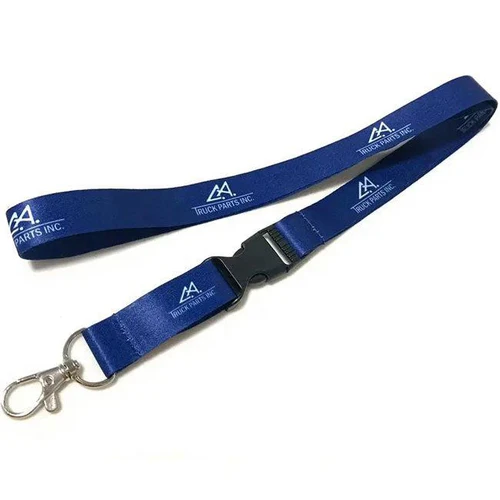
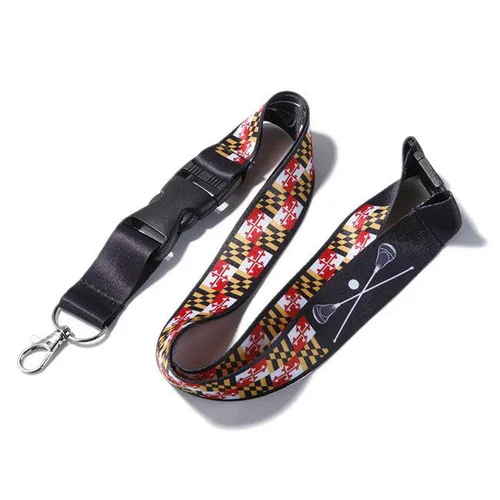
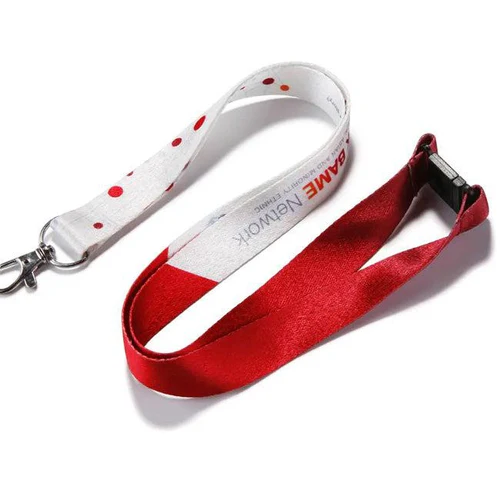
Branded lanyards are neck-worn accessories customized with a logo, color system, or message, then paired with a clip or attachment that holds an ID card, key, pass, or device securely. The best setup balances security, comfort, visibility, and safety so the lanyard works in real use, not just in a product photo.
When you choose clips correctly, you improve perception, reduce breakage, and make the entire program feel intentional. That is the difference between a giveaway and a polished brand system.
Table of Contents
- Why Clip Selection Changes the Whole Lanyard Experience
- The Main Clip Styles and Where They Work Best
- How to Match Hardware to the User Environment
- Materials, Finishes, and Durability Tradeoffs
- Safety, Compliance, and Comfort Considerations
- How Best Patches Recommends Buying at Scale
- Common Mistakes That Hurt Performance
- Future Trends for 2026 Buying Teams
- Final Checklist Before You Place the Order
Why Clip Selection Changes the Whole Lanyard Experience
The clip is the point where branding meets utility. A sharp logo on premium ribbon means little if the attachment is hard to open, scratches devices, or pops off too easily. In practice, buyers judge branded lanyards by how they feel after three days of use, not by how they looked in the sample mockup.
That is why the best clip choice depends on the actual environment. A trade show team needs quick badge swaps. A hospital needs safety and low snag risk. A warehouse team needs durability and easy release. One clip cannot solve every use case, and forcing a single choice usually creates avoidable friction.
“People do not remember the attachment name. They remember whether it worked every time they reached for a badge.” — Brand operations consultant
The Main Clip Styles and Where They Work Best
Swivel hooks
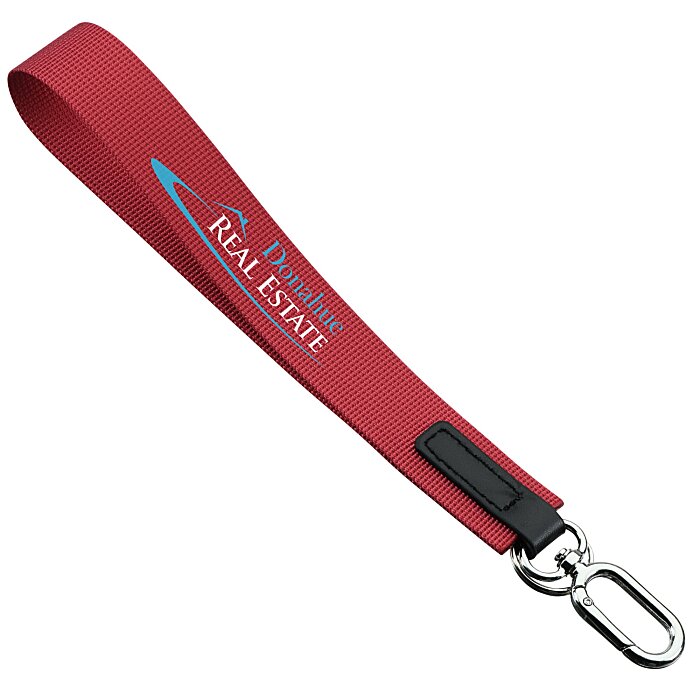
Swivel hooks are a strong all-purpose option because they move with the badge and reduce twisting. They are popular for conferences, offices, and visitor programs where clean presentation matters and the badge should hang flat.
Bull dog clips
Bull dog clips grip firmly and are easy to understand, which makes them common in schools, plant floors, and temporary events. The tradeoff is potential wear on thinner badge slots and a more utilitarian look.
Lobster clasps
Lobster clasps feel more polished and are often chosen when presentation matters as much as function. They work well for premium retail teams, executive events, and branded kits where the lanyard is part of the experience.
Breakaway clips
Breakaway options are essential anywhere snag risk matters. They are especially useful in healthcare, education, and manufacturing settings because they release under pressure and reduce the chance of injury.
Retractable badge reels
Badge reels are not a clip replacement, but they are often the right attachment system for access-controlled workplaces. They help users scan, tap, and show credentials without removing the badge completely.
| Clip type | Best business use | Strength | Main limitation |
|---|---|---|---|
| Swivel hook | Corporate conferences | Hangs flat and moves smoothly | Not ideal for very thick badge slots |
| Bull dog clip | Schools and temporary events | Firm grip and simple use | Can look less premium |
| Lobster clasp | VIP kits and retail teams | Refined appearance | Slower to open than a hook |
| Breakaway clip | Healthcare and industrial sites | Safety-first release | May separate more often than expected |
How to Match Hardware to the User Environment
One of the fastest ways to improve branded lanyards is to choose the clip based on user behavior, not internal preference. Ask what the wearer actually does all day.
- For events: prioritize quick attachment changes and a clean visual finish.
- For healthcare: prioritize breakaway safety, low weight, and easy cleaning.
- For schools: prioritize durability, affordability, and simple operation.
- For manufacturing: prioritize snag reduction, corrosion resistance, and secure closure.
- For retail and corporate gifting: prioritize style, tactile quality, and brand polish.
According to Gartner’s 2024 B2B buying research, buyers spend much of the purchase journey without direct vendor contact, which means every physical detail has to carry more persuasive weight on its own. For branded lanyards, that means the clip is not a minor part; it is a trust signal.
“If the attachment fails, the logo does not save the experience. Hardware quality is part of the brand promise.” — Promotional product strategist
Materials, Finishes, and Durability Tradeoffs
Clip material matters almost as much as clip style. Zinc alloy and stainless steel tend to hold up well in demanding programs, while plated finishes can elevate the perceived value. Plastic hardware can reduce cost and weight, but it usually feels less premium and may wear faster under daily use.
Finish also affects brand perception. Matte black can feel modern and understated. Polished nickel can look corporate and clean. Colored coatings can align with school, team, or campaign branding, but they should be tested for chipping and abrasion.
One limitation to remember: premium finishes can still fail if the spring mechanism is poor. A shiny clip that bends or loosens after a few weeks is worse than a simpler attachment that stays secure for a year.
Safety, Compliance, and Comfort Considerations
Safety should never be an afterthought. In environments with machinery, children, or crowded public spaces, breakaway features are often the smarter choice. They reduce snag hazards and improve wearer confidence without sacrificing core functionality.
Comfort matters too. Heavy clips pull on the neck, twist the ribbon, and cause users to tuck the badge away. A lighter setup often gets worn more consistently, which improves both visibility and usability.
There is also a practical compliance angle. Organizations in healthcare, education, and industrial settings should review their internal safety policies before approving hardware. The right attachment supports policy; the wrong one creates avoidable liability.
How Best Patches Recommends Buying at Scale
When I work through lanyard orders at Best Patches, I start with use case, not decoration. In one university project, the client originally wanted a single clip across every department. After reviewing how staff, event teams, and security used the badges, we split the order into swivel hooks for visitors and breakaway clips for campus personnel. That one change cut replacement requests and improved daily comfort.
In another order for a regional healthcare group, I watched a premium-looking clasp create real problems because staff needed faster badge access during rounds. We switched to a cleaner spring hook paired with a breakaway design, and the feedback was immediate: less snagging, fewer complaints, and a better fit for the job. That is the kind of adjustment that saves money later.
Best Patches usually recommends a simple evaluation process before production:
- Identify the wearer and the environment.
- Choose the attachment based on safety and daily motion.
- Request samples with the exact badge or device you plan to use.
- Test opening force, twist behavior, and wear after repeated use.
- Approve only after the hardware feels natural in the real setting.
Common Mistakes That Hurt Performance
- Choosing the cheapest clip without checking spring strength.
- Using a premium clasp in a high-speed access environment.
- Ignoring breakaway needs in schools or industrial areas.
- Mixing heavy attachments with thin ribbon that twists easily.
- Skipping sample testing with the actual badge or holder.
These mistakes are common because clip hardware looks small on a spec sheet. In daily use, though, the attachment determines whether the lanyard feels seamless or annoying.
What 2026 Buyers Expect
According to ASI’s 2025 promotional products research, useful items continue to earn repeated exposure over time, which makes physical quality a major driver of brand memory. That matters for branded lanyards because the clip is touched every day. If it feels flimsy, the brand feels flimsy.
Gartner’s 2024 research on modern buying behavior also reinforces a simple truth: buyers make more decisions with less direct guidance. In 2026, that pushes organizations toward cleaner specifications, safer defaults, and better packaging choices that reduce confusion at distribution.
For buyers, the trend is clear: fewer gimmicks, more fit-for-purpose design. The best programs will combine practical hardware, stable supply, and consistent branding across multiple departments.
Final Checklist Before You Place the Order
Use this short checklist to keep branded lanyards on track:
- Does the clip match the user’s daily motion?
- Is safety required in this environment?
- Will the hardware support the weight of the badge or device?
- Does the finish match the brand image?
- Has the sample been tested in real-world use?
Best Patches recommends three next steps: request a sample set, test it with actual wearers, and approve only the clip that performs best after repeated use. If you are ordering for multiple teams, split the hardware by use case instead of forcing one universal choice.
References
- Gartner 2024 B2B buying research — used to support the idea that brands have fewer chances to impress buyers directly, making physical product quality more important.
- ASI 2025 promotional products research — used to support the value of repeated exposure and everyday utility in branded merchandise.
- U.S. safety guidance for wearables and snag-risk environments — used to support breakaway and low-hazard hardware choices in schools, healthcare, and industrial settings.
FAQ
What clip is best for branded lanyards in offices?
-
A swivel hook is usually the safest default for office use because it hangs flat, feels polished, and works with most badge holders. If the office has security-sensitive access points, a badge reel may be the better choice.
Are breakaway clips necessary for every program?
-
No, but they are strongly recommended anywhere snag risk matters, such as schools, healthcare, warehouses, and event backrooms. For low-risk office environments, a standard clip may be enough.
How do I choose attachments for branded lanyards in high-traffic events?
-
Pick a clip that opens fast, resists twisting, and is easy to reattach without slowing the line. Swivel hooks and sturdy lobster clasps are common choices, while flimsy spring clips tend to become frustrating under heavy use.
Which finish lasts longest on metal clips?
-
Durable plating and quality base metal matter more than color alone. Stainless steel and well-made zinc alloy attachments usually hold up better than thin plated parts, especially in humid or high-touch environments.
Can Best Patches help me pick the right hardware for my lanyard order?
-
Yes. Best Patches can help match the clip to your badge weight, safety needs, and usage environment so you avoid costly reorders and hardware that looks good but performs poorly.