 Promotional Products




Why branded lanyards still win attention
Branded lanyards are one of the few promotional items that people wear in plain sight, repeat-use after repeat-use, and often keep long after an event ends. If you want brand recognition that travels through meetings, conferences, schools, warehouses, and retail floors, branded lanyards can do more than carry an ID card; they can carry your name everywhere your audience goes. Best Patches has seen this format work because it blends utility with branding in a way that feels natural instead of forced.
The problem most teams face is not a lack of marketing channels. It is fragmentation. Your logo may look great on social media, but if it disappears after a swipe, a scroll, or a skipped ad, the impression is fleeting. A well-made lanyard solves a different problem: repeated physical exposure in real settings where trust is built face-to-face.
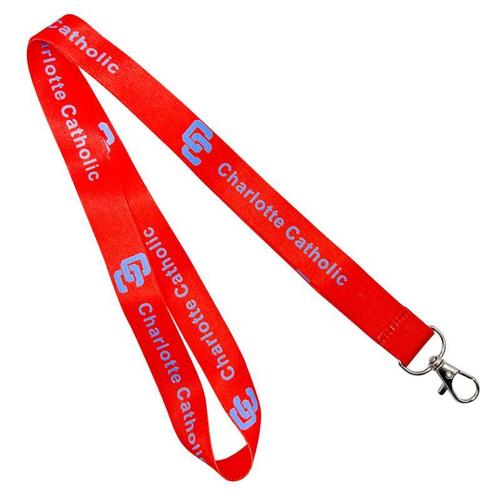
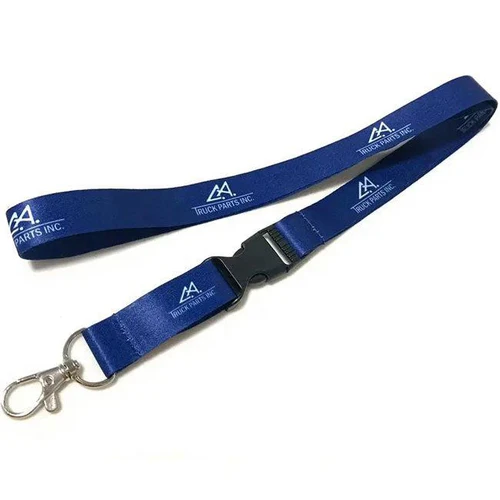
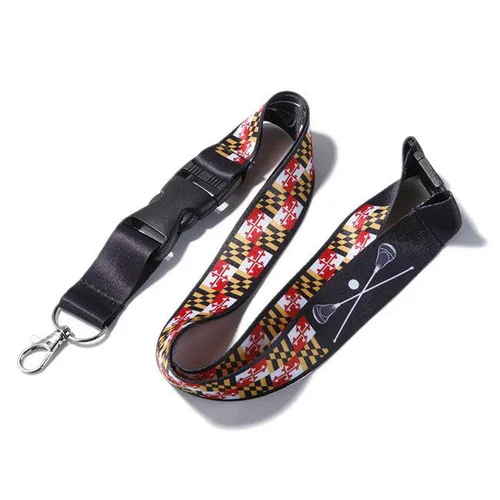
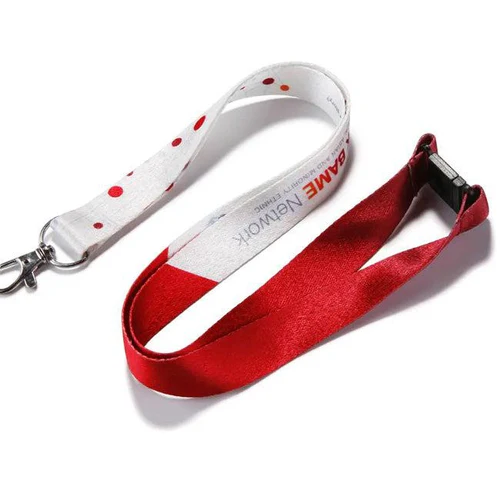
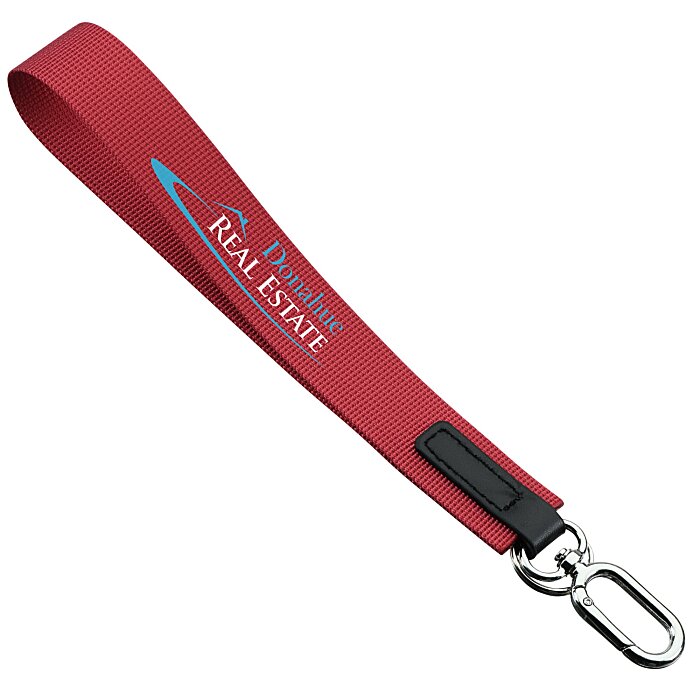
Branded lanyards are custom neck straps printed or woven with a company name, logo, slogan, or visual system. They are worn to display badges, keys, passes, or small tools, and they function as portable brand signage that people interact with throughout the day.
Table of Contents
- Why Lanyards Still Matter for Brand Recall
- How Lanyards Turn Daily Use Into Impressions
- Design Choices That Raise Perceived Value
- Best Use Cases Across Industries
- Materials, Printing Methods, and Durability
- ROI, Budgeting, and Purchase Planning
- Common Mistakes That Quiet the Message
- Best Patches Case Notes From Real Projects
- Future Trends for Branded Wearables
- Practical Next Steps for Your Team
Why lanyards still matter for brand recall
Most brands chase impressions that vanish in seconds. Lanyards behave differently because they stay in the physical environment, visible to coworkers, visitors, customers, and event attendees for hours at a time. That makes them especially effective for organizations that care about identity, access, and daily visibility.
According to ASI’s 2024 Ad Impressions Study, promotional products can generate thousands of impressions over their useful life, and wearable items are among the most repeated because they are not tucked away in a drawer. Gartner also reported in 2024 that consistent brand presentation strengthens trust and recognition more effectively than isolated attention spikes.
The practical upside is simple: if your team wears a lanyard every day, your logo does too. That means a conference badge holder, a retail pass, or a campus ID strap can become a long-term brand touchpoint instead of a one-time giveaway.
What makes the format work
- High exposure: worn at chest level, where the eye naturally lands.
- Utility first: people accept and keep useful items more readily.
- Low friction: easy to distribute at events, onboarding, and campaigns.
- Brand consistency: color, logo, and typography can match the rest of your identity system.
“A lanyard is not a throwaway. It is a moving label that your audience agrees to wear.”
How branded lanyards turn daily use into impressions
The marketing value of branded lanyards comes from repetition, not novelty. A person does not need to notice the same design as new every time. They just need to keep seeing it in context: at check-in, in hallways, at meetings, and around security gates. That repeated exposure builds familiarity, and familiarity lowers the effort it takes to remember a brand later.
Best visibility moments
These moments create the strongest return:
- Trade shows and conferences, where attendees see your brand while networking.
- Office onboarding, where new hires immediately absorb company identity.
- School and campus events, where staff and volunteers need fast identification.
- Retail and hospitality settings, where uniforms and access control matter.
- Nonprofit fundraisers, where volunteers can look coordinated and credible.
Pro Tip: If your logo is complex, create a simplified lanyard version with one dominant color, one readable wordmark, and enough contrast to stand out at arm’s length.
Where brands lose value
Visibility drops fast when the print is tiny, the fabric frays, or the color palette clashes with the rest of the outfit. The worst mistake is treating a lanyard like a miniature billboard. It is not. It is a moving accessory, so the design has to be clean, readable, and durable enough to survive heavy use.
| Use Case | Best Lanyard Type | Visibility Benefit | Main Tradeoff |
|---|---|---|---|
| Tech conference exhibitor | Dye-sublimated polyester | Bold graphics and strong sponsor recognition | Higher cost than basic screen print |
| Corporate onboarding | Woven or tubular webbing | Premium feel that supports employer branding | Less color detail on woven finishes |
| University campus staff | Safety breakaway lanyard | Clear ID display with functional security cues | Breakaway clip limits certain design layouts |
| Nonprofit volunteer event | Economy polyester | Fast recognition and easy group coordination | May feel less premium if overused |
Design choices that raise perceived value
Good design does not only make branded lanyards prettier. It makes them more wearable. People are far more likely to keep and use a lanyard that looks intentional, matches the event or company culture, and feels comfortable on the neck.
Elements worth getting right
- Color contrast: use enough contrast for the logo to read at a glance.
- Width: wider straps give more room for branding and often feel more substantial.
- Hardware: swivel hooks, bulldog clips, and badge reels should match the use case.
- Safety features: breakaway clasps matter in schools, healthcare, and industrial settings.
- Finish: matte or satin options can look more premium than overly glossy stock.
“When the material feels cheap, the brand feels cheap. That is why we treat lanyard choice as a brand decision, not a supply-order decision.”
Pro Tip: If the lanyard will be photographed at an event, design it for camera distance, not desk distance. What reads on a phone screen matters more than what reads in a spec sheet.
Printing methods and what they signal
Screen printing can be budget-friendly for simple artwork, while dye sublimation handles complex gradients and full-color branding better. Woven lanyards send a more premium signal, especially for executive teams or high-touch client events. The right method depends on whether you want scale, detail, or a stronger tactile impression.
Best use cases across industries
One reason branded lanyards continue to perform is flexibility. They fit environments where identification, access, and brand consistency already matter, which gives marketers and operations teams a rare shared tool.
Industries that benefit most
Here are the settings where branded lanyards usually punch above their cost:
- Corporate offices: onboarding kits, internal events, visitor access.
- Healthcare: ID visibility, department recognition, staff coordination.
- Education: faculty IDs, volunteers, campus safety teams.
- Events and exhibitions: sponsor visibility, crew identification, VIP access.
- Retail and hospitality: staff recognition and service consistency.
For Best Patches, the strongest orders often come from organizations that need the lanyard to do double duty. It must hold credentials securely, and it must reinforce the brand without becoming loud or distracting. That balance is where the marketing value becomes real.
Budgeting, ROI, and purchase planning
Budgeting for branded lanyards should start with function, not the lowest unit price. A low-cost strap that twists, fades, or irritates the wearer can erase the marketing gain quickly. Paying a little more for comfort, safety, and print quality often improves both retention and daily use.
How to think about return
Ask three questions before placing an order:
- How many times will the item be worn?
- How many people will see it per day?
- Does the design support brand recall or just carry a logo?
If the answer to all three is strong, the cost per impression can be extremely efficient. That is why teams often use lanyards for onboarding, conferences, and recurring staff programs rather than one-off novelty campaigns.
Risks and limits to keep in mind
Branded lanyards are not a fix for weak positioning. If the brand has no visual system, unclear messaging, or poor operational follow-through, the item will not rescue it. There are also practical concerns: safety restrictions, security requirements, and color accessibility can affect how a lanyard should be designed and deployed.
For example, in secure environments, loud branding may be less valuable than clear role identification. In public-facing roles, overly busy patterns can reduce readability. And in fast-moving settings, a lanyard with a weak breakaway clasp can create a safety issue. The best programs respect these limits instead of forcing a one-size-fits-all design.
Best Patches case notes from real projects
I worked with a regional healthcare group that needed new onboarding materials for more than 300 employees. Their old lanyards were generic, mismatched, and looked disconnected from the rest of the brand. We built a cleaner system through Best Patches: one dominant brand color, a readable wordmark, and a safety breakaway that fit the workplace. The team told us the new lanyards made new hires feel part of the organization on day one.
In another project, we helped a B2B software company preparing for a major trade show. Their booth was strong, but their staff looked inconsistent from the aisle. We designed branded lanyards that matched the booth graphics, and we kept the artwork simple enough to read from several feet away. The result was not just visual consistency; it also made the team easier to approach because attendees could identify staff faster.
Common mistakes that quietly reduce impact
Many lanyard campaigns fail for reasons that are easy to avoid. The item itself is not the problem. The execution is.
Watch out for these issues
- Overly small logos that disappear in real use.
- Poor fabric selection that twists or irritates the neck.
- Too many colors competing with each other.
- Hardware that does not match the badge size or role.
- Branding that is so aggressive it feels like clutter.
One of the biggest mistakes is ignoring the wearer. If people do not want to wear the lanyard, the marketing value falls apart. Comfort, utility, and visual clarity have to work together.
Future trends for branded wearables
Branded lanyards are not going away, but expectations are changing. Buyers want more durable materials, cleaner design, and better alignment with sustainability goals. That means recycled polyester, low-waste production, and smarter packaging are becoming more common requests.
There is also a stronger move toward modular systems. Teams want a lanyard that can pair with badge reels, phone holders, ID pouches, and event passes without needing separate accessories for each use case. In other words, the best lanyard is becoming part of a larger wearable identity system.
For brands competing in crowded environments, the future belongs to items that are useful first and promotional second. That is exactly why the lanyard format remains relevant: it respects the wearer while still giving the brand daily exposure.
Practical next steps from Best Patches
If you want branded lanyards to do real work for your brand, start with the audience, the environment, and the job the item must perform. That order matters more than decoration.
Best Patches recommends these actions:
- Audit where the lanyard will be worn and who will see it most often.
- Choose a material and safety feature that match the setting.
- Keep the design bold, simple, and readable from a distance.
Conclusion
Branded lanyards remain valuable because they combine utility, visibility, and repetition in one low-friction format. They work best when the design is clean, the material fits the setting, and the program supports a real business goal such as onboarding, access, or event recognition. Best Patches approaches them as a brand system, not a swag item.
The smartest next move is to order samples, test them in real conditions, and compare how they look on people instead of screens. Then tighten the design, confirm the hardware, and standardize the version that earns the strongest response.
References
- ASI Ad Impressions Study — useful for understanding how long promotional products can keep generating exposure.
- Gartner brand trust research — helpful for connecting consistent presentation with recognition and credibility.
- PPAI consumer and product retention research — useful for evaluating how wearable promo items perform over time.
- Best Patches project experience — informs practical decisions on material choice, readability, and production fit.
FAQ
What are branded lanyards used for?
-
They are used to display IDs, badges, access cards, keys, and event passes while keeping a company name or logo visible throughout the day. They are popular in offices, schools, healthcare, retail, and conferences because they are useful and easy to wear.
Are branded lanyards good for trade shows?
-
Yes. They help staff stand out, keep badges organized, and create repeated logo exposure across the event floor. They also make a team look coordinated, which can improve trust and approachability.
Which material is best for branded lanyards?
-
It depends on the goal. Polyester is versatile and cost-effective, dye-sublimated fabric works well for full-color designs, and woven styles feel more premium. For safety-sensitive environments, choose a breakaway option.
How can I make branded lanyards look more premium?
-
Use strong contrast, a clean logo layout, quality hardware, and a material that matches the setting. Wider straps, neat edge finishing, and coordinated badge accessories also improve the perceived value.
Do branded lanyards have safety concerns?
-
They can, especially in schools, healthcare, and industrial settings. Breakaway clasps are important because they reduce the risk of snagging, and organizations should also avoid designs that interfere with visibility or security rules.
How many branded lanyards should I order?
-
Order based on headcount, event attendance, spares, and future onboarding. A small buffer is smart because lost or damaged lanyards are common, and matching replacements keeps the brand system consistent.
How do branded lanyards support brand visibility over time?
-
They create repeated exposure in real-world settings, which helps people remember the brand without needing a screen or a paid ad placement. Because they are functional, they also tend to stay in use longer than many promotional items.