 Promotional Products













我会直接生成符合要求的纯 HTML 正文,并确保不含任何内部引用标记、Markdown 或额外说明。先快速组织结构,再输出完整可保存的 `.html` 源码。
Introduction
Branded lanyards are more than a logo on a strap; they are a frontline access-control tool that can reduce badge sharing, support fast visual verification, and reinforce policy compliance. For security teams, facilities managers, and HR leaders, the challenge is not whether to use them, but how to use them without creating weak points in the very protocol they are meant to protect.
Best Patches works with organizations that want branded lanyards to do real operational work, not just look polished at onboarding. When the lanyard design, credential format, and badge rules align, security gets cleaner traffic flow, employees feel guided, and visitors are easier to identify.
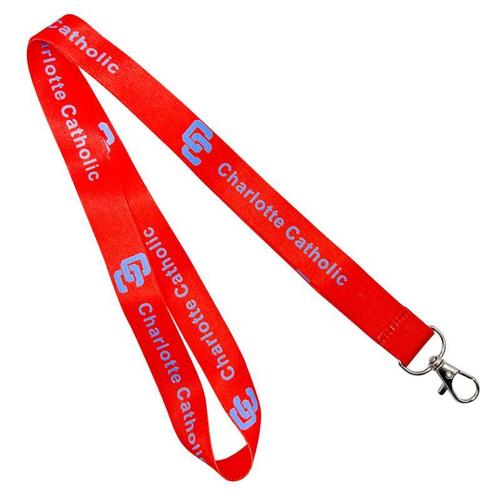
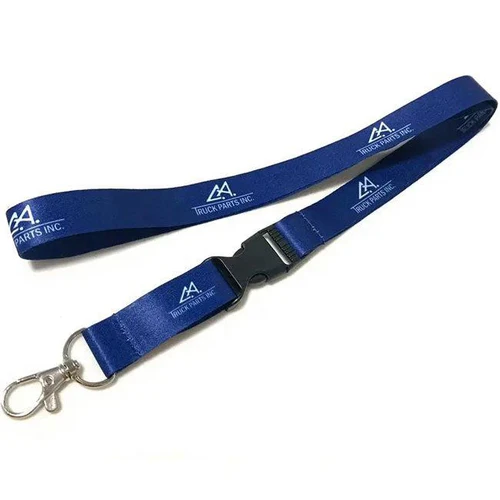
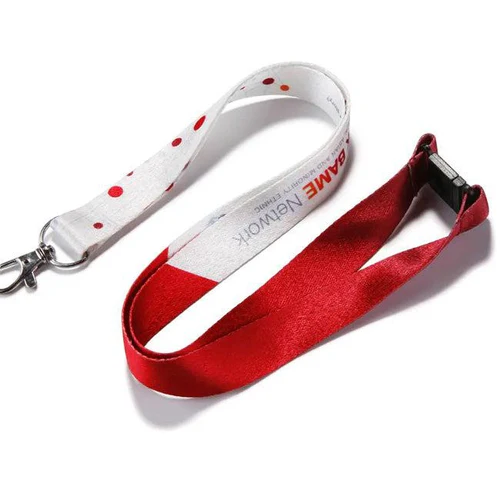
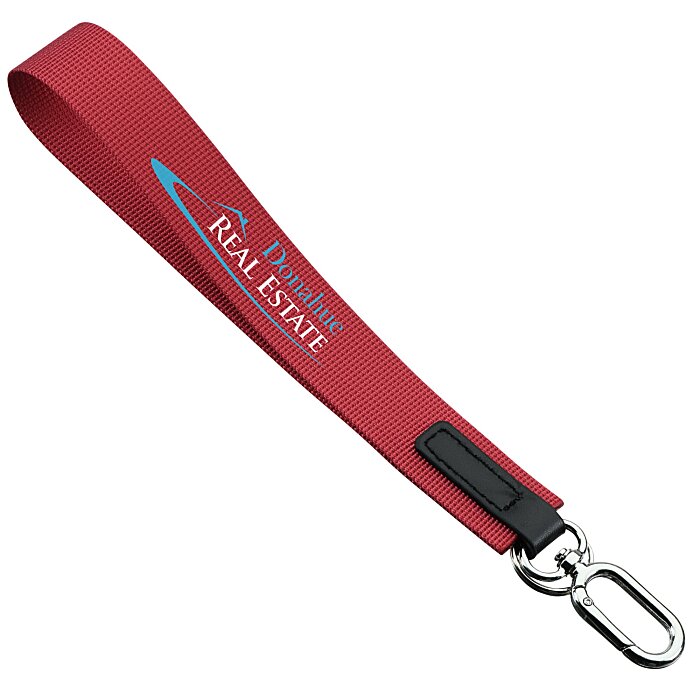
In practical terms, branded lanyards are neck-worn carriers or straps that display a company identity while holding an access badge, ID card, or key fob. In corporate security protocols, they help people identify who belongs, where they can go, and how quickly their status can be checked at a glance.
The best programs treat them as part of a layered security system, not as a standalone safeguard. That means pairing the right material, color system, attachment style, and usage policy with visitor controls, badge issuance, and training.
Table of Contents
- Why Lanyards Still Matter in Corporate Security
- How to Design for Fast Visual Verification
- Material, Clip, and Print Choices
- Policy Rules That Prevent Misuse
- Security Integration Across Teams
- Common Risks and Failure Points
- Best Patches Case Study in Practice
- Future Trends for 2026
- Conclusion and Next Steps
- References and FAQ
Why Lanyards Still Matter in Corporate Security
Even with mobile credentials, biometric readers, and smart turnstiles, the human eye still makes a first pass before a reader ever confirms identity. That is where branded lanyards remain valuable: they help staff, guards, and visitors make quick decisions under pressure.
According to Gartner, by 2026 a large share of identity decisions will be shaped by context-aware access controls rather than static rules alone. That matters because a lanyard creates a visible context cue before a badge is scanned.
Microsoft’s 2024 Work Trend Index also reinforced that hybrid workplaces need simpler, lower-friction systems because people move between zones more often and spend less time in fixed office patterns. Branded lanyards support that movement when they are designed to be readable, durable, and policy-aligned.
“A lanyard is not security by itself. It is a signal layer that helps the rest of the system work faster and with fewer mistakes.”
For corporate environments, the biggest value is consistency. If every employee, contractor, and visitor uses an easily recognized credential holder, teams waste less time verifying who is who and more time enforcing the actual access rule.
How to Design for Fast Visual Verification
Design is not decoration here. The visual system should help security staff spot role, department, or clearance level in less than two seconds. That means choosing color, width, print density, and attachment hardware with intent.
Use visual hierarchy, not clutter
- Put the company name or logo in a readable size.
- Reserve a separate color band for role status such as employee, contractor, or visitor.
- Keep text short enough to read at arm’s length.
- Avoid busy patterns that hide badge orientation or clip placement.
A clean lanyard helps security staff identify outliers faster. A crowded design can slow recognition and makes it easier for a temporary badge to blend in.
Match the lanyard to the badge workflow
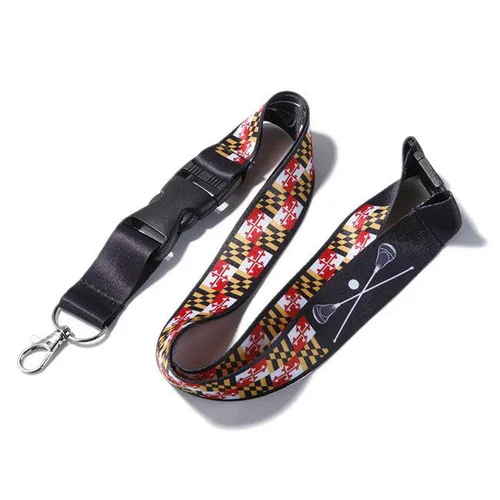
If your site uses photo badges, the lanyard should keep the badge front-facing and stable. If your protocol requires swipe access, the clip must allow easy badge removal without encouraging badge lending. For dual-authentication sites, a breakaway lanyard with a secure retractable badge reel often works well.
Best Patches often recommends testing the lanyard in real motion, not just on a design proof. A good-looking strap can fail if it twists, flips, or hides critical ID information during normal walking, desk work, or queueing.
Material, Clip, and Print Choices
Security teams should think in terms of durability, safety, and lifecycle cost. Cheap lanyards often fray early, lose color, or break at attachment points, which creates both replacement expense and a weaker security presentation.
| Business Type | Recommended Material | Best Attachment | Security Benefit |
|---|---|---|---|
| Corporate headquarters | Polyester with breakaway | Metal swivel hook | Clear daily identification and fast badge use |
| Manufacturing site | Woven nylon | Badge reel and safety breakaway | Better durability around equipment and shifts |
| Healthcare office | Soft polyester | Plastic clip or eco hook | Low irritation during long wear periods |
| Event contractor program | Heat-transfer printed polyester | Detachable buckle | Fast role switching and easier visitor control |
| Tech campus | Recycled PET | Retractable reel | Brand consistency with sustainability goals |
What works best in practice
For most office settings, polyester is the sweet spot because it balances print clarity, cost, and comfort. Woven options look premium but can reduce fine text legibility. Eco materials are increasingly popular, but they should still pass wash, wear, and color-fastness tests before mass rollout.
Printing method matters too. Sublimation and heat transfer are useful when you want full-color branding with crisp detail. Screen printing can work for simpler designs, especially when consistency and bulk pricing matter more than color complexity.
“When the attachment hardware fails, people improvise. That is when policy gets bypassed.”
Policy Rules That Prevent Misuse
The strongest lanyard design can still fail if your rules are vague. Security protocols need explicit instructions on when lanyards are worn, when they are removed, and what happens when someone forgets theirs.
Set non-negotiable usage rules
- Require visible wear in all controlled-access areas.
- Require immediate replacement for lost, damaged, or unreadable lanyards.
- Ban shared use between employees.
- Define whether visitors receive a different color or badge holder.
- Train managers to enforce compliance consistently.
One common failure point is badge swapping. If everyone receives the same lanyard and badge holder, it becomes easier for someone to blend in. Differentiated branded lanyards reduce that risk when they are tied to role-based access levels.
Build exceptions into the protocol
Not every role can wear a standard neck lanyard all day. Warehouse teams, lab personnel, and certain safety-sensitive roles may need alternative carriers. The protocol should define approved exceptions so staff do not invent their own workarounds.
Best Patches advises clients to keep an exception log. If a site has many informal exceptions, the program is not really a policy yet; it is just a suggestion.
Security Integration Across Teams
Branded lanyards work best when security, HR, procurement, and facilities operate from the same playbook. Security owns the access rules, HR owns issuance timing, procurement owns quality control, and facilities own visitor circulation.
Where teams often disconnect
Procurement may approve the cheapest vendor, while security expects a highly durable product. HR may issue badges on day one, but facilities may not have visitor lanyards ready for same-day access. These gaps create delays and inconsistent enforcement.
A simple governance model solves most of this. Define who selects the design, who approves changes, who stocks spares, and who handles replacements. Then audit the process quarterly.
Case study: Best Patches in a multi-site rollout
I worked with a regional services company that had three office locations and inconsistent badge practices. One site used generic cords, another used printed straps, and the third had no standard at all. Security incidents were not frequent, but identity checks were slow and visitors often looked too similar to staff.
Best Patches standardized the branded lanyards by role, with one color for employees, one for contractors, and one for visitors. We also specified breakaway closures for office teams and a stronger clip for employees who moved between conference spaces and reception zones. Within weeks, staff reported fewer questions at entry points, and guards could visually separate visitor traffic more quickly.
That rollout taught a useful lesson: the security benefit came less from the logo and more from the system built around it. The logo helped recognition, but the role coding and replacement rules made the protocol reliable.
Common Risks and Failure Points
Branded lanyards can create a false sense of control if teams overtrust them. A visible credential is useful, but it does not verify authorization unless the rest of the access stack is functioning.
Watch for these issues
- Overly generic designs that blur role differences
- Weak clips that encourage badge transfers
- Cheap materials that degrade quickly
- Poor visitor separation at reception
- Lack of replacement stock during peak onboarding
There is also a privacy consideration. If a lanyard exposes department, clearance level, or location data too broadly, it can create unnecessary exposure. Keep visible data limited to what people need for fast verification.
Balance branding with discretion
Brand visibility should support security, not turn credentials into advertising props. In sensitive environments, a subtler design may be safer than a loud one. The right answer depends on whether your main priority is visitor control, staff recognition, or cross-site consistency.
Future Trends for 2026
By 2026, more organizations will use hybrid identity systems that mix physical and digital access. That does not eliminate the role of branded lanyards. It raises the standard for them.
Expect to see more recycled materials, better anti-counterfeit print techniques, and integration with smart badges that support tap access or dynamic permissions. Sustainability will matter more too, especially for companies trying to reduce single-use plastics and lower waste in recurring procurement cycles.
Security leaders should also prepare for more movement across flexible workplaces. Shared desks, rotating contractors, and temporary project teams make rapid visual identification more important, not less.
“The best lanyard strategy for 2026 is the one that still works when the office is busy, the badge printer is down, and the visitor line is growing.”
Conclusion
Branded lanyards are most effective when they are treated as part of a broader corporate security protocol: visible, durable, role-specific, and supported by clear rules. Best Patches recommends three practical next steps for any organization refining its system.
- Audit your current lanyard types against actual access roles.
- Standardize colors, clips, and replacement rules across sites.
- Test every design in a real entry-flow scenario before ordering at scale.
If your goal is safer, faster, and more consistent identity control, the lanyard should earn its place in the protocol—not just the marketing kit.
References
Gartner: Provided guidance on the rise of context-aware access decisions and identity workflows.
Microsoft Work Trend Index 2024: Informed workplace mobility patterns and hybrid access needs.
Best Patches client rollout experience: Showed how role-based branding improves consistency across multiple sites.
FAQ
What are branded lanyards used for in corporate security?
-
They help identify employees, contractors, and visitors quickly while supporting badge visibility, access control, and consistent policy enforcement.
How do branded lanyards improve access control?
-
They create a fast visual cue that helps staff and guards separate approved users from unknown people before a badge is scanned.
What material is best for branded lanyards in offices?
-
Polyester is usually the best balance of comfort, print clarity, and durability for most office environments.
Should branded lanyards include breakaway features?
-
Yes, especially in office, healthcare, and mixed-use environments where neck safety and quick release matter.
How often should branded lanyards be replaced?
-
Replace them when they fray, fade, lose shape, or no longer present a clear and professional security signal.
Can branded lanyards be used for visitors too?
-
Yes, but they should usually be color-coded and clearly separated from employee credentials to avoid confusion.
How do I choose branded lanyards for a multi-site company?
-
Use one standard system for color, clip, and replacement rules, then allow only limited local variation where operations require it.