 Promotional Products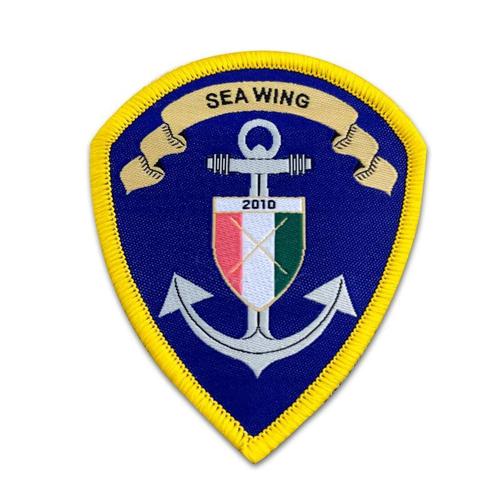




Introduction
If your patch is going on a uniform, a retail hat wall, or a tactical bag that gets dragged through rain, heat, and friction, the “right” choice isn’t about what looks cool on a screen. It’s about what stays readable, consistent, and on-brand after real-world wear. That’s where the decision between embroidery and PVC becomes a brand-level call—not a simple materials preference.
If you’re shopping for custom embroidered patches, you’re probably balancing three pressures at once: staying inside budget, hitting a premium look customers trust, and avoiding reorders caused by fraying, peeling, or color mismatch. At best-patches, we see this every week—brands don’t just need patches; they need dependable outcomes across repeats, seasons, and suppliers.
Custom embroidered patches are fabric patches made by stitching thread into a twill (or felt) base to create a textured design, then finishing with borders and a backing for sewing, ironing, or hooking onto gear. They’re the classic “heritage” patch style used for teams, clubs, workwear, and lifestyle brands.
In this guide, you’ll get a practical, brand-minded comparison of embroidered vs PVC patches—what they’re best at, where they fail, what they cost over time, and how to choose based on your use case (not hype).
Table of Contents
- What embroidered and PVC patches really are
- Brand fit: when each patch style supports your identity
- Durability and real-world performance
- Design detail, readability, and color accuracy
- Cost, lead time, and reorder consistency
- Backing options and where patches get installed
- Risks, limitations, and how to prevent patch failure
- A quick decision framework you can actually use
- Case study: how best-patches solved two brand problems
What embroidered and PVC patches really are
Custom embroidered patches
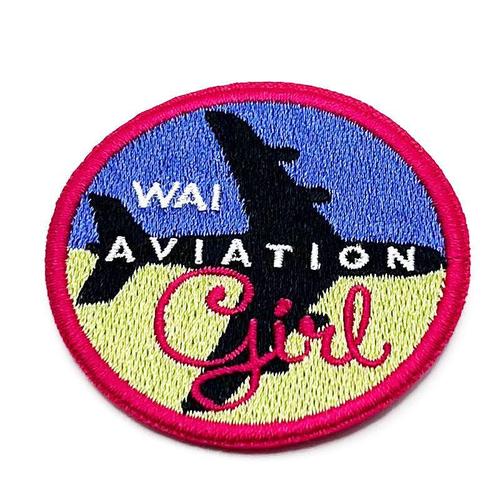
Embroidered patches are built from thread. Your design is digitized into stitch paths, then embroidered onto a fabric base (often twill). A border (merrowed or heat-cut) finishes the edges, and a backing is added for your preferred attachment method.
They’re known for a tactile, stitched look that signals tradition, craft, and authenticity—especially for workwear, sports, heritage streetwear, and membership-style brands.
PVC patches
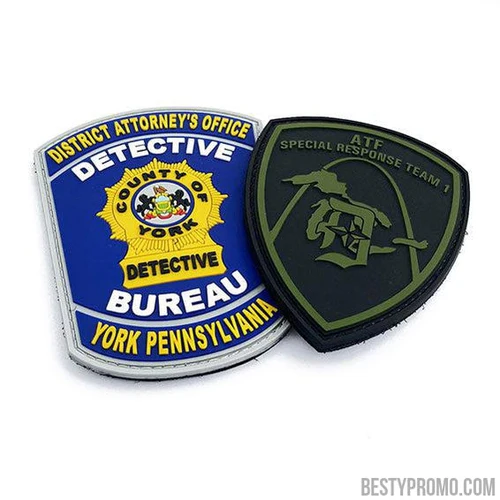
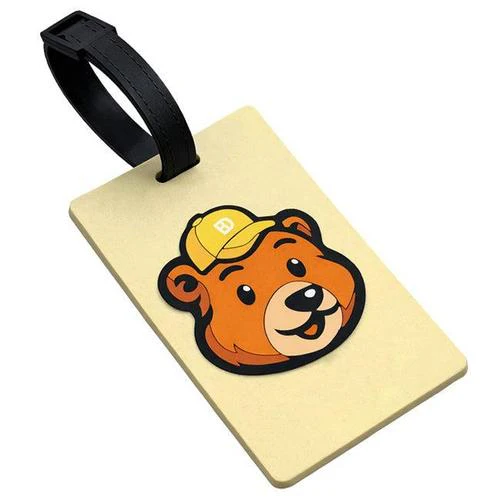
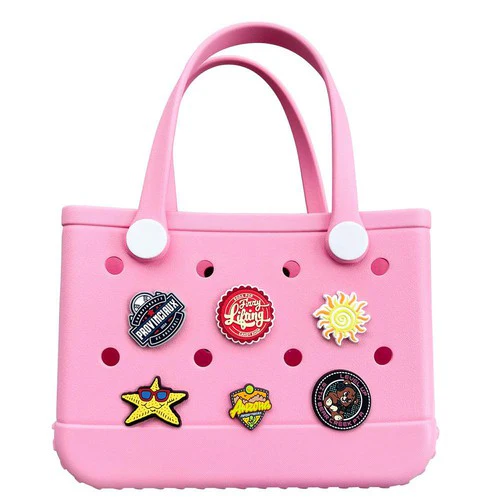
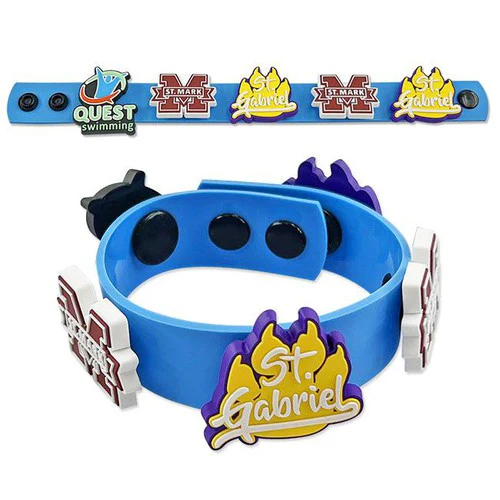
PVC patches are molded from soft rubber-like vinyl. Instead of threads, the design is formed by raised and recessed layers, and color is filled into those molded areas. PVC is typically paired with hook-and-loop for tactical, outdoor, and utility use because it handles moisture and abrasion well.
If embroidery feels “classic,” PVC feels “technical.” That difference alone changes how customers perceive your brand.
Brand fit: when each patch style supports your identity
Choose embroidery if your brand sells trust, heritage, or craft
Embroidery is a visual shortcut for “established.” Even new brands borrow credibility from the medium. If you’re building a long-term identity around quality, community, or tradition, embroidered patches tend to do more brand work per dollar spent.
- Workwear and service brands: contractors, logistics, breweries, hospitality
- Teams and clubs: sports, scouts, auto clubs, alumni groups
- Lifestyle retail: hats, jackets, bags that need a premium stitched feel
Choose PVC if your brand sells performance, outdoors, or modern utility
PVC looks engineered. For brands where gear gets dirty, wet, or scraped, PVC communicates “built for conditions.” It’s also easier to maintain crisp shapes on bold iconography.
- Tactical and EDC: hook-and-loop morale patches, range gear
- Outdoor brands: rain exposure, mud, high abrasion
- Youth/tech aesthetics: clean lines, bold shapes, modern feel
Durability and real-world performance
Moisture, weather, and wash cycles
PVC generally wins in wet environments. It doesn’t absorb water, and it wipes clean. Embroidery can perform well too, but it’s more sensitive to repeated washing, harsh detergents, and friction that can fuzz thread over time.
According to a 2023 report by McKinsey on fashion’s material and sustainability priorities, brands are under growing pressure to reduce product returns and extend usable life. Patch durability matters because failures often show up after the sale—on uniforms, on merch, and in customer photos.
Abrasion and snag risk
Embroidery has a real risk: snagging. Raised threads can catch on Velcro, brush, or equipment edges. PVC is smoother and less likely to snag, though it can scuff or show surface wear if dragged against rough textures repeatedly.
Heat and UV exposure
PVC can fade or harden depending on formulation and long-term UV exposure; embroidery can also fade, but thread color stability is typically predictable when you standardize thread charts and production settings. For either material, you want a supplier that controls color matching and documents approvals for reorders.
Design detail, readability, and color accuracy
Fine text and small features
Embroidery struggles with micro-text and thin lines because stitches have thickness and direction. If your patch has tiny legal text, QR-like elements, or intricate line art, embroidery may turn it into a soft blur unless you increase patch size or simplify the design.
PVC can hold crisp edges for bold shapes and simplified icons, but super-fine details still have physical limits because molds require separations between raised areas and color fills.
Gradients and photo-like art
Neither is ideal for photographic realism. For gradient-heavy designs, woven patches or printed patches can outperform both. That said, embroidery can fake gradients with thread blending, and PVC can approximate with layered tones—both increase cost and sampling time.
Color consistency across reorders
Color consistency is where many brands quietly lose money: reorders that “almost match” still look wrong on shelves or uniforms. According to a 2024 report by Gartner on brand experience and customer expectations, consistency across touchpoints is a key driver of perceived quality and trust. Patches are a touchpoint customers literally touch.
“Most patch problems aren’t design problems—they’re tolerance problems. If your supplier doesn’t set minimum line widths, text sizes, and color callouts up front, you’ll pay for it later in remakes and mismatched batches.”
Cost, lead time, and reorder consistency
Typical cost drivers for embroidery
- Stitch count: more stitches = more machine time
- Thread changes: more colors can add complexity
- Edge finish: merrowed vs heat-cut depends on shape and detail
- Backing choice: iron-on, sew-on, hook-and-loop, adhesive
Typical cost drivers for PVC
- Mold complexity: layers, depth, and small separations
- Number of color fills: more fills mean more labor
- Thickness and 3D effect: deeper relief can cost more
- Hook-and-loop sets: adds material cost
Lead time realities
Embroidery can be faster for simpler designs because it doesn’t require a mold. PVC often takes longer initially due to mold creation and approval, but can be efficient for repeat runs once the mold is set.
According to a 2025 report by Deloitte on supply chain resilience, brands increasingly prioritize suppliers who can maintain consistent output under disruptions. For patches, that means documented specs, stable materials, and clear QC gates—especially when you reorder every season.
Backing options and where patches get installed
Common backing choices
The “best” patch material can still fail if the backing doesn’t match the product and customer behavior. Here are the most used options and what they’re best at:
- Sew-on: most durable long-term, best for uniforms and jackets
- Iron-on (heat seal): fast for apparel, but depends on fabric type and wash habits
- Hook-and-loop: ideal for tactical gear and removable branding
- Peel-and-stick adhesive: good for short-term events, not for long-life wear
Where each patch type tends to win
| Scenario | Best pick | Why it works | Watch-out |
|---|---|---|---|
| Craft brewery staff uniforms (weekly laundering) | Embroidered (sew-on) | Classic premium look; stitch texture reads “authentic” on apparel | Small text can blur; choose larger shapes and fewer micro details |
| Search-and-rescue backpacks (rain, mud, abrasion) | PVC (hook-and-loop) | Wipes clean; resists moisture and grit; removable for role changes | UV exposure can fade over time; request outdoor-grade formulation |
| Streetwear hat drop (retail display impact) | Embroidered (iron-on or sew-on) | Texture looks expensive under store lighting and in product photos | Iron-on adhesion varies by hat fabric; test before bulk |
| Gym community morale patches (swap-on Velcro wall) | PVC (hook-and-loop) | Clean bold icons; fast swapping; holds shape across repeated use | Overly detailed art can clog; simplify the design to strong shapes |
Risks, limitations, and how to prevent patch failure
Common failure modes
- Edge fraying (embroidery): often caused by incorrect border choice or aggressive washing
- Thread fuzzing (embroidery): friction against gear, repeated wash cycles
- Peeling backing (both): mismatch between backing type and fabric, or wrong heat/pressure
- Warping (PVC): extreme heat exposure, thin builds, or poor formulation
- Color mismatch (both): no standardized color callout, weak sampling discipline
A simple approval process that reduces expensive mistakes
- Define use conditions: wash frequency, outdoor exposure, abrasion points, attachment surface.
- Lock your design tolerances: minimum text height, minimum line width, and spacing rules.
- Choose backing based on behavior: “removable” usually means hook-and-loop, not adhesive.
- Approve a physical pre-production sample: evaluate from 18–24 inches away (how customers actually see it).
- Document for reorders: size, color callouts, border type, backing, and placement notes.
“A patch is a miniature billboard. The best designs don’t try to say everything—they say one thing clearly and stay legible after wear.”
A quick decision framework you can actually use
Pick embroidered when these are true
- Your patch lives on apparel and needs a premium stitched feel
- Your brand leans heritage, craft, community, or workwear credibility
- You can keep text moderate-sized and simplify fine details
- You want flexible production without mold setup
Pick PVC when these are true
- Your patch lives on outdoor gear, tactical rigs, or wet/dirty environments
- You want bold iconography with crisp edges and easy cleaning
- You expect lots of swapping via hook-and-loop
- You plan repeat runs where the initial mold becomes an advantage
If you’re torn, answer these three questions
- Where will it spend most of its life? Apparel closet or outdoor pack?
- How will customers treat it? Gentle wear or constant abrasion?
- What’s your brand promise? Heritage premium or performance utility?
Case study: how best-patches solved two brand problems
Uniform consistency for a fast-growing hospitality group
I worked with a regional hospitality group that expanded from 3 locations to 14 in under a year. Their problem wasn’t picking a patch style—it was keeping the brand consistent across constant uniform reorders. Early batches had readable logos, but later reorders came back with slightly different reds and softened lettering. Staff noticed. Customers noticed in photos.
At best-patches, we rebuilt their custom embroidered patches spec around real operational needs: we increased the patch size by a small margin to protect text readability, standardized thread colors with a fixed callout, and moved them from iron-on-only to a sew-on recommendation for high-wash uniforms. The result was fewer complaints, fewer emergency rush orders, and patches that looked the same in every location.
Outdoor endurance for a volunteer rescue team
I also helped a volunteer rescue team whose embroidered patches were snagging on hook-and-loop panels and picking up grime during wet calls. They wanted removable identifiers and a patch that could be cleaned without babying it.
We shifted them to PVC with hook-and-loop, adjusted the line weights so the molded edges stayed crisp, and selected a thicker build that resisted warping. After deployment, they reported faster swaps between roles and a noticeable improvement in legibility after messy field use—especially when wiped down between calls.
Conclusion
Embroidery and PVC aren’t rivals—they’re tools. Custom embroidered patches usually win when your brand needs a premium, classic, stitched identity on apparel. PVC usually wins when the patch is part of performance gear and must stay clean, crisp, and removable in rough conditions.
Next steps best-patches recommends:
- Audit the environment first: washing, moisture, abrasion, and attachment surface decide more than aesthetics.
- Send one design, two proofs: request an embroidered proof and a PVC proof at the same size to compare legibility.
- Lock reorder specs: document color callouts, minimum text sizes, border type, and backing so batch two matches batch one.
References
- Gartner (2024): Research on customer experience and brand consistency expectations, used here to emphasize why repeatable color and quality control affect perceived trust.
- McKinsey (2023): Analysis of durability and sustainability pressures in consumer goods, supporting the point that longer-lasting components reduce downstream issues like returns and replacements.
- Deloitte (2025): Reporting on supply chain resilience and operational consistency, referenced to highlight why documented specs and stable processes matter for reorders.
FAQ
Are custom embroidered patches better than PVC patches?
-
They’re “better” for different jobs. Custom embroidered patches usually look more premium on apparel and heritage-style brands, while PVC patches typically perform better on wet, dirty, or high-abrasion gear—especially when you want hook-and-loop removability.
What backing should I choose for uniforms that get washed often?
-
For high-wash uniforms, sew-on is the most reliable long-term choice. Iron-on can work on the right fabric, but repeated wash/heat cycles are where edge lift and peeling show up. Many brands use iron-on for placement plus stitching for durability.
How small can text be on an embroidered patch and still look clean?
-
As a rule, smaller text gets risky fast because stitches have thickness. If you need guaranteed readability, increase the patch size or simplify the copy. A practical approach is to print your design at actual size and check legibility at arm’s length before production.
Do PVC patches crack or fade over time?
-
Quality PVC is designed to stay flexible, but extreme heat, long-term UV exposure, and low-grade formulations can lead to fading or stiffness. If your patches live outdoors, ask for an outdoor-grade build and test a sample in the real environment before committing to a large run.
How do I choose between embroidered and PVC patches for my brand?
-
Start with use case, then aesthetics. If it’s mostly apparel and you want a classic premium look, embroidery is usually the right move. If it’s mostly gear with moisture, dirt, abrasion, or frequent swapping, PVC tends to outperform. When it’s mixed, many brands carry both styles using the same core artwork system.
What file format should I send to order patches?
-
Vector files are best. Send .AI, .SVG, or .EPS if you have them. If not, a high-resolution PNG with a transparent background can work for quoting, but you may still need a vector redraw for clean production—especially for small text and sharp edges.
Are custom embroidered patches good for small businesses and startups?
-
Yes—especially if you’re building a premium identity on apparel, hats, or bags. The key is to keep early designs bold and readable, order a sample, and document specs so your second run matches your first. That’s how small brands avoid “batch-to-batch” drift as they scale.