 Promotional Products












Introduction
If you’ve ever ordered a Velcro patch and thought, “Why does the border look wavy?” or “Why is the hook backing peeling after two washes?”—you’re not alone. Custom Velcro patches look simple, but durability lives or dies in the details: the right fabric, the right adhesive (or stitching), and the right edge finish for how the patch will actually be used.
The fastest way to avoid wasted time and money is to think like a custom patches maker, not just a buyer. At Best Patches, we’ve helped teams, brands, and first-time creators turn rough concepts into patches that survive daily wear, field use, and repeat attach/detach cycles—without turning into lint magnets or curling at the corners.
Definition: A custom patches maker is a person or company that designs and produces patches to spec—choosing the patch type (embroidered, PVC, woven, printed), selecting materials, and building the backing system (hook-and-loop/Velcro) for a specific use case. The best makers also test edge finishing, adhesion, and wash durability so the patch performs in real conditions.
This guide walks you through making custom Velcro patches from design to production and quality checks, with honest tradeoffs, real-world scenarios, and the small choices that separate “looks good in the box” from “still looks good after six months.”
Table of Contents
- Choose the Right Patch Type for Velcro Backing
- Design Rules That Prevent Costly Reworks
- Materials That Affect Grip, Wash Life, and Color
- Hook-and-Loop Backing Options Explained
- DIY vs Pro Manufacturing Workflows
- Quality Checks Pros Use Before Shipping
- Pricing, MOQs, and Timelines in 2026
- Case Study: Best Patches Solving Real Deployment Issues
- Common Mistakes and How to Avoid Them
Choose the Right Patch Type for Velcro Backing
Velcro patches aren’t a single product—Velcro is the attachment system, and the patch face can be made in several ways. Your choice determines how crisp the art looks, how it wears, and whether it stays flat after repeated use.
Embroidered patches
Best for bold shapes, logos, and classic “thread texture.” Embroidery is durable, but fine details can blur because thread has physical width. If your design has micro-text or gradients, embroidery may not be the best match.
Woven patches
Woven patches use thinner threads than embroidery, allowing sharper text and more detail while staying lightweight. For uniform patches, club logos, and small lettering, woven is often the “cleaner” choice.
PVC (rubber) patches
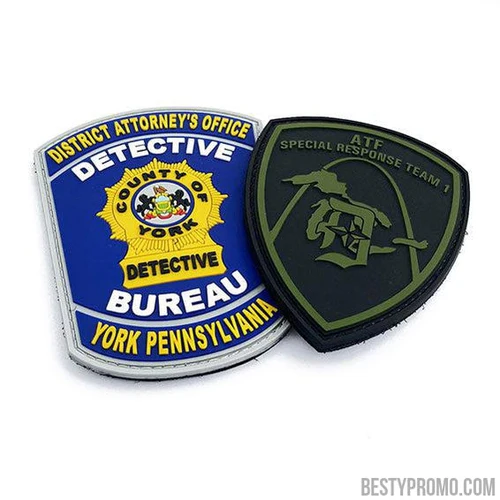
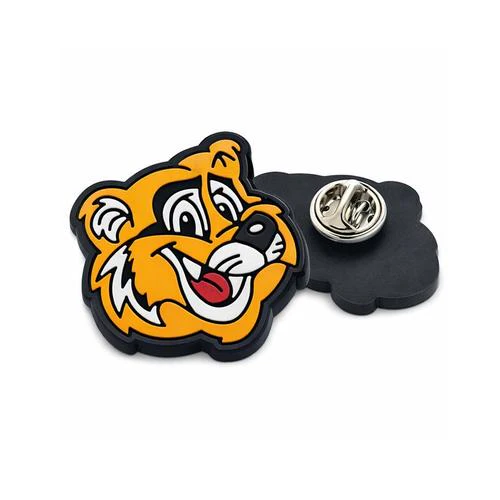
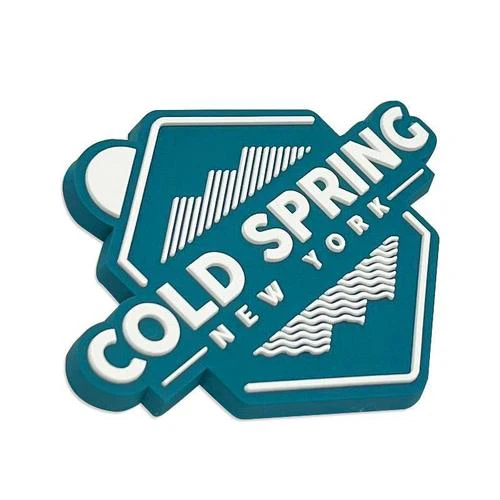
PVC is built for hard use: weather resistance, wipe-clean surface, and strong dimensional detail. It can look premium, but it’s thicker and heavier than thread-based patches—great for tactical bags and outerwear, less ideal for ultralight apparel.
Printed patches
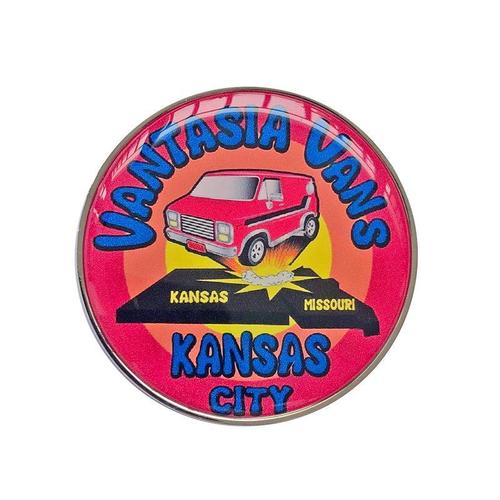
Printed (dye-sublimated or screen printed) is best for photo-like artwork, gradients, and complex color blends. The tradeoff is surface abrasion over time, depending on the print method and protective coating.
“The best Velcro patch isn’t the one with the most features—it’s the one whose materials match the way it’ll be worn, washed, and repeatedly pulled off.” — Production Lead, Best Patches
Design Rules That Prevent Costly Reworks
Most patch problems start upstream: a design that looks great on a screen but can’t be manufactured cleanly. In 2026, manufacturers are faster than ever, but they still can’t break physics—thread thickness, edge constraints, and backing tolerances will always matter.
Use the right file setup
- Best: Vector files (AI, SVG, EPS, PDF) for logos and text.
- Acceptable: High-resolution PNG at 300 DPI or higher, transparent background.
- Avoid: Low-res JPEGs, screenshots, or files with tiny raster text.
Design for the patch size you’ll actually order
A 3-inch patch can handle detail that a 1.5-inch patch can’t. Before you finalize artwork, decide the finished dimensions and the expected viewing distance (arm’s length, across a room, etc.).
Lettering rules that keep text readable
As a practical baseline:
- For embroidered patches, keep text larger and bolder; very small fonts often fill in.
- For woven patches, you can go smaller, but thin strokes still risk breaking up.
- For PVC, avoid ultra-thin lines that won’t mold cleanly.
Materials That Affect Grip, Wash Life, and Color
Velcro patch performance is a system: face material + edge finish + backing + how the patch is attached to the garment/bag. Here’s what experienced makers focus on first.
Base fabric and stiffness
Stiffer bases resist curling and keep the hook-and-loop interface aligned. Softer bases can drape nicely on apparel, but are more prone to corner lift, especially with aggressive hook.
Edge finish options
- Merrowed edge: Thick, rounded stitched border; durable, classic look; usually best for simple shapes.
- Heat-cut edge: Cleaner edge for complex shapes; can look sharper but needs good QC to avoid roughness.
- Laser-cut (common for some materials): Crisp contours; depends heavily on material and finishing.
Colorfastness and wash reality
Apparel and uniforms don’t live in perfect conditions. Heat, detergents, UV exposure, sweat, and abrasion all matter. According to a 2024 report from the U.S. Environmental Protection Agency on household laundry practices, consumers frequently use warmer wash cycles and a wide range of detergents—conditions that can accelerate fading and adhesive fatigue if materials aren’t chosen correctly.
Hook-and-Loop Backing Options Explained
People say “Velcro patch,” but there are multiple ways to build it. The key decision is where the hook side lives, and whether you’re attaching via sewing, adhesive, or a carrier panel.
Hook backing on the patch (most common)
The patch has the hook side; the garment/bag has the loop panel. This protects the garment (loop is softer) and keeps the patch easy to swap.
Loop backing on the patch (less common, but useful)
Sometimes you want the patch to feel softer on contact surfaces, or you’re matching an existing hook field. It’s niche but solves specific compatibility issues.
Adhesive + hook-and-loop hybrid
Some patches use adhesive to bond the Velcro layer to the patch face. This can be reliable when done correctly, but it’s also where failures happen if adhesives are mismatched to heat and humidity.
“When customers tell us ‘the Velcro failed,’ it’s rarely the hook-and-loop brand itself—it’s usually the bonding method, edge sealing, or a patch that’s too flexible for the hook aggressiveness.” — QA Manager, Best Patches
DIY vs Pro Manufacturing Workflows
You can make small runs at home, but most people underestimate what “repeatable quality” requires. Here are the two realistic paths.
DIY workflow (small batches, prototypes, local teams)
This is best when you need a handful of patches fast, want to validate a design, or you’re okay with handmade variation.
- Create artwork in vector (preferred) and size it to final dimensions.
- Choose a blank patch base (embroidered blank, fabric panel, or printable patch sheet).
- Apply the design (embroidery machine, heat transfer, screen print, or sublimation).
- Finish edges (merrow machine, zigzag stitch, or careful heat-cut depending on fabric).
- Attach hook/loop using industrial-grade stitching or a tested adhesive.
- Test peel strength, corner lift, and at least one wash/heat cycle for apparel use.
Pro workflow (consistent quality, scalable, lower risk)
Professional production shines when you need consistent sizing, clean edges, reliable adhesion, and repeat orders that match the first batch.
- Digital proofing: You’ll get a production proof showing thread paths or mold layers.
- Material matching: The maker selects base cloth, backing, and edge finish for your use case.
- Process control: Better consistency across hundreds or thousands of units.
Quality Checks Pros Use Before Shipping
If you want patches that don’t come back as returns, you need quality checks that match real use, not just visual inspection.
Performance checks that catch failures early
- Attach/detach cycle test: Repeatedly remove and reapply the patch to see if corners lift or backing delaminates.
- Peel check at corners: Corners are the first failure point—especially on flexible bases.
- Edge abrasion check: Rub edges against rough fabric (or a backpack strap) to simulate weeks of wear.
- Heat exposure check: For vehicle, outdoor, or sunny environments, heat cycling reveals adhesive weaknesses.
Visual checks that signal manufacturing problems
- Uneven border thickness or skipped stitches
- Thread fraying at tight curves
- Warping or “potato chip” curling
- Mismatched hook size/aggressiveness to the loop field
According to a 2023 report from McKinsey on operational excellence in manufacturing, consistent quality is strongly correlated with standardized processes and early-stage defect detection—exactly why professional patch makers lean hard on repeatable QC checkpoints rather than end-of-line surprises.
Pricing, MOQs, and Timelines in 2026
In 2026, you can get patches made quickly, but speed, complexity, and quantity still determine price. The most expensive patches are usually the ones that need redesigns after the first proof.
What drives cost the most
- Patch type: PVC molds and multi-layer builds cost more upfront than simple embroidery.
- Size: Bigger patches use more material and time.
- Stitch count / detail level: High stitch density increases run time.
- Backing build: Reinforcement stitching and specialty adhesives add labor.
- MOQ and batching: Lower quantities typically cost more per unit.
Comparison table for real business scenarios
| Use Case | Best Patch Type | Velcro Build Recommendation | Why It Works |
|---|---|---|---|
| Local fire department training patches (weekly wash) | Woven | Hook backing with stitched reinforcement + loop fields on uniforms | Sharp text, lighter weight, holds up better to repeat laundering |
| Outdoor gear brand backpack patch (rain, dirt, abrasion) | PVC | Hook backing + edge sealing; pair with dense loop panel | Wipe-clean surface, weather resistance, high durability |
| Esports team merch drop (bright colors, fast turnaround) | Printed | Hook backing; prioritize flatter construction to reduce curling | Best for gradients and complex color while keeping unit cost reasonable |
| Mechanic shop uniforms (oil exposure, friction) | Embroidered | Hook backing stitched; merrowed edge for durability | Thread texture hides grime better; border resists fraying |
| Conference giveaways for a SaaS brand (premium look, low wear) | Woven or Embroidered | Standard hook backing; focus on clean edges and packaging | Looks high-end; doesn’t over-engineer for light-duty use |
According to a 2025 outlook by Deloitte on supply chain and manufacturing resilience, lead times and pricing volatility increasingly depend on material availability and logistics planning—so locking specs early and reordering consistently is one of the easiest ways to protect both timeline and cost.
Case Study: Best Patches Solving Real Deployment Issues
I’ll share two situations we’ve handled at Best Patches that show how “making custom Velcro patches” is really about decisions and tradeoffs—not just picking a nice-looking mockup.
A uniform program that kept failing at the corners
A regional security company came to us after a frustrating cycle: their patches looked fine on arrival, but within a month, corners lifted and the hook layer started separating on a portion of the batch. They assumed it was a “bad Velcro” problem. When I asked how the uniforms were cleaned, the answer was immediate: warm wash, frequent dry cycles, and a lot of movement friction on seatbelts and gear.
We rebuilt the spec with a stiffer base, adjusted the edge finishing to reduce curl tendency, and added stitched reinforcement to the hook layer where it mattered most. After production, we ran attach/detach cycles and heat exposure checks aligned to their real use. The outcome wasn’t just fewer failures—it was fewer reorders caused by inconsistency, because the spec became repeatable.
A brand merch drop that needed detail without looking “cheap”
Another time, I worked with a startup apparel brand launching a limited merch drop. Their art had fine lines and small text, and they initially wanted embroidery because “embroidered feels premium.” We tested the design constraints and explained that embroidery would likely muddy the smallest text at their chosen size.
We guided them to woven construction with a cleaner edge finish and a flatter hook backing build so the patches would ship nicely and sit flat on hats and jackets. They sold through the first run faster than expected and reordered with the same spec—no redesign, no drama, consistent quality across batches.
Common Mistakes and How to Avoid Them
Most failures are predictable. Here are the ones we see repeatedly, plus how to fix them before you spend money.
Choosing embroidery for tiny text
If the patch is small and the text is critical, woven or printed usually wins. Keep embroidery for bold, readable shapes.
Assuming all hook-and-loop feels the same
Hook aggressiveness varies. Aggressive hook can increase hold but also increases wear on loop fields and can curl flexible patches. Match hook type to the loop panel density and the patch stiffness.
Skipping real-life testing
If the patch will be washed, test a wash. If it’ll be left in a hot car, do a heat cycle. The cost of a simple test is tiny compared to remaking a batch.
Overcomplicating the design
When a patch tries to be a billboard, it often becomes messy. Reduce colors, simplify micro-details, and prioritize readability.
Conclusion
Making custom Velcro patches that last comes down to matching your design and materials to real-world use: the right patch type, a backing build that won’t delaminate, and QC checks that simulate how people actually wear and wash them. If you approach the process like a custom patches maker, you’ll avoid the most common failure points—especially corner lift, blurry detail, and backing separation.
- Next step from Best Patches: Decide your patch type (embroidered, woven, PVC, printed) based on detail level and wear conditions before finalizing art.
- Next step from Best Patches: Confirm finished size and request a production proof that reflects the real constraints (thread, edge, backing).
- Next step from Best Patches: Run a quick reality test—attach/detach cycles and one wash/heat exposure—before committing to a large run.
References
- Gartner (2024): Guidance on product quality expectations and customer experience drivers that influence return rates and brand trust, supporting the need for consistent QC and repeatable specifications.
- McKinsey (2023): Operational excellence research highlighting the impact of standardized processes and early defect detection on manufacturing quality outcomes.
- Deloitte (2025): Supply chain and manufacturing resilience outlook describing how material availability and logistics planning affect lead times and cost volatility.
- U.S. Environmental Protection Agency (2024): Consumer laundry practice insights used to frame wash and heat exposure as real durability factors for patch materials and adhesives.
FAQ
What patch type holds up best for heavy outdoor use with Velcro?
-
For rain, mud, abrasion, and frequent handling, PVC (rubber) patches are usually the top performer. Pair them with hook backing plus stitched or sealed reinforcement so the backing doesn’t peel under heat and flex. If you need a thinner patch, a tightly woven patch is a strong second choice.
Should the patch have hook or loop on the back?
-
Most of the time, the patch uses hook backing and the garment/bag has a loop panel. That setup is comfortable (loop is softer) and makes the patch easy to swap. You’d choose loop backing on the patch mainly when you’re matching an existing hook field or you need a softer contact surface.
How do I keep my Velcro patch from curling at the corners?
-
Corner curl usually comes from too-flexible construction combined with aggressive hook and repeated pulling. The best fixes are:
-
Use a stiffer base or slightly thicker build
-
Choose an edge finish that supports shape (often merrowed for simple shapes)
-
Add stitched reinforcement to the hook layer when possible
-
Round corners instead of sharp 90-degree angles
What file format should I send to a custom patches maker?
-
Send vector artwork whenever possible, because it scales cleanly and keeps edges sharp. Best options include:
-
AI, SVG, EPS, or PDF (preferred)
-
PNG at 300 DPI+ with a transparent background (acceptable)
-
Outline text to avoid font substitution issues
Can Velcro patches be machine-washed?
-
Yes—if the construction is made for it. For uniforms and apparel, ask for a build that uses stitched reinforcement on the hook-and-loop layer and colorfast materials. If the patch is removable, many teams wash the garment with the patch removed to reduce lint buildup and edge wear.
How many attach/detach cycles should a good Velcro patch survive?
-
It depends on hook aggressiveness, patch stiffness, and loop panel quality, but a well-made patch should tolerate lots of swaps without corner lift or backing separation. If you’re building for daily use (clubs, uniforms, gear bags), ask your maker to do a cycle test during QC and share what they observed at the corners and edges.
What’s the most common failure point on custom Velcro patches?
-
The top two are corner lift (curling) and backing delamination (the hook layer separating from the patch). Both problems are usually preventable with the right base stiffness, edge finish, and reinforcement strategy—especially if the patch will see heat cycles or frequent removal.
How do I choose between woven and embroidered for a logo patch?
-
Choose woven when you need crisp edges, small text, or fine detail at smaller sizes. Choose embroidered when you want bold shapes, classic texture, and a thicker stitched look. If you tell Best Patches your finished size and where the patch will be worn, we can recommend the option that will still look clean after real use.