 Promotional Products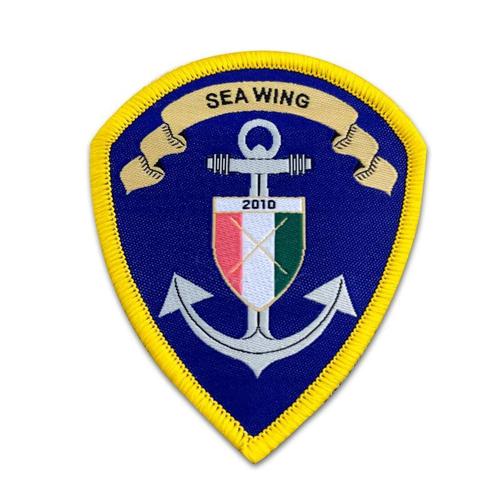






Introduction
If you’re searching for who makes custom patches, you’re probably juggling three competing priorities: you need them to look sharp up close, hold up in real-world use, and arrive on time. The frustrating part is that many suppliers can do one or two of those well—rarely all three—especially when you add tight branding rules, multiple patch types, or a last-minute event deadline.
This is where a reliable custom patches maker matters more than “lowest price.” At Best Patches, we’ve seen how small production decisions—thread density, border method, adhesive choice, QA sampling—can make the difference between a patch people proudly wear and a patch that ends up in a drawer.
A custom patches maker is a manufacturer that turns your artwork and specs (size, colors, backing, usage) into finished patches—embroidered, woven, PVC, chenille, sublimated, or leather—then quality-checks, packs, and ships them for your intended application.
In practice, the best makers also guide you away from common failure points, like over-complicated details on embroidery, the wrong heat-seal for your fabric, or weak hook-and-loop that peels after a few washes.
Table of Contents
- Who makes custom patches and what “maker” really means
- Types of custom patch makers and where they fit
- Patch types explained and when to choose each
- How to choose a custom patches maker for your project
- Pricing, MOQs, and lead times in 2026
- Quality checklist that prevents expensive reorders
- Case studies from Best Patches
- Risks, limitations, and how to avoid them
- Next steps to get a quote and approve art faster
Who makes custom patches and what “maker” really means
“Who makes custom patches?” can mean very different things depending on what you’re buying. Some companies are true manufacturers. Others are resellers who pass your order to a factory (sometimes a different factory each time). Some are print shops that only do one production method (like sublimation) and outsource everything else.
A true custom patches maker typically controls these steps:
- Pre-production review: converting your art into stitch files, weave maps, molds, or print plates
- Material selection: base fabric, thread, PVC compound, twill, felt, or leather
- Production: embroidery machines, jacquard weaving, injection molds, heat press printing
- Finishing: merrow border, laser cut, die cut, edge seal, and backing application
- Quality control: measuring size tolerances, color matching, backing adhesion checks
- Packaging and shipping: counted bagging, labeling, carton protection, tracking
In 2026, the best patch makers also take compliance seriously—especially for kids’ products, skin-contact materials, and large corporate orders—because procurement teams now expect documentation, traceability, and consistent lot quality.
Types of custom patch makers and where they fit
Direct manufacturers
Direct manufacturers generally deliver the best balance of price and consistency because they own or closely manage production. They’re ideal when you need repeat orders that match previous runs (same thread, same edge, same backing), or when your project has multiple SKUs (different sizes or backings) that must look uniform.
Specialized shops
Some makers specialize: a shop might be excellent at chenille varsity patches but limited on PVC; another may be elite at woven micro-detail patches. If your design is “all detail,” specialization can be a smart move—just confirm what they do in-house.
Resellers and brokers
Resellers can be convenient for small orders, but consistency can be hit-or-miss if they rotate factories. If you go this route, require pre-production samples and ask whether they can guarantee the same facility for reorders.
Local print and embroidery shops
Local shops are great for rush needs or hands-on collaboration, but they may not offer high-end finishing or industrial backings at scale. They’re often best for simple embroidered patches with limited colors and standard borders.
“The single biggest mistake we see is buyers choosing a ‘patch company’ that can’t explain how their backing adheres to fabric. If they can’t describe the process, you’re gambling with durability.” — A production lead we interviewed during supplier audits for Best Patches
Patch types explained and when to choose each
Embroidered patches
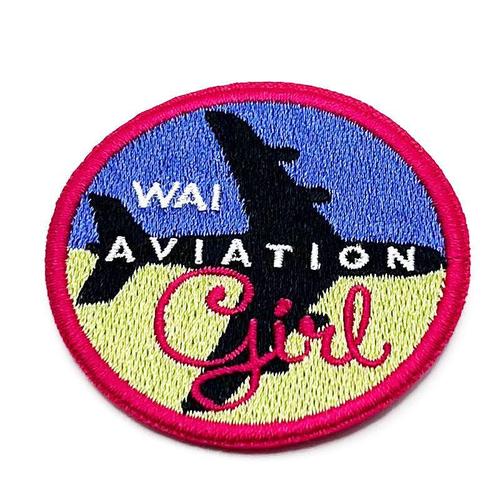
Embroidered patches are the classic choice—thread-based texture, premium look, and strong brand recognition for uniforms, clubs, and heritage-style designs. The tradeoff is detail: tiny text, thin outlines, and small gradients can get lost.
Best for: bold logos, simple icons, vintage style, tactical looks with clean shapes.
Woven patches
Woven patches use thinner threads and a weaving method that holds fine detail much better than embroidery. They look flatter but cleaner for small text and intricate designs.
Best for: micro-text, detailed crests, line art, anime-style detail, small-format patches.
PVC (rubber) patches
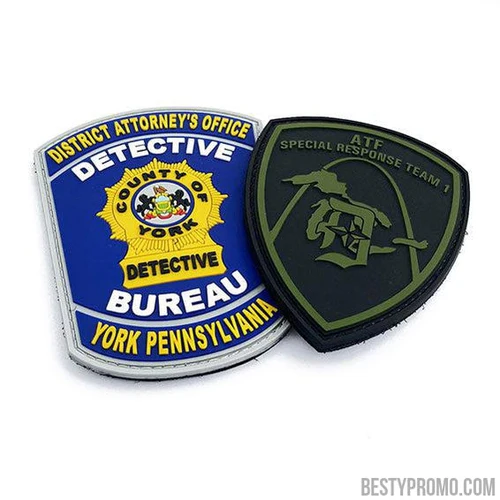
PVC patches are molded, weather-resistant, and great for outdoor gear or applications where abrasion and moisture are common. They can feel more “modern” than embroidery and handle bold 3D effects.
Best for: backpacks, outdoor brands, tactical gear, waterproof needs.
Chenille patches
Chenille is the varsity jacket look—soft, plush texture with big shapes. Fine details aren’t its strength, but visual impact is.
Best for: letters, mascots, large shapes, school or team apparel.
Sublimated/printed patches
Printed patches reproduce gradients, photos, and complex art with high fidelity. The main consideration is abrasion resistance: printed surfaces can scuff over time if used on high-wear locations.
Best for: full-color artwork, photographic detail, painterly gradients, fast turnaround prototypes.
How to choose a custom patches maker for your project
Choosing the right maker is less about hype and more about matching production method to your actual use case. Here’s the decision framework we use at Best Patches when advising teams that can’t afford a second run.
Start with the end-use, not the art
- Uniforms and wash cycles: prioritize strong stitching, durable borders, and sew-on or high-quality heat seal
- Outdoor gear: consider PVC and strong hook-and-loop; confirm UV and cold resistance expectations
- Merch drops: prioritize detail and color accuracy (woven or printed), plus fast proofing
- Events: prioritize lead time and predictable shipping, even if you simplify the design
Ask for proofing that mirrors production reality
Digital mockups are helpful, but they can hide limitations. A serious maker offers an art proof that reflects stitch direction, minimum line thickness, border constraints, and how colors will be interpreted in thread or PVC.
Use a simple vendor scorecard
When you’re comparing suppliers, focus on repeatability and risk, not just unit cost:
- Consistency: can they match prior runs and provide re-order references?
- Quality control: do they describe sampling, tolerances, and defect handling?
- Communication: do they clarify specs or just “yes” everything?
- Shipping reliability: can they commit to a ship date with tracking?
- Material and backing guidance: can they explain why a backing is right for your fabric?
Pricing, MOQs, and lead times in 2026
Patch pricing is usually driven by size, stitch count or mold complexity, number of colors, backing type, and finishing. In 2026, shipping volatility still affects landed cost, especially on tight deadlines. According to a 2024 report by Gartner on supply chain risk, organizations that build dual-sourcing and stronger supplier collaboration reduce disruption impact—this matters for patches because missed ship windows can ruin product launches and events.
Typical lead times
- Standard: often 10–20 business days after proof approval (varies by method)
- Rush: possible for some methods, but may limit options or increase defect risk
- Reorders: faster if the maker archives files and keeps consistent materials
What you can do to speed things up
- Send vector artwork (AI, SVG, EPS) and specify exact size in inches
- Choose a backing early (sew-on, heat seal, hook-and-loop, adhesive)
- Approve proofs in one pass by consolidating feedback from all stakeholders
- Avoid late color changes unless you’re prepared for extra sampling time
- Order a pre-production sample when durability is mission-critical
Comparison table for real buying scenarios
| Buyer scenario | Best patch type | Recommended backing | Why it works |
|---|---|---|---|
| Fire/EMS station uniform name patch | Embroidered | Sew-on or industrial heat seal | Handles frequent washing; classic, readable lettering |
| Outdoor brand backpack patch exposed to rain | PVC | Sew-on + optional hook-and-loop panel | Water resistance and abrasion durability for gear |
| Streetwear merch drop with tiny text and fine lines | Woven | Heat seal | Sharper detail than embroidery; clean brand presentation |
| College varsity jacket letter + mascot | Chenille | Sew-on | Iconic texture and scale; durable for heavy garments |
| Convention giveaway patch with full-color art | Printed/sublimated | Iron-on (heat seal) or peel-and-stick | High color fidelity; fast production for event timelines |
Quality checklist that prevents expensive reorders
A patch can look perfect in a photo and still fail in the field. Use this checklist to pressure-test your maker’s process.
Design proof checkpoints
- Size is explicit: don’t approve “approximate” dimensions
- Thread/Pantone guidance: confirm how colors will be matched and what “close match” means
- Minimum line thickness: especially for borders, small text, and fine outlines
- Edge method: merrow vs laser cut vs die cut changes final look and durability
Backing checkpoints
- Heat seal: confirm application instructions (time/temperature/pressure) and fabric compatibility
- Hook-and-loop: ask about stitch-down reinforcement so corners don’t lift
- Adhesive: treat as temporary unless the maker specifies industrial-grade performance
- Sew-on: confirm clean edge finishing to avoid fraying
“If a supplier can’t describe their QC beyond ‘we check before shipping,’ assume you’ll be the quality department. Ask what defect rate they consider acceptable and how they handle remakes.” — An operations advisor consulted by Best Patches for procurement playbooks
Case studies from Best Patches
A rush event patch that still looked premium
I worked with a startup team that needed patches for a partner event where every attendee would get a swag bag. The design had small typography, a gradient-like effect, and a hard ship date. Their first instinct was embroidered patches because “that’s what patches are,” but the proof showed the small text would blur at the size they wanted.
At Best Patches, we recommended switching to woven to preserve detail and using heat seal backing so attendees could apply them at home. We also simplified two micro-lines in the logo that would have created inconsistent edges. The result: they met the deadline, the text stayed readable, and the patch looked intentional rather than compromised.
Fixing a durability problem on tactical gear
In another project, I reviewed a batch of patches for a gear brand where customers complained that hook-and-loop patches were peeling at the corners after repeated use. The front looked fine, but the issue was structural: the loop layer wasn’t reinforced well enough, and the edge finishing left stress points.
We rebuilt the spec with a stronger edge finish and reinforced stitch-down on the hook-and-loop layer. For high-wear SKUs, we advised a slightly thicker PVC build to reduce warping. Returns dropped, and the brand was able to confidently reorder with consistent results—because the production details were documented, not guessed.
Risks, limitations, and how to avoid them
Even a great custom patches maker can’t break physics or fix unclear requirements. Here are the most common risks we see in 2026 and how to reduce them.
Risk: Your design is too detailed for the chosen method
How to avoid it: If you have tiny text, choose woven or printed. If you want 3D effects, PVC is a better fit than embroidery. Ask for a method recommendation based on readability at final size.
Risk: Color mismatch across reorders
How to avoid it: Provide Pantone references where possible and confirm how the maker handles thread color libraries. Document the approved proof and request consistent material sourcing for future runs.
Risk: Backing failures after washing or heat
How to avoid it: Match backing to fabric and use-case. Heat seal is not universal; some fabrics and coatings resist adhesion. For mission-critical durability, sew-on often remains the safest option.
Risk: Schedule surprises due to approvals and shipping
How to avoid it: Build time for proof revisions, sampling, and transit buffers. A 2025 Adobe survey on digital trends highlighted rising customer expectations for speed and personalization; that pressure can push teams to rush approvals. Don’t let timeline panic force a bad spec.
Limitation: “Eco-friendly” claims can be vague
Many suppliers market eco-friendly materials, but claims vary widely. If sustainability matters, ask for material details, waste handling practices, and packaging options. According to a 2023 McKinsey analysis on sustainability, consumers increasingly scrutinize environmental claims—so it’s worth getting specifics you can stand behind.
Next steps to get a quote and approve art faster
If you want a smooth ordering experience, treat your first message to a custom patches maker like a mini spec sheet. This reduces back-and-forth and helps you get a more accurate quote.
- Send your artwork in vector format (AI/SVG/EPS) or a high-res PNG (300 DPI)
- State the size in inches (width and height)
- Choose patch type (embroidered, woven, PVC, chenille, printed) or ask for a recommendation
- Select backing (sew-on, heat seal, hook-and-loop, adhesive)
- Share quantity and deadline including “must-arrive-by” date and delivery ZIP code
At Best Patches, we typically recommend approving a proof only after you confirm three things: readability at actual size, correct edge method, and backing that matches the real fabric your patch will live on.
Conclusion
Who makes custom patches well in 2026 comes down to one thing: a maker that can consistently translate your design into the right production method, with the right backing, and the right QA—so you don’t pay twice for the same project. The “best” custom patches maker for you is the one whose strengths match your end-use, not the one with the loudest marketing.
Best Patches recommends these next actions if you’re ready to move:
- Finalize your use-case (uniforms, gear, merch, event) before choosing patch type
- Request a production-realistic proof that includes edge and backing details
- Order a pre-production sample when wash resistance, abrasion, or brand consistency is critical
References
- Gartner (2024): Supply chain risk and resilience research used to support guidance on collaboration, dual sourcing, and disruption planning.
- McKinsey (2023): Sustainability and consumer scrutiny insights used to frame eco-claim verification and documentation.
- Adobe (2025): Digital trends and customer expectations referenced to explain speed pressures that can impact approval quality.
FAQ
How do I choose the right custom patches maker for my brand?
-
Pick a maker based on end-use and repeatability: ask what patch type they recommend for your design, request a production-realistic proof (edge + backing included), and confirm how they handle QC and reorders. If you expect future runs, prioritize suppliers who document specs and can match previous batches.
What backing should I choose for patches that will be washed often?
-
For frequent washing, sew-on is usually the most reliable option. High-quality industrial heat seal can also work well, but it depends on the garment fabric and correct application (heat, pressure, and time). If durability is mission-critical, ask your maker for wash-test guidance or a pre-production sample.
What’s the difference between embroidered and woven patches?
-
Embroidered patches use thicker threads and have more texture, which looks bold and classic. Woven patches use thinner threads and hold fine details (small text, thin lines) more clearly, but they feel flatter. If your design is detail-heavy, woven is often the safer pick.
How long does it take to produce custom patches in 2026?
-
Many orders fall in the 10–20 business day range after proof approval, but timing changes based on patch type, quantity, sampling, and shipping method. If you’re on a deadline, share a “must-arrive-by” date and ask whether rush production will affect available options or quality controls.
What file format should I send to a patch manufacturer?
-
Vector files (AI, SVG, EPS) are ideal because they scale cleanly and help the maker build accurate stitch or weave maps. If you only have a raster image, send a high-resolution PNG (around 300 DPI) with a transparent background when possible, and include the exact final size in inches.
How can I reduce defects when ordering patches in bulk?
-
Reduce defect risk by locking specs early and requiring production-realistic approvals. Practical steps include:
-
Approve a proof that shows edge method and backing placement
-
Confirm minimum readable text at your chosen patch size
-
Ask for a pre-production sample for high-stakes orders
-
Request photos of the front and back during QC
What should I ask a custom patches maker before paying?
-
Ask questions that reveal consistency and accountability:
-
What are the exact dimensions and tolerances?
-
Which patch type do you recommend for readability at this size?
-
What QC process do you use (sampling, defect handling, remakes)?
-
Can you match reorders and keep production consistent?
-
What is the ship date and what shipping method will be used?
How do I know if a custom patches maker is right for my design?
-
A good fit is a maker who will pressure-test your artwork instead of blindly accepting it. They should flag tiny text, overly thin lines, or color limitations and recommend changes like switching from embroidered to woven, increasing patch size, or simplifying details—before production starts.