 Promotional Products

















Introduction
If your lanyard fails at the attachment point, the whole product fails with it. That is why custom lanyard attachments matter far more than most buyers expect. The wrong hook can slow badge scanning, a weak split ring can drop keys, and a poor breakaway clasp can create safety issues in schools, hospitals, plants, and events.
At Best Patches, we see this problem constantly: buyers focus on strap color and logo placement first, then treat the hardware as an afterthought. That usually leads to avoidable reorders, user complaints, and mismatched performance in the field. The attachment is not a minor accessory. It determines how the lanyard behaves under real daily wear.
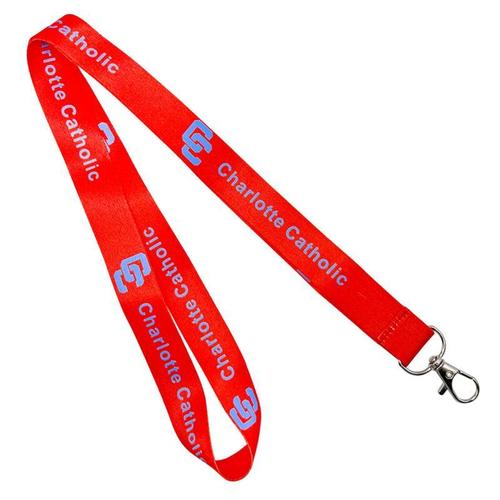
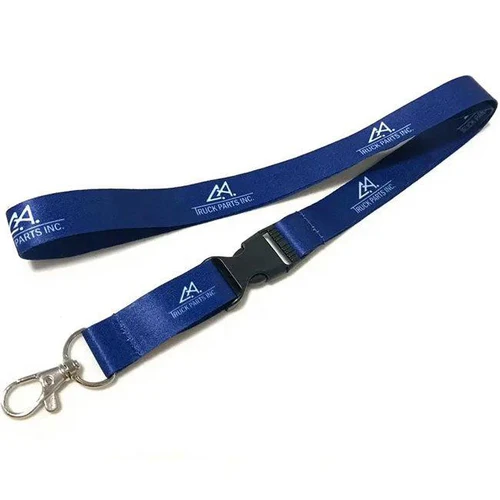
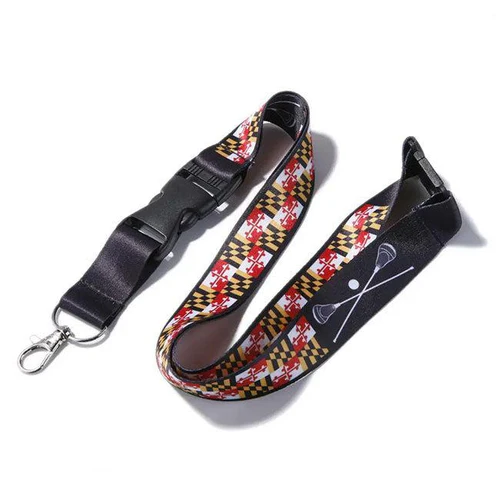
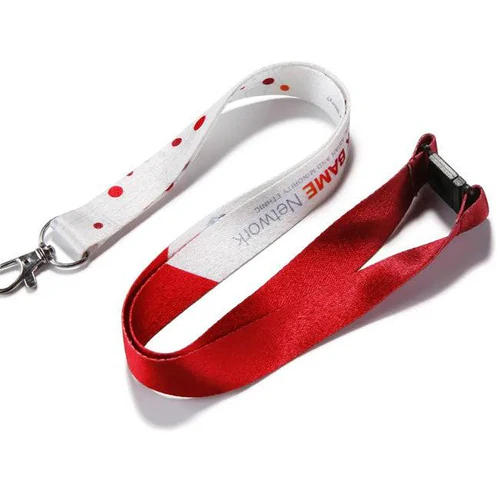
Custom lanyard attachments are the hardware components fixed to a lanyard so it can carry ID cards, keys, access badges, tools, or reels safely and conveniently. Common options include swivel hooks, bulldog clips, breakaway clasps, badge reels, split rings, and rigid or soft ID holders. The best choice depends on the user, environment, security needs, and comfort requirements.
That is especially true in 2026, when workplaces are mixing physical access control, mobile credentials, and stronger safety standards. According to the U.S. Bureau of Labor Statistics, workplace injury prevention remains a major operational priority across manufacturing, education, and healthcare, which makes breakaway design and reliable attachment hardware more than a style choice. At the same time, event organizers and employers are asking for more durable, branded systems that look polished and reduce replacement frequency.
Table of Contents
- Types of custom lanyard attachments
- Hooks and clips: where they work best
- Breakaway clasps and safety requirements
- Badge reels for access-heavy environments
- ID holders and card protection options
- How attachments compare by use case
- How to choose the right attachment setup
- Common mistakes buyers make
- What we learned at Best Patches
Types of custom lanyard attachments
Not every lanyard attachment does the same job, even when two products look similar in a catalog. The practical difference usually comes down to rotation, pull strength, card access, user safety, and how many items the user carries.
The most common hardware categories include:
- Swivel hooks: Great for badges, keys, or pouches that need to move freely without twisting the strap.
- Bulldog clips: Best for slot-punched badges and lightweight credentials.
- Split rings: Common for keys, mini tools, and multi-item carry.
- Lobster clasps: A cleaner, more secure option for detachable accessories.
- Breakaway clasps: Built for neck safety if the lanyard gets pulled or caught.
- Badge reels: Ideal when users need to tap or scan ID cards repeatedly.
- Soft vinyl ID holders: Useful for standard visible credential display.
- Rigid card holders: Better for higher card protection and longer wear cycles.
There is also a growing trend toward dual-function setups, such as a breakaway neck clasp combined with a detachable buckle and a reel. That kind of hybrid build is especially useful for staff who switch between showing badges, scanning cards, and detaching keys through the day.
Hooks and clips: where they work best
Swivel hooks for flexibility
Swivel hooks are among the most versatile choices in custom lanyard attachments because they reduce tangling and allow the carried item to rotate naturally. If a badge flips often or keys tend to twist around the strap, a swivel hook usually solves it. For busy office staff, trade show teams, and campus workers, that small improvement makes the lanyard feel easier to use all day.
Metal swivel hooks also tend to project a more premium look than basic clips, which matters for visitor-facing environments. If brand presentation matters, this is often the safest default option.
Bulldog clips for straightforward badge display
Bulldog clips are simple and effective when users wear a slot-punched badge with no need for frequent card extension. They are easy to attach and economical at scale. The downside is that they are less useful for thicker holders, key carry, or high-movement jobs. If the user bends, lifts, or walks quickly all day, the badge may flip more than expected.
Split rings and lobster clasps for keys and detachable items
Split rings remain the standard for keys because they hold multiple items securely. Lobster clasps, meanwhile, are easier to detach quickly. If your users need to hand off a key, whistle, mini sanitizer, or small pouch without removing the entire lanyard, lobster clasps are the better pick.
“The right hook is not the one with the lowest unit cost. It is the one that lowers friction for the user every single day.”
Breakaway clasps and safety requirements
Breakaway clasps are often treated as optional, but in many environments they should be standard. Schools, healthcare systems, warehouses, factories, and childcare organizations frequently prefer or require them because they reduce strangulation risk when a lanyard is pulled, snagged, or grabbed.
A breakaway clasp is usually placed behind the neck and opens under pressure. The exact release force varies by design and material, so buyers should never assume all breakaways perform the same way. Lower-quality clasps can open too easily, while overly stiff ones may not release quickly enough in a safety event.
According to OSHA guidance on workplace hazard prevention, employers should identify caught-in and snagging risks in environments with moving equipment or active material handling. While OSHA does not prescribe one universal lanyard design for every industry, the logic is clear: if neck-worn items can become entangled, safer release features deserve attention.
When breakaway clasps are essential
- Manufacturing floors with equipment and moving parts
- K-12 schools where staff work around students throughout the day
- Hospitals and clinics with frequent motion, patient interaction, and shift work
- Warehouses, logistics sites, and back-of-house operations
- Any workplace with a formal safety procurement policy
Badge reels for access-heavy environments
Badge reels solve a very specific problem: constant badge presentation. In offices, hospitals, transit systems, labs, and secured buildings, employees may tap or scan their credentials dozens of times a day. Without a reel, they either remove the card repeatedly or awkwardly pull the lanyard toward the reader.
A reel adds extension and retraction, making access faster and reducing card bending. This is one reason reels are so common in healthcare and corporate campuses. HID Global has repeatedly noted in its recent access control reporting that mobile and physical credentials continue to coexist, rather than one instantly replacing the other. That means physical badge presentation is still very much part of everyday operations in 2026.
When a reel is the right choice
Use a badge reel when:
- The user scans or taps into doors frequently.
- The credential must remain visible yet quickly accessible.
- The card should stay attached to the person at all times.
- The lanyard wearer has limited time or free hands during movement.
Potential drawbacks of badge reels
Reels are useful, but they are not ideal in every setting. Low-grade reels can jam or lose tension after heavy use. Bulky reels may feel awkward on thinner fashion lanyards. They also add another mechanical point of failure. If your team only needs passive display for conferences or short-term visitor badges, a simple clip may be smarter and cheaper.
“Badge reels are productivity hardware. In a high-access building, shaving even a few seconds off every door interaction adds up fast.”
ID holders and card protection options
ID holders are where usability, visibility, and card protection come together. A holder can preserve a credential for months longer than a loose badge, but it can also create scanning frustrations if the format is wrong for the reader or the user’s workflow.
Soft vinyl ID holders
Soft holders are lightweight, affordable, and widely used for events, conventions, schools, and temporary staff programs. They work well when cards need visible front-facing display and basic protection from moisture or bending. The tradeoff is durability. Over time, soft holders can cloud, crease, or tear, especially in hot or high-friction conditions.
Rigid ID card holders
Rigid holders protect cards better and keep them flat, which helps when credentials contain embedded chips or are used for longer terms. They are a strong option for employee access cards, transportation badges, and government or hospital ID programs. Some models offer thumb slots for easy card removal; others are sealed more tightly for higher retention.
Vertical versus horizontal orientation
This sounds minor until deployment begins. If your badge design, scanner placement, or visual branding assumes portrait orientation but you order horizontal holders, the user experience suffers immediately. Always match holder orientation to the printed credential layout and the way the badge is worn in motion.
How attachments compare by use case
| Attachment Type | Best Business Scenario | Main Advantage | Primary Limitation |
|---|---|---|---|
| Swivel Hook | Corporate offices, trade shows, universities | Flexible movement and premium appearance | Not ideal alone for constant badge scanning |
| Bulldog Clip | Conferences, visitor passes, short-term events | Low cost and easy badge attachment | Less secure for heavier items or active movement |
| Breakaway Clasp | Schools, hospitals, warehouses, plants | Improved neck safety under tension | Quality varies widely between suppliers |
| Badge Reel | Hospitals, secured offices, transit staff | Fast scan-and-return access | Mechanical wear over time |
| Rigid ID Holder | Long-term employee credentials, labs, government | Strong card protection and clean display | Bulkier than soft holders |
How to choose the right attachment setup
The best buying decisions start with workflow, not hardware names. Ask what the wearer actually does all day. Do they scan in constantly? Carry keys? Work near machinery? Need to present a visible badge to visitors? Once you answer those questions, the right combination becomes much easier to identify.
A practical selection framework
- Define the primary carried item. Card, keys, tools, or a mix.
- Map the user’s daily motion. Desk work, patient care, line work, campus walking, or event staffing.
- Assess risk. Snag hazards, theft concerns, badge loss, or card wear.
- Choose safety features. Add a breakaway clasp if neck pull risk exists.
- Decide on access frequency. Use a reel for repeated scans.
- Match the holder to the credential. Soft for temporary use, rigid for long-term protection.
- Test before bulk ordering. Sample kits save expensive correction later.
According to the 2024 IBM report on the cost of data breaches, credential misuse and access management weaknesses continue to carry serious operational costs. Physical access tools are only one piece of security, but poor badge handling and unreliable carry methods still create avoidable exposure. That is one reason procurement teams are paying more attention to attachment quality, not just lanyard print quality.
Common mistakes buyers make
The most expensive lanyard problems usually start with small assumptions. Here are the mistakes we see most often:
- Choosing by price alone: Cheap hardware can fail early and raise replacement costs.
- Ignoring the environment: A setup that works at a trade show may fail in a hospital or warehouse.
- Using one attachment for every department: HR, security, and floor staff often need different hardware.
- Skipping holder orientation checks: Vertical and horizontal mismatches cause instant frustration.
- Underestimating safety needs: No breakaway feature in a snag-risk environment is a preventable error.
- Overbuilding for light use: Not every visitor badge program needs a premium reel and rigid holder.
There is also a branding angle here. A well-designed lanyard with poor hardware feels cheap in the hand. Buyers notice that quickly, especially at conferences, retail openings, and institutional events where staff presentation matters.
What we learned at Best Patches
I remember one project at Best Patches for a regional healthcare group that initially requested a standard printed lanyard with a basic clip. On paper, that sounded fine. After a short intake call, we learned their staff were tapping secure doors all shift, carrying photo IDs, and moving quickly between patient areas. A simple clip would have slowed them down and damaged cards faster.
We recommended a different configuration: a rear breakaway clasp for safety, a badge reel for constant access, and a more protective holder for long-term use. After rollout, the client reported fewer badge replacements and much smoother day-to-day entry at secured doors. That is the kind of improvement buyers rarely see in a product mockup but feel immediately in real use.
On another order, I worked with an event organizer who wanted one low-cost attachment type for hundreds of volunteers, vendors, and backstage staff. We pushed back. The volunteers only needed visible passes, so lightweight clips and soft holders were enough. Backstage teams, however, needed detachable keys and repeated access control. We split the order by job role. It cost a bit more upfront, but it prevented confusion, improved speed, and looked far more professional on event day.
That is the broader lesson: the best custom lanyard attachments are rarely chosen in isolation. They are selected as part of a system built around real people, real movement, and real risk.
Conclusion
Hooks, breakaway clasps, badge reels, and ID holders each solve different problems. The best setup depends on how often the badge is used, what else the lanyard carries, whether safety release is needed, and how long the credential must last. Hardware is not a finishing touch. It is the performance core of the lanyard.
Best Patches recommends three next steps:
- Audit how your staff or attendees actually use their badges and keys during the day.
- Request samples of two or three attachment combinations before placing a bulk order.
- Match safety features and holder style to the environment instead of forcing one setup for every user group.
References
- U.S. Bureau of Labor Statistics: Workplace safety and injury trend data that supports smarter safety-focused product selection.
- OSHA: Hazard prevention guidance relevant to snagging, caught-in risks, and safer workplace practices.
- HID Global: Access control and credential trend reporting that shows the continued role of physical badges alongside digital systems.
- IBM Cost of a Data Breach Report 2024: Security context showing why access management details still matter operationally.
FAQ
What are custom lanyard attachments?
Custom lanyard attachments are the hardware pieces added to a lanyard so it can hold badges, keys, reels, or card holders. Common examples include swivel hooks, bulldog clips, split rings, breakaway clasps, and badge reels.
Which attachment is best for employee ID badges?
It depends on how the badge is used:
Badge reel: Best for frequent door scanning
Bulldog clip: Good for simple visible display
Swivel hook with holder: Strong all-around option for daily office wear
Do I need a breakaway clasp on a work lanyard?
If the wearer works in a school, hospital, warehouse, factory, or any environment with snagging risk, a breakaway clasp is usually a smart choice. It improves safety by releasing under pressure when the lanyard is pulled.
Are badge reels better than clips?
Badge reels are better for frequent scanning because they extend and retract easily. Clips are better for lower-cost, lower-use programs where the badge mostly needs to stay visible.
What ID holder should I choose for long-term use?
A rigid ID holder is usually the better choice for long-term employee credentials because it protects the card from bending, edge wear, and daily friction better than most soft holders.
How do I choose custom lanyard attachments for mixed staff roles?
Start by grouping users by workflow instead of department name:
High-access staff: reel plus holder
Safety-sensitive staff: breakaway clasp
Key-carry users: split ring or detachable buckle
Visitors or event teams: lighter clip-based setup