 Promotional Products






Introduction
If you are comparing vendors, timelines, and price breaks, the phrase custom lanyard MOQ matters more than most buyers expect. MOQ shapes your unit cost, packaging options, production speed, and even whether a factory will accept your design at all. For procurement teams, event planners, schools, and resellers, getting this number wrong can lead to overbuying, stock waste, or rush fees that erase the savings of a bulk order.
That is why experienced buyers usually ask about MOQ before they approve artwork. At Best Patches, we see the same pattern across trade shows, campus programs, nonprofit campaigns, and corporate access badge projects: buyers focus on color and price first, then realize too late that minimums change by material, attachment, print method, and customization depth.
Custom lanyard MOQ means the minimum number of lanyards a supplier requires for one design, material, or production run. It is not just a sales rule. It is a manufacturing threshold based on setup time, raw material planning, printing efficiency, and packaging economics.
In plain terms, MOQ tells you the smallest order that makes production workable for the supplier and financially reasonable for the buyer. Once you understand how MOQ is calculated, you can negotiate smarter, reduce waste, and choose a lanyard program that actually fits your use case.
Table of Contents
- What MOQ really means for custom lanyards
- Why factories set minimums in the first place
- Typical MOQ ranges by lanyard type
- The cost drivers that push MOQ up or down
- Best MOQ strategy by buyer type
- What we learned from real Best Patches orders
- Common MOQ mistakes and hidden risks
- How to negotiate a better MOQ without hurting quality
- A practical pre-order checklist
What MOQ really means for custom lanyards
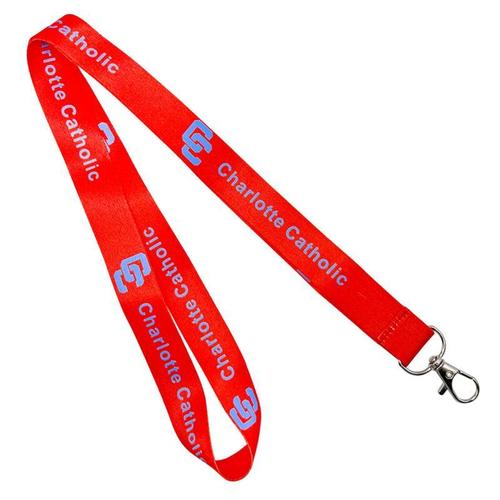
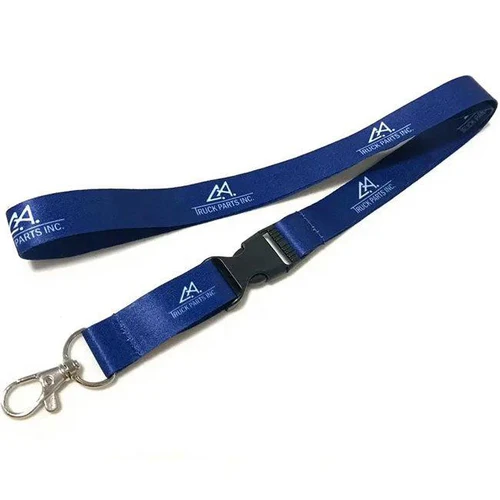
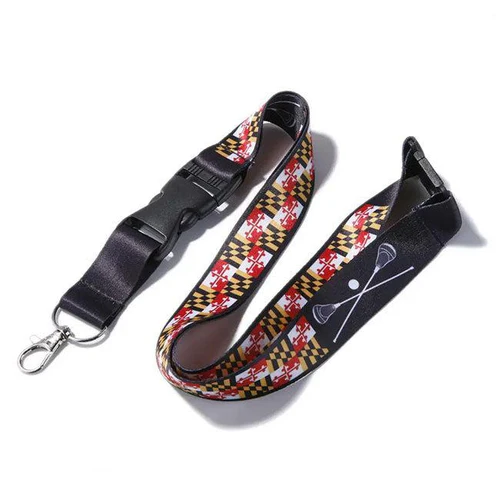
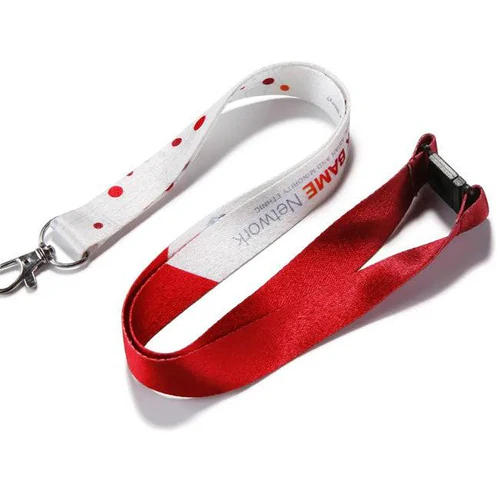
MOQ is often treated like a simple minimum quantity line on a quote, but for lanyards it is more layered than that. A supplier may advertise a low MOQ, yet apply different minimums based on one-color screen print, dye sublimation, woven construction, safety breakaway, buckle add-ons, or custom attachment hardware.
For buyers, the most important distinction is this: MOQ can apply to the entire order, to each design, to each colorway, or to each SKU. If you need 500 total lanyards in five departments with five logos, a factory with a 100-piece MOQ per design may work. A factory that requires 300 pieces per design may not.
In procurement terms, MOQ affects:
- Whether your campaign is financially viable
- How many design variations you can afford
- How much inventory you must store
- Your reorder flexibility
- Your final per-unit landed cost
According to the 2024 State of B2B Procurement study by Amazon Business, cost control and supplier reliability remain two of the top pressures on purchasing teams. MOQ sits right in the middle of both, because it influences upfront spending while also revealing how operationally mature a supplier really is.
Why factories set minimums in the first place
Factories do not create minimums just to make small buyers uncomfortable. They set them because every production run includes fixed costs that exist whether you order 50 pieces or 5,000. Artwork setup, machine calibration, thread or dye prep, attachment assembly, QA checks, and packaging all consume labor before volume efficiencies kick in.
That is especially true for customized products with branding. A plain stock lanyard can often be picked, packed, and shipped in tiny quantities. A branded lanyard with PMS-matched colors, a safety breakaway, and a detachable buckle needs far more setup coordination.
Here are the most common drivers behind MOQ:
- Press or print setup time: Screen setup or sublimation file prep adds fixed labor.
- Material waste thresholds: Narrow webbing, dye lots, and backing materials are purchased in batch quantities.
- Attachment sourcing: Clips, buckles, and badge reels may be stocked in cartons, not singles.
- Quality assurance: Inspection costs do not disappear on small runs.
- Packing efficiency: Individual bagging, barcoding, and kitting can force higher minimums.
“A low MOQ is only attractive if the supplier can still hold color consistency, attachment quality, and delivery dates. Otherwise, the buyer pays for the low minimum somewhere else.”
That tradeoff matters in 2026 even more than it did a few years ago. Deloitte’s 2024 supply chain research noted that procurement teams are prioritizing resilience and predictability over headline pricing alone. In custom promotional products, MOQ is one of the clearest signals of how a supplier balances efficiency with flexibility.
Typical MOQ ranges by lanyard type
There is no universal MOQ for custom lanyards. The number depends on how the lanyard is made and how much customization is involved. The ranges below reflect common market behavior for bulk buyers rather than a one-size-fits-all promise.
| Lanyard Type | Typical MOQ | Common Buyer | Why the MOQ looks like this |
|---|---|---|---|
| Screen-printed polyester | 100-300 units | Schools, local events, small businesses | Moderate setup cost and efficient repeat printing |
| Dye-sublimated lanyards | 100-250 units | Trade shows, marketing teams, nonprofits | Good for multicolor art with flexible production |
| Woven lanyards | 250-500 units | Corporate programs, long-term use cases | More production complexity and longer setup time |
| Tube lanyards with stock hardware | 50-200 units | Budget campaigns, student groups | Simpler construction can support smaller runs |
| Eco-material or premium accessory builds | 250-1,000 units | National brands, sustainability programs | Special materials and sourced components raise minimums |
These ranges are helpful, but they can still mislead buyers if they ignore one variable: design count. A vendor may accept 100 units total, but only if all 100 use the same art, same color webbing, and same hardware combination.
When low MOQ is realistic
Low MOQ tends to be realistic when the design is simple, the material is standard polyester, and the hardware is stocked rather than custom. If you need one logo, one color family, and one standard swivel hook, a smaller run has a better chance of approval.
When higher MOQ is unavoidable
Higher MOQ usually appears when buyers ask for woven logos, exact brand color matching, recycled materials, unusual widths, specialty clips, or individually packed kits for staff onboarding or conferences. Each extra variable makes production less modular.
The cost drivers that push MOQ up or down
Bulk buyers should stop looking at MOQ in isolation. A minimum quantity is really the output of several cost drivers working together. Once you know those drivers, you can redesign the quote in your favor.
Print method and color complexity
Screen printing can be cost-effective for simple logos, but every added color may increase setup effort. Dye sublimation usually handles complex, full-color graphics more efficiently, especially if your brand standards require gradients or edge-to-edge art.
Material choice
Polyester is typically the easiest route to lower minimums. RPET, bamboo fiber, woven finishes, or high-end textured straps often come with stricter factory thresholds because the raw materials are sourced and consumed in larger predefined lots.
Hardware and accessories
Breakaway clasps, detachable buckles, metal crimp finishes, badge reels, phone holders, and custom hooks all influence MOQ. Buyers often miss this point because the base lanyard quote looks reasonable until attachments are added.
Packaging requirements
If you need retail-ready bagging, barcode labels, inserts, or sorted kits by department, MOQ can climb fast. Custom packaging is a production project on its own.
Best MOQ strategy by buyer type
The right MOQ strategy depends on why you are buying. A school spirit shop should not use the same ordering logic as a national conference planner.
Event planners
For one-off events, the biggest risk is leftover stock. Focus on low to moderate MOQ, fast lead time, and one flexible design. Paying slightly more per unit can be smarter than warehousing extras after the event ends.
Corporate procurement teams
For long-term internal use, a higher MOQ can make sense if the brand system is stable. Your goal is to reduce reorder frequency, lock in hardware consistency, and standardize ID badge accessories across locations.
Schools and universities
Schools often need multiple groups served at once: staff, students, visitors, athletics, and clubs. The better move is often a shared base lanyard with limited variable elements instead of many small custom batches.
Resellers and agencies
If you are buying for clients, MOQ should be evaluated against your margin and your client approval cycle. A cheap unit price can turn expensive if revisions delay sign-off and you are holding inventory for months.
A practical decision process looks like this:
- Define your total required quantity and how many designs are involved.
- Separate must-have features from nice-to-have upgrades.
- Request quotes on two or three production methods, not just one.
- Ask whether MOQ applies per design, per color, or per hardware combination.
- Calculate landed cost, including overage, storage, and packaging labor.
- Approve a physical sample or digital proof with exact specifications.
“The smartest MOQ decision is not the smallest number. It is the quantity that gives you cost efficiency without creating dead inventory.”
What we learned from real Best Patches orders
I have worked with buyers who initially pushed for the lowest possible minimum, only to realize that the total program cost rose after revisions, split shipments, and packaging changes. One order that stands out involved a regional healthcare network preparing for a multi-site badge refresh. They wanted custom lanyards for five departments, each with a separate color stripe and role identifier.
At first, the buyer asked for a low per-design quantity to avoid excess inventory. On paper, that sounded efficient. But once we mapped the production details at Best Patches, the setup burden across five separate SKUs made the quote less attractive than expected. I recommended a shared master design with department identification moved to a lower-cost insert and badge reel color system. That change reduced complexity, kept branding clean, and improved the total order economics without compromising functionality.
In another case, I worked with a nonprofit preparing for an annual fundraising walk. Their first request was a premium woven lanyard because they wanted durability and texture. The issue was timing. Their forecast was only 200 units, and woven production created a higher MOQ and longer lead time than the event allowed. We shifted them to dye sublimation with a strong color-rich design, and the result delivered the look they wanted at a lower threshold and faster turnaround. The team avoided rush charges and did not end up with several hundred extra pieces after the event.
Those two projects reinforced a simple truth: MOQ is not just a number to negotiate down. It is a design and operations variable you can often solve upstream.
Common MOQ mistakes and hidden risks
Many bulk buyers lose money not because they chose the wrong vendor, but because they evaluated MOQ too narrowly. The most expensive lanyard order is often the one that looked cheapest in the first quote.
Confusing low MOQ with low total cost
A supplier may offer a small minimum but charge heavily for setup, artwork changes, or shipping. A slightly higher MOQ with stronger production efficiency can be the better deal.
Ignoring inventory carrying cost
If your organization stores branded items across multiple offices, extra stock has a real cost. Warehousing, shrinkage, outdated branding, and forgotten cartons all reduce the value of a “cheap” bulk deal.
Over-customizing too early
When teams add premium clips, safety releases, phone tethers, and retail packaging before validating demand, MOQ climbs and flexibility disappears. It is often smarter to standardize the core lanyard first.
Missing lead-time implications
MOQ and speed are linked. Lower-volume custom runs may be squeezed into production windows less efficiently, while larger organized runs can move more smoothly. On the other hand, highly specialized high-MOQ projects may take longer because sourcing is more complex.
According to McKinsey’s 2024 research on supply chain management, companies continue to prioritize transparency and planning discipline to avoid avoidable cost spikes. For custom merchandise buyers, that means clarifying MOQ, timeline, and spec lock dates before artwork approval, not after.
How to negotiate a better MOQ without hurting quality
Negotiating MOQ is less about pressure and more about reducing production friction for the supplier. If you help the factory streamline the order, you usually get better flexibility.
Standardize where it does not hurt the brand
Keep one width, one attachment style, and one packaging format across the order. Limit variation to the printed artwork if possible.
Consolidate designs
If several departments need similar lanyards, build around one master template. Tiny visual changes can multiply the MOQ impact if they create separate production runs.
Be flexible on timing
Suppliers are sometimes more willing to accept lower minimums if they can slot your job into a non-rush schedule. Give a realistic delivery window when possible.
Ask about mixed-run options
Some suppliers can combine colorways or artwork variants into a single larger material run. This is especially useful for organizations with multiple branches or audience segments.
Use repeat-order logic
If you expect ongoing demand, discuss a larger first run with staggered shipping or partial inventory holding. That can reduce unit cost while avoiding immediate overstock at your location.
A practical pre-order checklist
Before you place a lanyard order, verify the details that most often create MOQ misunderstandings.
- What is the MOQ per design, not just per order?
- Does MOQ change by print method or material?
- Are attachments and breakaways included in the quoted minimum?
- Can multiple colorways be combined in one run?
- What overrun or underrun percentage should you expect?
- Is sampling available before mass production?
- How do packaging and labeling affect the minimum?
- What happens if artwork changes after proof approval?
- Are there storage or split-shipment options for larger buys?
One more point matters in 2026: compliance and sustainability claims. If a supplier promotes recycled materials or safety-tested components, ask for the supporting documentation before approving a high-MOQ order. A sustainability premium only pays off if the claim is verifiable and aligned with your brand standards.
Conclusion
The right custom lanyard MOQ is the one that matches your design complexity, timeline, and inventory reality, not the one that simply looks smallest on a quote sheet. Buyers who understand how MOQ connects to print method, hardware, packaging, and supplier operations make better purchasing decisions and avoid expensive rework.
Best Patches recommends three practical next steps:
- Request side-by-side quotes for at least two lanyard construction methods before locking your spec.
- Clarify whether MOQ applies per design, per colorway, or per accessory combination.
- Test a simplified version of your lanyard program first if demand or distribution is still uncertain.
References
- Amazon Business, 2024 State of B2B Procurement: Provided context on procurement priorities such as cost control and supplier reliability.
- Deloitte, 2024 supply chain research: Supported the point that resilience and predictability are major purchasing priorities.
- McKinsey, 2024 supply chain management research: Reinforced the need for transparency, planning discipline, and cost-risk visibility.
FAQ
What does custom lanyard MOQ mean?
It means the minimum number of custom lanyards a supplier requires for a specific design or production run. That threshold usually depends on setup time, material sourcing, print method, and hardware selection.
What is a typical custom lanyard MOQ for bulk buyers?
For many standard custom lanyards, the MOQ falls between 100 and 300 units. Premium materials, woven construction, or specialty hardware can push that number higher.
Can I get a lower MOQ if I simplify the design?
Yes, often you can. Standard polyester, fewer colors, stock hardware, and simple packaging can make a supplier more flexible on minimums.
Does MOQ apply to the total order or each design?
It depends on the supplier. Some factories apply MOQ to the entire order, while others apply it to each unique design, colorway, or hardware setup. Always confirm this before payment.
Why does hardware change the minimum order quantity?
Attachments such as breakaway clasps, detachable buckles, and custom clips may be sourced in bulk cartons. That changes the production economics and can increase the MOQ even if the lanyard itself is standard.
Is a higher MOQ always a better value?
Not always. A higher MOQ may lower unit price, but it can also create excess inventory, storage costs, and outdated stock if your branding or demand changes.
How should I compare two suppliers with different MOQs?
Compare total landed cost, not just the minimum quantity. Include setup fees, shipping, timeline reliability, inventory risk, and how MOQ applies to each design variation.