 Promotional Products


Introduction
Choosing the right Custom Lanyard Materials is where most buyers either save money or create expensive disappointment. A lanyard that looks great in a mockup can feel scratchy on the neck, print poorly, fray too early, or send the wrong message about your brand. If you are ordering for trade shows, schools, hospitals, retail teams, or merch drops, material choice affects comfort, durability, print quality, sustainability claims, and total cost more than most people expect.
That is exactly where experienced suppliers matter. Best Patches works with organizations that need lanyards to do more than hold an ID card. They need to support branding, daily wear, safety attachments, and procurement goals without creating quality complaints six weeks later. The material you choose changes how your logo appears, how the product performs in heat or moisture, and how people judge your brand the second they touch it.
Custom Lanyard Materials are the fabrics or substrate types used to make branded lanyards, including polyester, nylon, woven blends, tube styles, and recycled or eco-focused options. Each material has different strengths in print sharpness, texture, cost, sustainability profile, and long-term wear.
If you want the short version, polyester is usually the most versatile and budget-friendly, nylon delivers a smoother premium finish, and eco options appeal to brands with sustainability goals but require closer review of sourcing, feel, and print limitations.
Table of Contents
- What Really Matters When Comparing Materials
- Polyester Lanyards
- Nylon Lanyards
- Eco-Friendly Lanyard Options
- Side-by-Side Material Comparison
- Best Material for Different Business Uses
- How to Choose the Right Material
- Common Buying Mistakes
- What We Have Seen at Best Patches
- Final Thoughts and Next Actions
What Really Matters When Comparing Materials
Most buyers start with color and price. That is understandable, but it is not enough. Material affects nearly every performance factor that matters after delivery. Before comparing polyester, nylon, and eco options, it helps to judge every lanyard material by the same criteria.
- Print quality: How sharp and saturated logos, gradients, and text appear
- Hand feel: Whether the lanyard feels smooth, soft, stiff, or textured against skin
- Durability: Resistance to fraying, fading, stretching, and wear
- Cost efficiency: Unit price at scale and value over time
- Sustainability profile: Recycled content, renewability, traceability, and disposal impact
- Use environment: Office wear, event use, outdoor conditions, healthcare, or industrial needs
According to the 2024 ASI Ad Impressions Study, usefulness remains one of the strongest drivers of promotional product retention. That matters because lanyards are often worn repeatedly in visible settings, meaning material quality directly influences brand exposure and user satisfaction. A cheap-feeling lanyard may still function, but it can quietly lower perceived brand value.
Polyester Lanyards
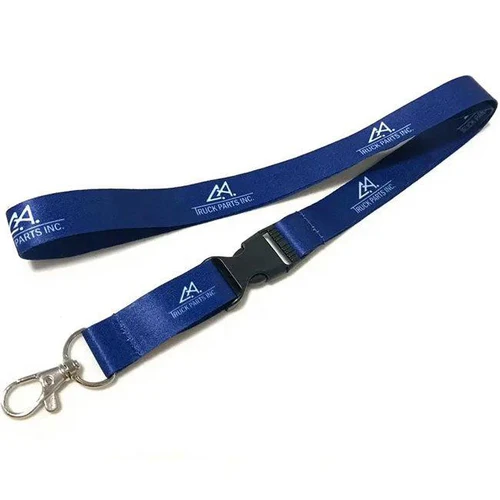
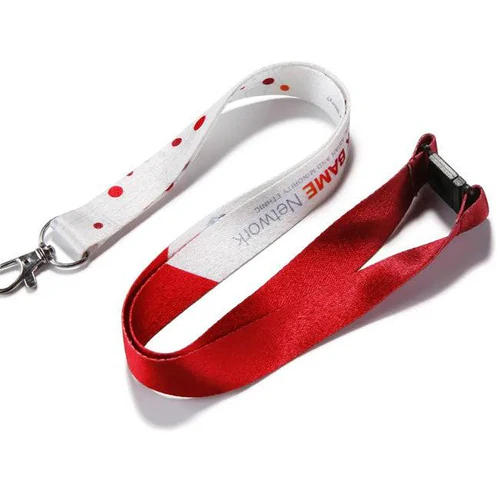
Polyester is the workhorse of the lanyard market for good reason. It is affordable, widely available, dependable for large runs, and compatible with several decoration methods such as screen printing, dye sublimation, and woven construction. For many buyers, polyester hits the best balance between performance and budget.
Why polyester is so common
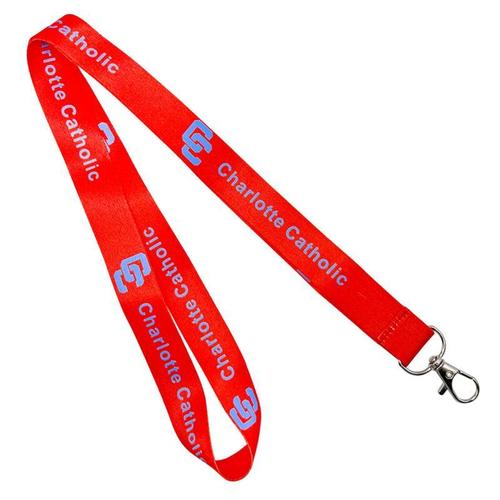
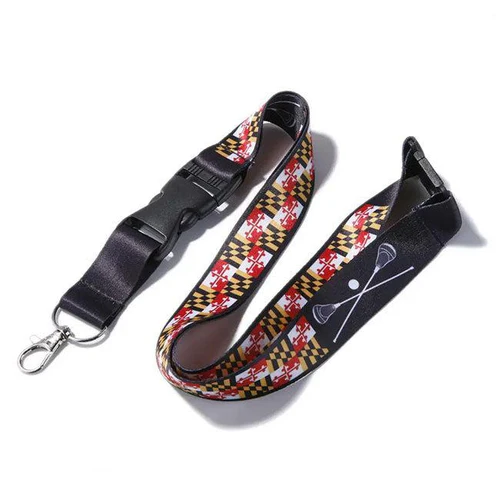
Polyester fibers offer consistent strength and good dimensional stability, which helps lanyards keep their shape during everyday wear. They also hold color well when decorated properly. Sublimated polyester in particular allows all-over printing with strong visual flexibility, making it a favorite for event organizers and brands with colorful artwork.
For schools, conferences, and corporate programs, polyester tends to be the safest general-purpose choice. It is not always the softest or most luxurious, but it performs well across a wide range of budgets and designs.
Best uses for polyester
Polyester works especially well for:
- Trade shows and conventions
- Employee ID programs
- Campus and school identification
- Nonprofit fundraising events
- Promotional giveaways in high volume
Where polyester falls short
Not all polyester lanyards feel premium. Lower-grade polyester can feel slightly rougher than nylon, especially in basic event-grade production. Some screen-printed polyester lanyards also show less crisp detail than smoother materials when fine artwork is involved. If your brand identity depends on a sleek, upscale hand feel, polyester may not create the exact impression you want without upgrading finish or print method.
“Polyester wins when the client needs dependable quality at scale. The mistake is assuming all polyester is the same. Yarn quality, weave density, and print method change the result dramatically.”
Nylon Lanyards
Nylon is often chosen when appearance and tactile quality matter most. It has a smoother, shinier surface than standard polyester, which helps printed graphics look cleaner and more polished. If polyester is the practical standard, nylon is often the more premium visual choice.
Why nylon looks more refined
The surface of nylon tends to be smoother and slightly more lustrous, which can make screen-printed logos pop. Solid colors often appear rich and crisp, and the overall product can feel more upscale in the hand. This is one reason nylon is common for corporate branding, hospitality settings, and executive event packages.
Where nylon excels
Nylon is a strong option for:
- High-visibility corporate branding
- Visitor passes in premium office environments
- Hospitality and resort staff
- Retail brand activations with elevated presentation
Tradeoffs to consider
Nylon usually costs more than polyester, and it is not always the best fit for every print style. It can also be less practical if your top priority is low-cost bulk distribution. For rough-use settings, the visual advantage of nylon may not justify the higher price. Buyers should also note that nylon’s smoothness can highlight print flaws if color registration is not handled carefully.
According to the 2025 Promotional Products Association International consumer findings, product quality strongly affects whether recipients keep and use branded items. That supports the case for nylon when the goal is lasting premium brand perception rather than lowest initial cost.
Eco-Friendly Lanyard Options
Eco materials have moved from niche request to mainstream procurement category. Buyers now ask for recycled PET, bamboo fiber blends, organic cotton, cork-infused constructions, and other lower-impact alternatives. But “eco” is not one single material class. It is a broad label, and that is where confusion starts.
Common eco options on the market
The most common eco-focused lanyard materials include:
- Recycled PET: Often made from recycled plastic bottles and familiar in feel to polyester
- Bamboo fiber blends: Soft hand feel with a natural branding story, though performance varies by blend
- Organic cotton: Matte, natural appearance with a softer, less synthetic feel
- Cork or cork blend accents: Better for specialty aesthetics than broad commercial use
What eco buyers often overlook
Eco claims require more scrutiny than conventional material specs. A lanyard can contain recycled content without being widely recyclable after use. A natural fiber blend may sound better in marketing but print less sharply than synthetic materials. Organic cotton can appeal to mission-driven brands, but it may stain more easily and wear differently in high-contact environments.
According to the 2024 GreenPrint Business of Sustainability Index, consumers increasingly prefer brands that demonstrate credible environmental action, but they are also skeptical of vague claims. That means your eco lanyard choice should be specific and verifiable. “Made with recycled PET” is stronger than a generic “green material” claim.
When eco materials are the right choice
Eco options fit best when your audience notices sustainability decisions and your brand can support the claim with consistent messaging. They are especially effective for universities, nonprofits, B Corps, clean beauty brands, outdoor companies, and employers with ESG reporting goals. They are less compelling when chosen only for trend value without operational alignment.
Side-by-Side Material Comparison
| Material | Best Business Scenario | Main Strength | Main Limitation |
|---|---|---|---|
| Polyester | Large trade show orders and school ID programs | Best overall value and print flexibility | Can feel less premium in lower grades |
| Nylon | Corporate visitor badges and hospitality teams | Smooth, polished surface for upscale branding | Higher unit cost |
| Recycled PET | Universities and eco-conscious brand campaigns | Strong sustainability story with familiar performance | Requires sourcing transparency to avoid weak claims |
| Organic Cotton | Nonprofits, artisan brands, wellness events | Natural feel and softer visual style | Less sharp printing and lower stain resistance |
| Bamboo Blend | Boutique gifting and mission-led campaigns | Soft hand feel with eco appeal | Performance varies by blend and supplier quality |
Best Material for Different Business Uses
The best material depends less on trend and more on context. A music festival, hospital network, startup conference, and museum gift shop should not all buy the same lanyard.
For events and conferences
Polyester is usually the best fit because it balances cost, color range, and speed. For one-time or short-cycle use, paying a premium for nylon often does not deliver enough return.
For daily employee wear
If staff wear lanyards every day, comfort and durability become more important. Mid- to high-quality polyester works well, while nylon makes sense for customer-facing teams where appearance is part of the brand experience.
For sustainability-driven organizations
Recycled PET is often the most practical eco choice because it maintains a familiar lanyard feel while supporting stronger environmental messaging than standard polyester. Organic cotton is better for natural aesthetics but not always for high-detail branding.
For retail and premium merch
Nylon often performs best when the lanyard is part of a branded bundle or sold as merchandise. The visual finish feels more intentional, and that can support higher perceived value.
“The right lanyard material should match how the item will be used after the event, not just how it looks on launch day. Retention is where branded products create real value.”
How to Choose the Right Material
If you are narrowing down options, this process keeps the decision practical.
- Define the wear frequency. One-day event use and daily workplace use require different materials.
- Set the brand goal. Decide whether you care most about low cost, premium feel, or sustainability signaling.
- Review artwork complexity. Fine text and detailed logos need material and print compatibility.
- Check environmental conditions. Outdoor use, moisture, and constant handling change material performance.
- Ask for physical samples. Compare feel, print sharpness, and hardware quality side by side.
- Verify eco claims if relevant. Request exact recycled content or certification support.
- Match hardware to material. Breakaway clasps, badge reels, and swivel hooks affect overall usability.
This sequence prevents the classic mistake of selecting material based on a quote sheet alone.
Common Buying Mistakes
There are a few repeat errors that lead to disappointing lanyard orders.
- Choosing based only on unit price: The lowest quote often hides lower fabric quality or weaker print durability.
- Ignoring texture: A lanyard can meet visual specs and still feel uncomfortable all day.
- Using vague eco language: Sustainability claims without specifics create credibility risk.
- Skipping wear testing: Event samples do not always reveal how material behaves after two months of use.
- Overlooking attachment quality: Cheap clips can fail before the strap does.
One more risk worth mentioning is over-branding. Large logos repeated too aggressively can make even a good material feel promotional in the wrong way. Better lanyards usually balance visibility with usability.
What We Have Seen at Best Patches
I have seen buyers assume material differences are minor until samples arrive. One client came to Best Patches after ordering low-cost event lanyards elsewhere for a multi-city recruiting campaign. On paper, the product looked acceptable. In person, the straps felt stiff, the logo edges were fuzzy, and the metal clip finish looked inconsistent under venue lighting. They were not broken, but they did not represent the brand well.
We rebuilt the order around sublimated polyester with upgraded hardware and refined logo scaling. The cost increase was modest, but the result was dramatically better for wear comfort and visual consistency. The recruiting team later told us attendees kept the lanyards instead of tossing them at exit tables, which is exactly what you want from a useful branded item.
In another project, I worked with a mission-driven consumer brand that wanted eco lanyards for a retail activation. Their first instinct was organic cotton because it sounded the most natural. After reviewing the logo treatment and expected handling, we recommended recycled PET instead. It gave them a more reliable print result, better color fidelity, and a sustainability message they could state clearly. That decision avoided a softer-looking print that would have weakened shelf presentation.
Those projects reinforced the same lesson: material is not a background detail. It is the product experience.
Final Thoughts and Next Actions
Polyester remains the best all-around choice for most organizations because it combines value, dependable performance, and broad print compatibility. Nylon is the stronger pick when your brand needs a smoother, more premium finish. Eco options can be excellent, especially recycled PET, but they require more careful sourcing and more honest messaging.
If you want a lanyard people actually wear, not just accept, material selection deserves as much attention as artwork. That is where small decisions shape comfort, retention, and brand perception.
Best Patches recommends these next actions:
- Request side-by-side samples of polyester, nylon, and one eco option before placing a bulk order.
- Match material to real use conditions, not just design preference.
- Ask for exact print method and eco sourcing details in writing before approval.
References
- ASI Ad Impressions Study 2024: Provided data on usefulness and retention of promotional products.
- PPAI Research 2025: Supported the link between product quality and continued brand exposure.
- GreenPrint Business of Sustainability Index 2024: Offered insight into consumer expectations around credible environmental claims.
FAQ
What are the best Custom Lanyard Materials for most businesses?
For most businesses, polyester is the best all-around choice because it balances cost, durability, and print flexibility. If you want a more polished look, nylon is a strong upgrade. If sustainability is part of your brand promise, recycled PET is usually the most practical eco option.
Is nylon better than polyester for lanyards?
Not always. Nylon usually looks smoother and more premium, but polyester is often the better value and works well for most bulk orders. The better choice depends on whether your priority is upscale appearance or cost-efficient performance.
Are eco-friendly lanyards actually durable?
Many are, especially recycled PET lanyards, which often perform similarly to standard polyester. Natural-fiber options like organic cotton can be durable enough for light to moderate use, but they may show wear, stains, or print softness sooner depending on conditions.
Which lanyard material prints logos most clearly?
Nylon often delivers very crisp, polished logo presentation because of its smooth surface. Sublimated polyester is also excellent for full-color artwork and complex designs. The best answer depends on whether your artwork uses simple spot colors or detailed gradients.
What is the cheapest lanyard material?
Polyester is usually the most cost-effective mainstream lanyard material, especially in bulk. Tube-style constructions can also be budget-friendly, but for branded business use, polyester typically offers the best price-to-performance ratio.
How do I verify whether an eco lanyard claim is real?
Ask the supplier for the exact recycled content percentage, any third-party certifications, and details on hardware and packaging. Vague phrases like “eco material” are not enough if you want a credible sustainability claim.
Should I request a lanyard sample before bulk production?
Yes, especially if your artwork is detailed or your brand is sensitive to quality perception. A physical sample lets you check texture, print clarity, color accuracy, and attachment quality before committing to a full run.