 Promotional Products




Introduction
Trade Show Lanyards do far more than hold badges. At crowded expos, conferences, and industry summits, they act like moving brand placements that stay at eye level all day. If your booth traffic feels inconsistent, your logo gets lost among bigger exhibitors, or attendees forget your name five minutes after a conversation, the right lanyard strategy can help fix that.
That is where Best Patches stands out. As a branding partner focused on custom event gear, the team understands that visibility at events is not only about booth size or sponsorship spend. It is about repeat exposure, practical design, and branded items attendees actually wear instead of stuffing into a tote bag.
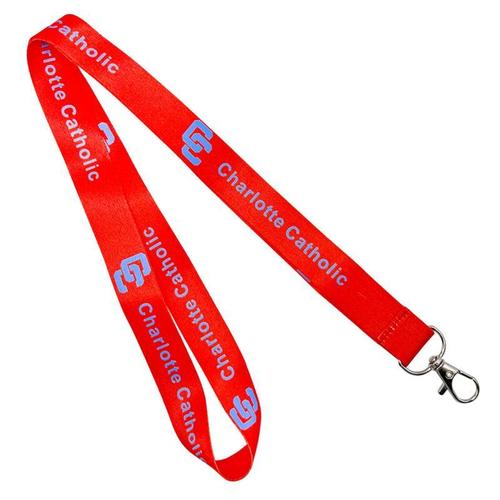
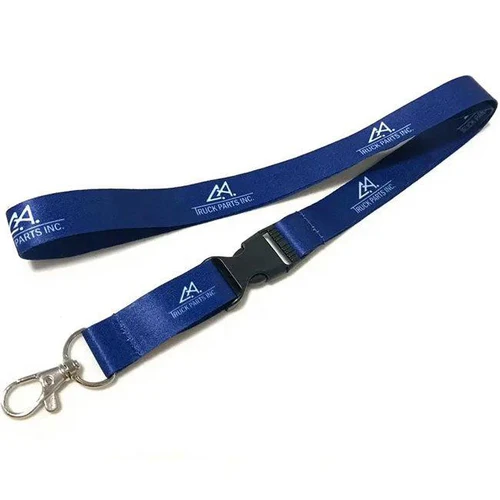
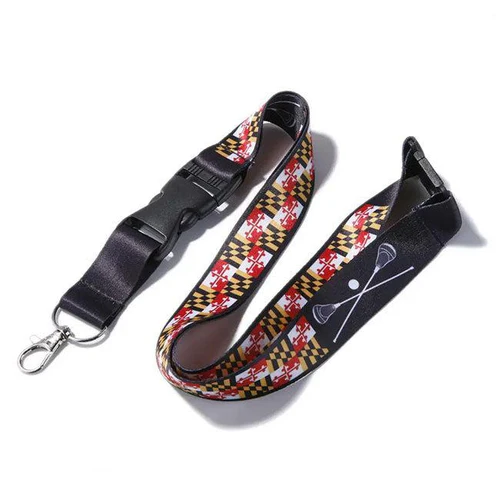
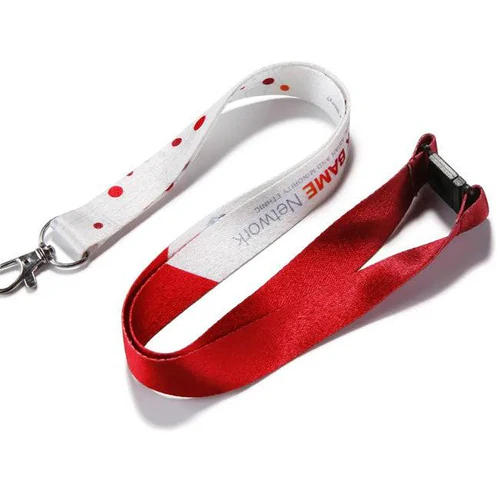
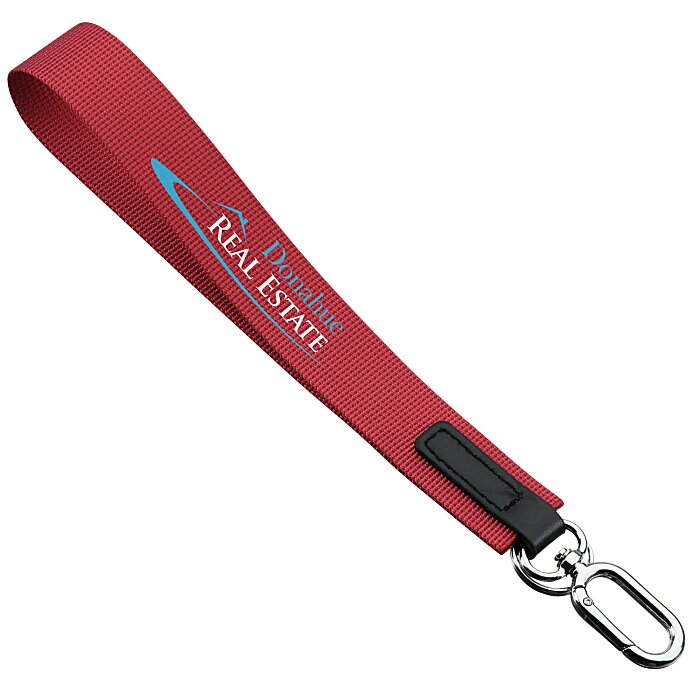
Trade Show Lanyards are custom neck straps used to carry badges, passes, or credentials during business events. They help attendees move through the venue while giving brands a constant, highly visible place to display logos, taglines, colors, or campaign messaging.
Used well, they increase recall, support event wayfinding, and create hundreds or even thousands of visual impressions in a single day. Used poorly, they can look generic, feel uncomfortable, and waste a good branding opportunity.
Table of Contents
- Why Trade Show Lanyards Work So Well
- What Actually Drives Brand Visibility
- Design Elements That Make Lanyards Memorable
- Choosing Materials, Width, and Attachment Types
- Best Use Cases by Event Type
- What We Learned from Real Campaigns
- Common Mistakes and Hidden Risks
- How to Plan, Order, and Distribute Them
- How to Measure Event Branding ROI
Why Trade Show Lanyards Work So Well
Most event giveaways have a short life. Pens disappear. Flyers get tossed. Cheap tote bags pile up in hotel rooms. Lanyards are different because attendees often need them immediately. If the event requires badge display, your brand gets worn rather than merely received.
That matters because event marketing is a visibility game built on repetition. According to the Event Marketing Institute, face-to-face experiences continue to rank among the strongest channels for brand perception and relationship building when compared with passive digital impressions. A lanyard supports that outcome by keeping your brand visible during check-in, sessions, networking, meals, and hallway conversations.
There is also a practical psychology behind it. People trust useful items more than flashy ones. A well-made lanyard signals organization, professionalism, and attention to attendee comfort. If your strap is soft, durable, easy to clip, and visually clean, it becomes part of the event experience rather than an ad people resist.
“At events, the most effective branding often rides on functional objects. When an item solves a problem and carries a logo, recall rises because utility lowers resistance.”
What Actually Drives Brand Visibility
Not every branded lanyard performs equally. Visibility depends on a handful of variables that many exhibitors underestimate.
- Contrast: A dark logo on a dark strap disappears from more than a few feet away.
- Logo repetition: Repeating the mark along the full strap matters more than placing it once.
- Readability: Fine print, URLs, and tiny taglines rarely work in motion.
- Color ownership: Distinct brand colors help attendees spot your people quickly.
- Wearability: If the strap is itchy, stiff, or too narrow, people remove it.
- Event context: A B2B tech expo, healthcare convention, and fan convention each reward different design choices.
According to a 2024 report by Freeman, event attendees increasingly value experiences that feel intentional and easy to navigate. That insight applies directly to lanyards. A branded credential system can help with role identification, VIP segmentation, sponsor recognition, and fast networking, all while boosting logo exposure.
Design Elements That Make Lanyards Memorable
Focus on recognition before decoration
Many brands overload their lanyards with slogans, websites, QR codes, social handles, gradients, and secondary logos. The result looks busy and reads poorly. Strong event branding favors a simple hierarchy: logo first, brand color second, short message third.
Use scale and spacing strategically
The best layouts usually repeat a logo every few inches with enough breathing room to avoid visual clutter. Wider spacing often feels more premium. When the print is too dense, the strap starts to look like wallpaper rather than branding.
Choose print methods that match the goal
Screen printing works well for bold logos and simple colors. Dye-sublimation supports gradients, textures, and more complex artwork. Woven options can feel high-end but may not reproduce every design detail cleanly. If image precision matters, the production method is not a small detail. It is the difference between a polished brand asset and a forgettable promo item.
Choosing Materials, Width, and Attachment Types
Material choice affects comfort, cost, and the message your brand sends. The wrong construction can undercut an otherwise strong design.
| Business Type | Recommended Material | Primary Branding Goal | Best Attachment |
|---|---|---|---|
| SaaS company at B2B expo | Polyester dye-sublimated | High logo repetition and clean color matching | Bulldog clip |
| Healthcare conference sponsor | Soft satin finish | Professional, comfortable all-day wear | Swivel hook |
| University recruiting fair | Standard polyester | Affordable large-volume visibility | Split ring and clip combo |
| Eco-focused consumer brand | Recycled PET | Sustainability alignment | Bulldog clip |
| VIP summit or investor event | Woven or premium satin | High-end brand perception | Metal swivel hook |
For most trade events, a width between 15mm and 20mm balances comfort and print visibility. Safety breakaways are smart for large public events, education environments, and workplaces where snag hazards are possible. Detachable buckles can also improve usability when attendees need to scan badges repeatedly.
Best Use Cases by Event Type
Sponsored event lanyards
If you sponsor official attendee lanyards, your exposure can multiply quickly because every guest becomes part of your branding network. This route is more expensive, but it often delivers the broadest visual reach in the venue.
Booth staff identification
Custom lanyards are also powerful when used only by your own team. Matching, clearly branded straps make staff easier to find in crowds and create a more polished brand presentation. They help answer a common attendee question before it is even asked: who actually works here?
Segmented audiences
Different colors or printed identifiers can distinguish media, buyers, speakers, VIPs, partners, or product demo participants. This improves flow while reinforcing your brand’s organizational credibility.
“The best event assets do two jobs at once: they support operations and market the brand. Lanyards are one of the few items that do both consistently.”
What We Learned from Real Campaigns
I worked with the team at Best Patches on a regional business expo where an early-stage software client had a familiar problem: strong product demos, weak brand recall. Their booth looked professional, but attendee follow-up surveys showed many visitors remembered the product category more than the company name.
We changed only a few variables. Instead of generic black badge holders and plain staff credentials, we produced bright brand-color Trade Show Lanyards with a repeated high-contrast logo and a short value phrase. We also gave matching lanyards to demo participants and scheduled meetings through a color-coded badge insert system.
By the second day, the booth team noticed something immediate. Attendees were approaching staff by spotting the lanyards from a distance, not the booth signage. Post-event feedback improved, and the client reported that branded search volume and direct website visits rose in the week after the event. The lanyards were not the only reason, but they became a visible thread connecting every in-person interaction.
On another project, I pushed for a premium satin finish for a finance event where the audience was mostly executives and investors. At first, the client wanted the cheapest option. Best Patches advised against that because the event positioning was high trust and high value. We upgraded the material, removed extra text, and used a refined metallic-toned print. The final product looked restrained rather than promotional, which matched the room better. Attendees kept wearing them through evening networking, extending visibility beyond the expo floor.
Common Mistakes and Hidden Risks
Lanyards are effective, but they are not foolproof. A poor choice can create waste or even hurt brand perception.
Overbranding
Too much messaging reduces readability. A lanyard is not a brochure. Keep it visually disciplined.
Low-quality hardware
Clips that snap, stitching that frays, or print that rubs off can make your brand look careless. People notice build quality because they physically interact with the item all day.
Ignoring event rules
Some organizers restrict unofficial sponsor branding on badges or attendee credentials. Always confirm sponsorship rights, distribution rules, and security requirements before production.
Sustainability concerns
Single-use event materials are under more scrutiny than before. According to a 2025 sustainability update from several major event organizers and venues, exhibitors are being asked to reduce waste and choose reusable or recyclable materials where possible. If your brand talks about responsibility, your lanyard choices should reflect it.
How to Plan, Order, and Distribute Them
A smart lanyard campaign starts earlier than most teams think. Production, proofing, shipping, and event coordination can all create delays.
- Set the objective: Decide whether the lanyard is for full-event sponsorship, booth staff, VIP guests, or a targeted campaign.
- Choose the right construction: Match material, width, and hardware to audience expectations and event logistics.
- Simplify the artwork: Prioritize logo readability, contrast, and repeat pattern spacing.
- Request a proof and sample: Review color accuracy, comfort, print quality, and attachment reliability.
- Plan distribution: Align quantities with registration numbers, staffing, and extras for walk-ins or media.
- Train the booth team: Make sure staff understand who gets what and how the lanyard supports lead capture or attendee flow.
Lead time matters. For custom event products, last-minute ordering often limits material choices and drives up cost. If the event is mission-critical, pad your schedule for revisions and freight delays.
How to Measure Event Branding ROI
Brand visibility is easy to talk about and harder to measure, but not impossible. The key is tying lanyards to observable outcomes rather than treating them as decoration.
- Track booth visits before and after lanyard-based staff identification changes.
- Use distinct QR landing pages for sponsored credential campaigns.
- Compare post-event brand recall in attendee surveys.
- Monitor direct traffic and branded search lift during the event week.
- Ask sales teams whether prospects remembered the company name without prompting.
According to a 2024 report by Gartner, B2B buyers continue to value consistency across touchpoints when evaluating vendors. That includes event experiences. If your booth messaging, staff appearance, giveaways, and follow-up emails all reflect the same identity, recall improves. Trade Show Lanyards support that consistency because they stay visible throughout the attendee journey.
Conclusion
Trade show visibility is rarely won by one giant tactic. It usually comes from dozens of well-executed details that reinforce each other. Trade Show Lanyards work because they combine function, repetition, comfort, and constant exposure in one small asset. When the design is clean, the material feels right, and the distribution strategy matches the event, they can outperform many flashier promotional items.
Best Patches recommends three practical next steps:
- Audit your current event branding and identify where visibility drops after first contact.
- Choose one lanyard use case first, such as staff identification or sponsored attendee credentials.
- Request a sample set before your next major event so you can compare comfort, print clarity, and brand impact side by side.
References
- Freeman 2024 Event Trends Report — Provided current insight into attendee expectations, event experience design, and the value of intentional in-person branding.
- Event Marketing Institute research — Supported the role of face-to-face marketing in strengthening perception and engagement.
- Gartner 2024 B2B buying research — Informed the discussion on consistency across buyer touchpoints and its effect on recall and trust.
- Major venue and organizer sustainability guidance from 2025 — Helped frame the growing importance of reusable and lower-waste event materials.
FAQ
What are Trade Show Lanyards used for?
-
They are mainly used to hold badges, credentials, or passes at events while keeping a brand visible throughout the venue. Because attendees wear them for hours, they help improve logo exposure, staff identification, and brand recall.
What is the best width for event lanyards?
-
For most business events, 15mm to 20mm is the sweet spot. It gives you enough print area for a readable logo without feeling bulky or uncomfortable during all-day wear.
Are eco-friendly lanyards worth the extra cost?
-
Usually, yes, especially if sustainability is part of your brand story or the event organizer has waste-reduction goals. Recycled PET options can support your positioning while still delivering strong print quality and comfort.
How many custom lanyards should I order for a trade show?
-
Start with expected attendee or staff counts, then add a buffer of 10% to 20% for walk-ins, replacements, VIPs, and last-minute team changes. If the lanyards are part of an official sponsorship, align your quantity with registration forecasts from the organizer.
Which printing method is best for Trade Show Lanyards?
-
It depends on the artwork. Screen printing is great for bold, simple logos and lower-cost runs. Dye-sublimation is better for detailed graphics, gradients, or brand colors that need more precision.
Do custom lanyards really improve brand recall?
-
They can, especially when the design is readable, the colors are distinctive, and the lanyards are worn for long periods. Their strength comes from repeated exposure during real conversations, not from one-time giveaway value alone.