 Promotional Products












Introduction
If you sell promotional products, school gear, trade show supplies, or workplace identification accessories, Wholesale Lanyards can look deceptively simple until margins start shrinking, colors arrive off-brand, or a shipment misses an event deadline. Resellers and distributors often lose profit not because demand is weak, but because product specs, supplier communication, and client expectations were never aligned in the first place.
That is where experienced production partners matter. Best Patches has built its reputation by helping buyers source customized branded items with cleaner artwork execution, tighter production oversight, and better order planning. For distributors, the real opportunity is not just buying lanyards cheaply. It is buying the right lanyards for the right use case at a price point that still leaves room for healthy resale margins.
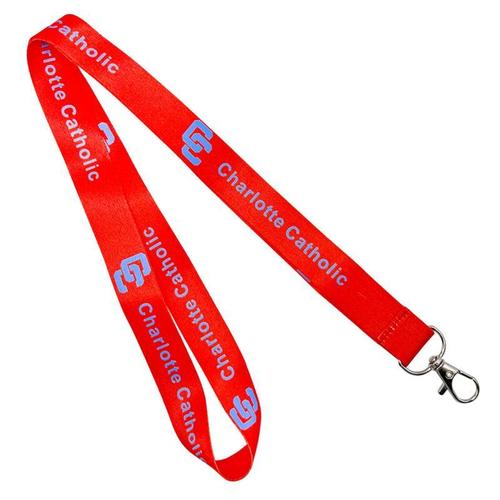
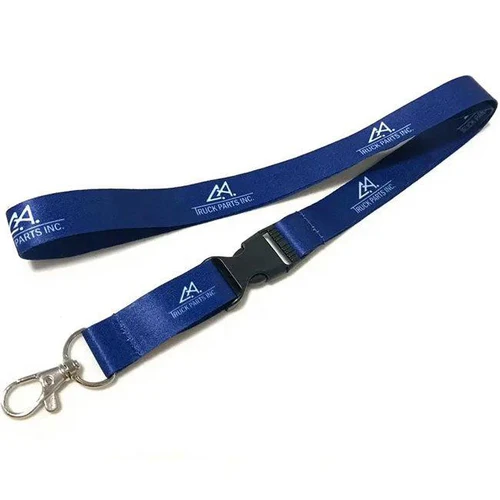
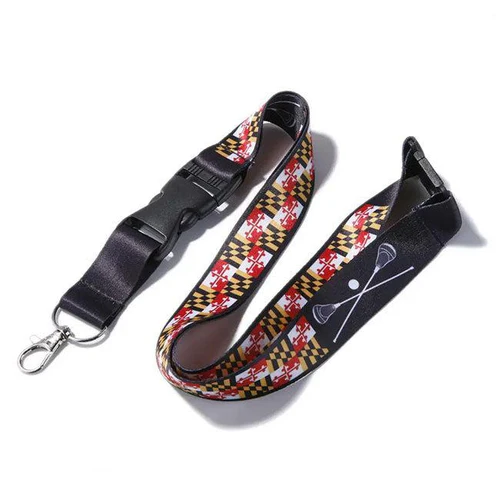
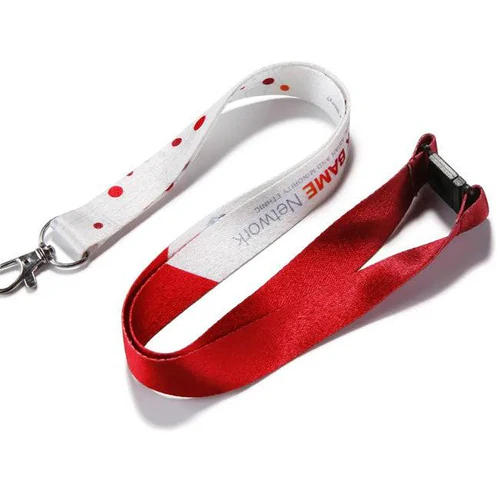
Wholesale lanyards are bulk-purchased neck straps or badge carriers used for IDs, keys, credentials, access cards, and promotional branding. Businesses, schools, event organizers, and resellers buy them in volume to reduce unit cost and customize them for specific audiences or campaigns.
For most distributors, wholesale lanyards sit at the intersection of branding, security, and recurring reorder potential. A good program can generate steady business from corporate clients, campuses, healthcare groups, and event agencies that need repeat runs throughout the year.
Table of Contents
- Why Wholesale Lanyards Stay in Demand
- Types, Materials, and Attachment Options
- How Resellers Price for Margin
- A Smart Buying Workflow for Distributors
- Best Lanyard Styles by Business Scenario
- Quality Risks, Compliance, and Common Mistakes
- What We Learned at Best Patches
- Wholesale Lanyard Trends for 2026
- How to Choose a Reliable Production Partner
Why Wholesale Lanyards Stay in Demand
Lanyards remain a staple because they solve a practical problem while also carrying visible branding. That combination matters. A badge holder at a conference is not just functional; it is a moving brand impression. A school staff lanyard is not just a strap; it is part of safety protocol. In hospitals, campuses, warehouses, corporate offices, festivals, and sports venues, the product keeps earning repeat demand because access management never goes out of style.
According to the 2024 ASI Ad Impressions Study, practical promotional products tend to generate stronger retention because recipients use them repeatedly in daily settings. That principle directly supports lanyards, especially when tied to employee credentials, keys, and event badges. At the same time, the 2025 PPAI consumer research updates continued to show that usefulness remains one of the strongest drivers of promotional product value.
For resellers, this creates three clear advantages:
- Repeat orders from institutional buyers
- Low-to-moderate unit cost with customization upside
- Cross-sell opportunities with badge reels, card holders, patches, pins, and event kits
The catch is that demand is stable, but buyer expectations are rising. Clients want faster approvals, cleaner logo reproduction, stronger hardware, and more sustainable material choices. That means basic sourcing is no longer enough.
“The distributors who win in promotional products are usually not the ones with the lowest quote. They are the ones who reduce client risk.”
Types, Materials, and Attachment Options
Not every lanyard should be sold the same way. The wrong fabric, width, or clasp can make a good-looking sample fail in real use.
Popular Lanyard Materials
Polyester is the most common option for wholesale programs. It balances cost, print compatibility, color range, and durability. For general promotional use, it is often the safest starting point.
Nylon usually delivers a smoother, shinier finish and can make logos look sharper in some print applications. It often feels more premium, though usually at a higher price.
Tubular lanyards are made from tube-stitched polyester and are often chosen for economy orders, giveaways, and large events where budget matters most.
Woven lanyards build the design into the fabric rather than printing on the surface. They can look more refined for simple logos and text, but they are less ideal for highly detailed artwork or gradients.
Eco-friendly materials such as recycled PET or bamboo fiber are gaining momentum as sustainability requirements become more common in corporate procurement.
Widths and Use Cases
- 3/8 inch: lightweight, lower-cost, better for simple text or small credentials
- 5/8 inch: a middle-ground option for offices, schools, and standard branding
- 3/4 inch: one of the most popular sizes for visible logos and comfort
- 1 inch: strongest brand visibility, often used for trade shows and premium programs
Attachment Choices That Affect Satisfaction
Hardware is often overlooked during quoting, yet it drives end-user satisfaction. Standard trigger hooks are versatile for keys and badge holders. Bulldog clips are common for event credentials. Split rings work for keys but may not suit office ID cards. Breakaway safety releases are especially important in schools, healthcare, and industrial settings where snagging risks must be reduced.
How Resellers Price for Margin
The biggest pricing mistake in wholesale lanyards is quoting only from unit cost. Professional distributors price from total landed cost plus account complexity. That includes setup fees, design revisions, attachment upgrades, packaging, shipping method, spoilage allowance, and turnaround risk.
A healthy margin model should answer these questions:
- Is the order repeatable or one-time?
- Does the client need custom PMS color matching?
- Will there be multiple artwork versions for departments or sponsors?
- How expensive is the deadline if production slips?
- Will fulfillment be bulk packed or individually bagged?
According to Deloitte’s 2024 sourcing and procurement insights, buyers are increasingly evaluating suppliers on resilience and service predictability, not cost alone. For lanyard distributors, that means faster proofing, clear production milestones, and packaging consistency can justify higher resale pricing.
Where Margin Usually Comes From
High-performing resellers rarely depend on markups from the strap alone. Margin tends to improve when the quote bundles supporting items such as:
- Badge holders
- ID card printing
- Retractable reels
- Event credential sets
- Custom packaging for employee onboarding kits
One practical approach is to present clients with three quote tiers: budget, standard, and premium. Many buyers will avoid the cheapest option if the middle tier explains benefits clearly.
A Smart Buying Workflow for Distributors
Good lanyard sourcing is not complicated, but it does require discipline. A reliable workflow prevents most of the errors that cause delays, reprints, or low reorder rates.
Recommended Order Process
- Clarify use case: event, staff ID, school safety, retail promo, or access control.
- Select material and width based on wear time, branding needs, and budget.
- Confirm attachment style, breakaway requirement, and optional buckle.
- Review artwork for logo size, PMS accuracy, bleed, and readability.
- Approve a digital proof and, for larger accounts, request a pre-production sample.
- Build in lead time for freight, customs, and internal distribution.
- Inspect final goods against approved proof before client handoff.
This workflow sounds basic, but it protects margin. A single missed detail, such as the wrong clip or a logo repeated too small across the strap, can turn a profitable order into a customer service drain.
“For institutional buyers, confidence is part of the product. They want to know the color, clip, and packaging will match every reorder.”
Best Lanyard Styles by Business Scenario
The table below shows how different wholesale lanyard styles fit real-world reseller scenarios.
| Business Scenario | Recommended Style | Why It Works | Reseller Consideration |
|---|---|---|---|
| Corporate employee IDs | 3/4 inch polyester with safety breakaway and swivel hook | Balanced branding, comfort, and daily durability | Emphasize reorder consistency and department color coding |
| Trade shows and expos | 1 inch dye-sublimated polyester with bulldog clip | Strong sponsor visibility and full-color print flexibility | Rush timelines and sponsor logo approvals affect pricing |
| K-12 schools | 5/8 inch tubular lanyard with breakaway release | Affordable and safer for everyday campus use | Focus on budget, safety language, and bulk packaging |
| Hospitals and clinics | Nylon or polyester with detachable buckle and badge reel option | Easy access to ID cards and repeated daily use | Attachment quality matters more than lowest unit price |
| Retail brand promotions | Woven or recycled PET lanyard with premium clasp | Supports brand image and sustainability messaging | Storytelling and packaging can raise perceived value |
Quality Risks, Compliance, and Common Mistakes
Lanyards are simple products, but not simple sourcing projects. The most common issues show up in four areas: print quality, hardware performance, color accuracy, and lead time assumptions.
Frequent Problems Resellers Run Into
- Blurry logos caused by low-resolution art or poor print method selection
- Weak clips that fail after limited use
- Inconsistent color across reorder batches
- Misunderstood safety requirements in schools or industrial settings
- Late delivery due to underestimating production plus freight timing
Risks Buyers Should Discuss Early
If a client operates in education, healthcare, or manufacturing, safety features may not be optional. Breakaway closures can reduce entanglement risk. For international programs, material declarations or testing standards may also matter depending on the end market.
According to McKinsey’s 2024 operations and supply chain analysis, companies continue to prioritize supplier transparency and risk management after years of logistics volatility. In plain terms, buyers want clearer communication about where delays could happen. Resellers who can explain that honestly often keep the account, even when issues arise.
What We Learned at Best Patches
I have seen firsthand how small spec decisions change the success of a wholesale lanyard program. At Best Patches, one distributor approached us after a university orientation order went wrong with another supplier. The original batch looked acceptable in photos, but once the cartons arrived, the navy tone was noticeably off-brand and the detachable buckles felt flimsy. The client had less than two weeks before student check-in.
We rebuilt the order around a tighter approval process. I worked with our team to standardize the artwork repeat, confirm the university’s color reference before production, and swap in more durable hardware that suited badge scanning. We also simplified the packaging so campus staff could distribute units faster by department. The reorder that followed was not based on price alone. It happened because the buyer trusted the process.
In another case, I helped a promotional products reseller serving regional hospitals. Their previous lanyard program used a generic clip setup that caused frustration for staff who had to scan or detach credentials constantly. We recommended a configuration with a detachable buckle and upgraded attachment, then aligned the design with cleaner typography for easier role identification. The hospital group ended up expanding the order to multiple facilities because the product worked better in day-to-day use, not because it looked flashier on a sales sheet.
These projects reinforced a simple truth: better wholesale lanyards are usually the result of better questions, not just better factories.
Wholesale Lanyard Trends for 2026
The 2026 market is moving toward smarter procurement and better brand alignment rather than novelty for its own sake. Buyers want products that match policy, image, and operational use.
Key Trends Shaping Orders
- Recycled materials: More corporate RFPs now ask about recycled PET and sustainability claims.
- Cleaner design systems: Minimal logo repetition, readable type, and institutional color discipline are replacing cluttered layouts.
- Modular accessories: Detachable buckles, badge reels, and card holders are increasingly quoted as bundles.
- Shorter buying windows: Buyers still expect faster turnarounds, which makes proofing speed a competitive advantage.
- Program standardization: Multi-location organizations want documented specs for easy reorder control.
Gartner’s recent procurement outlooks have emphasized supplier collaboration, visibility, and adaptability as core purchasing priorities. That applies directly here. The distributor who can standardize specs across locations and reorder cycles becomes more valuable than the one who only reacts to ad hoc quote requests.
How to Choose a Reliable Production Partner
A supplier should not be judged by sample photos alone. The best partner for wholesale lanyards helps you reduce revisions, protect brand standards, and keep delivery promises realistic.
What to Evaluate Before You Commit
- Proofing speed and revision accuracy
- Material and hardware range
- Experience with institutional, event, and corporate orders
- Color control and branding consistency
- Production transparency and deadline communication
- Willingness to advise on fit-for-use, not just sell the cheapest option
It also helps to ask for examples of repeat-order management. Anyone can produce one nice batch. The real test is whether the supplier can match a prior run six months later without creating client doubt.
For many distributors, Best Patches stands out because the team approaches custom goods as a branding and operations problem, not just a manufacturing transaction. That mindset matters when clients expect precision, not excuses.
Conclusion
Wholesale lanyards continue to be a strong category for resellers and distributors because they combine practical use, visible branding, and repeat-order potential. The most profitable programs are built on correct material selection, attachment planning, proof accuracy, and realistic lead time management. Cheap pricing alone rarely creates durable client relationships.
If you want better results, start with these next steps from Best Patches:
- Standardize your top three lanyard configurations for common client segments such as schools, events, and employee ID programs.
- Require proof approval details for color, hardware, width, and packaging before production begins.
- Bundle lanyards with badge holders or accessory kits to increase account value and improve client convenience.
References
- ASI Ad Impressions Study 2024 — Provided insight into the value of practical promotional products and repeated brand exposure.
- PPAI Research 2025 — Supported the role of usefulness and retention in promotional product buying behavior.
- Deloitte Procurement and Sourcing Insights 2024 — Highlighted the growing importance of resilience, predictability, and supplier performance beyond unit price.
- McKinsey Operations and Supply Chain Analysis 2024 — Reinforced the market demand for transparency and risk-aware supplier relationships.
- Gartner Procurement Outlook 2024-2025 — Emphasized collaboration, adaptability, and supplier visibility in modern buying decisions.
FAQ
What are Wholesale Lanyards used for?
-
Wholesale lanyards are commonly used for employee IDs, school credentials, trade show badges, keys, access cards, and promotional giveaways. Resellers buy them in bulk because they fit many industries and are easy to customize with logos, colors, and hardware options.
What material is best for wholesale lanyard orders?
-
It depends on the job:
Polyester is the best all-around choice for cost, durability, and print quality.
Nylon feels more premium and can look sharper.
Tubular works well for budget-heavy event orders.
Recycled PET is a strong option for sustainability-focused buyers.
How do resellers make better margins on lanyards?
-
Better margins usually come from process and packaging, not just higher markups. Strong resellers often:
Bundle badge holders, reels, or credential kits
Charge appropriately for proofs, revisions, or rush deadlines
Offer standard, mid-tier, and premium options
Build repeat-order programs for schools, hospitals, and offices
Do wholesale lanyard suppliers usually have minimum order quantities?
-
Yes. Most wholesale suppliers set minimum order quantities because setup, printing, and hardware assembly all carry production costs. The MOQ varies by material, customization method, and attachment type, but larger quantities generally lower the unit price significantly.
Are breakaway lanyards necessary?
-
In many cases, yes. Breakaway closures are especially useful for:
Schools and universities
Healthcare environments
Warehouses and industrial workplaces
Any setting where snagging risk should be reduced
How long do custom wholesale lanyard orders take?
-
Production time depends on order size, customization complexity, and shipping method. Standard runs may move quickly, but buyers should always allow extra time for proof approval, material availability, freight transit, and any packaging requirements. Rush orders are possible, but they should be quoted carefully because speed usually raises cost and risk.