 Promotional Products







Introduction
Choosing the right Custom Lanyard Manufacturer can save your business thousands of dollars, protect your brand image, and prevent the kind of production delays that wreck event schedules and marketing launches. Bulk ordering sounds simple until you run into weak clips, blurry printing, hidden setup fees, color mismatch, or delivery dates that slip by two weeks. That is exactly why buyers need a sharper process before approving any large run.
At Best Patches, we have seen the same pattern across trade shows, schools, corporate security programs, sports teams, and retail promotions: the cheapest quote rarely delivers the best total value. A lanyard is a small product, but it carries a badge, a name, a brand, and often the first physical impression people get from your organization.
A Custom Lanyard Manufacturer is a supplier that designs and produces branded lanyards tailored to your material, print, attachment, packaging, and quantity requirements. In bulk purchasing, the manufacturer matters as much as the design because quality control, communication, compliance, and turnaround time directly affect the final result.
If you are ordering for an event, internal team use, resale, or promotional distribution, the smartest move is to evaluate manufacturing capability before you look at price alone.
Table of Contents
- Why manufacturer choice matters more in bulk
- Materials, printing, and hardware that affect performance
- Quality control and compliance checks
- Pricing, MOQs, and hidden costs
- Lead times, shipping, and logistics planning
- How different buyers should compare manufacturers
- Real-world case study from Best Patches
- Questions to ask before placing a PO
- Common mistakes that derail bulk orders
- Final thoughts and next steps
Why manufacturer choice matters more in bulk
Ordering 50 lanyards and ordering 5,000 are two completely different business decisions. At small volumes, a minor print issue or attachment defect is frustrating. At scale, it becomes a budget problem, an operational problem, and sometimes a reputation problem. Bulk runs magnify every weakness in the production system.
That is why your evaluation should start with process maturity, not just product photos. A dependable manufacturer should be able to explain its material sourcing, proofing workflow, print method, inspection standards, packaging options, and escalation process if something goes wrong.
According to the Promotional Products Association International 2024 industry findings, buyers continue to prioritize product usefulness and brand longevity over novelty alone. Lanyards fit that pattern well because they are functional, visible, and repeatedly used in professional settings. But that value only holds when the product is durable enough to survive daily wear.
According to a 2024 report by Deloitte on supply chain resilience, procurement teams are putting greater emphasis on supplier transparency, consistency, and risk mitigation. That logic applies directly to promotional products and uniform accessories. If your supplier cannot clearly answer where delays happen or how defects are handled, bulk ordering becomes guesswork.
Materials, printing, and hardware that affect performance
Lanyards are often treated like generic accessories, but their real-world performance depends on the combination of material, print method, width, and hardware. A skilled manufacturer should help you match these choices to your use case instead of pushing a one-size-fits-all option.
Material selection changes both cost and feel
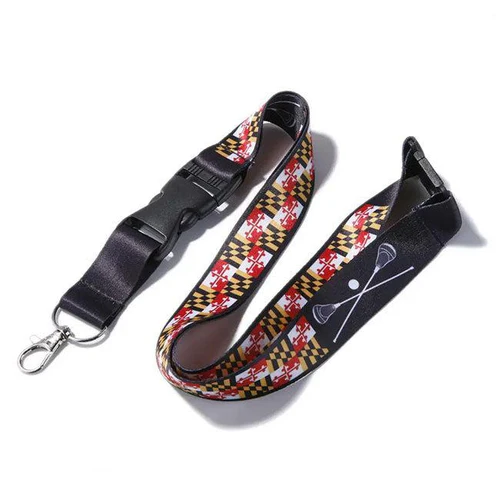
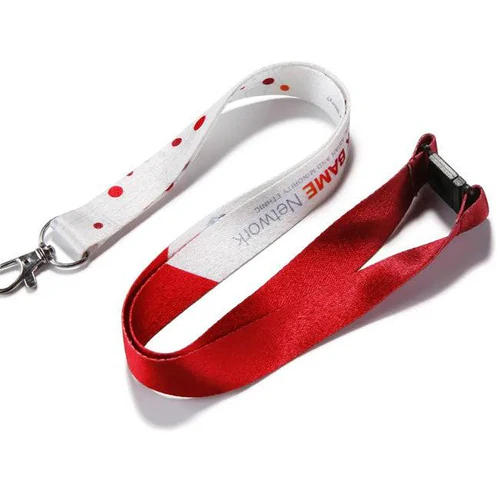
Common lanyard materials include polyester, nylon, tubular fabric, woven fabric, and eco-friendly recycled blends. Polyester is widely used because it balances print quality, durability, and cost. Nylon often looks smoother and more premium, but it can cost more. Woven lanyards are excellent for text-heavy designs where durability matters, though they are less ideal for intricate gradients or photo-like artwork.
- Polyester: best all-around option for most promotional and ID uses
- Nylon: smoother finish, premium feel, stronger color pop
- Tubular: economical and comfortable for basic event needs
- Woven: durable for logos and text, less suitable for complex art
- Recycled PET: strong sustainability angle for schools and brands with ESG goals
Print method determines visual quality
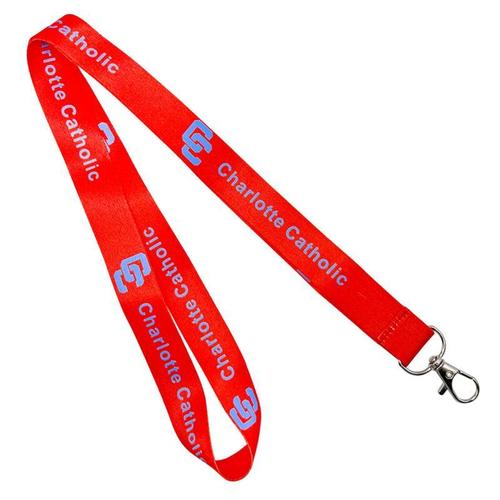
Screen printing works well for simple logos and solid-color branding. Dye sublimation is better for gradients, intricate artwork, and edge-to-edge designs. Woven designs integrate the branding into the fabric itself, which can improve longevity but limit design flexibility. If your artwork includes fine text, multiple colors, or photography-inspired detail, your manufacturer should tell you early whether the concept is technically suitable.
Attachments create hidden quality issues
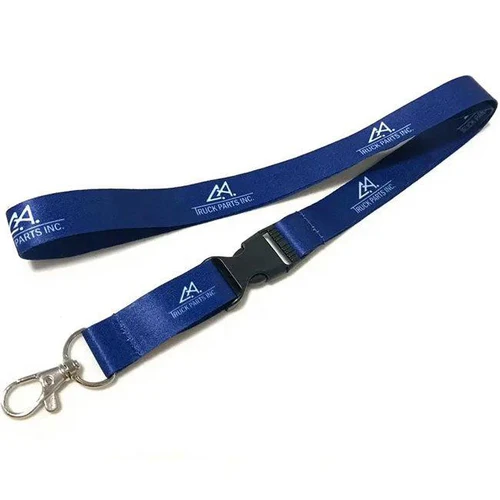
Many bulk complaints are not about the strap itself. They are about the swivel hook that snaps, the badge reel that jams, or the safety breakaway that fails too easily. Hardware quality matters more than many first-time buyers expect.
Look closely at:
- J-hook and swivel hook strength
- Breakaway clasp reliability
- Bulldog clip tension
- Badge reel extension performance
- Phone attachment compatibility
- Crimp and stitch finishing
“The best lanyard programs are specified backward from the user. Start with how it will be worn, what it will hold, and how long it needs to last. Material and print decisions become much easier after that.”
Quality control and compliance checks
If your lanyards will be used in schools, hospitals, manufacturing facilities, or corporate environments, compliance is not a side note. It may be the deciding factor. A manufacturer should be ready to discuss dye safety, material composition, breakaway functionality, and any testing available for specific use cases.
For example, school districts may care more about safety breakaways and child-use considerations. Corporate buyers may prioritize consistent Pantone matching and clean packaging. Healthcare programs may want wipeable surfaces or easy ID visibility.
According to the 2025 ASI Ad Impressions research, end users are more likely to retain practical promotional items that feel well-made and relevant to everyday routines. That means quality is not just an operations metric. It directly affects brand recall and campaign ROI.
What a credible QC process should include
- Pre-production digital proof approval
- Material confirmation and color review
- Pilot or pre-production sample when volume is high
- In-line inspection during manufacturing
- Final random sampling before packing
- Carton labeling and shipment verification
If the supplier cannot explain these steps clearly, you are probably taking on more risk than the initial quote suggests.
Pricing, MOQs, and hidden costs
Unit price is only one part of the total spend. Setup charges, mold fees for custom attachments, sample fees, shipping, rush production, packaging upgrades, and customs exposure can all change the economics of a bulk order. A low per-piece quote can become expensive fast.
When reviewing quotes, ask for an all-in landed estimate. That means you want visibility into every cost from proofing through final delivery. If the quote is vague, your purchasing risk goes up.
Common cost drivers buyers overlook
- Artwork cleanup or vector conversion
- Color matching for branded Pantone requirements
- Custom attachment upgrades
- Individual polybagging or retail packaging
- Split shipments to multiple locations
- Air freight for rush jobs
- Reorder inconsistency if specs are not documented well
MOQ also deserves attention. Some manufacturers advertise low minimums but restrict the number of colorways, attachments, or size variations under that minimum. Others allow flexibility but price each variation separately. For larger organizations with multiple departments, that detail can change how you structure the order.
Lead times, shipping, and logistics planning
Lead time failures are one of the most expensive mistakes in bulk lanyard ordering because they often force rush shipping or last-minute local replacement buys. You should separate production time from transit time and ask what assumptions are built into each.
A reliable manufacturer should tell you:
- Standard production days after proof approval
- Rush production options and limitations
- Domestic versus overseas shipping windows
- Whether delays are more likely at printing, hardware sourcing, or customs clearance
- How partial shipments are handled if needed
I have personally seen teams wait too long to approve artwork, only to blame the manufacturer later when the event date became impossible. At Best Patches, we advise clients to build a buffer into every bulk lanyard schedule, especially for trade shows, school openings, and seasonal campaigns. The safest ordering calendar is the one that assumes at least one thing will take longer than planned.
In one project I worked on, a client needed several thousand branded lanyards for a multi-city recruiting event. The original supplier looked cheaper on paper, but they could not confirm attachment inventory or transit timing. We helped the client reset the spec, simplify hardware choices, and approve proofs faster. That reduced the risk of substitution and got the shipment delivered before the first event window. The lesson was simple: operational clarity beats a low quote every time.
How different buyers should compare manufacturers
Not every buyer needs the same manufacturer profile. A university ordering orientation lanyards has different needs than a startup preparing expo giveaways or a security contractor sourcing badge holders for controlled access sites. Your supplier should fit your use case, not just your budget.
| Buyer Type | Top Priority | Best Lanyard Spec | Manufacturer Must Prove |
|---|---|---|---|
| Trade show exhibitor | Fast turnaround and sharp branding | Dye-sublimated polyester with swivel hook | Proof speed, print clarity, on-time delivery |
| School district | Safety and repeat ordering consistency | Breakaway polyester with simple text/logo | Safety hardware reliability and reorder documentation |
| Corporate office | Brand consistency and professional finish | Nylon or premium polyester with badge reel option | Pantone matching and packaging quality |
| Sports event organizer | High volume at controlled cost | Tubular or polyester with standard clip | Scalable production and carton management |
| Retail merchandise brand | Visual appeal and resale value | Custom printed premium lanyard with retail packaging | Finishing detail, packaging control, low defect rate |
“Bulk buyers should stop asking only ‘What is your cheapest price?’ and start asking ‘What variables make this order fail?’ The second question reveals the better partner.”
Real-world case study from Best Patches
One of our clients came to Best Patches after receiving a shipment from another vendor that looked acceptable in photos but failed in person. The lanyards had inconsistent blue tones, weak metal clips, and stitching that frayed after a few days of use. The client had ordered in bulk for staff identification at a large public event, so even a modest failure rate created immediate operational stress.
I reviewed the previous supplier’s process with the client and found three obvious gaps: no formal pre-production sample approval, no documented hardware standard, and no written color target tied to the brand palette. We rebuilt the order spec from the ground up, narrowed the acceptable production tolerances, and recommended a print method better suited to the logo detail. The second run cost slightly more per unit, but the actual event performance was dramatically better and the reorder process became far easier.
That experience reinforced something we tell buyers often: the strongest manufacturers do not just take orders. They reduce ambiguity. That reduction in ambiguity is what protects your time, budget, and brand.
Questions to ask before placing a PO
Before you approve a bulk lanyard order, get specific answers in writing. This is where many avoidable issues can be prevented.
Essential pre-order questions
- What print method do you recommend for this exact artwork, and why?
- Can you provide a physical sample or pre-production proof for approval?
- What material and hardware substitutions, if any, may occur?
- What is the standard defect tolerance for bulk production?
- How are colors matched and documented for reorders?
- What are the total landed costs, including setup and shipping?
- What happens if production misses the ship date?
- Can you support split shipments or multi-location delivery?
The quality of the answers matters as much as the answers themselves. Vague responses usually lead to vague accountability later.
Common mistakes that derail bulk orders
Most bad bulk orders are not caused by one giant error. They are caused by a string of small assumptions. Buyers assume the sample reflects real production. They assume shipping estimates are guarantees. They assume all clips are equal. They assume a digital proof guarantees final color. Those assumptions create avoidable risk.
Frequent ordering mistakes
- Approving artwork without checking logo size on the final width
- Ignoring hardware quality during sample review
- Failing to define event-in-hand date versus ship date
- Choosing the lowest quote without comparing total landed cost
- Ordering too many variations in a tight timeline
- Skipping written reorder specifications for future consistency
There are also limitations worth acknowledging. Even strong manufacturers face production variables such as material lot variation, freight delays, customs slowdowns, and slight color movement between methods. A good partner does not pretend these risks do not exist. They explain them early and build a process to manage them.
Final thoughts and next steps
A strong Custom Lanyard Manufacturer should do more than print a logo on fabric. The right partner helps you choose the right material, match the right print method to your artwork, verify hardware quality, manage timelines, and protect consistency at scale. Bulk ordering works best when specifications are clear, approval steps are documented, and the supplier is transparent about quality and logistics.
Best Patches recommends these next actions before you place a large order:
- Request a full spec sheet with material, width, print method, attachment type, and packaging details
- Approve a sample or pre-production proof tied to written tolerance standards
- Compare suppliers using total landed cost, QC process, and delivery reliability instead of unit price alone
References
- Promotional Products Association International, 2024 industry findings: Provided context on buyer preferences for useful, brand-retentive promotional products.
- Deloitte, 2024 supply chain resilience research: Supported the importance of supplier transparency, risk control, and procurement discipline.
- ASI Ad Impressions Study, 2025: Reinforced the connection between product quality, retention, and promotional effectiveness.
FAQ
What should I ask a Custom Lanyard Manufacturer before ordering in bulk?
Ask about print method, material options, hardware quality, sample approval, defect tolerance, lead time, shipping method, and total landed cost. You should also confirm how reorders are documented so future batches stay consistent.
What is the best material for bulk custom lanyards?
For most buyers, polyester is the best balance of price, durability, and print quality. Nylon works well when you want a smoother, more premium look, while recycled PET is a smart choice for brands that want a sustainability message.
How long does a bulk lanyard order usually take?
It depends on quantity, customization level, and shipping method, but many bulk orders take roughly two to five weeks after proof approval. Rush jobs can move faster, though that often increases freight cost and limits available options.
Are cheap lanyard quotes risky?
They can be. A very low quote may reflect weaker attachments, less consistent printing, slower communication, or hidden charges added later. The better comparison is total value across quality control, delivery reliability, and real all-in cost.
Do I need a sample before approving production?
Yes, especially for large orders. A sample or pre-production proof helps you catch issues with color, logo size, material feel, and hardware selection before the full run begins.
What attachment works best for ID badges?
A swivel hook is one of the most common choices because it is versatile and easy to use with badge holders. For workplaces that need frequent scanning, a badge reel may be more convenient, though it adds complexity and cost.