 Promotional Products




Introduction
Corporate Lanyards are a small purchase that can create surprisingly big problems when chosen poorly. If the strap frays, the badge clip breaks, the branding fades, or the safety feature is missing, businesses end up replacing inventory early, frustrating staff, and weakening the professional image they worked hard to build.
That is why procurement teams, HR leaders, office managers, event planners, and security departments now treat lanyards as part of a broader ID strategy rather than a throwaway accessory. Best Patches has worked with organizations that need custom ID solutions to balance branding, durability, employee comfort, visitor control, and cost without overbuying the wrong product.
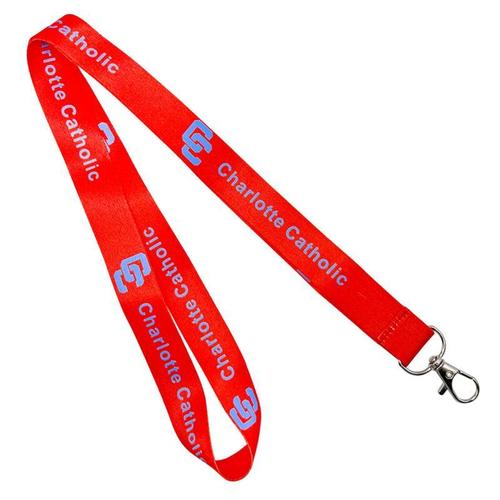
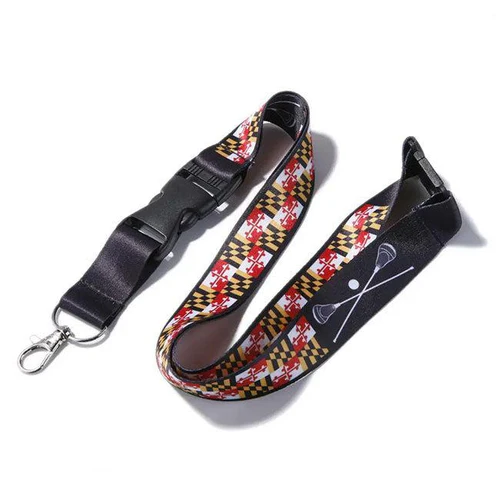
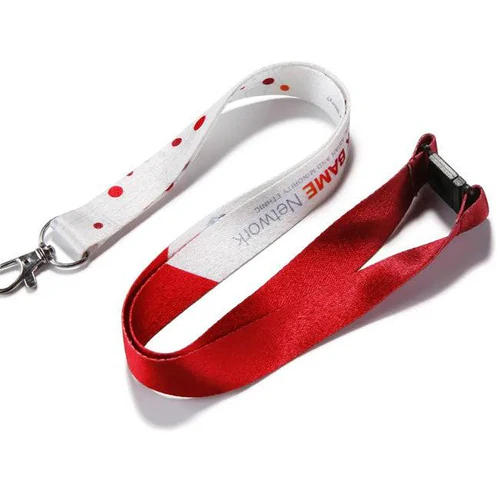
Corporate lanyards are wearable straps designed to hold ID cards, badges, keys, or access devices while also supporting brand visibility and workplace security. Businesses use them to make identification faster, reinforce company identity, and standardize how employees, contractors, and guests carry credentials.
When selected well, they improve daily operations. When selected badly, they create friction, replacement costs, and inconsistent presentation across teams and locations.
Table of Contents
- Why businesses invest in custom lanyards
- What buyers evaluate before placing an order
- Materials, attachments, and print methods
- Balancing security, branding, and comfort
- Which lanyard style fits which business
- A practical buying process for procurement teams
- Field experience from Best Patches
- Common mistakes, risks, and limitations
- What is changing in 2026
- What to do next
Why Businesses Invest in Custom Lanyards
Most companies do not start shopping for lanyards because they are exciting. They start because they need cleaner access control, easier badge visibility, stronger event logistics, or more polished employee presentation. In offices, schools, hospitals, manufacturing sites, trade shows, and corporate campuses, custom lanyards help people identify roles quickly and reduce the everyday hassle of misplaced credentials.
They also serve a branding function that many buyers underestimate. A custom lanyard sits at eye level for most interactions. That means it can quietly reinforce a brand every day in reception areas, client meetings, conferences, and internal events. For companies that care about consistency, that matters.
- They make employee and visitor IDs easier to display
- They support access cards, RFID badges, and key fobs
- They improve visual organization at events and conferences
- They create a more professional, uniform look
- They add low-cost brand exposure in public-facing settings
According to the Occupational Safety and Health Administration, clear worker identification and access control remain important parts of site safety in many regulated environments. In parallel, event organizers have continued to prioritize visible credentials as attendance grows and venue security requirements become stricter. Those two forces keep demand high for better lanyard systems, not just cheaper ones.
“The best lanyard programs are not really about the lanyard. They are about reducing friction between identity, access, and brand presentation.”
What Buyers Evaluate Before Placing an Order
Experienced buyers look beyond color and logo placement. They ask how the lanyard will perform in the actual environment. A corporate headquarters has different needs than a hospital, convention center, warehouse, or school district.
Use case comes before style
If employees swipe cards dozens of times a day, a breakaway with a detachable buckle may be more useful than a premium woven style. If the lanyard is for a high-end client event, visual finish may matter more than all-day industrial durability. If it is used around machinery, safety release features become non-negotiable.
Budget should include replacement cycle
The cheapest option on day one is often the most expensive over twelve months. Thin materials, low-grade clips, and low-quality printing lead to fading, fraying, and detachment. Smart buyers compare total ownership cost, not just unit cost.
Brand standards matter
Many organizations now want exact PMS color matching, legible logos on both sides, and hardware that feels consistent with their brand. A luxury real estate group and a cybersecurity conference may both buy corporate lanyards, but they will not judge quality the same way.
According to a 2024 report by Deloitte, procurement leaders are increasingly measured not only on cost reduction but also on supplier reliability, quality consistency, and risk control. That mindset applies even to smaller branded products because those items still affect operations and brand perception.
Materials, Attachments, and Print Methods
Material choice shapes durability, comfort, and print quality. This is where many buyers either overspend on unnecessary features or underspec the product for daily use.
Common materials
Polyester is the workhorse. It is affordable, durable, and suitable for screen printing or dye sublimation. It works well for most offices, schools, and events.
Nylon has a smoother, shinier finish and often looks more premium. It can deliver crisp branding, but it usually costs more.
Tubular lanyards are lightweight and budget-friendly, often used for short-term events or large quantity runs.
Eco-friendly blends, including recycled PET, appeal to organizations with sustainability targets. They are especially popular for conferences and brands with ESG commitments.
Attachment options
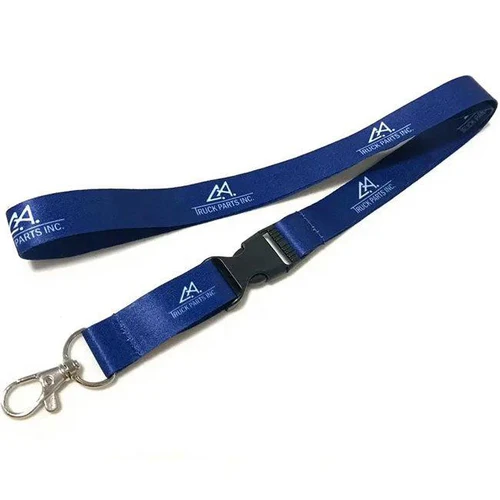
Attachments decide whether the product is merely branded or actually useful. Standard swivel hooks fit many badge holders. Bulldog clips can hold wider items. Split rings work for keys. Detachable buckles help employees remove access cards without taking the whole lanyard off.
Print methods
Screen printing is cost-effective for simple logos and solid colors. Dye sublimation is better for gradients, detailed branding, and edge-to-edge design. Woven options feel textured and durable, though they are less suitable for highly detailed artwork.
If brand consistency is critical, ask how the supplier manages color variation across production batches. That question separates serious manufacturers from basic resellers.
“A lanyard fails most often at the hardware connection point, not in the strap itself. Buyers who test clips early avoid the majority of field complaints.”
Balancing Security, Branding, and Comfort
Corporate lanyards sit at the intersection of three goals that do not always align perfectly: security, appearance, and wearability.
Security needs
In healthcare, education, government, and industrial settings, visible ID is only one part of the equation. Lanyards may need breakaway closures to reduce choking hazards, anti-microbial materials for cleaner environments, or detachable ends for frequent scanning. In some sites, color-coded lanyards also help distinguish employee groups, contractors, visitors, or restricted-access personnel.
Branding needs
Marketing teams often want larger logos, better color fidelity, and premium finishes. That is reasonable, but heavy branding can reduce readability if the badge itself is obscured or if the design becomes visually cluttered.
Comfort needs
Employees notice texture, width, and weight quickly. Rough edges can irritate skin. Heavy hardware creates neck fatigue. A lanyard that looks great in a mockup may end up sitting in a desk drawer if it is uncomfortable enough.
According to a 2025 PwC business operations survey, employee experience continues to influence purchasing decisions for workplace tools and accessories more than many companies expected. Even small operational products now get judged through the lens of usability.
Which Lanyard Style Fits Which Business
| Business Type | Recommended Lanyard Style | Primary Priority | Why It Works |
|---|---|---|---|
| Corporate office | Polyester with detachable buckle | Daily convenience | Easy badge access for doors, moderate cost, clean branded look |
| Healthcare clinic | Breakaway polyester with antimicrobial badge holder | Safety and hygiene | Supports visible ID while reducing snag risk in busy clinical settings |
| Trade show organizer | Dye-sublimated event lanyard | Sponsorship visibility | Full-color printing allows logos, zones, dates, and event branding |
| Manufacturing facility | Breakaway lanyard with heavy-duty hook | Worker safety | Safer near moving equipment and durable enough for tough use |
| University administration | Color-coded tubular lanyard | Role identification | Affordable for large populations and useful for staff, students, and visitors |
A Practical Buying Process for Procurement Teams
A structured buying process prevents overordering, missed compliance details, and internal disagreements between departments.
- Define the user groups: employees, visitors, contractors, students, or event attendees.
- List functional needs: badge size, scan frequency, keys, breakaway, detachable buckle, or anti-twist features.
- Set brand requirements: logo placement, color standards, print style, and packaging expectations.
- Shortlist materials based on environment: office, healthcare, industrial, outdoor event, or hospitality.
- Request samples with actual hardware and print method.
- Compare lead time, quality consistency, MOQ, and reordering support.
- Run a small pilot order before a full rollout.
This process is especially useful when multiple stakeholders are involved. Security may care about badge visibility, HR may care about onboarding efficiency, and marketing may care about visual presentation. A pilot order lets those groups evaluate the same product in real conditions instead of debating a PDF proof.
Field Experience From Best Patches
I have seen the buying process go wrong when companies treat lanyards as a commodity. One client came to Best Patches after ordering a large batch from a low-cost supplier for a multi-site corporate event program. The logos looked acceptable in photos, but the clips failed under repeated use, and several attendees lost badges during the first day of check-in. The reprint cost was painful, but the bigger issue was the hit to event flow and professionalism.
We rebuilt the spec around how the lanyards would actually be used. The final version used dye-sublimated polyester with a stronger swivel hook and detachable buckle for scanning. We also adjusted the strap width for better comfort during all-day wear. The client paid more per unit, but replacement requests dropped sharply and they standardized the same format for future regional events.
In another project, I worked with a mid-sized company rolling out updated employee IDs after a rebrand. Their previous lanyards were generic, and new hires often mixed personal key straps with company badges, which weakened both visual consistency and access control. Best Patches helped them create a branded corporate lanyard program with department color coding, consistent holders, and a reorder plan tied to onboarding cycles. The result was not flashy. It was simply easier to manage, and that made the workplace feel more organized almost immediately.
Common Mistakes, Risks, and Limitations
Even the best custom lanyard strategy has limitations. Buyers should be realistic about what lanyards can and cannot solve.
Common mistakes
- Choosing low-grade hardware to save a few cents per unit
- Ignoring breakaway safety in industrial or school environments
- Using overly complex artwork that prints poorly on narrow straps
- Skipping user testing before a large order
- Forgetting badge holder compatibility
Real limitations
Lanyards can improve identification, but they do not replace secure badge technology or visitor management systems. They can support branding, but they should not compromise readability of the actual ID. They can reduce daily friction, but they still need replacement planning because hardware wears out over time.
Sustainability is another area where buyers should ask tougher questions. “Eco” claims vary widely. Recycled material is helpful, but procurement teams should also evaluate packaging waste, shipping efficiency, and whether the supplier can support repeatable quality instead of forcing frequent replacement.
What Is Changing in 2026
The market is shifting in a few clear directions. First, buyers want better integration between physical ID accessories and broader workplace systems. More organizations now use smart badges, NFC credentials, or access cards that are tapped repeatedly throughout the day, which makes detachable functionality more valuable.
Second, design expectations are rising. Corporate accessories are no longer expected to look generic. Companies want branded items that feel deliberate, whether they are onboarding kits, conference packs, or internal identity systems.
Third, supplier accountability matters more. According to a 2024 report by Gartner, procurement teams continue to prioritize resilience and supplier performance visibility over simple lowest-cost sourcing. For products like corporate lanyards, that translates into more demand for predictable quality, documented specs, and dependable reorder support.
Finally, sustainability is becoming more practical and less performative. Buyers are asking whether recycled PET options hold up under daily use, whether inks remain vivid, and whether a greener product still meets security and comfort requirements. That is a healthier conversation than buying a weak product just because it sounds responsible.
What to Do Next
Buying corporate lanyards well means matching material, hardware, print quality, and safety features to the real environment where people will wear them. The right choice supports access, strengthens brand presentation, and reduces wasteful replacement cycles. The wrong choice usually shows up fast through broken clips, faded graphics, and unhappy users.
Best Patches recommends three practical next steps:
- Audit your current badge and lanyard setup by user type, attachment need, and replacement rate.
- Request a sample pack that includes at least two materials and two hardware options for side-by-side testing.
- Create a standardized spec for future orders so every office, event, or department buys from the same approved format.
References
- Gartner, 2024 procurement research: highlighted the growing importance of supplier reliability, resilience, and performance visibility.
- Deloitte, 2024 procurement report: emphasized that purchasing decisions increasingly balance cost, quality, and risk management.
- PwC, 2025 business operations survey: showed how employee experience continues to affect workplace purchasing choices.
- Occupational Safety and Health Administration: provides guidance relevant to workplace identification, safety practices, and environment-specific risk reduction.
FAQ
What are Corporate Lanyards used for?
-
Corporate Lanyards are typically used to hold employee badges, visitor passes, RFID cards, keys, and event credentials. They also help businesses reinforce branding, improve identification, and make access cards easier to use throughout the day.
Which lanyard material is best for business use?
-
For most companies, polyester is the best all-around option because it balances cost, durability, and print quality. Nylon can feel more premium, while tubular lanyards are often chosen for short-term events and large-volume budget orders.
Do businesses need breakaway lanyards?
-
In many environments, yes. Breakaway lanyards are especially useful in schools, healthcare settings, warehouses, and manufacturing spaces where snag hazards are more likely.
They improve safety around equipment
They help reduce neck-strain risk during accidental pulls
They are often preferred where compliance and duty-of-care policies are stricter
How many custom lanyards should a company order?
-
A solid starting point is your active user count plus a reserve for onboarding, visitors, losses, and replacements. Many businesses order:
Exact headcount plus 10% for stable office teams
Headcount plus 15% to 20% for growing companies
Separate event inventory for conferences, temporary staff, or contractors
What print method is best for detailed logos?
-
Dye sublimation is usually the best choice for detailed logos, gradients, and full-color branding. Screen printing works well for simpler artwork with fewer colors, while woven styles are better for texture than fine detail.
Can custom lanyards improve workplace branding?
-
Yes. Well-made custom lanyards create a more consistent visual identity across employees, front-desk staff, trade show teams, and event crews. They are a relatively low-cost way to reinforce professionalism when matched to strong badge design and brand standards.