 Promotional Products








Introduction
Ordering bulk detachable lanyards sounds simple until the boxes arrive and the clips fail, the print looks washed out, or the safety breakaway doesn’t meet your venue policy. That is where buyers lose money: not on the quote, but on the details they did not verify before production. If you are sourcing for schools, trade shows, hospitals, security teams, or retail resale, the wrong lanyard can create operational headaches fast.
Best Patches works with organizations that need custom identity products to perform in the real world, not just look good in a mockup. From detachable buckle strength to imprint durability and packaging consistency, experienced buyers know that bulk orders should be reviewed like any other branded operational supply. The cheapest unit price often becomes the most expensive decision when replacements, delays, and complaints start piling up.
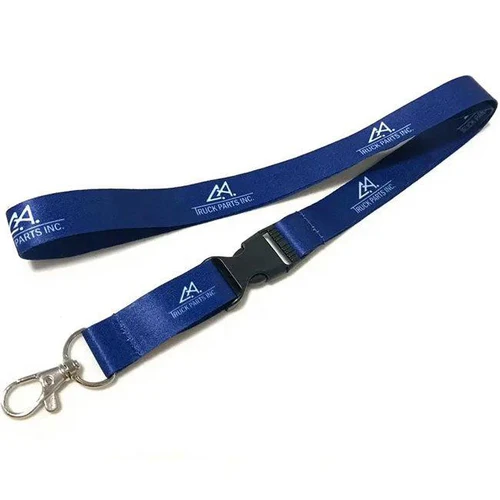
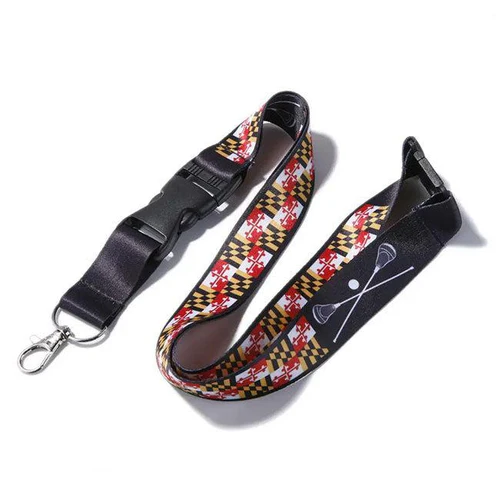
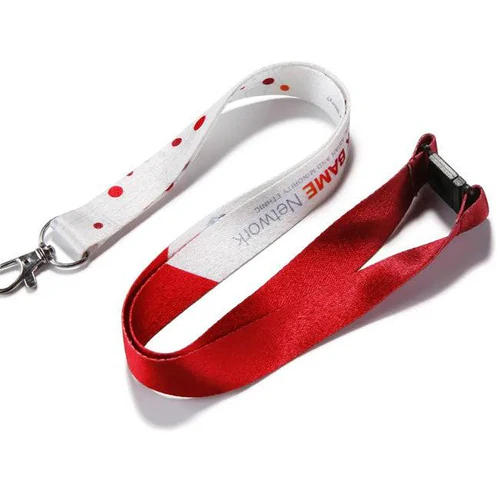
Bulk detachable lanyards are large-quantity custom neck straps that include a quick-release buckle, allowing the lower section to detach without removing the full lanyard. They are commonly used for ID badges, keys, event access, and workplaces where convenience, safety, and repeat daily use matter.
For 2026 purchasing, the standard is higher. Buyers are asking for compliance clarity, faster proofs, stronger hardware, cleaner artwork, and more reliable lead times. If you want a reorder-ready product that supports your brand instead of undermining it, there are specific checkpoints you should never skip.
Table of Contents
- Why detachable lanyards are still a smart bulk buy
- Materials, hardware, and build quality
- Printing methods and logo readability
- Safety, compliance, and user environment
- Pricing, MOQs, and hidden cost traps
- How to proof a bulk order before production
- Which lanyard setup fits your use case
- What we learned from real client orders
- How to evaluate a supplier before you commit
Why Detachable Lanyards Are Still a Smart Bulk Buy
Detachable lanyards keep winning in bulk programs because they solve a small but frequent workflow issue: users need fast access to badges, keys, scanners, or USB drives without taking the full strap off. That matters in offices, fulfillment centers, schools, healthcare settings, and event check-in lines. The quick-release function saves seconds over and over again, which is one reason repeat buyers prefer detachable models over basic one-piece lanyards.
There is also a brand benefit. A lanyard is not a one-time handout if it becomes part of someone’s workday. It turns into a long-view visibility piece. According to the Advertising Specialty Institute’s 2024 ad impressions research, useful branded items continue to perform well because repeated use drives stronger recall than disposable giveaway products. A detachable lanyard that feels comfortable and functions smoothly tends to stay in rotation longer.
That said, detachable does not automatically mean better. A poor-quality buckle can crack, pop loose too easily, or feel flimsy in hand. The smart move is to assess utility and durability together rather than assuming the detachable feature alone adds value.
Materials, Hardware, and Build Quality
The base material changes almost everything about the finished product: feel, print quality, longevity, and cost. Polyester is still the bulk standard because it balances price and durability. Nylon offers a smoother, more premium finish with strong print clarity, while tubular styles can be softer and more budget-friendly but are usually less crisp for detailed branding. Recycled PET options are gaining more traction as procurement teams add sustainability criteria to promotional and operational merchandise.
Then there is hardware. This is where many bulk orders go wrong. Buyers approve color and logo placement, but fail to inspect the metal hook, plastic buckle, safety breakaway, split ring, or swivel clip. Each component affects how the lanyard performs after distribution.
Key components worth checking closely
- Detachable buckle strength: It should release smoothly but not separate accidentally during regular movement.
- Safety breakaway: Important for schools, healthcare, manufacturing, and child-adjacent environments.
- Attachment style: Bulldog clip, swivel hook, lobster clasp, split ring, and badge reel all suit different end uses.
- Strap width: Common widths include 3/8 inch, 5/8 inch, 3/4 inch, and 1 inch. Wider straps show logos better but may feel heavier.
- Edge finish: Softer edges matter when lanyards are worn all day.
- Stitching or heat-fused joins: Weak finishing can lead to early failure at stress points.
According to a 2025 McKinsey report on consumer sentiment and sustainability, buyers increasingly expect product durability and material transparency alongside environmental claims. For B2B lanyard buying, that means “eco-friendly” is not enough. Ask what the material actually is, whether recycled content is certified, and whether the hardware is matched to the expected use cycle.
“The most common mistake in custom lanyard sourcing is evaluating the strap but not the system. The buckle, clip, print method, and end-use environment should be reviewed together.”
Printing Methods and Logo Readability
A bulk order should make your branding clearer, not softer. Yet many custom lanyards look great on a screen proof and mediocre in person because the printing method did not match the artwork. Fine lines, gradients, small text, and color-sensitive logos all need the right production process.
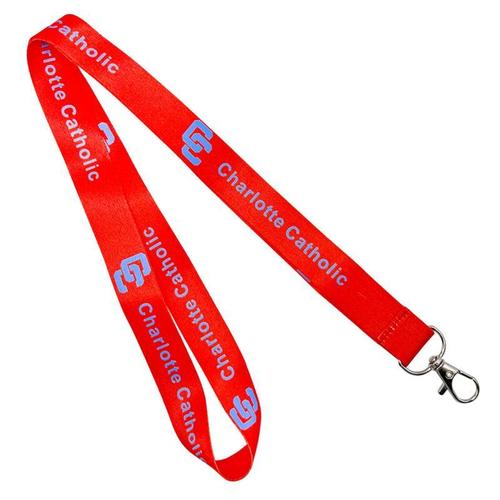
The main methods are screen printing, dye sublimation, woven, and heat transfer. Screen printing works well for bold one- or two-color logos on standard polyester and often keeps costs under control at volume. Dye sublimation is better for full-color designs, gradients, edge-to-edge coverage, and more modern visual branding. Woven lanyards can feel durable and textured, but they are less ideal for intricate details. Heat transfer can help with specialty effects, though consistency depends heavily on vendor quality control.
Questions to ask before approving artwork
- What printing method will be used for my exact logo?
- What is the minimum readable text size on the chosen strap width?
- Will Pantone color matching be available or approximated?
- How many repeats of the logo will appear across the full lanyard length?
- Can the supplier provide a production photo or physical pre-production sample?
If the lanyard is meant for conferences or public-facing staff, readability matters as much as brand style. A clean, high-contrast imprint on a 3/4-inch strap usually performs better than a crowded full-color layout that no one can read from three feet away.
I have seen this firsthand while reviewing client proofs with Best Patches. One event client initially requested a narrow lanyard with a dense sponsor lockup and three shades of blue. On-screen, it looked polished. On fabric, the sponsor names became muddy. We widened the strap, simplified the logo repeat, and moved to dye sublimation. The final run cost slightly more per piece, but the event team avoided reprinting 2,000 units and got better on-site visibility.
Safety, Compliance, and User Environment
The right lanyard for a trade show is not always the right lanyard for a school district or hospital. Environment should guide specification. This is especially true for breakaway features, attachment hardware, and sanitation expectations.
For education and healthcare, breakaway closures are often a non-negotiable requirement. In warehousing or production settings, detachable access can be useful, but snag risks and badge weight should be reviewed. For events, speed and visual branding may matter more than heavy-duty wear resistance. For resale merchandise, comfort and aesthetic finish often drive buyer satisfaction.
OSHA does not issue a universal lanyard standard for promotional badge lanyards, but workplace safety programs still require employers to assess snagging hazards and equipment interaction. Buyers should not treat all environments as equal. If the lanyard is used around moving equipment, ask whether a breakaway and a lighter attachment setup would reduce risk.
Where usage conditions change your specification
- Schools: Breakaway closure, soft material, easy badge visibility
- Hospitals: Breakaway, wipeable considerations, minimal snag risk
- Events: Fast fulfillment, strong branding, easy badge scanning
- Warehouses: Secure detachable section, durable clip, hazard review
- Retail resale: Premium feel, trend-conscious colors, cleaner packaging
Pricing, MOQs, and Hidden Cost Traps
Most buyers focus on unit price first. That is understandable, but it is also how bad orders get approved. The true landed cost of bulk detachable lanyards includes setup fees, proof revisions, mold or attachment changes, shipping, packaging format, rush production, and spoilage risk if the design fails.
Bulk pricing usually improves at higher quantities, but not every “bulk” quote is structured the same way. Some suppliers offer a low headline price and then add fees for buckle upgrades, breakaway options, individual bagging, PMS matching, or split shipping. Others include these items in a more honest quote that looks slightly higher at first glance.
According to a 2024 Gartner procurement outlook, organizations are putting more pressure on suppliers to provide total-cost visibility rather than base-price quoting. That principle applies here. A useful quote should separate artwork/setup, unit cost, shipping, packaging, and any optional upgrades.
Common cost surprises buyers miss
- Color matching surcharges
- Upgraded metal attachments
- Breakaway add-on pricing
- Polybagging or retail-ready packaging fees
- Air freight on tight deadlines
- Replacement charges for defects after delivery
At Best Patches, we often tell clients to compare quotes on a “usable delivered product” basis, not a “base strap only” basis. That one shift usually reveals which quote is genuinely competitive.
How to Proof a Bulk Order Before Production
Proofing is the point where a routine order becomes either safe or risky. Many lanyard issues are preventable if buyers review the right things in the right order. A digital mockup is only one part of approval. You also need confirmation of materials, dimensions, hardware, and imprint expectations.
A practical approval workflow
- Confirm the end use: badges, keys, scanners, giveaways, or resale.
- Select material and width based on comfort and artwork complexity.
- Choose attachment hardware and decide whether breakaway is required.
- Review digital proof for logo scale, repeat spacing, and color accuracy.
- Request a physical sample or production photo for large runs when timing allows.
- Get written confirmation of quantity tolerance, lead time, and defect policy.
This process sounds basic, but it saves real money. I remember a rush order where a client wanted detachable lanyards for a regional expo and assumed “standard clip” meant swivel hook. The supplier’s default was a bulldog clip, which would not hold the badge sleeves they had already purchased. We caught it during proof review and corrected the build before production. That small check prevented a full mismatch across the order.
“If the proof does not state strap width, attachment type, buckle style, and breakaway status, it is not a complete proof. It is just artwork placement.”
Which Lanyard Setup Fits Your Use Case
Different buying scenarios call for different specifications. The table below shows how product choices shift across common business needs.
| Use Case | Recommended Material | Best Attachment Setup | Buying Priority |
|---|---|---|---|
| Trade show organizers | Polyester or dye-sub polyester | Detachable buckle + swivel hook | Fast turnaround and bold branding |
| School districts | Soft polyester or recycled PET | Breakaway + detachable buckle + badge clip | Safety and comfort |
| Hospitals and clinics | Smooth polyester or RPET | Breakaway + lightweight swivel hook | Low snag risk and daily wear comfort |
| Warehouse teams | Durable nylon or heavy polyester | Secure detachable buckle + split ring | Durability and task utility |
| Retail merchandise brands | Dye-sub polyester or woven finish | Detachable buckle + premium clasp | Look, feel, and resale presentation |
What We Learned From Real Client Orders
One of our clients at Best Patches was a multi-location youth program that needed branded lanyards for staff IDs and room keys. Their first instinct was to buy the lowest-cost detachable option available online. When we reviewed the specification, the buckle looked acceptable in photos but had no clear testing information, the strap width was too narrow for the logo, and there was no breakaway feature. For a youth-facing environment, that was the wrong combination.
We rebuilt the order around a softer polyester strap, a breakaway closure, and a detachable buckle with a better lock feel. We also simplified the artwork so the program name stayed legible from a distance. The result was not the cheapest quote on paper, but it was the most usable. More importantly, the client reordered the same configuration later with only a color update, which cut approval time significantly.
Another project involved a fast-growing events company preparing for back-to-back expos across three states. Their issue was not design; it was consistency. Previous lanyard shipments from another source varied in shade and clip style, which made the brand look disorganized on site. We standardized the print method, required hardware confirmation in the proof, and aligned packaging by event batch. The client told us afterward that setup at registration was smoother because staff were not sorting mixed accessories out of cartons.
Those projects reinforced one thing: bulk detachable lanyards are operational products. Treat them like branded tools, not disposable swag.
How to Evaluate a Supplier Before You Commit
A supplier should be judged on more than price and mockup speed. Strong vendors communicate clearly about specs, constraints, lead times, and replacement policies. Weak vendors hide behind vague words like “standard,” “premium,” or “high quality” without defining what those terms mean.
Use this supplier checklist before placing a large order
- Do they specify exact materials and hardware in writing?
- Can they explain which print method fits your logo?
- Do they offer pre-production samples for larger orders?
- Is their defect or remake policy clear?
- Can they handle repeat orders with consistent specs?
- Will they disclose packaging and shipping details upfront?
- Do they understand your use case rather than just your artwork?
This is where experienced suppliers separate themselves. Best Patches approaches bulk custom programs with repeatability in mind. That means not just producing a nice first order, but helping clients build a lanyard spec they can reorder with confidence as their team, event calendar, or store program grows.
Conclusion
Buying detachable lanyards in volume is not hard, but buying the right ones requires more than approving a logo proof. Material quality, buckle reliability, attachment choice, print method, safety requirements, and supplier transparency all shape whether your order performs well after delivery. The smartest buyers compare real functionality and total landed cost, not just base unit price.
If you are planning a 2026 order, Best Patches recommends three practical next steps:
- Finalize your end use before you request quotes so the hardware and safety features match the job.
- Ask for a complete proof that lists material, width, buckle, attachment, and breakaway details.
- For larger runs, request a sample or pre-production confirmation to avoid costly surprises.
References
- Advertising Specialty Institute, 2024 research: Provided context on the continued value of useful branded merchandise and repeated ad impressions.
- Gartner, 2024 procurement outlook: Supported the importance of evaluating total cost visibility rather than headline pricing alone.
- McKinsey, 2025 consumer and sustainability reporting: Informed the discussion on durability, material transparency, and eco-related buying expectations.
- OSHA workplace safety guidance: Helped frame the need to assess snagging hazards and environment-specific safety considerations.
FAQ
What should I check first before ordering bulk detachable lanyards?
Start with the use case. Then verify material, strap width, detachable buckle quality, attachment type, print method, and whether a safety breakaway is required. Those details affect both function and long-term durability.
Are detachable lanyards better than standard lanyards?
They are often better for users who need to remove keys, badges, or tools frequently. The detachable section adds convenience, but only if the buckle is secure and the hardware matches the actual task.
What is the best material for custom detachable lanyards?
For most bulk orders, polyester offers the best balance of price, durability, and print quality. Nylon can feel more premium, while recycled PET is a strong option for brands with sustainability goals.
Do I need a breakaway feature on detachable lanyards?
Often, yes. Breakaway closures are especially important in schools, healthcare, and some workplace settings where snagging risks must be reduced. Your environment should determine whether it is optional or essential.
How long does a bulk custom lanyard order usually take?
Lead times vary by quantity, customization level, and shipping method. Many standard custom orders fall in the two- to five-week range, while rush programs may move faster at a higher cost.
How can I avoid poor print quality on lanyards?
Match the print method to the artwork. Bold logos often work well with screen printing, while full-color layouts and gradients usually need dye sublimation. Always review text size, color contrast, and logo repeat spacing before approval.
What file format should I send for lanyard artwork?
Vector files such as AI, EPS, or SVG are usually best for sharp reproduction. High-resolution PNG files can work for some designs, but outlined text and clear color references make production smoother.