 Promotional Products



Introduction
Choosing between acrylic and enamel is where many custom merch projects stall. If you are comparing acrylic vs enamel custom keychains, the real question is not which one is “better” in the abstract. It is which material fits your brand image, budget, artwork style, production timeline, and long-term use.
That is exactly where Best Patches stands out. As a trusted custom product partner for branded merchandise, event giveaways, artist merch, and retail-ready accessories, Best Patches helps buyers avoid the expensive mistake of selecting a material that looks great in a mockup but underperforms in real life.
Acrylic vs enamel custom keychains refers to a side-by-side comparison between two of the most popular keychain materials. Acrylic keychains use printed or layered artwork inside a clear or colored plastic base, while enamel keychains typically use metal filled with colored enamel for a harder, more premium finish.
The difference matters because quality is not just about appearance. It includes scratch resistance, color depth, weight, edge finish, shipping cost, perceived value, and how well the piece holds up after months on keys, bags, or lanyards.
Table of Contents
- What Defines Quality in Custom Keychains
- Acrylic Keychains at a Glance
- Enamel Keychains at a Glance
- Acrylic vs Enamel Side-by-Side Comparison
- Which Material Fits Which Business Goal
- Cost, Production, and MOQ Realities
- Design and Artwork Considerations
- Real-World Experience from Best Patches
- How to Choose the Right Material
- Final Thoughts and Next Steps
What Defines Quality in Custom Keychains
Buyers often reduce quality to one thing: how “premium” the product looks. That is too narrow. In actual purchasing decisions, quality is a mix of visible finish, structural durability, consistency across the batch, and whether the product supports your intended price point.
When we assess keychain quality for clients, we usually look at these factors first:
- Surface durability against scratches and scuffs
- Color accuracy compared with the original design
- Weight and hand feel
- Attachment strength and hardware reliability
- Edge smoothness and finishing precision
- Production consistency from sample to bulk order
- How well the material supports branding goals
According to a 2024 report by the Advertising Specialty Institute, usefulness and product quality remain two of the strongest drivers of promotional product retention. That matters here because a keychain is a daily-use item. If the print fades fast or the clasp fails early, the branding value drops with it.
Acrylic Keychains at a Glance
Acrylic keychains are lightweight, highly customizable, and especially strong for colorful artwork. They are a favorite among illustrators, fandom sellers, conventions, school clubs, and startups that need visual impact without a heavy per-unit cost.
The biggest advantage of acrylic is design freedom. Full-color artwork, gradients, character art, layered effects, glitter, epoxy, holographic overlays, and double-sided prints are all easier to execute in acrylic than in enamel. If your design depends on subtle shading or a photographic look, acrylic usually wins.
That said, acrylic does come with tradeoffs. It can scratch more easily than enamel, especially if the print is not protected well. Lower-grade acrylic can also cloud over time or show edge chipping after rough use. A cheap acrylic keychain looks cheap immediately. A well-made one looks clean, modern, and vibrant.
“Acrylic is the smartest option when artwork complexity is the priority. It gives brands more visual freedom, but only if the print protection and cut precision are handled correctly.”
Where acrylic performs best
Acrylic tends to be the better fit for:
- Artist alley merchandise
- Anime, gaming, and pop-culture fandom products
- Short-run campaign giveaways
- Youth-focused brands with playful visuals
- Budget-sensitive orders with full-color art
Enamel Keychains at a Glance
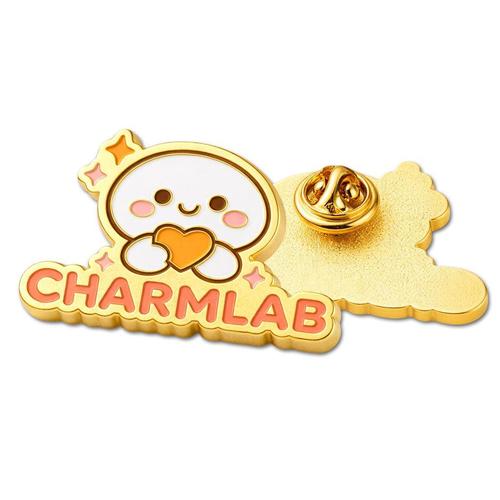
Enamel keychains are usually made from metal, then filled with soft or hard enamel colors. They are heavier, more tactile, and often read as more premium at first touch. For corporate branding, commemorative merchandise, clubs, automotive brands, breweries, and destination retail, enamel often feels like the more serious choice.
The real strength of enamel is structure. Metal outlines define the design clearly, and the finished product generally handles wear better than standard printed acrylic. If your logo relies on bold shapes and limited spot colors, enamel can look sharp for years.
The limitation is artistic detail. Enamel is less suited for tiny gradients, painterly shading, or highly intricate full-color scenes. It thrives on simplified shapes and intentional linework. Also, enamel is usually heavier and more expensive, which affects freight and retail pricing.
Data from the 2025 Global Licensing Industry Study by Licensing International showed licensed consumer products continue to benefit from premium collectible formats. In practical terms, that supports what many merch sellers already see: fans and collectors are often willing to pay more for products that feel substantial, and enamel fits that expectation well.
Where enamel performs best
Enamel is often the stronger fit for:
- Corporate gifts and employee recognition
- Premium retail souvenirs
- Automotive and lifestyle brands
- Minimalist logos with strong shape recognition
- Collectors who value weight and durability
Acrylic vs Enamel Side-by-Side Comparison
Here is the simplest way to compare the two materials in real buying terms.
| Quality Factor | Acrylic Keychains | Enamel Keychains | Best Business Scenario |
|---|---|---|---|
| Visual style | Bright, full-color, photo-friendly | Structured, metallic, premium | Artists and fandom shops vs corporate or souvenir brands |
| Durability | Good, but can scratch faster | Very good, especially for repeated daily use | Event swag vs long-term branded merch |
| Weight and feel | Lightweight and casual | Heavier and more collectible | Convention merch vs premium gift shop products |
| Design flexibility | Excellent for gradients and complex art | Best for bold, simplified shapes | Illustrated characters vs clean logos and badges |
| Typical cost position | More budget-friendly | Higher unit cost | High-volume promotions vs higher-margin retail |
Which Material Fits Which Business Goal
If your goal is broad reach at a manageable budget, acrylic usually makes more sense. It helps new creators and growing brands launch quickly without forcing a premium retail price. It also supports faster experimentation with seasonal artwork or limited runs.
If your goal is prestige, longevity, or collectible appeal, enamel often justifies its higher cost. A law firm, craft distillery, luxury pet brand, alumni association, or motorcycle club may find acrylic too casual for the brand message they want to send.
There is also a middle ground. Some brands use acrylic for volume campaigns and enamel for VIP kits, founder editions, or paid retail bundles. That tiered strategy can improve margins while keeping the entry product affordable.
Choose acrylic when
- Your artwork includes gradients, shadows, or multiple characters
- Your target buyer is price-sensitive
- You need lightweight products for mailers or subscription boxes
- You want to test several designs quickly
Choose enamel when
- Your design is logo-led and shape-driven
- You want a premium tactile impression
- The keychain will be used heavily over time
- You are selling to collectors or professional audiences
Cost, Production, and MOQ Realities
Cost is where many material debates become practical. Acrylic usually has lower setup complexity and better affordability for full-color designs. Enamel often requires more involved production steps, especially when metal molds, fill areas, and plating finishes are part of the build.
According to the 2024 SAGE promotional products market insights, buyers continue to prioritize products that balance perceived value with cost efficiency. That trend explains why acrylic remains strong for promotional use while enamel keeps its position in premium merchandising.
In most real projects, acrylic offers these financial benefits:
- Lower unit costs for colorful art
- More flexible small-batch testing
- Lighter shipping weights
- Lower retail risk for first-time sellers
Enamel, meanwhile, often brings these financial challenges:
- Higher tooling or setup expectations
- Higher per-piece cost
- Heavier freight, especially for larger orders
- Stricter design simplification during proofing
How to compare quotes the right way
- Ask for the exact thickness and dimensions, not just a front-view mockup.
- Confirm whether protective film, epoxy, or surface coating is included.
- Check hardware quality, including jump rings, clasps, and split rings.
- Review whether the quote includes sample revisions and packaging.
- Compare landed cost, not just factory price.
Design and Artwork Considerations
One of the clearest differences in the acrylic vs enamel custom keychains debate is how each material translates artwork. Acrylic reproduces printed art. Enamel interprets art through metal borders and filled color zones. That distinction changes the outcome dramatically.
For acrylic, strong files include crisp outlines, high-resolution layers, and clear bleed planning. Acrylic rewards details, but it also exposes weak artwork fast. Pixelation, muddy contrast, or thin text will show.
For enamel, the best designs are simplified. Fine lines may need thickening. Tiny negative spaces may need merging. Gradients usually need to become stepped color blocks or be removed. Good enamel design is not less sophisticated. It is more intentional.
“The best enamel keychains are edited, not just illustrated. You are designing for metal structure, not for a flat screen.”
Common quality mistakes
Across both materials, we see the same avoidable issues:
- Overly small text that cannot survive production cleanly
- Ignoring edge shape and hole placement
- Choosing the wrong finish for the brand audience
- Approving proofs without checking attachment hardware
- Using an exact digital color expectation for a physical product without tolerance planning
Real-World Experience from Best Patches
I have seen this decision play out differently depending on the client. One Best Patches customer, an indie artist preparing for a large anime convention, originally wanted enamel because it sounded more premium. After reviewing the artwork, we advised against it. The illustrations relied on layered highlights, translucent effects, and facial detail that enamel would have flattened. We moved the project to double-sided acrylic with a protective finish and a custom back print. The result sold through faster than the client expected because the art remained intact and the retail price stayed accessible.
In another project, I worked with a regional brewery that needed a merchandise item for a limited barrel-release event. Their first idea was acrylic because the logo had color variation. But once we evaluated the audience, the product table, and the desired price point, enamel made more sense. The heavier metal body matched the premium positioning of the release, and the simplified crest looked stronger in enamel than in print. Customers treated it like a collectible rather than a casual add-on.
Those two projects underline the key point: material quality is contextual. The better product is the one that expresses the brand accurately and performs well in the intended sales environment.
How to Choose the Right Material
If you are still undecided, the fastest path is to filter the choice through four questions: What does the artwork need? How much will the buyer pay? Where will the product be used? What kind of impression should it leave after the first touch?
Use this quick framework:
- Pick acrylic if visual complexity and lower cost matter most.
- Pick enamel if durability, weight, and premium feel matter most.
- Test both if you are building a merch line with multiple audience tiers.
A hybrid strategy is increasingly effective in 2026. Launch acrylic for broad appeal, then introduce enamel as a collector edition. This lets you validate the design first while building a higher-margin version later.
Final Thoughts and Next Steps
When buyers compare enamel and acrylic, the winner is rarely universal. Acrylic leads on color flexibility, lower cost, and creative freedom. Enamel leads on tactile quality, durability, and premium presentation. If your design is intricate and your budget matters, acrylic is hard to beat. If your goal is a more elevated, lasting impression, enamel usually earns its place.
Best Patches recommends these next steps:
- Match the material to your artwork before you compare prices.
- Request a physical sample or detailed proof that includes thickness and hardware.
- Build around your audience: acrylic for accessible volume, enamel for premium positioning.
References
- Advertising Specialty Institute, 2024: Provided market insight on product usefulness and quality as major drivers of promotional retention.
- SAGE Promotional Products Market Insights, 2024: Supported current buyer priorities around perceived value and cost efficiency.
- Licensing International, 2025 Global Licensing Industry Study: Reinforced the demand for premium collectible merchandise formats.
FAQ
What is the best material for custom keychains?
-
It depends on your goal. For vivid artwork and lower cost, acrylic is often the best fit. For a polished, long-lasting, and premium feel, enamel over metal is usually the stronger choice.
How thick should an acrylic keychain be?
-
Most acrylic keychains are around 3mm thick. That thickness gives a solid feel without adding too much weight, though 2mm may work for budget orders and 5mm can suit premium styles.
Which wins in acrylic vs enamel custom keychains for durability?
-
In most daily-use cases, enamel keychains have the edge in durability because the metal base resists wear better. Acrylic can still perform well, but it is more likely to show scratches if the surface is not protected properly.
How much does it cost to make custom keychains?
-
Pricing varies by material, size, order quantity, and finish. A rough guide is:
-
Acrylic keychains: often lower-cost for full-color designs
-
Enamel keychains: usually higher due to metal and production steps
-
Premium hardware, packaging, and low MOQs can raise the final landed price
Do keychain manufacturers have minimum order quantities (MOQs)?
-
Yes, many suppliers do. MOQ levels can vary by style and production method, but acrylic often offers more flexibility for smaller trial runs than enamel.
What file format should I use for keychain design?
-
Always confirm with your supplier, but these are the safest options:
-
.AI or .SVG for vector-based enamel-ready designs
-
.PNG at 300 dpi or higher for acrylic artwork previews
-
Keep text outlined and avoid tiny details that may fail in production
Are enamel keychains better for selling at a higher retail price?
-
Often, yes. Because enamel keychains feel heavier and more collectible, customers frequently accept a higher retail price, especially in souvenir, brewery, club, and lifestyle brand settings.
What are the most popular shapes for keychains?
-
Die-cut custom shapes are among the most popular because they follow the design outline and feel more distinctive. Simple circles, rectangles, mascots, logos, and badge-like silhouettes also remain strong sellers.