 Promotional Products

Introduction
When brands compare acrylic vs enamel custom keychains, the real question is not which one looks better in a product photo. It is which option will stretch a campaign budget, hold up in daily use, and match the brand impression you want customers to keep in their pockets, bags, and cars. A cheap giveaway that scratches fast can quietly hurt perception. A premium piece that costs too much can crush your promotional ROI before the campaign even starts.
That is why marketers, event planners, merch teams, and small business owners keep coming back to the same debate. At Best Patches, we have seen this choice affect everything from trade show conversion rates to reorder volume for fan merch and loyalty programs. The material you choose changes production speed, color impact, unit economics, and how long people actually keep the item.
Acrylic vs enamel custom keychains refers to the comparison between two popular promotional keychain styles. Acrylic keychains are printed, lightweight, and budget-friendly, while enamel keychains are typically metal-based, more premium in feel, and built for longer-term brand value.
If you need quick-turn, colorful, low-cost giveaways, acrylic often wins. If you need a polished keepsake that feels more like collectible merchandise than a handout, enamel usually has the edge.
Table of Contents
- What Sets Acrylic and Enamel Apart
- Pros and Cons at a Glance
- Which Material Fits Which Campaign Goal
- Cost, ROI, and Perceived Value
- Durability, Wear, and Customer Experience
- Design Flexibility and Production Limits
- Real Campaign Lessons from Best Patches
- How to Choose the Right Keychain
- Common Buying Mistakes to Avoid
- Final Recommendations
What Sets Acrylic and Enamel Apart
Acrylic keychains are usually made from clear or colored plastic sheets with printed artwork sealed onto or inside the piece. They are popular because they support bright, detailed graphics, custom die-cut shapes, and fast production at relatively low cost. For artist merch, youth-focused promotions, and event giveaways, acrylic can be a strong fit.
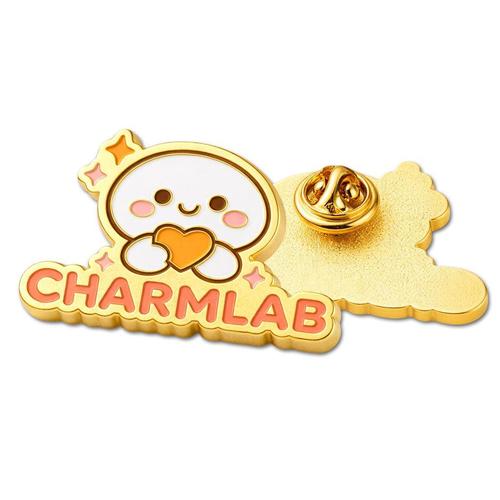
Enamel keychains, by contrast, are generally made from metal with recessed or raised sections filled with enamel color. In many promotional settings, people also refer to them as enamel pins adapted into keychain form. They feel heavier, more substantial, and more premium. That metal base immediately changes how the item is perceived.
According to the Advertising Specialty Institute’s 2024 Ad Impressions Study, useful promotional products tend to generate repeated brand exposure because recipients keep and use them over time. That matters here: keychains work best when they stay attached to something important. Material choice affects whether people treat the item as disposable swag or a mini collectible.
How each material is typically made
Acrylic designs are printed digitally, then laser-cut or die-cut to shape. Enamel designs require mold preparation, metal stamping or casting, color filling, plating, polishing, and assembly. That difference explains why acrylic usually moves faster and costs less, while enamel tends to deliver stronger tactile value.
Why the feel matters in promotions
People judge brand quality quickly. A lightweight acrylic charm can feel fun, youthful, and creative. A metal enamel piece can feel official, gift-worthy, and lasting. Neither reaction is wrong. The right answer depends on your audience and the role the keychain plays in the campaign.
“Promotional products work best when utility and brand fit meet in the same object. If the item feels aligned with the audience’s expectations, retention goes up and waste goes down.”
Pros and Cons at a Glance
Here is the short version before we get into strategy.
Acrylic keychains
- Lower unit cost for bulk campaigns
- Excellent for full-color artwork and gradients
- Lightweight and easy to mail
- Fast turnaround for seasonal promotions
- Can scratch more easily without protective options
- Often feels less premium than metal-based products
Enamel keychains
- Premium weight and polished finish
- Better long-term perceived value
- Strong fit for corporate gifts and collectible merch
- Usually more durable under daily handling
- Higher setup and production costs
- Less ideal for highly photographic or gradient-heavy art
Which Material Fits Which Campaign Goal
Acrylic and enamel keychains serve different jobs, even when the artwork is the same. Marketers often get stuck because they compare materials in the abstract instead of tying the choice to campaign goals.
| Business Scenario | Primary Goal | Better Material | Reason |
|---|---|---|---|
| Anime convention booth | High-volume low-cost giveaway | Acrylic | Bright character art, low weight, easy bulk distribution |
| Luxury real estate closing gift | Premium brand impression | Enamel | Metal feel supports upscale positioning |
| Coffee shop loyalty launch | Affordable branded keepsake | Acrylic | Low cost makes repeat campaigns easier |
| University alumni merchandise | Lasting collectible appeal | Enamel | Heritage branding looks stronger in metal |
| Startup trade show handout | Fast awareness on a tight budget | Acrylic | Short lead times and lower entry cost |
If your audience sees the keychain as a collectible, enamel usually earns more appreciation. If they see it as a colorful brand reminder attached to a tote or zipper, acrylic can outperform on cost efficiency.
Cost, ROI, and Perceived Value
Price matters, but smart buyers look past piece cost. The more useful metric is cost per retained impression. A keychain that costs a little more but stays in use for two years may outperform a cheaper option that gets tossed in a week.
In our work at Best Patches, acrylic often wins when the order size is large and the campaign has a broad top-of-funnel objective. Think open-house events, school fairs, launch weeks, nonprofit street outreach, or conference swag bags. Enamel tends to win when distribution is narrower and more intentional, such as VIP gifts, ecommerce add-ons, membership rewards, or limited-edition merchandise.
Where acrylic saves money
Acrylic usually has lower tooling complexity, lower shipping weight, and easier adaptation for multiple SKUs. If you need several designs for different audience segments, acrylic can reduce production friction.
Where enamel earns the extra spend
Enamel supports stronger perceived value. A 2025 report from PPAI Research noted that recipients tend to assign higher value to promotional items with a durable finish and gift-like feel. That does not mean every campaign needs enamel, but it does mean premium texture can raise the item’s staying power.
Budget questions worth asking early
- How many units do you need to distribute in the first wave?
- Is the keychain meant to drive reach, loyalty, or revenue?
- Will people choose the item, or will it be handed to everyone?
- Does your artwork depend on gradients, tiny details, or metallic lines?
- Is reorder speed more important than long-term shelf appeal?
Durability, Wear, and Customer Experience
Promotional products quietly represent your quality standards. That is why durability is not just a manufacturing issue. It is a brand issue.
Acrylic can hold up well when produced correctly, especially with double-board printing, epoxy coating, or protective film. Still, it is more vulnerable to surface scratching and edge wear than enamel. If a keychain will live in a pocket with keys and coins, metal enamel usually ages better.
Enamel keychains are generally better at handling friction, drops, and long-term attachment to key rings. But they are not perfect either. Poorly finished plating can tarnish, and low-grade enamel fill can chip if quality control is weak.
How users actually treat keychains
Most recipients are not careful with them. They get tossed into cupholders, scraped against key blades, dropped on pavement, and clipped to overloaded bags. In that environment, enamel usually maintains a cleaner appearance longer, while acrylic may show wear faster unless protected.
“The wrong material does not always fail in production. It often fails six weeks later, when the customer notices scratches, fading, or a cheap feel and mentally transfers that disappointment to the brand.”
Design Flexibility and Production Limits
This is where the acrylic vs enamel custom keychains decision gets practical fast. Your design itself may rule one material in or out.
When acrylic is the better design canvas
Acrylic handles full-color illustrations, transparent effects, layered graphics, gradients, and character art extremely well. If your logo includes subtle shading or your campaign uses playful, image-heavy creative, acrylic gives you more freedom. It is especially strong for creator merch, youth brands, gaming communities, and pop-culture promotions.
When enamel delivers better visual authority
Enamel shines with bold lines, simple shapes, strong iconography, crests, badges, and logos that benefit from metal outlines. Corporate brands, schools, associations, breweries, automotive groups, and premium retail labels often look better in enamel because the structure adds formality and depth.
Production constraints to watch
- Very tiny text is risky in both formats, but enamel often needs cleaner simplification
- Gradients are easy in acrylic and difficult in traditional enamel
- Complex interior cutouts may raise cost or reject rates
- Thin protruding shapes can weaken both styles if not engineered properly
- Transparent and holographic effects are easier with acrylic add-ons
Real Campaign Lessons from Best Patches
I have seen clients make the wrong call by focusing on aesthetics alone. One startup came to Best Patches before a major expo with a visually rich mascot design and a limited promotional budget. Their first instinct was enamel because they wanted to look established. After reviewing their goals, we recommended acrylic instead. They needed 3,000 units, multiple character variants, and a fast turnaround. Acrylic let them keep the art intact, stay within budget, and hand out enough pieces to generate real booth traffic.
The result was not just lower spend. The team used variant designs as conversation starters, and attendees traded styles on the show floor. That behavior matters because it creates social proof around the product. In that case, acrylic was not the “cheaper” choice. It was the smarter campaign choice.
On another project, I worked with a regional hospitality brand preparing welcome gifts for a premium membership launch. They initially requested acrylic because they had used it before for casual events. But this program was different. The guest experience was positioned around exclusivity and elevated service. We shifted them to enamel keychains with polished metal outlines and a cleaner badge-style design. The per-unit cost increased, but the item felt like part of the brand system rather than leftover event swag. Members posted it online, and the brand later reordered for a seasonal edition.
Those two projects taught the same lesson in opposite directions: material should serve the campaign role, not your default habit.
How to Choose the Right Keychain
If you are still torn, use this decision filter.
Choose acrylic if
- You need higher volume at a controlled budget
- Your artwork relies on full-color illustration or gradients
- Shipping weight matters for mailers or ecommerce inserts
- Your audience is younger, trend-driven, or collector-oriented
- You need shorter lead times and easier SKU variation
Choose enamel if
- You want a premium tactile impression
- Your design is simple, iconic, or badge-like
- The item is meant to be kept for a long time
- You are serving VIPs, members, clients, or higher-end buyers
- Brand perception matters more than maximum distribution volume
A simple selection framework
- Define the campaign goal in one sentence.
- Rank what matters most: cost, speed, art fidelity, or premium feel.
- Match the design style to the material’s strengths.
- Request samples or mockups before approving bulk production.
- Test the item against real use conditions, not just desktop visuals.
Common Buying Mistakes to Avoid
Most disappointments happen before production starts. Buyers either under-spec the product or overestimate what the material can do.
Picking by unit price alone
A low price per piece can be expensive if recipients do not keep the item. Measure total promotional value, not just invoice cost.
Forcing the wrong artwork into the wrong material
Photographic art in enamel often loses its impact. Minimalist crest designs in acrylic may lose authority. The design and substrate have to match.
Ignoring attachment hardware
Clasps, jump rings, and chains affect user experience more than many buyers expect. Weak hardware can make even a well-made keychain feel flimsy.
Skipping finish options
Acrylic may need protective coating. Enamel may benefit from the right plating, polish level, or edge treatment. Those details shape retention and satisfaction.
Ordering without scenario testing
Ask how the keychain will be used. Trade show giveaway, checkout add-on, fundraiser premium, and employee gift are not the same scenario. The right answer changes with context.
Final Recommendations
There is no universal winner in the acrylic vs enamel custom keychains debate. Acrylic is usually the stronger option for colorful, affordable, fast-moving campaigns. Enamel is usually the stronger option for premium positioning, long-term retention, and gift-worthy presentation. The best choice is the one that aligns with your audience, artwork, budget, and campaign goal at the same time.
Best Patches recommends three next steps if you are planning a promotional run:
- Start with the campaign objective, then shortlist materials instead of doing it the other way around.
- Request a proof or sample that reflects real use conditions, including hardware and finish.
- Build your budget around retention and brand impression, not only around the cheapest unit price.
References
- Advertising Specialty Institute, 2024 Ad Impressions Study — Provided insight into how useful promotional products drive repeated brand exposure.
- PPAI Research, 2025 promotional product findings — Supported the role of perceived quality and durable finish in recipient value.
- Gartner consumer branding observations from 2024 market analyses — Reinforced the importance of tactile brand experience and consistency in physical touchpoints.
FAQ
What is the best material for custom keychains?
-
It depends on the campaign goal. Acrylic is often best for colorful, budget-friendly promotions and creator-style merchandise. Enamel is often better when you want a heavier, premium feel that supports long-term brand perception.
How thick should an acrylic keychain be?
-
3mm is the most common sweet spot. It feels sturdy without becoming bulky, though some campaigns use 2mm to save cost or 5mm to create a more premium impression.
For acrylic vs enamel custom keychains, which lasts longer?
-
In most daily-use situations, enamel keychains last longer because the metal base resists scratches and wear better. Acrylic can still perform well, especially with protective coating, but it usually shows surface wear sooner.
Are enamel keychains more expensive than acrylic ones?
-
Usually, yes. Enamel keychains tend to cost more because they require metalwork, mold preparation, plating, and finishing. Acrylic is generally more budget-friendly, especially for large-volume promotional runs.
Which material is better for detailed artwork?
-
Acrylic is usually better for highly detailed, full-color, or gradient-heavy artwork. Enamel works best for cleaner line art, logos, symbols, and bold designs with clear color separation.
Do keychain manufacturers have minimum order quantities?
-
Yes, many do. MOQ levels vary by supplier, material, and customization method. Acrylic often supports lower-entry runs more easily, while enamel may require higher minimums because of tooling and setup.
What file format should I use for keychain design?
-
The best formats are usually:
.AI or .SVG for vector artwork
.PNG for high-resolution raster art with transparency
Outlined text to avoid font issues
At least 300 dpi for print-based artwork