 Promotional Products










Why This Choice Matters
If you are planning an event, choosing the right custom festival wristbands affects far more than style. It shapes entry speed, crowd flow, fraud prevention, sponsor visibility, guest comfort, and even how your event feels on social media. A beautiful wristband that slows check-in or fails in bad weather quickly turns into an operations problem.
That is why event teams increasingly compare fabric wristbands with RFID options long before artwork is approved. At Best Patches, we have seen organizers focus first on unit cost, then realize later that scanning delays, poor security, or weak branding cost more than the wristbands ever did. The better question is not which product is cheaper. It is which product fits your event model, attendee expectations, and revenue goals.
Custom festival wristbands are branded wrist-worn credentials used to identify attendees, control access, support promotions, and sometimes process payments or collect engagement data. They can be made from woven fabric, vinyl, silicone, Tyvek, or smart RFID-enabled materials, depending on the experience an organizer wants to deliver.
The short answer: fabric wristbands are ideal when comfort, premium branding, and tamper resistance matter most, while RFID wristbands are stronger when you need fast scanning, access control layers, cashless payments, or attendee tracking at scale. Many successful events now combine both benefits in one product.
Table of Contents
- What Fabric Wristbands Do Best
- Where RFID Wristbands Gain a Clear Edge
- Fabric vs RFID at a Glance
- How to Choose Based on Event Type
- Budget, Operations, and Hidden Costs
- Real-World Lessons From Best Patches
- Design, Branding, and Sponsorship Value
- Risks, Limitations, and Compliance Questions
- How to Order the Right Wristband Without Regret
What Fabric Wristbands Do Best
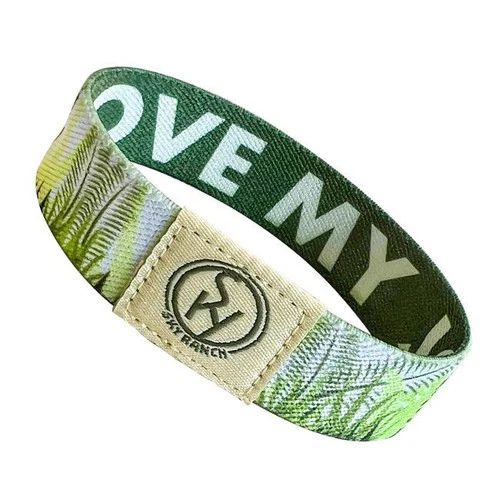
Fabric wristbands remain a favorite for music festivals, VIP weekends, multi-day community events, college programs, and brand activations that want a collectible feel. They look more premium than paper or plastic, and they stay comfortable through long wear, sweat, rain, and movement. If your attendees tend to keep the band on as a souvenir, fabric has a strong advantage.
Woven or sublimated fabric also gives organizers more visual room to express the event identity. You can incorporate gradients, logos, sponsor marks, date ranges, lineup references, security patterns, and serial numbers without making the band feel cheap. For events where branding matters as much as gate control, fabric often wins on emotional value.
There is also a practical security case for fabric. A properly locked woven wristband is difficult to remove intact and pass to someone else. That matters for events fighting re-entry abuse, underage access problems, and counterfeit admissions. Security features like custom closures, unique patterning, barcodes, and serialized production can strengthen that protection further.
- Best for comfort: multi-day wear with minimal skin irritation
- Best for brand perception: premium, collectible, and photo-friendly
- Best for souvenir value: attendees often keep them after the event
- Best for basic security: hard to transfer once applied correctly
- Best for sponsor display: more polished placement for logos and taglines
The tradeoff is that fabric alone does not solve every operational problem. It does not automatically speed up entry. It does not provide live access data. And if your event needs cashless purchases or multiple access checkpoints, standard fabric may feel limiting unless you add a scannable or embedded technology layer.
Where RFID Wristbands Gain a Clear Edge
RFID wristbands bring intelligence into access control. With an embedded chip, staff can scan guests at entry, VIP zones, backstage areas, camping gates, parking entrances, and activation booths. This reduces manual checks and gives organizers a real-time view of movement across the venue. For large or layered events, that visibility is extremely valuable.
RFID also supports cashless payment programs, timed entry experiences, attendee engagement tracking, and anti-counterfeit measures. If your event includes premium lounges, age-restricted areas, or sponsor stations that reward participation, RFID wristbands often pay for themselves through smoother operations and stronger data.
A 2024 report by Grand View Research noted continued global expansion in RFID adoption across access control, retail, and logistics, largely because organizations want faster verification and better data visibility. That same logic applies at festivals: the bigger the crowd and the more touchpoints you manage, the more attractive RFID becomes.
There is another reason organizers are leaning toward smart credentials. According to the 2024 State of the Event Industry research from Events Industry Council, planners continued prioritizing measurable attendee experience and operational efficiency. Wristbands that only identify people are useful. Wristbands that identify, validate, and record engagement create a stronger management system.
“When line congestion damages the guest experience, the issue is rarely the gate alone. It is usually a mismatch between credential design, staffing, and scan workflow. RFID works best when the wristband is part of a full entry plan, not treated as a magic fix.”
Still, RFID is not automatically the best answer for every organizer. It requires hardware, system setup, testing, staff training, and usually a higher per-unit investment. If your event is small, single-gate, and low-risk, RFID may be more capability than you actually need.
Fabric vs RFID at a Glance
The fastest way to compare these options is to align them with actual event needs rather than product hype. Fabric is usually the better fit for branding-led experiences. RFID is usually the better fit for process-led experiences. But plenty of events now use hybrid fabric RFID bands to cover both sides.
| Event Scenario | Best Wristband Type | Why It Fits | Main Watchout |
|---|---|---|---|
| Three-day indie music festival with VIP tiers | Fabric RFID | Comfort, branding, secure access, and fast scans across multiple zones | Needs scanner testing and trained gate staff |
| Local brewery festival with one main entrance | Fabric | Premium look, easy distribution, lower total cost | No automated access tracking |
| Campus welcome week with activity checkpoints | RFID | Fast attendance validation and engagement measurement | System setup can exceed a small team’s capacity |
| Charity walk with sponsor-heavy branding | Fabric | Wearable branding and souvenir appeal support sponsor visibility | Less useful if you need live donor tracking |
One more market signal is worth noting. A 2025 outlook from Statista on live events and experiential marketing pointed to continued demand for high-attendance in-person experiences. As attendance rises, wristband decisions become less about merchandise and more about throughput, fraud control, and monetization.
How to Choose Based on Event Type
The best custom festival wristbands are chosen backward from operations. Start with the attendee journey, not the product catalog. Ask what must happen from parking to exit, then match the wristband to that path.
Use Fabric When Experience Leads
Fabric is usually the right choice when your event depends on atmosphere, identity, and wearability. Think music weekends, artist retreats, private parties, fan conventions, and boutique food festivals. If the wristband is part of the event’s style, not just a pass, fabric is hard to beat.
Use RFID When Control Leads
RFID is stronger when your event includes several entrances, restricted areas, payment integration, or sponsor activations that need real participation data. It is especially useful for high-volume venues where even small reductions in gate friction can improve the first impression dramatically.
Use Hybrid Bands When You Need Both
Many organizers no longer treat fabric and RFID as a binary choice. They choose a woven or sublimated fabric wristband with an embedded RFID chip. This approach works well for multi-day festivals, premium conferences, esports events, and destination gatherings because it combines comfort, visual quality, and system intelligence.
- Map every checkpoint where a wristband will be checked or scanned.
- Define whether you need simple identification or live access validation.
- Estimate likely line pressure at peak entry times.
- Decide whether you want souvenir-grade branding or purely functional credentials.
- Test costs against your staffing model, not just your unit price.
- Request samples before approving a large production run.
Budget, Operations, and Hidden Costs
Buyers often compare only the per-band price, but wristband economics are broader. A lower-cost wristband may increase staffing needs, slow throughput, weaken sponsor exposure, or create replacement issues. A higher-cost wristband may reduce fraud, shorten lines, and support add-on revenue. The smartest procurement decision usually comes from total event cost, not product cost alone.
Fabric wristbands generally have lower implementation complexity. You order them, distribute them, secure them on-wrist, and move on. RFID adds software configuration, encoding, hardware compatibility checks, and contingency planning. If you are not prepared operationally, the promised efficiency can disappear under poor execution.
At the same time, RFID may reduce losses in ways that a spreadsheet initially misses. Faster verification can mean fewer disputes at gates. Better tier control can protect VIP upgrades. Cashless functionality can increase concession speed. A cleaner sponsor engagement record can help renew activation partners next year.
When we audit event plans, the most common hidden costs show up in four areas:
- Reprints caused by late attendee count changes
- Staff overtime from slow entry lines
- Revenue leakage from pass sharing or weak area control
- Underpriced sponsorships because engagement data was never captured
Real-World Lessons From Best Patches
At Best Patches, we worked with a regional summer festival that originally planned to use plain fabric bands because the team wanted a lower upfront cost. During discovery, we found they had five entry points, a VIP lounge, camping access, and sponsor drink redemptions. Fabric alone would have looked great, but it would not have supported how the event actually operated.
We recommended a fabric RFID band with woven branding, a color-coded closure, and encoded tier permissions. The event team was concerned about budget, so we restructured the design to keep the artwork premium while controlling chip and setup costs. Onsite, gate staff moved guests faster, VIP checks became cleaner, and the organizer gained useful post-event data on zone traffic and sponsor redemption. The lesson was simple: the right wristband prevented three separate headaches before they happened.
In another project, I saw the opposite problem. A smaller community arts event requested RFID because a board member had heard it was “the modern option.” After reviewing the format, we advised against it. There was one entrance, no payment function, no restricted zones, and a volunteer-heavy staff with little time for technical rehearsal. We produced branded fabric wristbands instead, added serial numbering for basic control, and the event ran smoothly without unnecessary complexity.
That second case matters because better technology is not always better strategy. A wristband should reduce friction, not create it.
Design, Branding, and Sponsorship Value
Wristbands are often underestimated as media space. A festival attendee may wear the band for days or even weeks. That makes it a moving brand asset, not just a gate tool. Fabric bands are especially strong here because they photograph well and feel intentional, which increases the odds that guests keep them on and share them online.
For sponsor-driven events, placement matters. A cluttered band helps nobody. The best designs prioritize one primary event mark, one sponsor mark, and one security feature instead of cramming too much into a narrow strip. Color contrast also matters more than many buyers think. In direct sunlight, weak contrast can make event names and tiers hard to read from a distance.
“A wristband earns its keep twice: first at the gate, then in every attendee photo where the event identity remains visible. If branding disappears after check-in, you left value on the table.”
RFID bands can also create sponsor value when linked to activations. A beverage partner might want redemption data. A gaming sponsor may want tap-based entry to a challenge booth. A nonprofit might want proof of attendee participation across educational stations. In those cases, the smart band becomes part of the sponsor package, which can improve renewal conversations.
For design approval, keep these standards in view:
- Readable event name at arm’s length
- Distinct color coding for ticket tiers or age groups
- Closure style matched to wear duration
- Artwork that still reads under stage lighting and sunlight
- Security elements that are visible to staff but hard to mimic
Risks, Limitations, and Compliance Questions
No wristband type is perfect. Fabric can fray if the material quality is poor. Closures can be uncomfortable if sized badly. Colors can drift if artwork files are not production-ready. Counterfeiting is still possible if you rely only on generic patterns with no custom security details.
RFID introduces a different set of risks. Technical setup failures, weak scanner placement, poor network planning, or untrained staff can erase the benefits quickly. You also need to think about data handling if the band ties to attendee identity, payment, or location movement. That does not mean RFID is unsafe. It means responsible implementation matters.
For U.S.-based events, legal review may be worthwhile if your wristband system captures personally identifiable information or payment behavior. Your privacy notice, consent language, and vendor responsibilities should be aligned before launch. This is especially important for events involving minors, schools, or health-related activations.
There is also an attendee perception issue. Some guests love seamless tap-and-go features. Others are sensitive about tracking. Clear communication helps. Tell attendees what the band does, what it does not do, and how their data is used. Trust supports adoption.
How to Order the Right Wristband Without Regret
The strongest purchase process is structured, not rushed. Event teams get into trouble when they approve art before finalizing operational needs or when they buy based on a single sample photo. Wristbands are simple products until they are mission-critical. Then every detail matters.
Ask Better Supplier Questions
Do not stop at material and price. Ask about closure options, counterfeit protection, production lead times, print consistency, rush capabilities, and replacement processes. If RFID is involved, ask how chips are encoded, how they are tested, and which scanners or systems they work with.
Review Physical Samples
A digital mockup cannot tell you how a fabric edge feels after ten hours, whether a closure pinches, or whether a sponsor logo becomes muddy in low light. Always request samples when the event stakes are high.
Build for Real Operations
If you need speed at gate open, simulate entry. If you need tier control, test different staff handoff points. If you need scan-based activations, rehearse them with realistic attendee flow. Wristband success is operational success wearing branding.
Conclusion
Fabric and RFID wristbands solve different problems. Fabric shines when your event needs premium branding, comfort, and souvenir appeal. RFID wins when your event depends on speed, controlled access, cashless convenience, or measurable engagement. For many growing events, the best answer is a hybrid fabric RFID solution that balances brand experience with smart operations.
Best Patches recommends three next steps:
- Audit your attendee journey and list every checkpoint before choosing a material.
- Request samples for both standard fabric and fabric RFID options so your team can compare real wear and readability.
- Match the wristband to your event model, not trends: simple events should stay simple, while complex events should invest in control.
References
- Grand View Research, 2024 RFID market analysis: used to frame the broader growth of RFID adoption in verification and tracking environments.
- Events Industry Council, 2024 State of the Event Industry: used to support the shift toward measurable attendee experience and operational efficiency.
- Statista, 2025 live events and experiential outlook: used to contextualize continued pressure on event throughput, attendance management, and sponsor value.
FAQ
Which custom festival wristbands are best for a multi-day event?
-
For most multi-day events, fabric wristbands are the strongest choice because they are comfortable, durable, and hard to transfer between guests. If you also need fast check-ins or VIP zone control, a fabric RFID wristband gives you the best mix of comfort and technology.
Are RFID wristbands worth the extra cost?
-
Yes, when your event needs more than identification. RFID becomes worth it if you need:
Fast scanning at high-volume entrances
VIP or backstage access control
Cashless purchases or redemption tracking
Reliable post-event engagement data
How do I choose custom festival wristbands for a small local event?
-
Start with your gate setup and event length. If you have one entrance, limited staffing, and no VIP zones, standard fabric wristbands are usually enough. Add serial numbers or color coding if you want an extra layer of control without moving into full RFID.
Can fabric wristbands still be secure without RFID?
-
Yes. Fabric wristbands can be very secure when paired with the right production features, such as:
Tamper-resistant locking closures
Unique woven patterns or custom print details
Serial numbering or barcode integration
Distinct color schemes for access tiers
How far in advance should I order festival wristbands?
-
A safe planning window is three to six weeks before your event, especially if you need custom artwork, multiple access tiers, or RFID setup. For large festivals, earlier is better because testing, proof approval, and shipping buffers matter just as much as production time.
Can I add branding and sponsor logos to RFID wristbands?
-
Absolutely. Many organizers choose fabric RFID wristbands specifically because they want premium event branding plus smart functionality. The key is to keep the layout clean so the event identity, sponsor mark, and any security or tier cues remain easy to read.